
Allergic Rhinitis
Allergic Rhinitis, also known as Hay Fever is a common medical condition that develops as a result of an allergic reaction. Many people experience allergic rhinitis, a common respiratory condition affecting over 60 million Americans annually. You face this immune response when allergens like pollen or dust trigger nasal inflammation. Symptoms include sneezing, congestion, and itchy eyes. Understanding causes and holistic treatments helps you manage daily discomfort effectively.
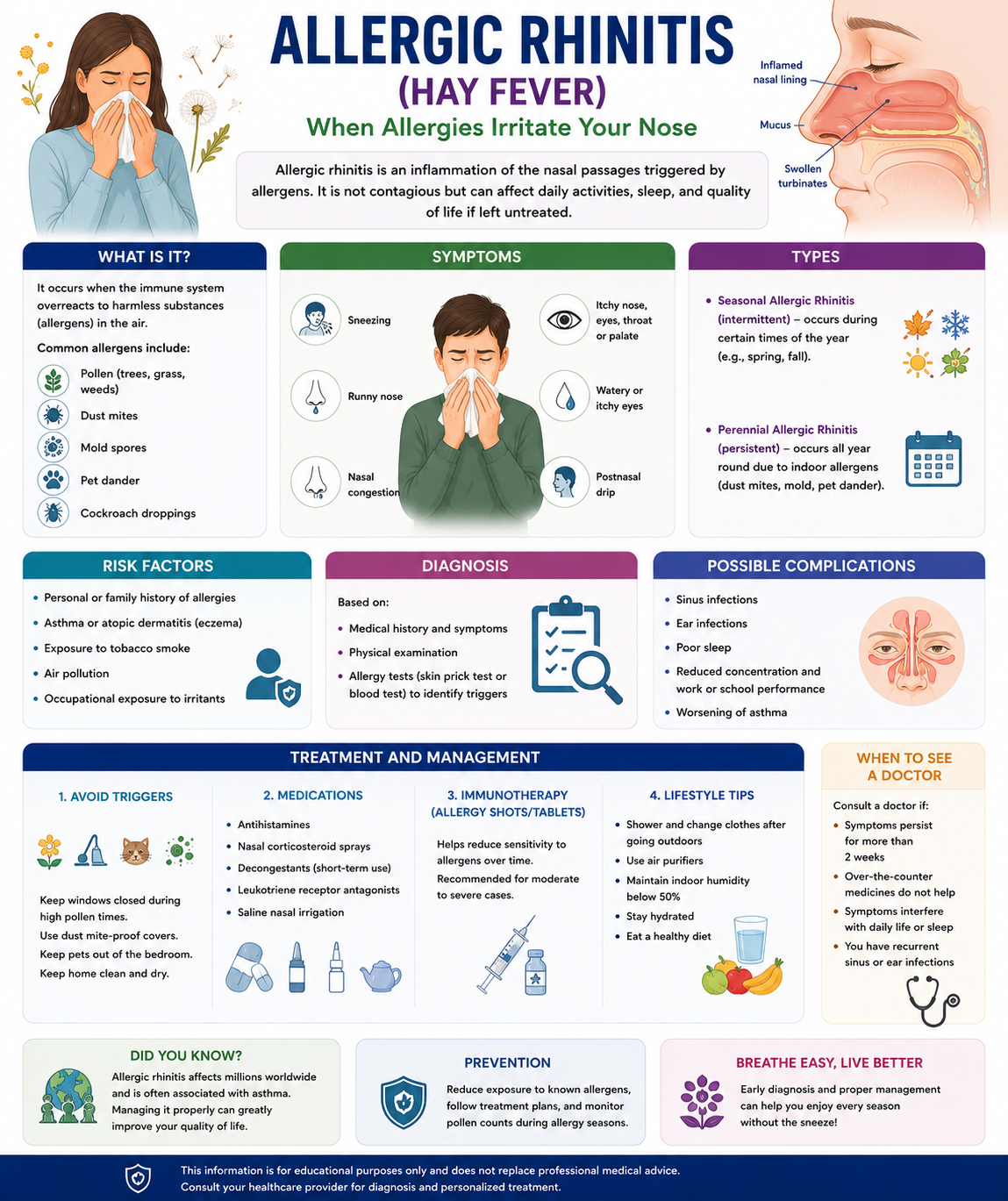
Recognizing Clinical Signs of Allergic Rhinitis
Respiratory and Nasal Indicators
You experience sneezing fits, especially upon waking, often in clusters of three or more. Nasal congestion and a runny nose with clear, watery discharge are hallmark signs of allergic rhinitis, affecting over 10% of adults globally. Itchy nose and nasal itching are frequently reported, with studies showing nasal symptoms persisting for more than two hours on most days.
Postnasal drip contributes to throat clearing and coughing, particularly at night. The presence of eosinophils in nasal secretions, detected through cytology, supports the diagnosis. Seasonal triggers like ragweed pollen in late summer or tree pollen in spring intensify symptoms for many sufferers.
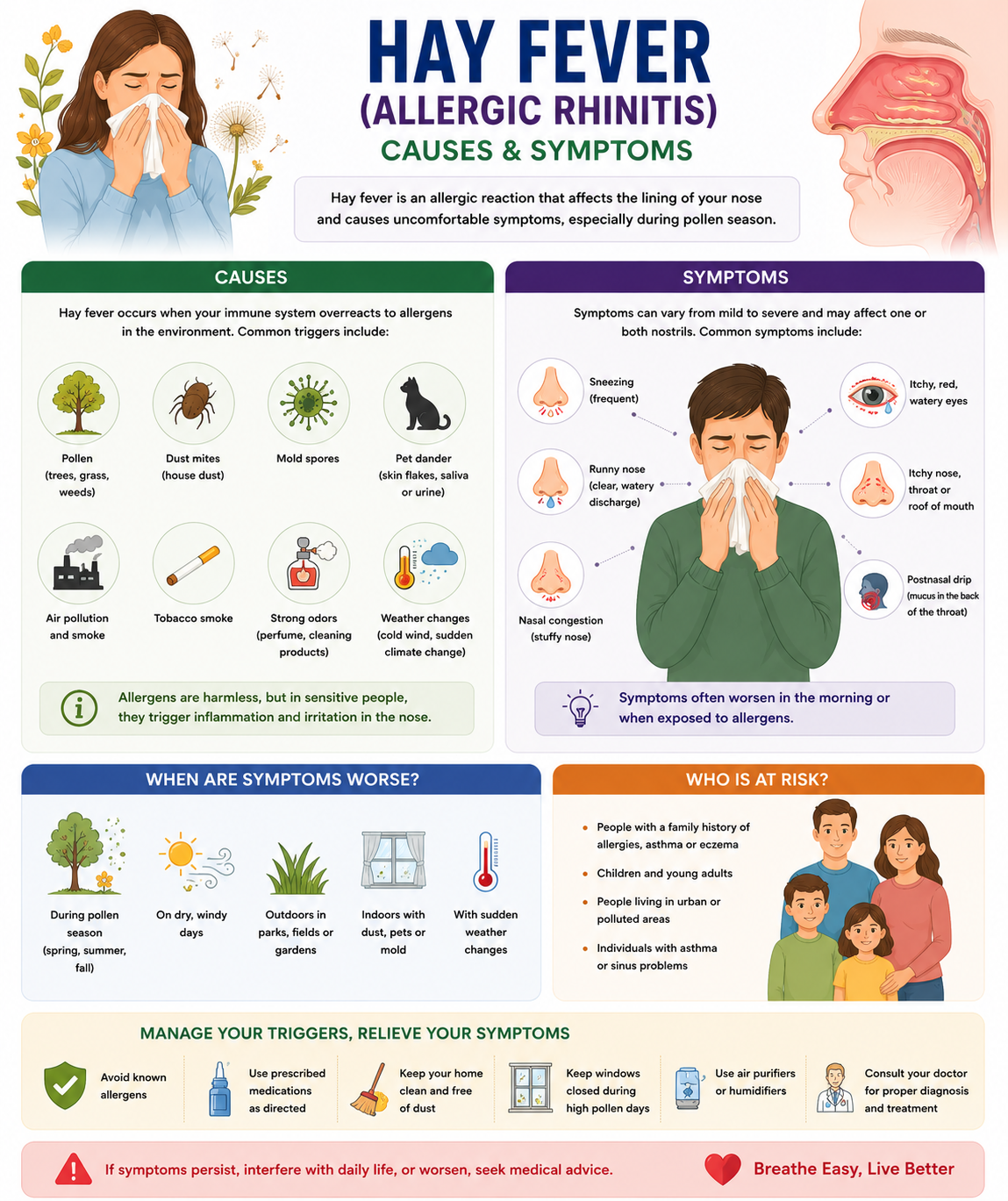
Secondary Physical Manifestations
You may develop allergic shiners—dark circles under the eyes—due to chronic nasal congestion and venous congestion in the infraorbital area. The “allergic salute” is another telltale sign, where frequent upward wiping of the nose creates a horizontal crease across the bridge.
Chronic mouth breathing from nasal obstruction can lead to pharyngitis and dental issues over time. In children, persistent symptoms are linked to sleep disturbances and reduced academic performance, with one 2022 study noting a 15% drop in concentration levels during peak pollen season.
Secondary physical manifestations extend beyond appearance. You might notice fatigue due to disrupted sleep from nasal blockage, and some patients report headaches linked to sinus pressure. According to a 2021 clinical review, up to 30% of allergic rhinitis patients experience olfactory dysfunction, reducing smell sensitivity and affecting quality of life.
At-Home Management and Self-Care for Allergic Rhinitis
Managing allergic rhinitis at home begins with consistent self-care practices that reduce exposure and ease symptoms. You can significantly decrease allergen contact by keeping windows closed during high pollen seasons, especially in the spring and fall months when counts peak. Regularly washing bedding in hot water above 130°F kills dust mites, a common trigger. Using a HEPA filter in your bedroom reduces airborne allergens by up to 50%, improving nighttime breathing.
Environmental Control and Prevention
Controlling your indoor environment plays a major role in how to cure allergic rhinitis at home. Replace air filters every 60 to 90 days and use allergen-proof covers on pillows and mattresses to block dust mites. The EPA recommends maintaining indoor humidity below 50% to prevent mold growth, which can worsen symptoms. Keep pets out of bedrooms if dander is a trigger, and vacuum weekly with a vacuum cleaner equipped with a HEPA filter to remove settled allergens effectively.
Traditional Natural Relief Techniques for Allergic Rhinitis
Many people find relief using effective allergic rhinitis home remedies passed down through generations. Rinsing your nasal passages daily with a saline solution using a neti pot reduces congestion and removes pollen, as supported by a 2008 study in *The American Journal of Rhinology & Allergy*. Consuming local raw honey—about one tablespoon daily—has been reported to build tolerance to regional pollen, though scientific evidence remains limited. Some use butterbur extract, with research from the *British Journal of General Practice* in 2002 suggesting it may be as effective as antihistamines for some users.
Traditional natural relief techniques often focus on reducing inflammation and supporting immune balance. In addition to nasal irrigation and honey, herbal supplements like quercetin—found in onions and apples—may stabilize mast cells that release histamine. Peppermint or eucalyptus essential oils, used in steam inhalation, open nasal passages safely when diluted properly. These time-tested methods, when used consistently, offer a complementary approach alongside environmental controls.
Nutritional Support and Supplementation
Targeted supplements for allergic rhinitis can play a meaningful role in managing symptoms and supporting immune balance. You may benefit from specific nutrients that modulate immune responses, especially when used consistently over time. Quercetin, a natural flavonoid found in many plants, has demonstrated mast cell-stabilizing effects, potentially reducing histamine release during an allergic reaction. Omega-3 fatty acids from fish oil also contribute to decreased airway inflammation, with studies showing improved nasal symptoms when taken regularly.
Vitamins and Minerals for Immune Health
Vitamin C supports your immune system by acting as both an antioxidant and a natural antihistamine. Clinical trials show that doses between 500-2,000 mg daily may reduce rhinitis symptoms. Vitamin D, especially when levels are optimized above 30 ng/mL, is linked to fewer allergic responses, as low levels correlate with increased IgE production. Zinc, at 15-30 mg daily, helps regulate immune cell function and may shorten the duration of allergic flare-ups when taken consistently.
Botanical and Herbal Extracts for Allergic Rhinitis
Butterbur (Petasites hybridus) has been studied in randomized trials, with one 2002 study showing 50 mg twice daily was as effective as cetirizine in reducing hay fever symptoms without sedation. Stinging nettle (Urtica dioica), typically taken at 300 mg twice a day, may stop the inflammatory pathways that cause nasal congestion. Always choose PA-free butterbur to avoid liver toxicity.
Butterbur’s effectiveness was confirmed in a 2005 follow-up study, reinforcing its role as a non-sedating alternative to antihistamines. However, the German Commission E advises against long-term use due to potential liver concerns, emphasizing the need for standardized, pyrrolizidine alkaloid-free extracts. Stinging nettle’s impact on histamine receptors and cytokines makes it a frequently recommended botanical, particularly when combined with quercetin for synergistic effects.
Alternative Therapies for Allergic Rhinitis: Acupuncture and Homeopathy
Acupuncture treatment for allergic rhinitis has been studied in clinical trials, with a 2013 review by the American Academy of Otolaryngology-Head and Neck Surgery citing moderate evidence for its effectiveness in reducing symptom severity. You may find relief through regular sessions targeting points linked to immune regulation and nasal congestion.
Homeopathic treatment for allergic rhinitis often includes remedies like Allium cepa, derived from red onion, and Sabadilla, which comes from a South American plant. You might respond well to these based on symptom similarity, such as watery eyes or frequent sneezing, following the homeopathic principle of “like cures like.”
Traditional Chinese Medicine Approaches to Hay Fever Management
Traditional Chinese Medicine views allergic rhinitis as a sign of imbalance, often tied to weakened Wei Qi, or defensive energy. Acupuncture treatment for allergic rhinitis focuses on restoring harmony by stimulating specific meridians, such as the Lung and Large Intestine channels, to reduce inflammation and improve respiratory function. You may be advised to combine acupuncture with herbal formulas like Yu Ping Feng San, used since the 15th century to strengthen immune resistance. Clinical observations suggest that consistent treatment over 8-12 weeks enhances outcomes, especially during seasonal transitions.

- Immune Regulation: It can help reduce blood markers of inflammation (like \(IgE\)) and suppress the release of allergic mediators.
- Nasal Symptom Relief: It stimulates local nerve pathways to decrease nasal congestion, sinus pressure, and glandular secretion.
- Reduced Medication Use: Studies indicate that acupuncture can lower a patient’s reliance on antihistamines or nasal sprays.
- A prominent pragmatic trial found that patients receiving routine acupuncture treatment experienced persistent and clinically relevant improvements in quality of life compared to control groups.
- Systematic reviews indicate that while the benefits can vary for seasonal allergies, acupuncture is particularly suggestive in providing relief for perennial (year-round) allergic rhinitis.
Common Acupoints Used
- LI 20 (Yingxiang): Located just outside the nostrils.
- EX-HN 3 (Yintang): Located directly between the eyebrows.
- LI 4 (Hegu): Located on the back of the hand, between the thumb and index finger.
Resources for Further Exploration
- Evidence-Based Insights: Review the comprehensive Evidence-Based Acupuncture report on how the therapy targets allergic conditions.
- Scientific Mechanisms: Read the Treatment of Allergic Rhinitis with Acupuncture study published by the National Institutes of Health (NIH) for in-depth immune system data. [1, 2, 3]
- Clinical Trials: Explore the Acupuncture for the treatment of allergic rhinitis review to see how it contrasts with standard pharmacological options.
Homeopathic Treatment for Hay Fever
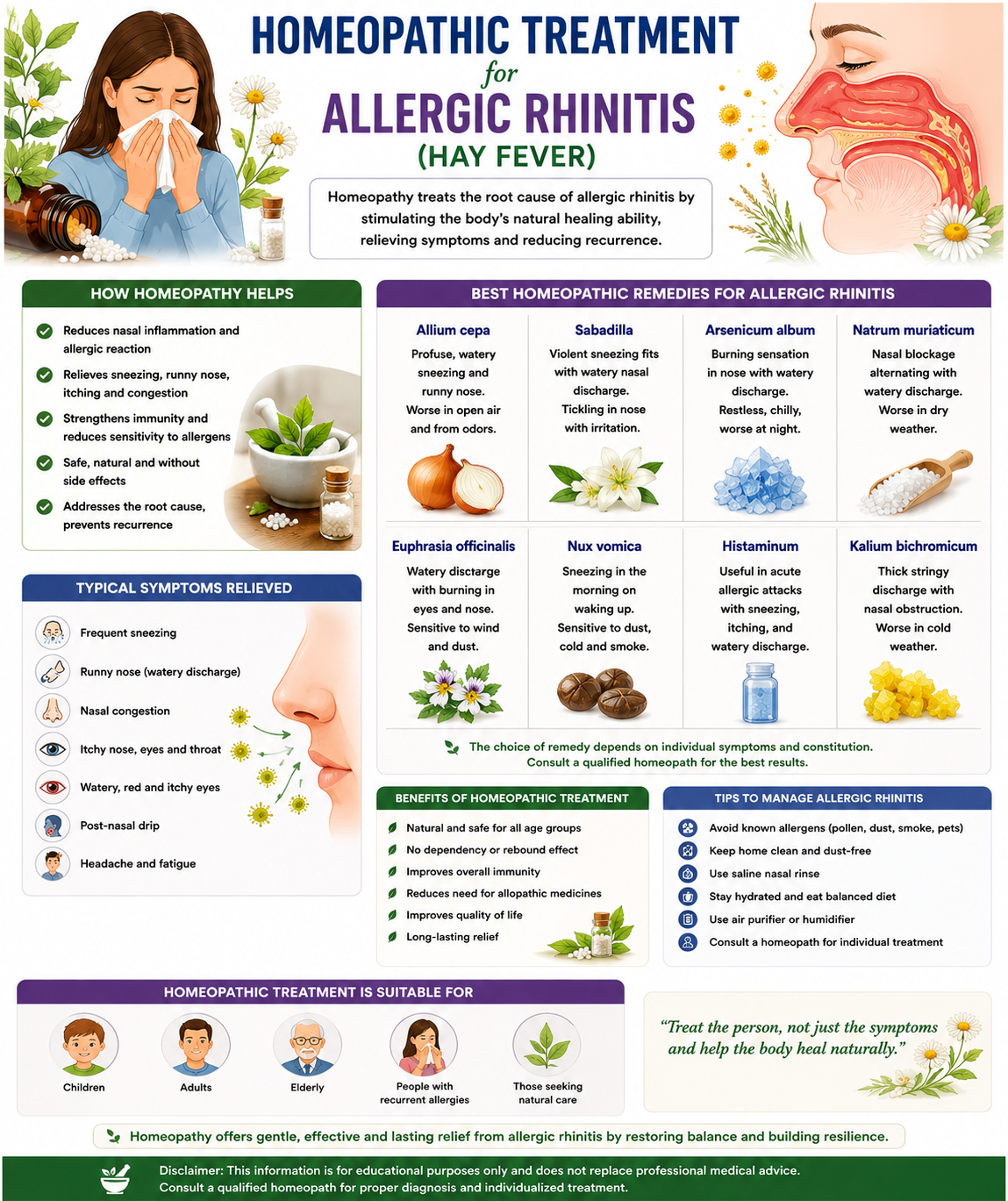
- Allium Cepa: Recommended for runny nose and streaming eyes, often with bland eye discharge and stinging nasal discharge.
- Sabadilla: Ideal for intense, violent sneezing fits and itchy palate/throat.
- Natrum muriaticum : Used for chronic hay fever, sneezing, and watery eyes (like “egg whites”).
- Histaminum: Often used as a homeopathic alternative to antihistamines to relieve allergic reactions, congestion, and hives.
- Euphrasia : Helpful for irritated, swollen eyes with burning tears.
- Arsenicum album : Indicated for burning nasal discharge and better with warmth.
- Kali iodatum : Used for burning, watery nasal discharge and sinus pain.
- Nux vomica: Useful for early morning sneezing and blocked noses.
- Arundo mauritanica : Effective for itching in the nose and roof of the mouth.
Key Considerations
- Selection: Treatments are tailored to the individual’s specific symptom profile rather than a generic approach.
- Dosage: Common methods include 5 granules of a chosen remedy, typically taken every 2 hours, with spacing increased as symptoms improve.
- Evidence: Studies show mixed results regarding the effectiveness of homeopathy for allergic rhinitis, with some indicating positive outcomes.
- Consultation: Always discuss with a healthcare provider, especially if you are currently using conventional allergy treatments like steroids.
Remember, a homeopath is first of all a physician. Only medical doctors can practice homeopathy; otherwise, it’s charlatanism.
Principles of Homeopathic Care
Homeopathic treatment for allergic rhinitis is based on the individualized matching of symptoms to remedies. You are prescribed substances like Arsenicum album for burning nasal discharge or Nux vomica if symptoms worsen in cold air, reflecting the doctrine of similars.
Each remedy is highly diluted, following Hahnemann’s 1810 theory that potency increases with dilution. You may take Allium cepa 30C for sneezing and eye irritation, especially if symptoms mirror those caused by chopping onions.
Homeopathy operates on the belief that your body’s vital force can be gently stimulated to self-correct. When you choose a remedy like Sabadilla for violent sneezing fits or Euphrasia for acrid tears with bland nasal discharge, the selection hinges on precise symptom patterns. This individualized method, established by Samuel Hahnemann in the late 18th century, requires careful assessment—your unique experience of allergy, not just a general diagnosis, guides treatment. Though scientific consensus remains divided, many patients report reduced reliance on antihistamines after consistent use.
Summing up
On the whole, you can manage allergic rhinitis effectively by understanding its causes—such as pollen, dust mites, and pet dander—and recognizing symptoms like sneezing, nasal congestion, and itchy eyes. Long-term relief often comes from combining avoidance strategies with holistic treatments, including saline irrigation, butterbur, quercetin, and acupuncture. Clinical studies show butterbur may perform similarly to antihistamines without drowsiness, while regular nasal irrigation reduces symptom frequency. You benefit most when you personalize your approach based on triggers and responses to treatment.
FAQ

Q: What is allergic rhinitis?
A: Allergic rhinitis is a condition where the immune system overreacts to airborne allergens, leading to inflammation in the nasal passages. It is commonly known as hay fever, though it is not caused by hay and does not produce a fever. When allergens like pollen, dust mites, or pet dander enter the nose, the body releases histamine, triggering symptoms such as sneezing, a runny nose, and itchy eyes. The condition can be seasonal, occurring during certain times of the year, or perennial, affecting individuals year-round.
Q: What causes allergic rhinitis?
A: Allergic rhinitis is caused by an immune response to inhaled allergens. Common triggers include tree, grass, and weed pollens, mold spores, dust mites, pet dander, and cockroach droppings. When a sensitive person inhales these particles, the immune system identifies them as threats and produces antibodies. This causes the body to release histamine and other chemicals, which leads to nasal swelling, increased mucus production, and irritation. Genetics and environmental exposure play a role in determining who develops the condition.
Q: What are the main symptoms of allergic rhinitis?
A: Symptoms of allergic rhinitis include frequent sneezing, a runny or stuffy nose, an itchy nose, throat, or ears, and watery, red, or swollen eyes. Some people also experience postnasal drip, coughing, fatigue, and a decreased sense of smell. In children, allergic shiners—dark circles under the eyes—and the “allergic salute,” where they rub their nose upward, are common signs. Symptoms often worsen during high pollen seasons or in dusty, poorly ventilated environments.
Q: Can allergic rhinitis be cured with home treatments?
A: There is no permanent cure for allergic rhinitis, but home treatments can significantly reduce symptoms and improve quality of life. Avoiding known allergens is the most effective strategy. Using air purifiers, washing bedding in hot water weekly, and keeping windows closed during high pollen counts help limit exposure. Saline nasal rinses flush out allergens and soothe irritated nasal passages. Many people find relief through consistent environmental control and natural symptom management.
Q: What are effective home remedies for allergic rhinitis?
A: Home remedies include nasal irrigation with a neti pot or saline spray, which clears mucus and allergens from the nasal cavity. Steam inhalation with essential oils like eucalyptus or peppermint may ease congestion. Drinking herbal teas such as butterbur or stinging nettle has shown anti-inflammatory effects in some studies. Consuming local raw honey is a popular remedy, though scientific evidence is limited. Keeping indoor air clean and using hypoallergenic covers on pillows and mattresses also supports symptom relief.
Q: Which supplements may help manage allergic rhinitis?
A: Certain supplements have been studied for their role in reducing allergic responses. Quercetin, a plant flavonoid found in apples and onions, stabilizes mast cells and may reduce histamine release. Vitamin C supports immune function and has mild antihistamine properties. Omega-3 fatty acids, found in fish oil, help lower inflammation. Probiotics, especially strains like Lactobacillus and Bifidobacterium, may improve gut-immune balance and reduce allergy symptoms over time. Always consult a healthcare provider before starting any supplement.
Q: Do acupuncture and homeopathy work for allergic rhinitis?
A: Acupuncture involves inserting thin needles into specific points on the body to balance energy flow and modulate immune response. Some clinical studies suggest it can reduce symptom severity and medication use in allergic rhinitis. Homeopathy uses highly diluted natural substances to stimulate the body’s healing response. Common remedies include Allium cepa for runny nose and sneezing and Sabadilla for violent sneezing and itchy nose. While many users report benefits, scientific evidence remains mixed, and results vary from person to person.
Holistic Treatments for Allergic Rhinitis in Philadelphia
Natural treatments for holistic rhinitis are as effective as allopathic ones. Natural remedies for allergic rhinitis are safe and cause no side effects.
It is critical that you consult a medical doctor trained in naturopathy before starting natural treatment for hay fever. Only medical doctors using high-tech equipment can check the general condition of the affected eyes and advise which natural remedies are safe and appropriate.
Contact Philadelphia Holistic Clinic to schedule your appointment for evaluation and treatment provided by Victor Tsan and associates.