Myasthenia Gravis
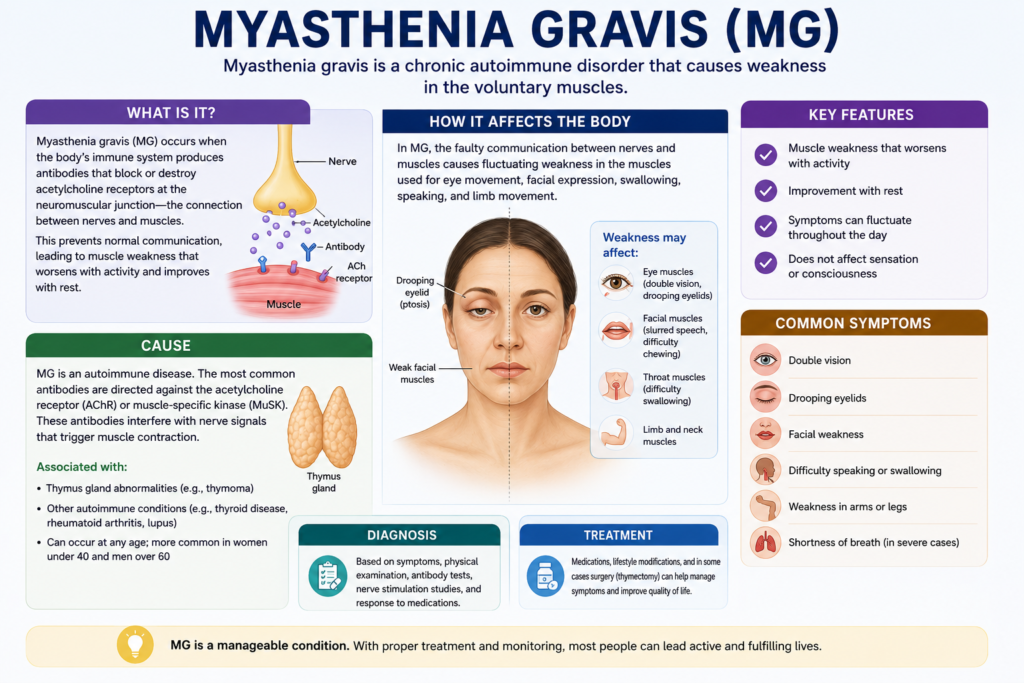
Myasthenia gravis, commonly abreviated as MG, is a chronic autoimmune neuromuscular disease that causes fluctuating weakness in voluntary muscles, particularly those controlling the eyes, face, throat, and limbs . It occurs when the immune system mistakenly blocks or destroys the receptors nerves use to communicate with muscles.
Key Takeaways:
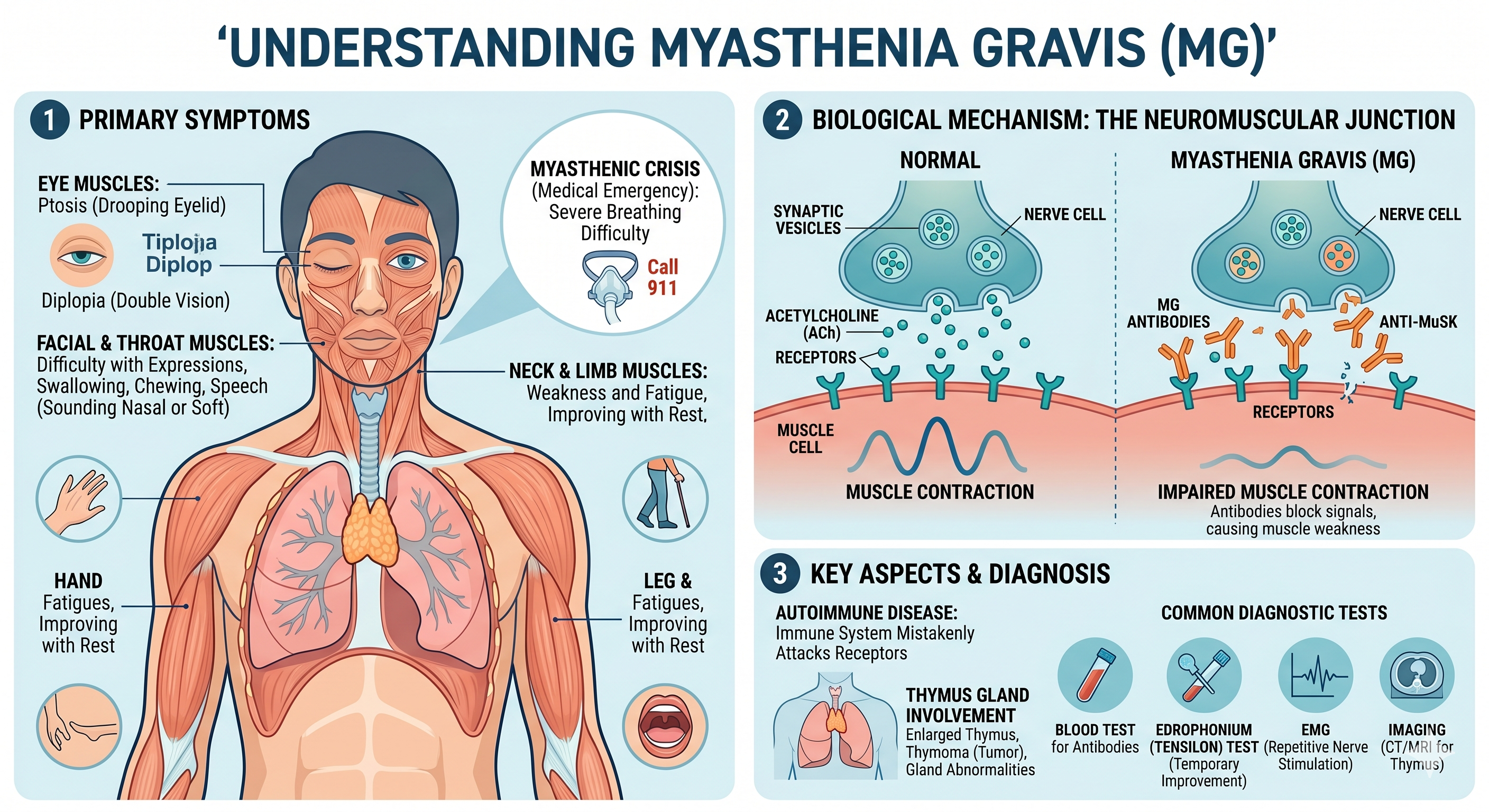
- Myasthenia gravis is a chronic autoimmune disorder where the immune system mistakenly attacks the communication points between nerves and muscles, leading to muscle weakness that worsens with activity and improves with rest.
- The primary cause involves antibodies that block or destroy acetylcholine receptors at the neuromuscular junction, disrupting nerve signal transmission to muscles; in some cases, antibodies target the protein muscle-specific kinase (MuSK).
- Common symptoms include drooping eyelids, double vision, difficulty speaking, swallowing problems, and limb weakness, with symptoms often fluctuating in severity throughout the day.
- Diagnosis typically involves blood tests for specific antibodies, nerve conduction studies, and the Tensilon (edrophonium) test, along with imaging to assess for thymus gland abnormalities such as thymoma.
- Ocular myasthenia affects only eye muscles initially, while generalized myasthenia spreads to other muscle groups; early diagnosis helps prevent progression.
- Treatment options include acetylcholinesterase inhibitors like pyridostigmine, immunosuppressive drugs such as prednisone and azathioprine, plasma exchange, and intravenous immunoglobulin therapy; thymectomy may benefit certain patients.
- With proper management, most people with myasthenia gravis can lead active lives, and life expectancy is generally normal, though severe cases may require careful monitoring for respiratory complications.
Clinical Manifestations and Symptoms
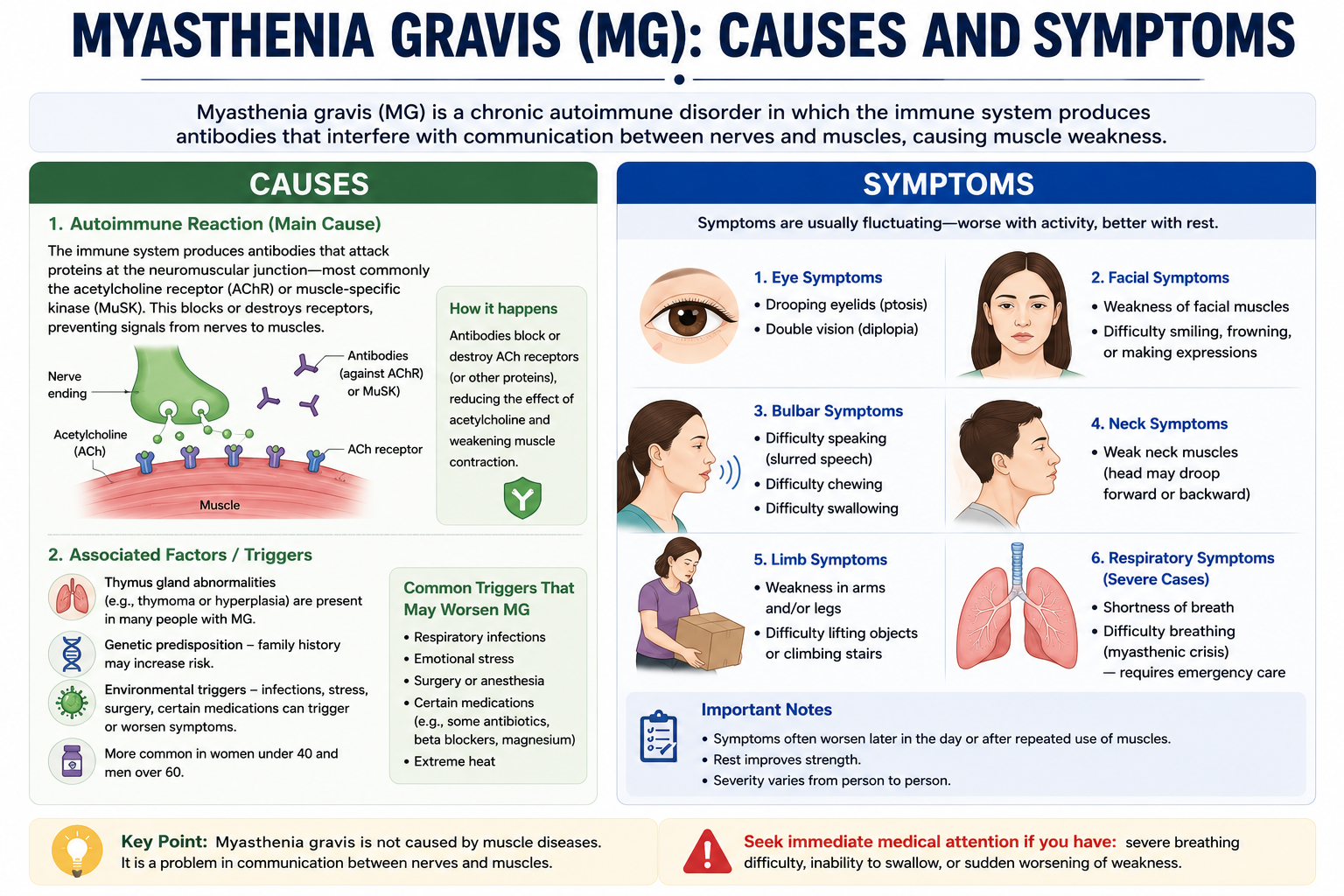
Weakness in voluntary muscles defines the core experience of myasthenia gravis, and it typically worsens with activity and improves with rest. You may first notice difficulties with eye movements or facial expressions, as ocular symptoms appear in about 85% of patients within the first year. Drooping eyelids (ptosis) and double vision (diplopia) are among the earliest signs, often leading to misdiagnosis as a neurological or ophthalmological issue. These symptoms stem from impaired nerve-to-muscle transmission at the neuromuscular junction, where autoantibodies attack acetylcholine receptors.
As the condition progresses, muscle weakness can extend beyond the eyes to involve the face, throat, and limbs. You might struggle with chewing, swallowing, or speaking clearly—a pattern known as bulbar weakness. In about 10-15% of cases, the disease affects the respiratory muscles, leading to a myasthenic crisis, a life-threatening condition that requires immediate intervention. Limb weakness, especially in the arms, commonly occurs but is usually less severe than cranial muscle involvement.
Your experience with myasthenia gravis symptoms will likely vary in both type and intensity. Some individuals remain limited to ocular symptoms for years, while others develop generalized muscle weakness within months. Early recognition of symptom patterns improves long-term outcomes and helps guide appropriate treatment strategies.
Identifying skeletal muscle weakness
Skeletal muscle weakness in myasthenia gravis targets specific muscle groups, with the ocular muscles affected in up to 90% of patients at some point. You may observe that your eyelids droop more noticeably after reading or prolonged screen use, a hallmark of activity-dependent fatigue. This fluctuating nature helps distinguish myasthenia gravis from other neuromuscular disorders.
Facial and throat muscles are frequently involved, leading to a mask-like expression or difficulty maintaining speech during long conversations. You might find yourself needing to pause to gather strength while talking, especially at the end of the day. Chewing tough foods becomes tiring, and swallowing may feel labored, increasing the risk of aspiration.
Limb weakness often affects the proximal muscles, making tasks like climbing stairs or lifting objects challenging. You may not feel pain, but the fatigue builds rapidly with repetition. Recognizing these patterns—especially the worsening with exertion and improvement with rest—is key to identifying myasthenia gravis early.
Variation in symptom severity
Symptom severity in myasthenia gravis fluctuates significantly between individuals and over time. You might have mild eye symptoms for years, while another person develops generalized weakness within weeks of onset. Approximately 10-20% of patients remain ocular, with symptoms confined to the eyes, while the majority progress to generalized myasthenia within 1-3 years.
Factors like stress, infection, hormonal changes, or certain medications can trigger sudden worsening. You may notice increased fatigue during a cold or after starting a new drug like beta-blockers or aminoglycosides, both known to exacerbate symptoms. These fluctuations require careful monitoring and often prompt adjustments in therapy.
Myasthenic crisis, which occurs in about 15-20% of patients, represents the most severe form and involves respiratory failure. You would need mechanical ventilation and intensive care, often triggered by infection or surgery. Understanding these variations helps you anticipate risks and respond promptly to changes.
Tracking your symptom patterns over time offers useful information about your personal disease course. You may experience periods of remission or minimal manifestations, especially with effective treatment. However, relapses can occur unexpectedly, emphasizing the need for ongoing communication with your healthcare team and awareness of triggers that influence symptom severity.
Clinical Diagnostic Procedures for Myasthenia Gravis
Examination and physical assessment
You may notice that muscle weakness worsens with activity and improves with rest, a hallmark pattern in myasthenia gravis diagnosis. During the physical exam, your doctor might ask you to sustain upward gaze for 30 to 60 seconds to check for drooping eyelids, known as the “peek sign.” Repetitive blinking or continuous smiling could reveal facial muscle fatigue, while holding your arms outstretched may demonstrate progressive arm weakness within minutes. Your speech might become nasal or slurred after prolonged talking, indicating bulbar muscle involvement. These simple bedside maneuvers help clinicians differentiate myasthenia gravis from other neuromuscular disorders based on fluctuating weakness patterns.
Physicians often use the ice pack test to assess ptosis improvement—placing a cold pack over the eyes for two minutes can temporarily reduce drooping in myasthenia gravis patients. Your reflexes typically remain normal, which helps distinguish this condition from neurological diseases affecting reflex pathways. The Tensilon (edrophonium) test, which is less common today because of safety concerns, involves giving a short-acting acetylcholinesterase inhibitor through an IV to see a quick, temporary improvement in muscle strength.
A thorough neurological evaluation focuses on ocular, bulbar, respiratory, and limb muscle function. Your doctor will document the distribution and variability of weakness, which are central to a myasthenia gravis diagnosis. No single physical finding confirms the disease, but a consistent clinical picture guides further testing. Observing how your symptoms fluctuate throughout the day or with exertion provides valuable diagnostic clues.
Laboratory and electrophysiological testing
Blood tests play a key role in confirming the diagnosis of myasthenia gravis by detecting specific antibodies. Up to 85% of people with generalized myasthenia gravis have antibodies against the acetylcholine receptor (AChR). On the other hand, 40–70% of AChR-negative people test positive for anti-MuSK (muscle-specific kinase) antibodies. A smaller group may have LRP4 or other rare antibodies. These results help classify the subtype of myasthenia gravis and guide treatment decisions. In some cases, seronegative patients still meet clinical and electrophysiological criteria for diagnosis.
Repetitive nerve stimulation (RNS) is an electrophysiological test that measures muscle response to repeated electrical nerve stimulation. You may experience a decremental response—typically a 10% or greater drop in muscle action potential amplitude after repeated stimulation—which supports the diagnosis. Single-fiber electromyography (SFEMG) is the most sensitive test, detecting impaired nerve-to-muscle transmission by measuring “jitter” or blocking of signals in individual muscle fibers. Although highly accurate, SFEMG requires specialized equipment and expertise.
Imaging, particularly chest CT or MRI, is routinely performed to evaluate for thymoma, a tumor associated with myasthenia gravis in about 15% of cases. Thymic hyperplasia occurs in up to 65% of patients, especially younger women. Identifying thymic abnormalities influences management, including the potential need for thymectomy. Together, laboratory, electrophysiological, and imaging findings solidify the diagnosis when clinical symptoms are suggestive.
When laboratory and electrophysiological testing align with clinical findings, diagnostic confidence increases significantly. For example, a positive AChR antibody test combined with a decremental response on RNS and abnormal SFEMG results strongly supports myasthenia gravis diagnosis. Even in seronegative cases, abnormal electrophysiology and characteristic symptoms allow clinicians to proceed with treatment. These tests confirm the disease and help monitor the response to therapy over time.
Natural and Holistic Treatments for Myasthenia Gravis
- Gut Health: Focus on prebiotic and probiotic foods to support a healthy microbiome, which is vital for immune regulation.
- Nutrient Dense: Anti-inflammatory foods rich in omega-3 fatty acids (e.g., walnuts and flaxseeds) and Vitamin D can help support neuromuscular and skeletal muscle function.
- Potassium & Hydration: If you experience swallowing issues or diarrhea, focus on easy-to-chew foods (like bananas and eggs) and potassium-rich foods.
- Herbal Supplements: Traditional therapies like Astragalus and white peony are sometimes explored, but you must consult your doctor before taking any supplements, as some can interfere with MG treatments.
- Temperature Control: Heat and humidity can trigger or worsen MG symptoms. Use cooling vests, stay hydrated, and limit time outdoors during the hottest parts of the day.
- Energy Conservation: Pace your activities, take scheduled rest breaks throughout the day, and maintain a consistent sleep schedule to combat fatigue.
- Safety & Accessibility: Use aids like eye patches to prevent double vision, and remove tripping hazards around your home to accommodate muscle weakness.
- Mind-Body Practices: Stress can significantly impact autoimmune conditions. Practices like yoga, meditation, deep breathing exercises, and journaling can help regulate the nervous system.
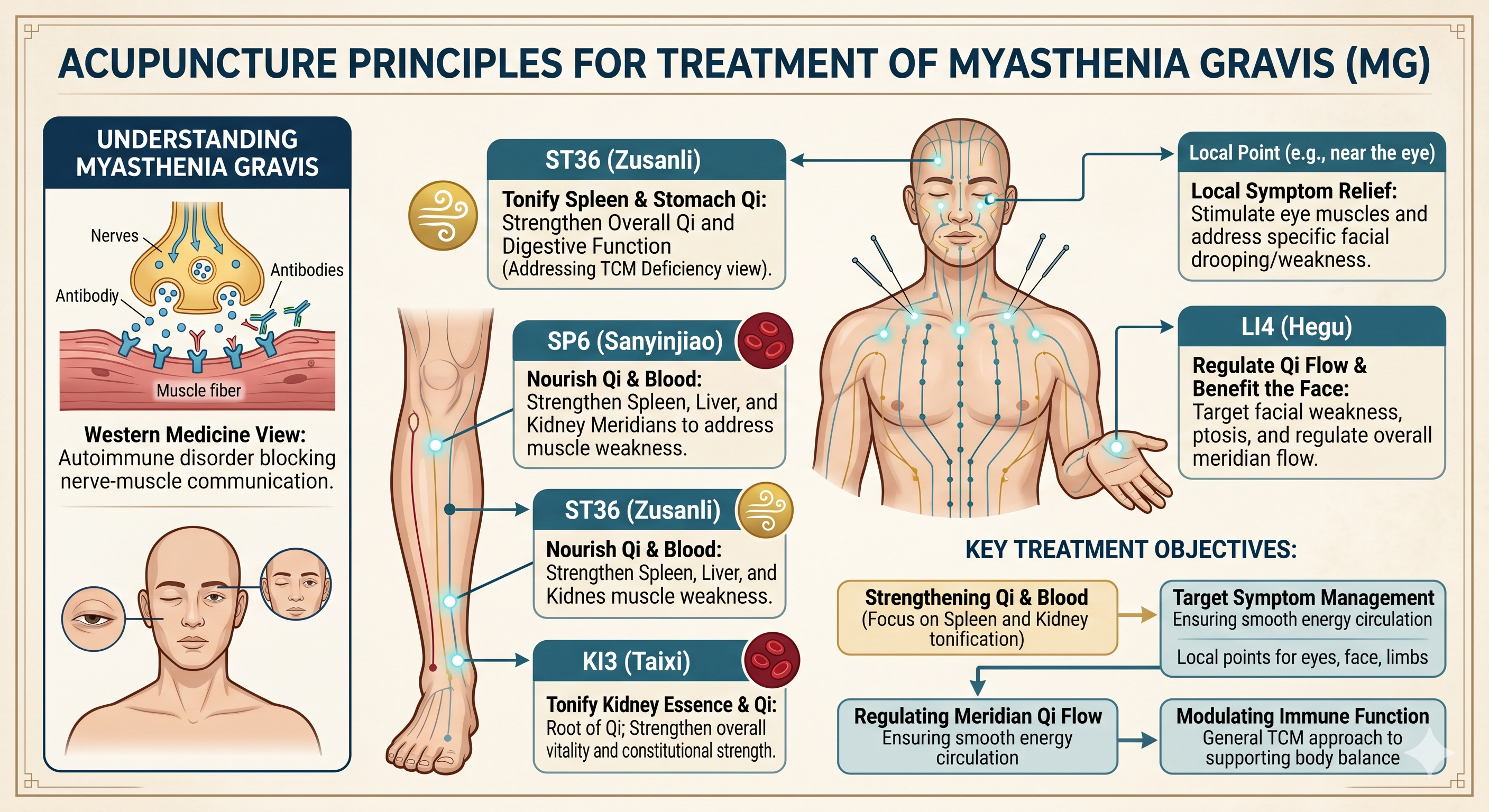
- Acupuncture: Some individuals use acupuncture as an integrative tool to manage pain and improve quality of life.
Acupuncture for Myasthenia Gravis
- Symptom Improvement: In a 2025 pilot study, 75% of participants reported improvements in their MG symptoms after 12 weeks of treatment.
- Enhanced Medication Efficacy: Some systematic reviews indicate that acupuncture may work synergistically with standard medications, potentially improving the overall clinical efficacy rate.
- Specific Symptoms: Patients have reported benefits for ocular symptoms (like eye weakness) and general fatigue.
- Quality of Life: Participants in clinical trials have self-reported moderate improvements in their ability to perform daily activities.
- High Safety Profile: Most reported side effects are mild and localized to the needle site, such as minor bleeding, bruising, or temporary pain.
- Feasibility: Studies show high completion rates for treatment protocols (around 71% in recent trials), indicating it is a manageable addition to a care plan.
Homeopathic Treatment for Myasthenia Gravis
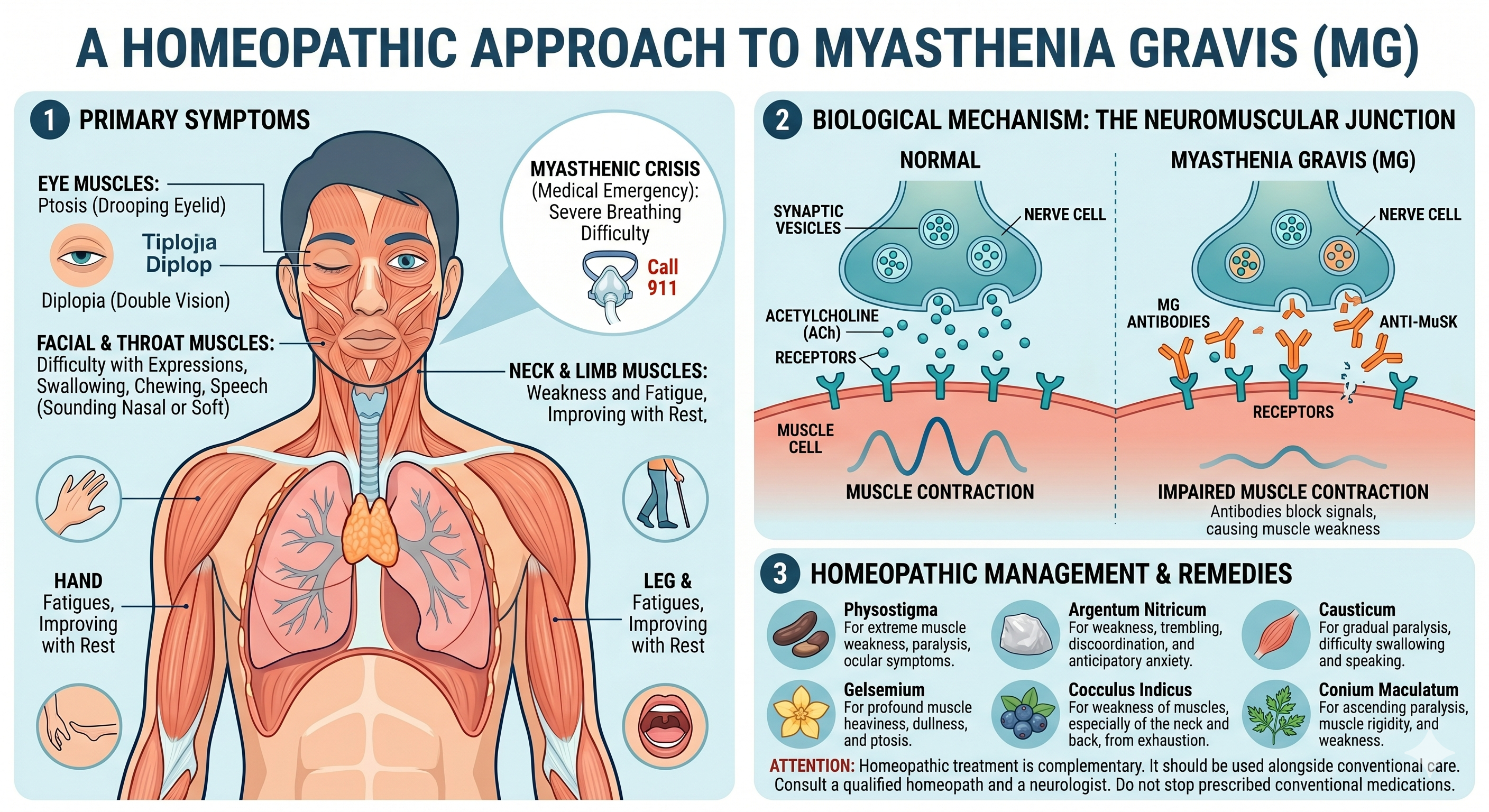
Myasthenia Gravis requires ongoing management by a licensed neurologist. Delaying or abandoning conventional medical care to pursue homeopathy can lead to a myasthenic crisis, a medical emergency that impairs the ability to breathe.
While MG cannot be cured, its symptoms can be effectively managed with proven medical therapies:
- Symptom-improving medications: Acetylcholinesterase inhibitors, such as pyridostigmine, help strengthen the signal between nerves and muscles.
- Immune treatments: Corticosteroids and immunosuppressants are used to reduce the autoimmune attacks on the neuromuscular junction.
- Procedures: In severe cases, plasmapheresis or intravenous immune globulin (IVIG) may be utilized to filter or modify abnormal antibodies in the blood.
Final Words
Considering all points, you now understand that myasthenia gravis is a chronic autoimmune disorder where your body’s immune system mistakenly attacks the communication points between nerves and muscles. This disruption leads to muscle weakness that worsens with activity and improves with rest, commonly affecting the eyes, face, throat, and limbs. Early symptoms like drooping eyelids or difficulty swallowing may seem mild, but they can progress without proper diagnosis and care.
You manage this condition through a combination of medications such as acetylcholinesterase inhibitors, immunosuppressants, and in some cases, surgical removal of the thymus gland, especially if a thymoma is present. Treatments like plasmapheresis or intravenous immunoglobulin offer short-term relief during severe flare-ups. With consistent medical supervision, many people stabilize and maintain functional independence.
You can live a full life with myasthenia gravis; life expectancy for most patients is near normal, especially when complications like myasthenic crises are promptly addressed. Your long-term outlook improves significantly with early intervention, adherence to treatment, and lifestyle adjustments. Staying informed and proactive puts you in the best position to manage this condition effectively.
FAQ

Q: What is myasthenia gravis?
A: Myasthenia gravis is a chronic autoimmune disorder where the body’s immune system mistakenly attacks the communication points between nerves and muscles. This disruption occurs at the neuromuscular junction, leading to muscle weakness that worsens with activity and improves with rest. The condition most commonly affects muscles that control eye and eyelid movement, facial expression, chewing, swallowing, and speaking, but it can also impact limb and respiratory muscles in more severe cases.
Q: What causes myasthenia gravis?
A: Myasthenia gravis is caused by the production of abnormal antibodies that target proteins involved in nerve-to-muscle signaling, most often the acetylcholine receptor. These antibodies block or destroy the receptors, reducing the ability of muscles to contract. In about 10-15% of cases, the target is a different protein called muscle-specific kinase (MuSK). The thymus gland, located in the chest, often plays a role—many patients have an enlarged thymus or thymoma, a tumor of the thymus, which may contribute to the faulty immune response.
Q: What are the main symptoms of myasthenia gravis?
A: The hallmark of myasthenia gravis is muscle weakness that increases during activity and improves after rest. Early symptoms often involve the eyes, such as drooping eyelids (ptosis) and double vision (diplopia). As the condition progresses, people may experience difficulty speaking (dysarthria), trouble swallowing (dysphagia), weak chewing, and facial muscle weakness that affects expression. Limb weakness, especially in the arms and hands, can develop, and in severe cases, respiratory muscles may be affected, leading to a myasthenic crisis requiring emergency care.
Q: How is myasthenia gravis diagnosed?
A: Diagnosis begins with a detailed medical history and neurological exam to assess muscle strength and fatigue. Doctors may use blood tests to detect antibodies against acetylcholine receptors, MuSK, or other related proteins. Electromyography (EMG), particularly repetitive nerve stimulation or single-fiber EMG, can reveal impaired nerve-to-muscle transmission. The edrophonium (Tensilon) test, though less common now, may be used to observe a temporary improvement in muscle strength. Imaging tests, such as chest CT or MRI, help identify thymus abnormalities. for thymus abnormalities. for thymus abnormalities. for thymus abnormalities.
Q: What is the difference between ocular and generalized myasthenia gravis?
A: Ocular myasthenia gravis affects only the muscles around the eyes, causing ptosis and double vision, without involving other muscle groups. It may remain limited to the eyes for years, but about half of those diagnosed with the ocular form eventually develop generalized symptoms. Generalized myasthenia gravis involves additional muscle groups, including those in the face, throat, limbs, and sometimes breathing muscles, leading to broader weakness and greater functional impact.
Q: How is myasthenia gravis treated?
A: Treatment focuses on improving muscle strength and controlling the immune system. Acetylcholinesterase inhibitors like pyridostigmine help increase nerve signal transmission to muscles. Immunosuppressive drugs such as prednisone, azathioprine, mycophenolate, or tacrolimus are used to reduce antibody production. For rapid improvement during flare-ups, intravenous therapies like plasmapheresis or intravenous immunoglobulin (IVIG) may be given. Thymectomy, the surgical removal of the thymus gland, is recommended for many patients, especially those with thymoma or younger individuals with generalized disease, and it can lead to symptom reduction or remission in some cases.
Q: Can lifestyle changes or natural approaches help manage myasthenia gravis?
A: While no natural treatment can cure myasthenia gravis, some people achieve symptom relief through supportive strategies. A balanced diet, adequate rest, and pacing physical activity can help manage fatigue. Some patients explore acupuncture or gentle yoga to support their well-being, though limited scientific evidence supports their effectiveness. Stress reduction techniques like meditation may help, as stress can worsen symptoms. You should discuss any complementary approach with a healthcare provider to avoid interference with prescribed treatments or triggering a crisis.
Holistic Management for Myasthenia Gravis in Philadelphia
If you are suffering from muscular dystrophy, you must seek treatment as soon as possible to prevent or at least slow down the degeneration of your muscles. The above-mentioned natural remedies for myasthenia gravis can aid you in minimizing your symptoms so that the condition doesn’t hinder your daily activities in any way. They contain minimal or no side effects and are also significantly more affordable in comparison to traditional approaches.
If you believe in natural medicine and prefer to use it alongside allopathic treatment or as your main treatment, consider natural treatment for myasthenia gravis and find the right place and provider. Don’t settle for the closest or cheapest naturopathic doctor. Make sure you found the best. Remember that muscular dystrophy is a disease that not only can make a person disabled but also is a life-threatening medical condition. That’s why you need a naturopathic practitioner, who is, first of all, a medical doctor and not just a dilettante.
In Philadelphia, you can choose this clinic, directed by internationally recognized homeopath and medical doctor Victor Tsan. He founded and developed the Philadelphia Holistic Treatment in the year 2000, and he supervises all treatments in the clinic. Victor Tsan gathered the best holistic practitioners in each specialty under one roof at the center. They all work as a team, so you will never be left alone. There is a rule in the clinic that at the end of each business day all practitioners gather in a conference room and report to Victor Tsan all updates regarding new and existing patients. Victor Tsan must discuss and approve any changes in treatment.
Contact Philadelphia Holistic Clinic at (267) 403-3085 to schedule your first appointment with Victor Tsan and discuss your treatment plan.