Dry Mouth (Xerostomia)
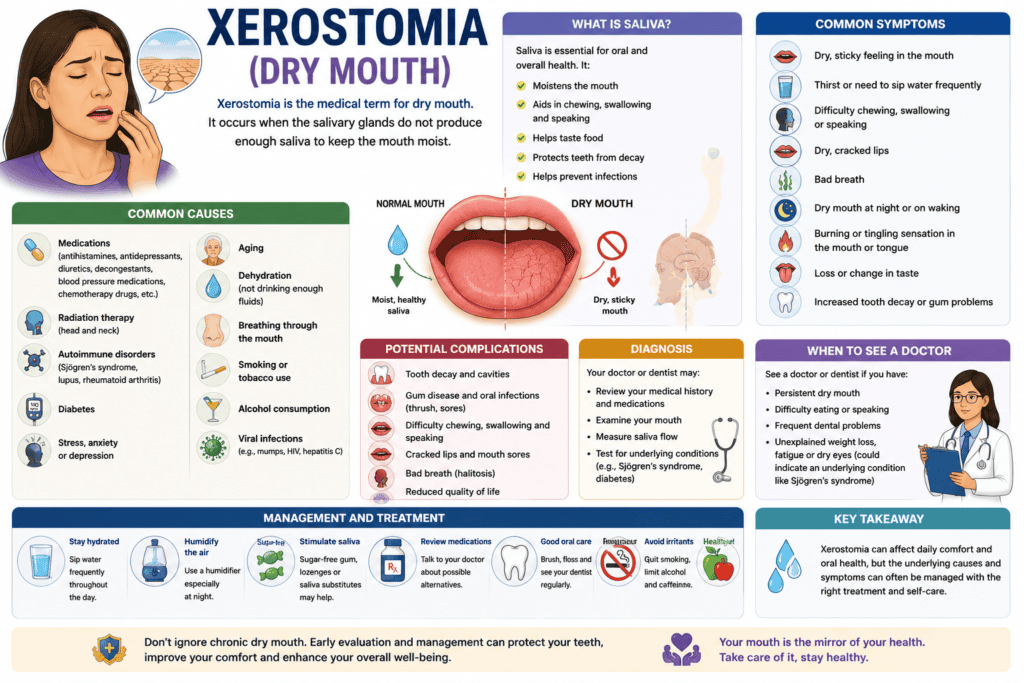
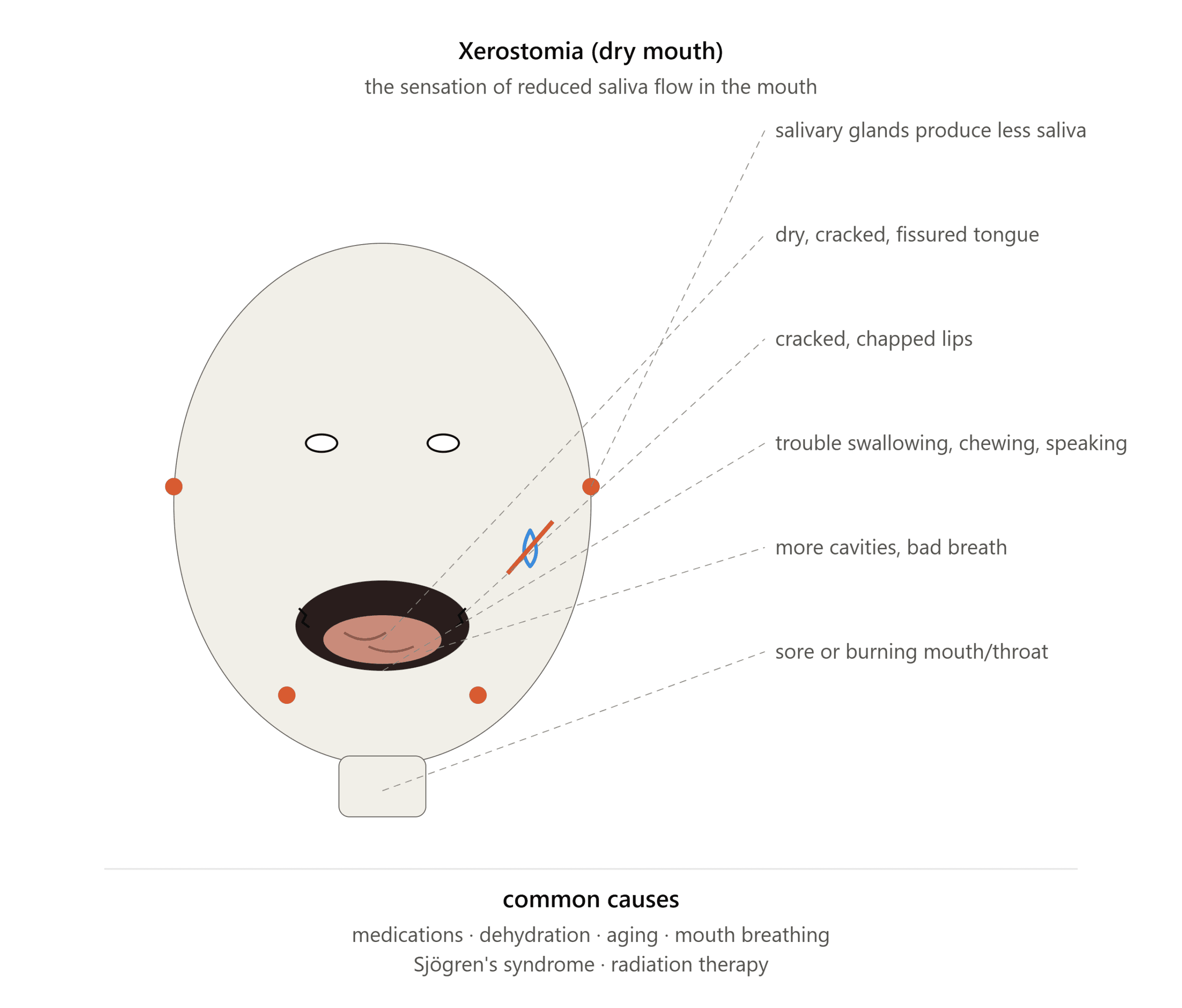 Xerostomia is the medical term for dry mouth, caused by a lack of enough saliva to keep the mouth wet. Common causes include side effects from medications, autoimmune conditions like Sjögren’s syndrome, and cancer treatments. Most people occasionally experience dry mouth, but persistent xerostomia, the medical term for chronic dry mouth, indicates an underlying issue. This condition, defined by reduced saliva flow, affects your oral health and overall well-being. You will discover its common causes, recognize its various symptoms, and explore effective holistic treatments.
Identifying the Primary Etiology of Salivary Dysfunction and Dry Mouth
Common triggers and lifestyle factors
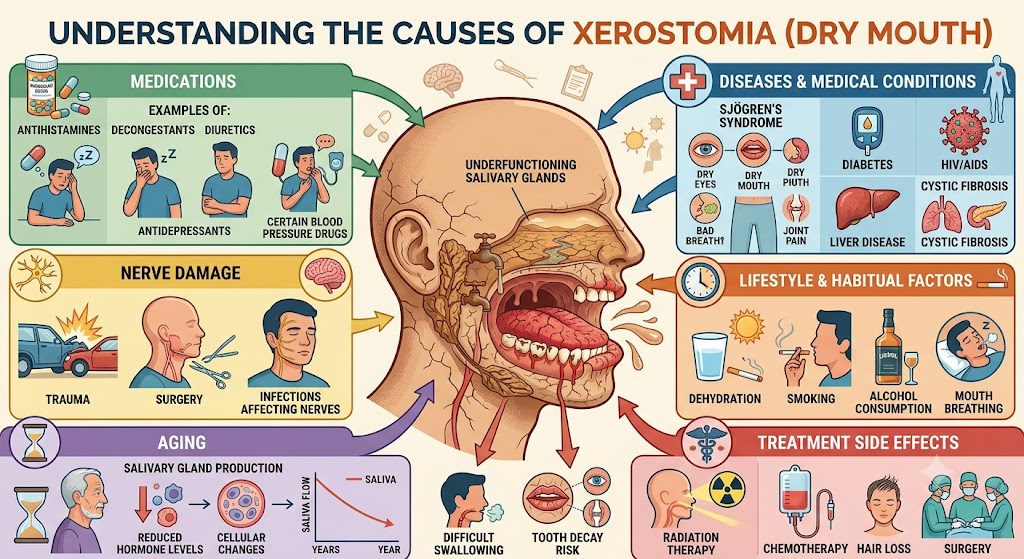
Many everyday habits and environmental exposures can contribute to xerostomia, making your mouth feel uncomfortably dry. Consider, for example, the impact of dehydration; insufficient fluid intake directly reduces the body’s ability to produce adequate saliva. Smoking and alcohol consumption are also significant irritants, both known to suppress salivary flow and alter the delicate balance of the oral microbiome. Certain dietary choices can exacerbate dry mouth symptoms. Consuming excessive amounts of caffeine, often found in coffee, tea, and energy drinks, acts as a diuretic, further depleting the body’s hydration levels. Similarly, a diet high in processed foods, sugar, and acidic beverages can contribute to oral irritation, indirectly affecting salivary gland function. Recognizing these common triggers allows for targeted adjustments to your daily routine. Limiting or eliminating tobacco and alcohol, increasing water intake, and moderating caffeine consumption are all practical steps. After identifying specific dietary culprits, you can make informed choices to support better oral hydration.
Biological mechanisms of reduced saliva
Reduced salivary flow, known as hyposalivation, stems from various physiological disruptions impacting the salivary glands. These glands, including the parotid, submandibular, and sublingual glands, are responsible for producing the majority of saliva. Dysfunction in any of these major glands can significantly diminish overall salivary output. Damage to the salivary glands themselves, whether from autoimmune conditions like Sjögren’s syndrome, radiation therapy to the head and neck, or certain infections, directly impairs their ability to secrete saliva. Neurological pathways that regulate salivary production can also be affected, interrupting the signals sent from the brain to the glands. Medications represent a very common cause of dry mouth, with hundreds of prescription and over-the-counter drugs listing xerostomia as a side effect. Antihistamines, decongestants, antidepressants, and blood pressure medications are just a few examples of drug classes known to interfere with salivary gland function, often by blocking the receptors necessary for saliva production.
Clinical Significance and Diagnostic Indicators of Xirostomia
Identifying xerostomia, or dry mouth, extends beyond mere discomfort; it frequently signals underlying systemic conditions that warrant further investigation. A persistent lack of saliva can compromise oral health, increasing susceptibility to dental caries, periodontal disease, and oral infections such as candidiasis. Recognizing these broader implications helps guide a more comprehensive diagnostic approach. You might notice that chronic dry mouth is not merely an inconvenience but a symptom that can point to more serious health issues. For example, conditions like Sjögren’s syndrome, an autoimmune disorder, frequently manifest with pronounced xerostomia and dry eyes. Other systemic diseases, including diabetes, Parkinson’s disease, and HIV/AIDS, also list dry mouth among their common symptoms, necessitating a thorough medical evaluation. Many medications, both prescription and over-the-counter, are well-known for their xerostomic side effects, including antihistamines, decongestants, antidepressants, and diuretics. An accurate medical history, therefore, becomes paramount in distinguishing medication-induced dry mouth from symptoms stemming from a disease process. A detailed review of your current pharmacotherapy is a vital diagnostic step.
Identifying underlying systemic conditions that cause dry mouth
Recognizing the connection between dry mouth and systemic health is a critical step for proper diagnosis. When you experience chronic xerostomia, your healthcare provider will likely consider a range of potential underlying diseases. This includes autoimmune disorders, where the body’s immune system mistakenly attacks its own healthy cells, such as in rheumatoid arthritis or lupus, which can affect salivary gland function. Diabetes, a metabolic disorder characterized by high blood sugar levels, can also contribute to dry mouth due to changes in fluid balance and nerve function. Uncontrolled blood glucose often leads to increased urination, causing dehydration that manifests as reduced saliva production. Early detection of diabetes through this symptom can lead to timely management and prevention of complications. Neurological conditions, such as Parkinson’s disease, can impair the autonomic nervous system, which controls involuntary bodily functions including saliva production. Patients with Parkinson’s may also experience difficulty swallowing, exacerbating the sensation of dryness. Identifying these links helps create a more targeted treatment strategy, addressing both the symptom and its root cause.
Recognizing early warning signs of dry mouth
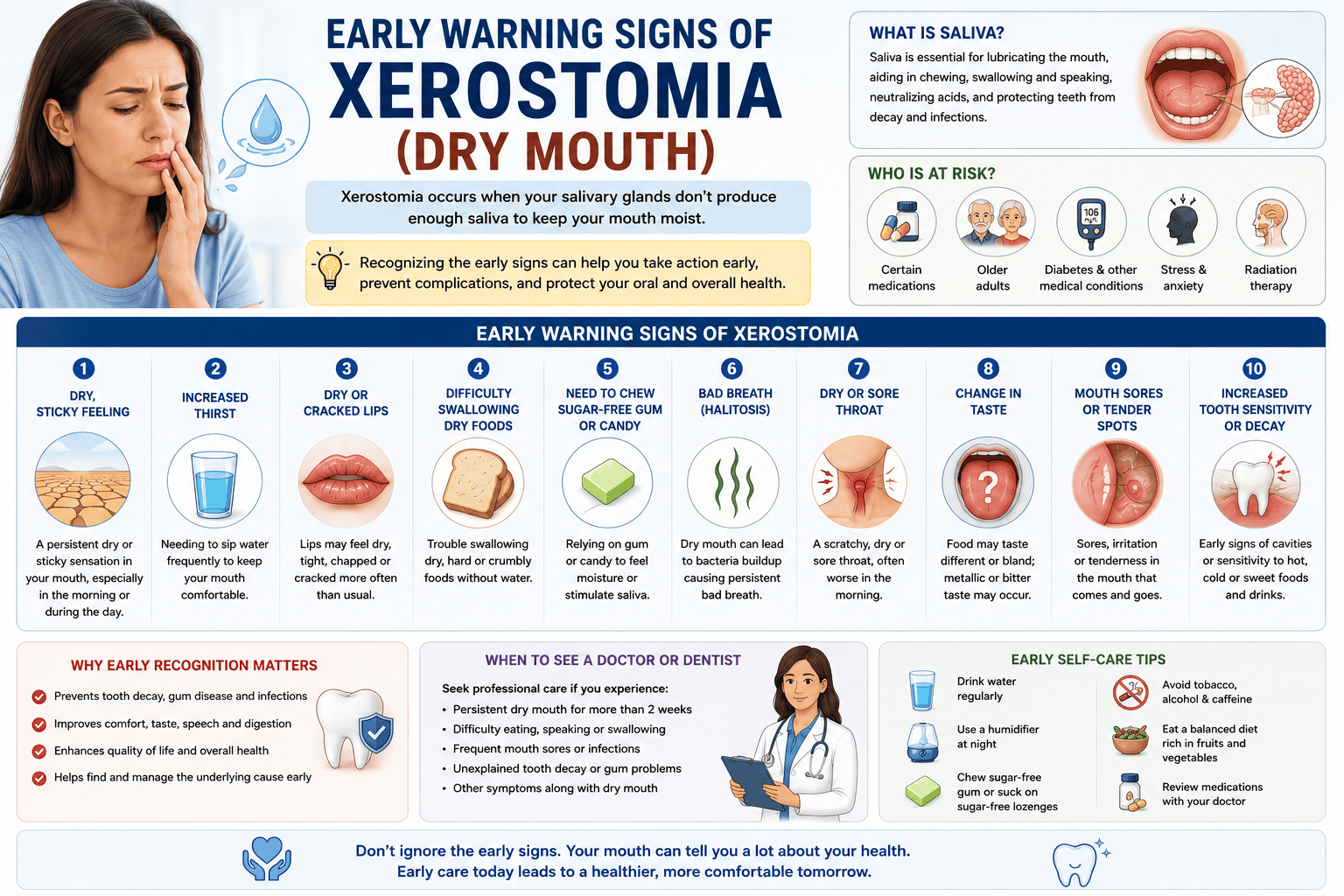
Observing initial changes in oral comfort and health provides an opportunity for early intervention. You might first notice a persistent sticky, dry feeling in your mouth, especially upon waking or after speaking for extended periods. This initial discomfort often precedes more noticeable oral health problems, making early recognition valuable. Difficulty swallowing, particularly dry foods, or a persistent sore throat can also indicate reduced saliva flow. Saliva plays a crucial role in lubricating food and initiating digestion, so its absence makes mastication and deglutition more challenging. Pay attention to changes in how easily you can consume various textures of food. A noticeable change in your sense of taste, or dysgeusia, is another common early symptom of xerostomia. Food may taste bland, metallic, or simply “off,” impacting your enjoyment of meals and potentially leading to poor nutrition. This altered taste perception occurs because saliva is vital for dissolving taste molecules and transporting them to taste buds. The development of new or more frequent oral infections, like candidiasis (thrush) characterized by white patches on the tongue or inner cheeks, also serves as an early warning sign. Saliva contains antimicrobial properties, and a reduction in its flow compromises the mouth’s natural defenses against opportunistic pathogens. Increased incidence of cavities, especially at the gum line, also points to the lack of protective salivary buffering.
Conventional Approaches to Relief and Recovery from Dry Mouth
Standard medical protocols
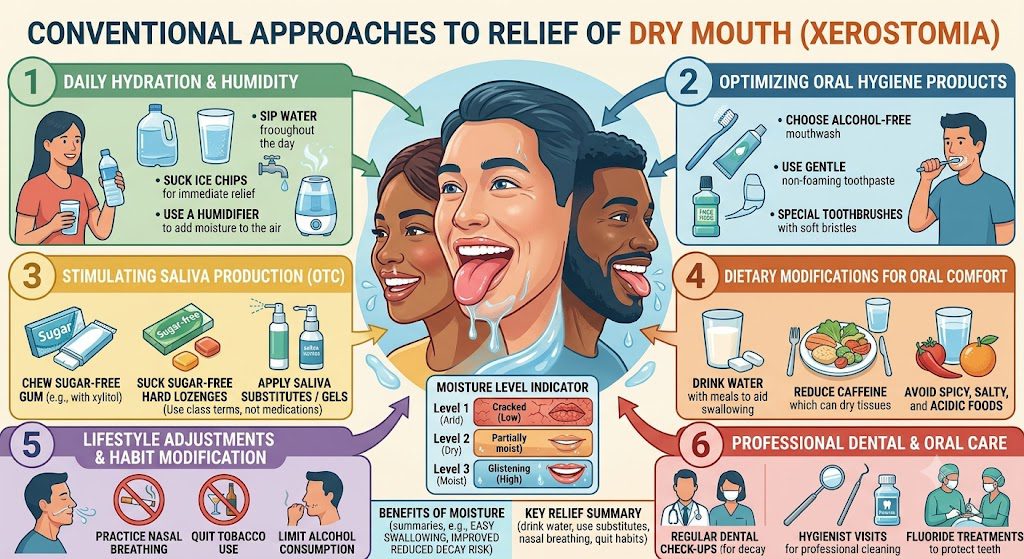
Addressing xerostomia often begins with a thorough review of your current medications, as many drugs list dry mouth as a common side effect. Your physician may suggest adjusting dosages or exploring alternative prescriptions to mitigate this issue, which can sometimes provide significant relief. Individuals often notice an improvement in symptoms after completing a medication review. Pharmacological interventions also play a role in managing symptoms, particularly when underlying causes are not easily reversible. You might be prescribed saliva substitutes, which are designed to mimic natural saliva and provide temporary moisture and lubrication to your oral cavity. These products come in various forms, including sprays, gels, and lozenges, offering flexibility in how you manage your discomfort throughout the day. Specific medications, known as sialogogues, can stimulate your salivary glands to produce more saliva. Pilocarpine and cevimeline are two such prescription drugs commonly used for this purpose, particularly in cases where salivary gland function is still present but diminished. These agents work by activating muscarinic receptors, which increases saliva flow and helps relieve persistent dryness.
Professional management of symptoms
Dental professionals can provide tailored advice and treatments to help you manage dry mouth effectively. You might receive recommendations for specific oral hygiene products, such as toothpastes and mouthwashes formulated for dry mouth sufferers, which are often free of harsh detergents like sodium lauryl sulfate, a known irritant. These products help protect your teeth and gums from the increased risk of decay and infection associated with reduced saliva. Regular dental check-ups become even more critical when you experience xerostomia, as the lack of saliva increases your susceptibility to cavities, gum disease, and oral thrush. Your dentist can apply fluoride varnishes or prescribe high-fluoride toothpastes to strengthen your tooth enamel and reduce decay. They can also monitor for and treat any developing infections promptly, preventing more serious complications. Nutritional counseling can also be part of your professional management plan. You may receive guidance on avoiding foods and beverages that exacerbate dry mouth, such as highly acidic, sugary, or dry and crumbly items. Instead, you will be encouraged to incorporate more hydrating foods and maintain consistent water intake throughout the day to support overall oral moisture and comfort. Your dentist might also suggest specific techniques to stimulate saliva flow naturally, such as chewing sugar-free gum or sucking on sugar-free candies. These actions can help activate your salivary glands, providing a temporary but effective way to moisten your mouth and reduce discomfort between meals or while speaking.
Natural and Holistic Interventions for Dry Mouth Treatment
Botanical and lifestyle-based solutions
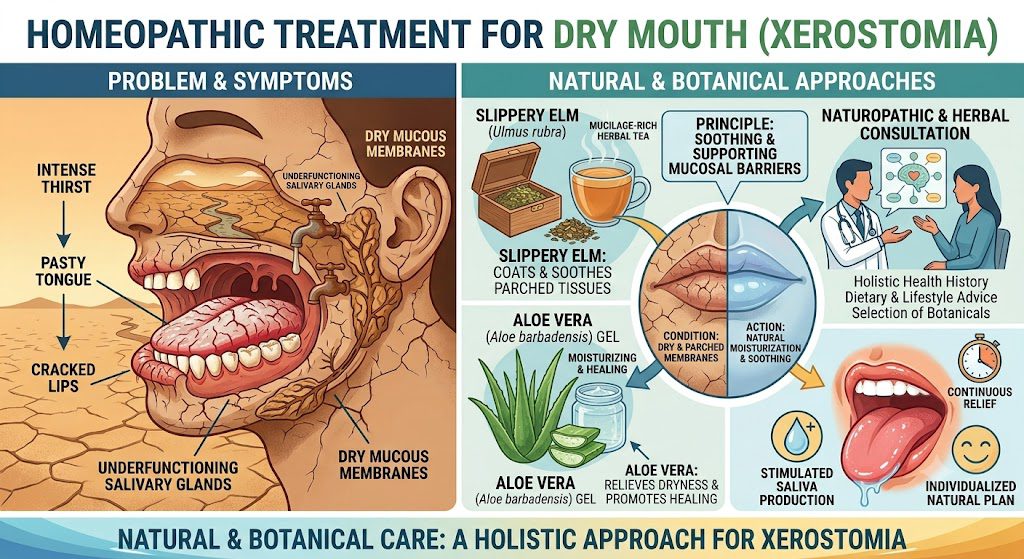
Exploring natural remedies for dry mouth can provide significant relief for many individuals. You might find that certain botanical extracts, for instance, have properties that stimulate saliva production or offer a soothing effect on irritated oral tissues. Consider incorporating specific herbs known for their mucilaginous qualities, which can help coat and protect the oral mucosa. Lifestyle adjustments also play a critical role in managing xerostomia. Maintaining adequate hydration throughout the day is paramount; frequently sipping water, even small amounts, can help keep your mouth moist. Avoiding dehydrating beverages, such as those high in caffeine or alcohol, will further support your efforts to combat dry mouth symptoms. You can also integrate dietary changes to support oral moisture. Chewing sugar-free gum or sucking on sugar-free candies, especially those containing xylitol, can stimulate salivary flow. Including foods with a high water content, like fruits and vegetables, contributes to overall hydration and can alleviate discomfort.
Integrating holistic wellness practices for dry mouth
Holistic wellness practices extend beyond immediate symptom relief, addressing the broader physiological and psychological factors contributing to dry mouth. Stress reduction techniques, for example, can be particularly beneficial, as stress is often a contributing factor to reduced salivary flow. Practicing mindfulness meditation or deep breathing exercises can help regulate your body’s stress response. Acupuncture, as discussed in previous sections, offers a targeted approach to stimulating salivary glands and has shown promise in increasing saliva production for some individuals. Seeking a qualified practitioner for this ancient therapy can provide an alternative or complementary path to managing your symptoms. Homeopathic remedies, while often individualized, also present a natural avenue for oral comfort, aiming to restore balance within the body. These remedies are typically chosen based on your specific symptoms and overall constitutional profile, providing a personalized natural remedy for dry mouth. Engaging with a homeopathic professional can help identify the most appropriate dry-mouth remedies for your unique situation.
Acupuncture for Salivary Gland Stimulation and Relief for Dry Mouth
Traditional Chinese Medicine techniques
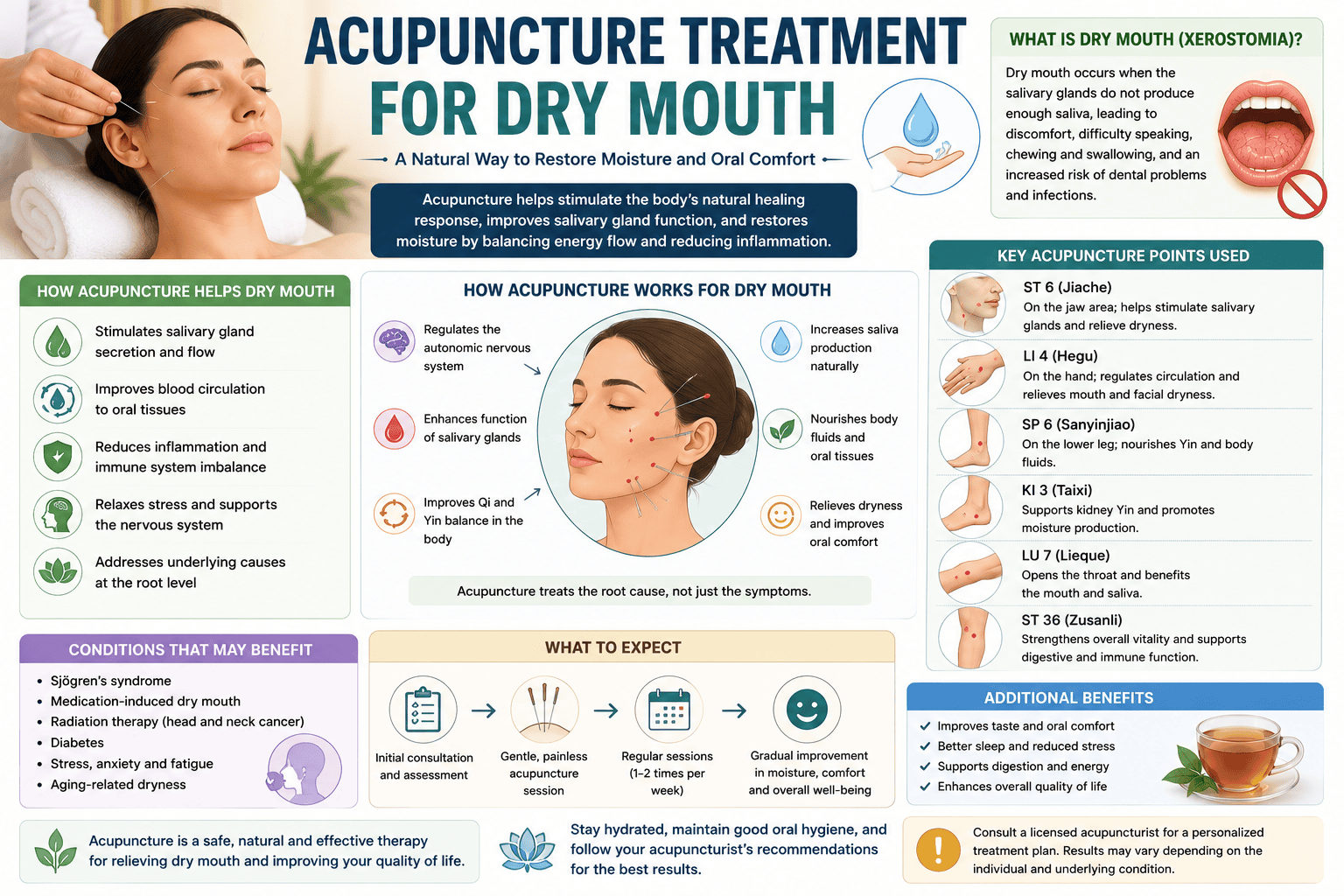
Traditional Chinese Medicine (TCM) offers a distinct perspective on dry mouth, viewing it often as a manifestation of underlying imbalances within the body’s energy systems. Practitioners identify specific acupuncture points believed to influence fluid metabolism and stimulate salivary gland function. These points are frequently located along meridians associated with the spleen, kidney, and stomach, organs considered integral to the production and distribution of bodily fluids. Fine needles are inserted into these carefully selected points, aiming to restore the harmonious flow of Qi, or vital energy. This restoration of balance is thought to impact the salivary glands directly, encouraging increased production of saliva. Your individualized treatment plan will depend on a thorough diagnosis, considering your overall health and specific patterns of disharmony identified by the practitioner. Sessions typically last between 20 and 30 minutes, during which you rest comfortably while the needles are in place. Many individuals report a sense of relaxation during and after treatment, which can also contribute to overall well-being and a reduction in stress, a factor that can sometimes exacerbate dry mouth symptoms.
Efficacy of needle-based therapy
Acupuncture treatment for dry mouth has garnered attention as a complementary therapy, with numerous studies exploring its effectiveness. Research often focuses on objective measures, such as salivary flow rates, before and after a course of treatment. Patients frequently report subjective improvements in oral comfort, including a reduction in the sensation of dryness and improved ability to swallow. Clinical trials often compare acupuncture to placebo or conventional treatments, observing changes in both unstimulated and stimulated salivary flow. While individual responses can vary, a significant number of patients experience measurable increases in saliva production. This indicates a physiological response beyond mere symptom management, suggesting a direct impact on glandular function. The sustained benefits of acupuncture for dry mouth are also a point of investigation, with some studies tracking patients over several months post-treatment. Many individuals experience that a series of treatments can lead to lasting relief, reducing their reliance on palliative measures like artificial saliva. This needle-based therapy provides a non-pharmacological option for managing persistent xerostomia.
Homeopathic Remedies for Oral Comfort and Dry Mouth Relief
Principles of homeopathic medicine for xerostomia
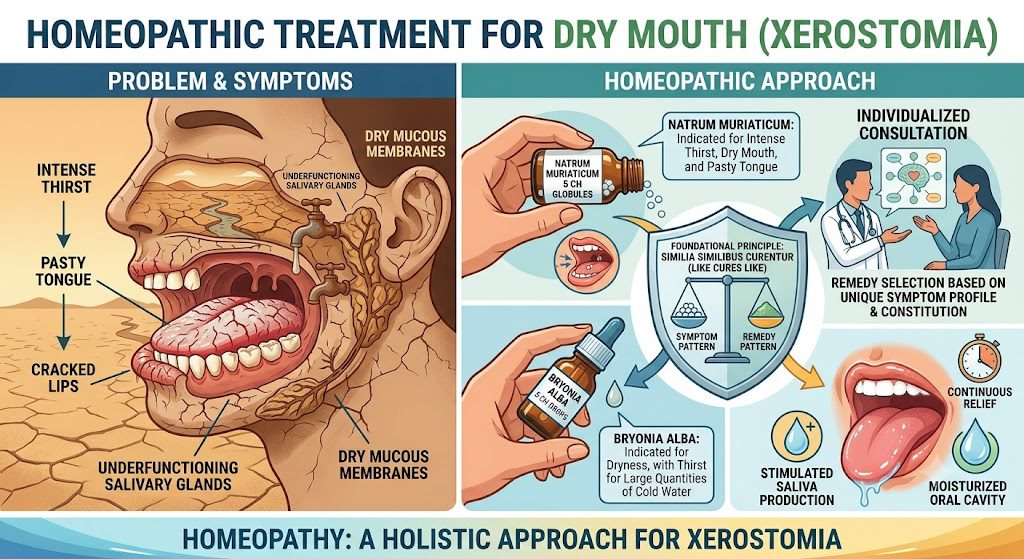
Homeopathy offers a personalized approach to addressing xerostomia, focusing on the individual’s unique symptom presentation rather than a one-size-fits-all treatment. This system of medicine operates on the principle of “like cures like,” where highly diluted substances that would cause symptoms in a healthy person are used to stimulate the body’s healing response in someone experiencing similar symptoms. The aim is to restore balance and stimulate the body’s inherent ability to produce saliva naturally. When considering homeopathic remedies for dry mouth, a practitioner will conduct a thorough intake, gathering details about the quality of your dryness, accompanying sensations, and any aggravating or ameliorating factors. For instance, you might describe a sticky, stringy dryness, or perhaps a sensation of your tongue adhering to the roof of your mouth. These specific characteristics guide the selection of the most appropriate remedy. The extremely diluted nature of homeopathic preparations minimizes the risk of side effects, making them a gentle option for individuals seeking alternative or complementary treatments. These remedies are prepared through a process of serial dilution and succussion (vigorous shaking), which homeopaths believe imprints the energetic properties of the original substance into the diluent.
Selecting specific homeopathic preparations
Choosing the correct homeopathic preparation for xerostomia depends entirely on the specific symptoms you experience. For example, if you suffer from a dry mouth with a metallic taste and a constant urge to swallow, *Mercurius solubilis* might be indicated. This remedy is often considered when there is also excessive salivation at night or a very offensive breath. Another commonly used remedy, *Nux moschata*, addresses extreme dryness of the mouth and throat where there is little or no thirst, even with a parched feeling. This particular remedy is often suitable for individuals whose dry mouth is worse during sleep or from mental exertion and who might also experience drowsiness. Your unique combination of symptoms, including the presence or absence of thirst, guides the selection process. Should your dry mouth be accompanied by a burning sensation and an unquenchable thirst for small, frequent sips of water, *Arsenicum album* could be a suitable choice. This remedy often applies when the dryness is worse at night, particularly after midnight, and is associated with restlessness or anxiety. Consulting with a qualified homeopathic practitioner ensures the precise matching of your individual symptom profile to the most effective remedy.
Summing up
Managing xerostomia effectively requires a multi-pronged strategy, as you have seen. You can achieve significant relief by addressing the underlying cause of your dry mouth, whether it stems from medication side effects, systemic diseases like Sjögren’s syndrome, or lifestyle factors. For instance, if a particular medication is the culprit, discussing alternative prescriptions with your physician can often mitigate symptoms without compromising your primary health goals. Your daily habits, such as maintaining adequate hydration and avoiding irritants like tobacco and excessive caffeine, also play a substantial role in maintaining oral moisture.
You have numerous options for symptomatic relief beyond just addressing the root cause. Over-the-counter solutions, including artificial saliva sprays and oral rinses specifically designed for dry mouth, can provide immediate, albeit temporary, comfort. Products containing xylitol, a natural sugar alcohol, are particularly beneficial because they stimulate saliva production and help prevent tooth decay, a common complication of reduced saliva flow. Exploring these readily available resources can significantly improve your daily comfort and oral health.
Considering holistic and complementary therapies can further enhance your management plan. Acupuncture, for example, has shown promise in stimulating salivary gland function for some individuals, offering a natural way to increase saliva production. Certain homeopathic remedies, selected based on your specific symptoms and overall constitution, may also alleviate oral discomfort and dryness. You gain a more comprehensive and personalized approach to managing xerostomia by integrating these diverse strategies into your routine.
FAQ

Q: What exactly is xerostomia?
A: Xerostomia, commonly known as dry mouth, describes a condition where the salivary glands do not produce enough saliva to keep the mouth moist. This is not a disease itself but rather a symptom of an underlying condition or a side effect of certain medications or treatments. A persistent feeling of dryness can significantly impact oral health and overall quality of life.
Q: What are the primary causes of dry mouth?
A: Many factors can contribute to dry mouth. Common causes include side effects from over 500 medications, such as antihistamines, decongestants, pain relievers, diuretics, and antidepressants. Certain diseases and infections, like Sjögren’s syndrome, HIV/AIDS, Alzheimer’s disease, diabetes, and Parkinson’s disease, can also impair salivary gland function. Radiation therapy to the head and neck, as well as chemotherapy, frequently leads to xerostomia, sometimes permanently damaging the salivary glands. Nerve damage in the head or neck can also disrupt saliva production.
Q: What are the common symptoms of xerostomia beyond just a dry feeling?
A: Beyond the immediate sensation of dryness, individuals with xerostomia often experience a sticky, dry feeling in the mouth, frequent thirst, and sores or split skin at the corners of the mouth. They might also notice a dry, rough tongue, difficulty speaking, tasting, chewing, or swallowing, and a burning or tingling sensation in the mouth. Bad breath (halitosis) is a common complaint, as saliva plays a crucial role in washing away food particles and neutralizing acids.
Q: How does dry mouth affect oral health?
A: Saliva is vital to sustaining oral health. It helps wash away food particles, neutralizes acids produced by bacteria, and contains enzymes that aid in digestion. Without sufficient saliva, the risk of tooth decay (cavities) increases significantly because food particles and bacteria linger longer and diminish the natural protective mechanisms. Individuals may also experience gum disease, mouth sores, yeast infections (thrush), and difficulty wearing dentures.
Q: Can lifestyle changes help alleviate dry mouth symptoms?
A: Several lifestyle adjustments can offer relief. Sipping water or sugar-free drinks regularly throughout the day helps keep the mouth moist. Chewing sugar-free gum or sucking on sugar-free chewy candies stimulates saliva flow. Avoiding caffeine, alcohol, and tobacco products, all of which can be dehydrating, is also beneficial. Using a humidifier at night can help, especially if mouth breathing is an issue. Breathing through the nose instead of the mouth can also reduce dryness.
Q: What are some holistic treatment options for xerostomia?
A: Holistic approaches focus on stimulating natural saliva production and addressing underlying imbalances. Acupuncture, for instance, has shown promise in stimulating salivary glands and increasing saliva flow, particularly for patients undergoing radiation therapy. Certain herbal remedies, such as marshmallow root or slippery elm, can provide a soothing coating to the mouth and throat. Homeopathic treatments, tailored to individual symptoms, aim to restore the body’s natural balance and improve salivary function. Consulting with a practitioner experienced in these modalities can help determine the most appropriate course of action.
Q: How can acupuncture specifically help with dry mouth?
A: Acupuncture targets specific points on the body, often around the face and neck, to stimulate the salivary glands. Fine needles are inserted into these points, which practitioners believe can increase blood flow to the glands and promote nerve activity, leading to increased saliva production. This method has been particularly explored in cases of radiation-induced xerostomia, where conventional treatments may have limited efficacy. A typical course of treatment might involve several sessions over a few weeks, with effects often becoming noticeable after the initial treatments.
Homeopathic Doctor Near Me
If you are a fan of homeopathic medicine, live in the City of Brotherly Love, and are looking for homeopathic doctors in Philadelphia, our clinic would be your best choice. The Philadelphia Homeopathic Clinic was founded and developed by one of the most famous homeopathic doctors, Victor Tsan. Victor Tsan has over 40 years of academic and clinical experience treating patients with homeopathic remedies. “I don’t have simple medical cases,” Victor Tsan says; “my patients usually underwent all possible traditional treatments with no success before visiting our clinic.” Each patient in my clinic is different, and the approach to treatment must be individualized and customized for every patient.
For more details about our clinic and to book an appointment with Victor Tsan, contact us at (267) 403-3085.