Sleep Disorders
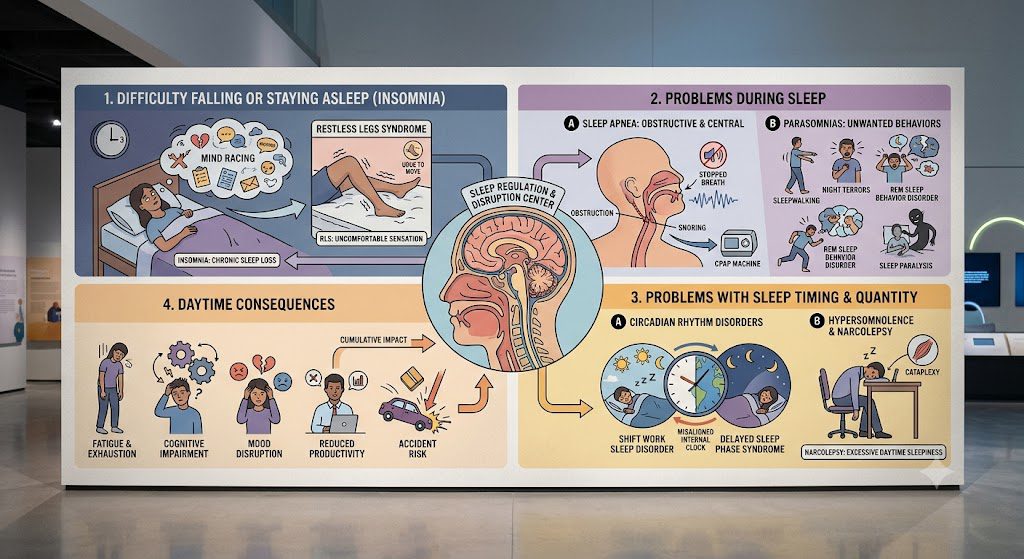
Sleep disorders are conditions that stop your normal sleep patterns. Common examples include insomnia , sleep apnea , and restless legs syndrome . They can hurt your health, mood, and daily focus. While some people who experience daytime fatigue have a real sleep condition, others just don’t get enough sleep. Your age, lifestyle, health, and sleep habits all affect how much sleep you require. Most adults require seven to nine hours every night. Your physical and mental well-being depend on getting adequate sleep.
Takeaways:
- The majority of humans require seven to eight hours of sleep per night.
- According to the Centers for Disease Control and Prevention, one in three adult Americans say they routinely get less than seven hours of sleep each night.
- According to CDC data from 2017, two out of three high school kids say they sleep fewer than eight hours per night.
- Numerous immediate and long-term issues might result from getting too little sleep.
- The National Institute of Neurological Disorders and Stroke estimates that at least 40 million Americans suffer from a chronic sleep disturbance.
- Sleep disorders encompass a wide spectrum of conditions, with insomnia being the most common, affecting approximately 30% of adults at some point in their lives, while conditions like sleep apnea, restless legs syndrome, narcolepsy, and parasomnias each present distinct physiological and neurological disruptions requiring targeted diagnostic approaches.
- Circadian rhythm sleep disorders, including delayed sleep phase disorder and shift work sleep disorder, result from misalignment between internal biological clocks and external schedules, often exacerbated by artificial light exposure, irregular work patterns, and travel across time zones.
- REM sleep behavior disorder (RBD) represents a parasomnia characterized by the loss of normal muscle atonia during REM sleep, causing individuals to physically act out their dreams, which can serve as an early marker for neurodegenerative conditions in some patients.
- The etiology of sleep disorders involves multiple predisposing factors, including genetic vulnerability, chronic stress, hormonal imbalances, medication side effects, underlying medical conditions, and lifestyle habits such as caffeine consumption and screen time before bed.
- Holistic treatment frameworks prioritize comprehensive assessment of sleep hygiene, stress management, nutritional status, and physical activity levels before introducing pharmacological interventions, recognizing that sustainable improvement often requires addressing multiple contributing factors simultaneously.
- Homeopathic remedies for sleep disorders include individualized prescriptions based on constitutional assessment, with practitioners selecting from substances like Coffea cruda for racing thoughts, Nux vomica for stress-related insomnia, and Arsenicum album for anxiety-driven sleep disruption, though evidence for efficacy remains limited in controlled trials.
- Acupuncture for sleep disorders targets specific meridian points to regulate the nervous system and promote relaxation, with treatment protocols typically involving weekly sessions over several months, often combined with herbal medicine, meditation practices, and dietary modifications for optimal results.
Primary Sleep Disorders and Clinical Presentations
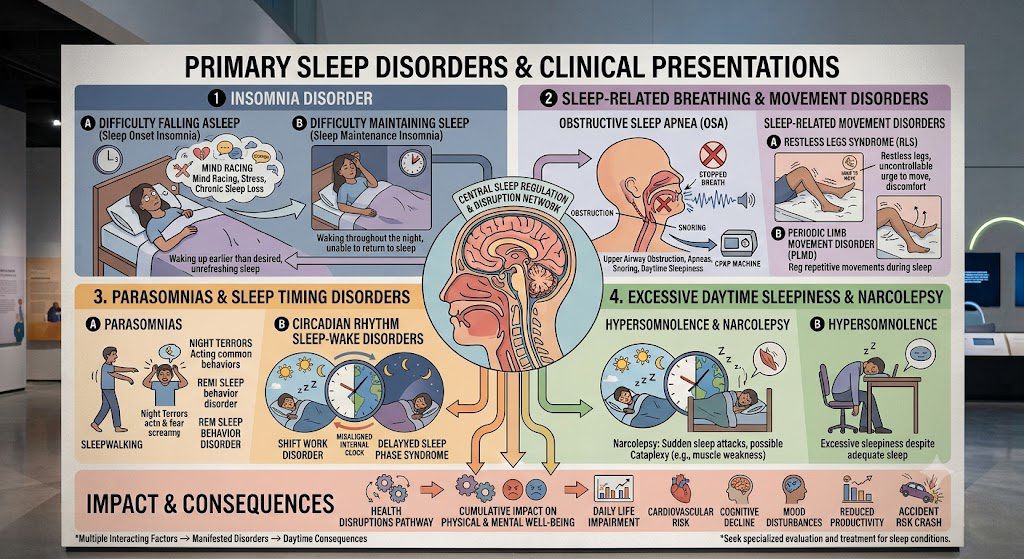
Your understanding of primary sleep disorders begins with recognizing the distinct patterns and symptoms that characterize each condition. Insomnia stands as the most common sleep disorder, affecting your ability to fall asleep, stay asleep, or achieve restorative rest despite adequate opportunity. Sleep apnea disrupts your breathing during sleep, causing repeated pauses that fragment rest and reduce oxygen levels throughout the night. Restless Legs Syndrome (RLS) creates uncomfortable sensations in your legs, typically worsening during periods of inactivity and compelling you to move them for relief. Narcolepsy affects your brain’s ability to regulate sleep-wake cycles, leading to excessive daytime sleepiness and sudden sleep attacks that can occur without warning.
Prevalence and Impact of Insomnia
Insomnia manifests in your life through difficulty initiating sleep, maintaining continuous sleep, or waking too early without the ability to return to rest. The disorder presents in both acute and chronic forms, with acute insomnia lasting days to weeks in response to stress or life changes, while chronic insomnia persists for at least three nights per week over three months or longer. Your experience with insomnia may include lying awake for extended periods, frequent nighttime awakenings, or early morning arousal that leaves you feeling unrefreshed. The condition often coexists with other health issues, creating a bidirectional relationship where poor sleep worsens underlying conditions and those conditions further impair sleep quality.
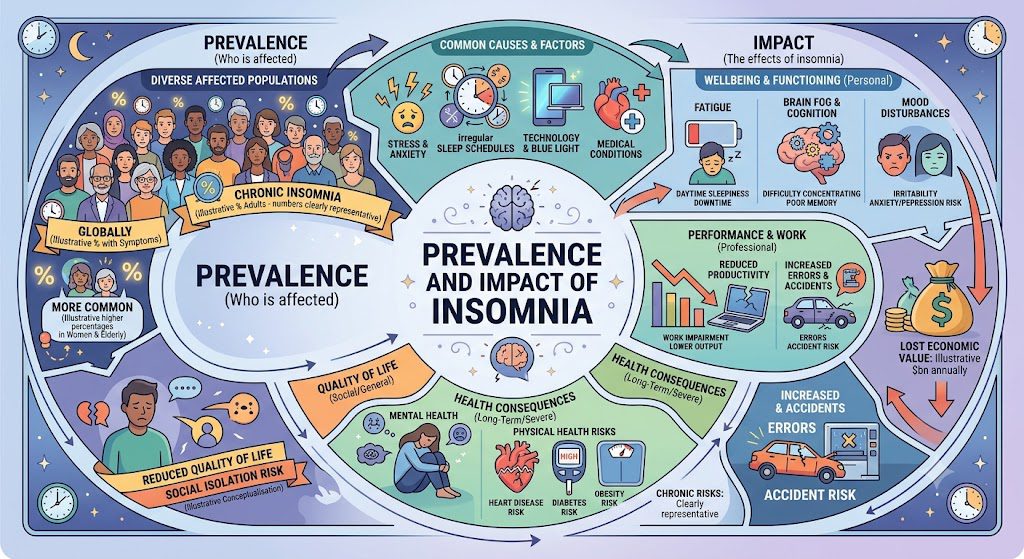
Physical and mental health consequences accumulate when you experience persistent insomnia. Your cognitive performance declines, affecting memory consolidation, decision-making abilities, and reaction times during daily activities. Mood disturbances become more pronounced, with increased irritability, anxiety, and depressive symptoms emerging as sleep debt grows. Cardiovascular strain develops through elevated blood pressure and altered metabolic function, while your immune system weakens and becomes less effective at fighting infections. Work productivity suffers as concentration lapses and fatigue interfere with task completion, and your relationships may deteriorate due to mood changes and reduced social engagement.
Treatment resistance often develops when you rely solely on conventional approaches without addressing underlying behavioral patterns. Your sleep environment, pre-bedtime routines, and thought patterns about sleep all contribute to the perpetuation of insomnia beyond its initial trigger. The condition affects people across all age groups, though presentation varies with developmental stage and life circumstances. Women experience higher rates than men, particularly during hormonal transitions such as pregnancy and menopause. Your occupation, stress levels, and use of electronic devices before bedtime further influence both the onset and severity of symptoms. 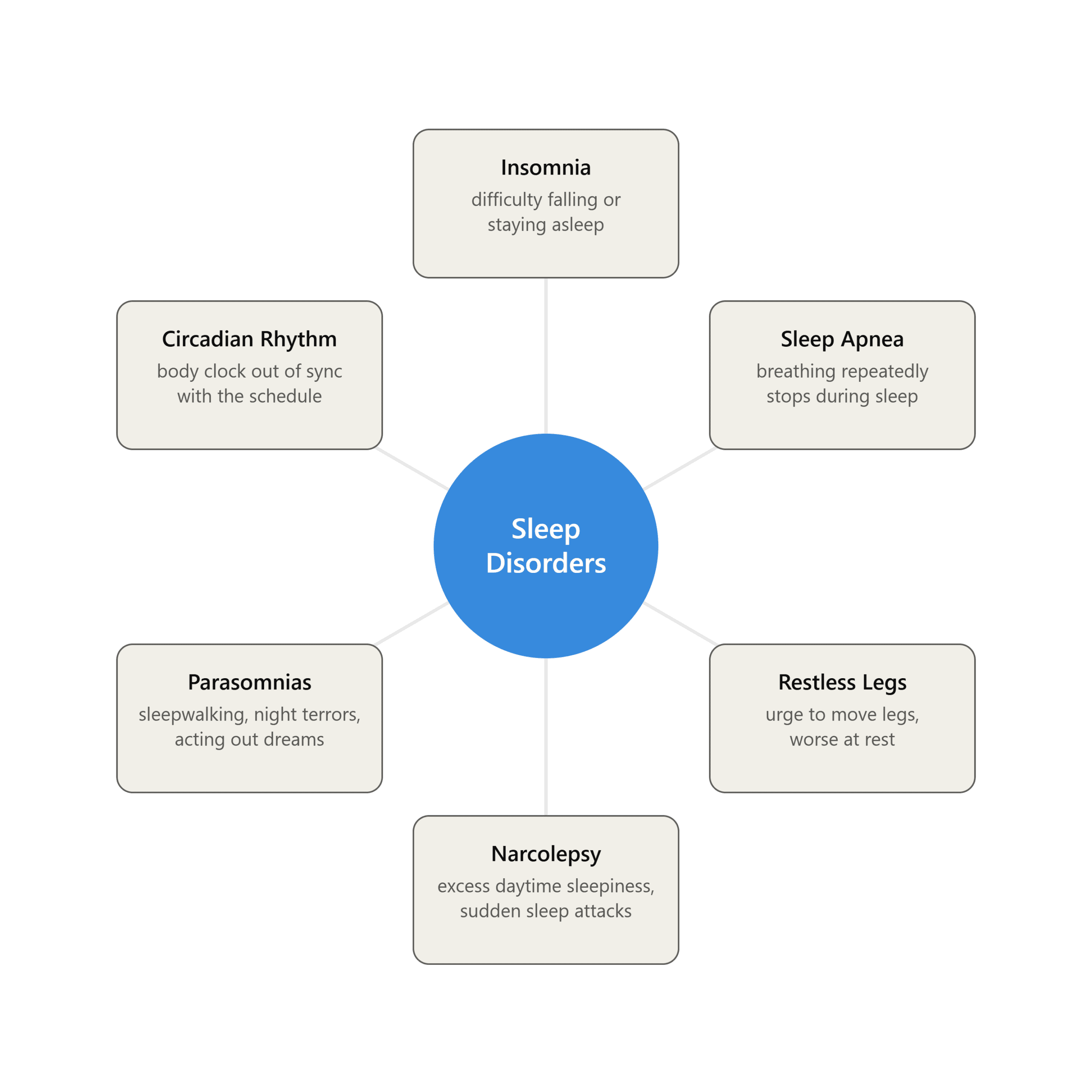
Respiratory and Neurological Sleep Conditions
Sleep apnea interrupts your breathing through two primary mechanisms: obstructive events, where throat tissues collapse and block airflow, or central events, where your brain fails to signal respiratory muscles properly. Obstructive sleep apnea (OSA) represents the more common form, occurring when soft tissues in your throat relax excessively during sleep and obstruct the airway. Your body responds to these breathing pauses with brief arousals that restore airflow but fragment sleep architecture, preventing you from reaching deeper, more restorative sleep stages. Snoring, gasping, and choking sounds often accompany these episodes, though you may remain unaware of the disruptions while bed partners observe the pattern clearly.
Restless Legs Syndrome creates sensory disturbances that you experience as crawling, tingling, or aching sensations deep within your leg muscles. The symptoms intensify during evening hours and periods of rest, making it difficult for you to relax sufficiently for sleep onset. Moving your legs provides temporary relief, but the urge returns once movement stops, creating a cycle that delays sleep and causes frequent nighttime awakenings. Your RLS may worsen with certain medications, iron deficiency, or pregnancy, and the condition often runs in families, suggesting genetic predisposition plays a role in susceptibility.
Narcolepsy disrupts your sleep-wake regulation by causing dysfunction in hypocretin-producing neurons in the hypothalamus. Your symptoms extend beyond excessive daytime sleepiness to include cataplexy (sudden muscle weakness triggered by emotions), sleep paralysis, and hypnagogic hallucinations that occur during transitions between wakefulness and sleep. Type 1 narcolepsy involves cataplexy and low hypoc
Circadian Rhythm and Environmental Disruptions
Your body’s internal clock operates on a roughly 24-hour cycle, governing when you feel alert and when you naturally become drowsy. Circadian rhythm sleep disorders occur when this biological timekeeper falls out of sync with your external environment, creating a persistent mismatch between your desired sleep schedule and your actual sleep-wake pattern. This misalignment can stem from internal factors, such as genetic variations in clock genes, or external pressures like work schedules that conflict with your natural rhythms. The consequences extend beyond simple tiredness, affecting hormone production, metabolism, and cognitive function throughout your day.
Shift work sleep disorder affects those whose occupational schedules require them to be awake during typical sleep hours, forcing their bodies to function against deeply ingrained biological programming. Rotating shifts prove particularly challenging because your circadian system never fully adapts to one schedule before another rotation begins. Night shift workers often experience fragmented daytime sleep, as environmental cues like sunlight and social activity actively promote wakefulness even when you desperately need rest. The disorder manifests not only as chronic sleep deprivation but also as gastrointestinal problems, increased accident risk, and long-term health complications.
Delayed sleep phase disorder represents a different pattern, where your internal clock runs significantly later than conventional schedules demand. People with this condition cannot fall asleep until the early morning hours, regardless of how early they attempt to go to bed, and struggle profoundly to wake at times society considers normal. This is not a matter of poor discipline or preference; the delay reflects an actual shift in the timing of melatonin secretion and core body temperature changes that signal sleep readiness. Adolescents and young adults experience this condition most frequently, though it can persist throughout life if left unaddressed.
Occupational Impact of Shift Work
Employees working non-traditional hours face unique challenges that extend well beyond the workplace. Your performance on night shifts typically declines during the early morning hours when your circadian system reaches its lowest point, creating safety hazards in industries requiring sustained attention and quick decision-making. Studies examining transportation workers, healthcare professionals, and industrial employees have documented higher rates of workplace accidents and errors during overnight hours compared to daytime operations.
The health toll accumulates with each year of shift work, as your body never truly adjusts to sleeping during daylight hours. Chronic circadian misalignment contributes to metabolic dysregulation, with shift workers showing elevated rates of obesity, diabetes, and cardiovascular disease compared to day workers in similar occupations. Sleep quality remains compromised even when you allocate adequate time for rest, because daytime sleep is lighter, more fragmented, and shorter in duration than nighttime sleep.
Social isolation compounds the physical burden, as your work schedule places you out of phase with family routines, social gatherings, and community activities. Relationships suffer when you sleep while others are awake, and the constant need to choose between sleep and social connection creates ongoing stress. Many shift workers report feeling stuck between two worlds, unable to fully engage in either their work environment or their home life with the energy and presence both deserve.
Mechanics of Delayed Sleep Phase
The suprachiasmatic nucleus in your hypothalamus serves as the master pacemaker, coordinating peripheral clocks throughout your body through hormonal and neural signals. In delayed sleep phase disorder, this central timekeeper operates on a schedule that runs several hours behind the standard 24-hour cycle, causing your natural sleep onset to occur around 2:00 to 6:00 AM rather than the conventional 10:00 PM to midnight window. Your melatonin secretion begins later in the evening, and your core body temperature reaches its minimum point later in the sleep period, both indicating a fundamental shift in circadian timing.
Genetic factors play a significant role in this timing disorder, with variations in genes like PER3, CRY1, and CLOCK associated with evening chronotypes and delayed sleep patterns. These genetic differences affect how quickly your circadian system responds to light exposure and how long your natural day length extends. When you have delayed sleep phase disorder, morning light exposure (which should advance your clock) produces a weaker response than in typical sleepers, while evening light (which delays your rhythm) exerts a stronger influence. Your sleep drive and circadian alerting signal also interact differently.
Complex Parasomnias and REM-Related Disorders
Defining Parasomnia Behaviors
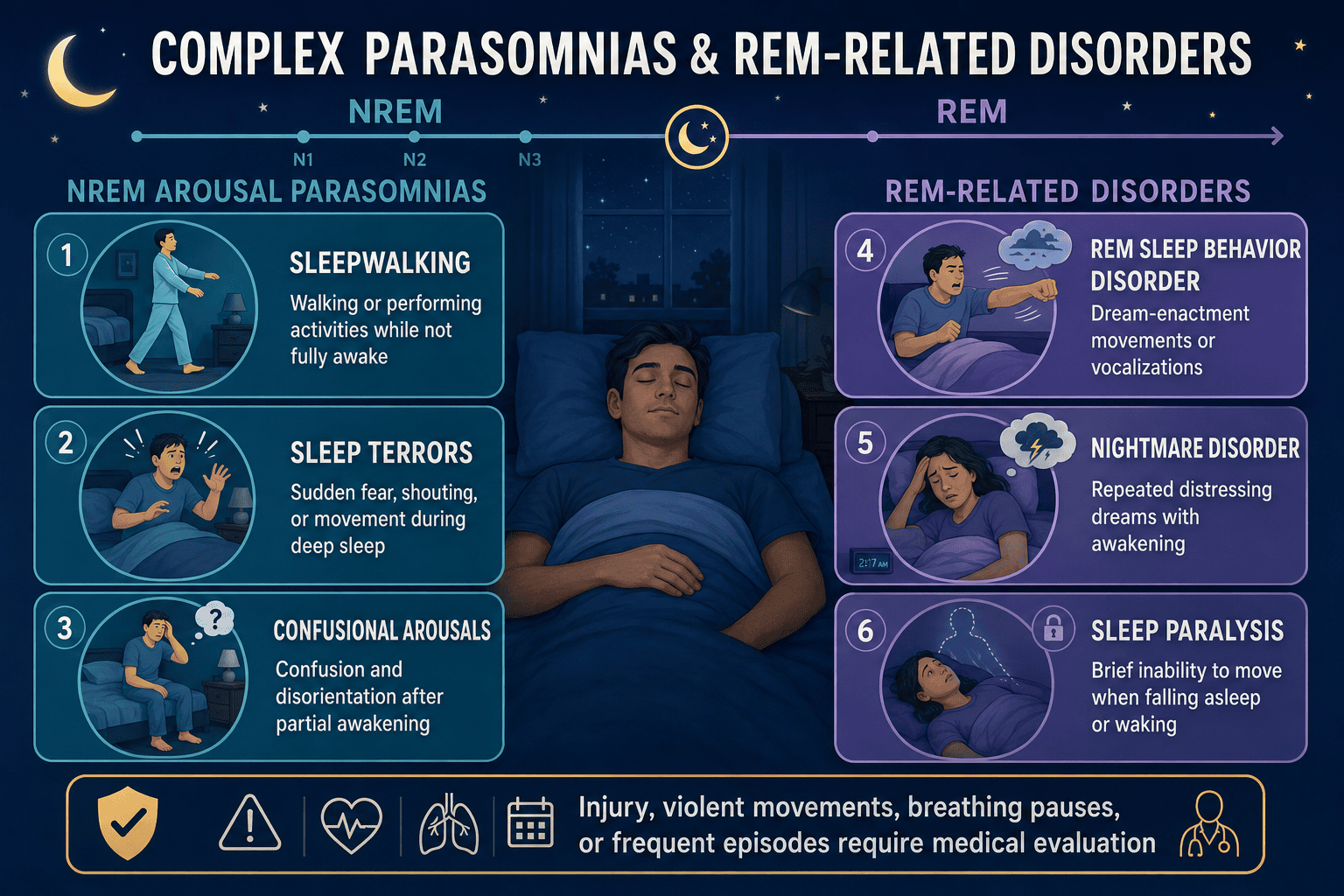
Parasomnias represent a distinct category of sleep disorders characterized by abnormal movements, behaviors, emotions, perceptions, or dreams that occur during transitions between sleep stages or within specific sleep phases. Unlike disorders that affect your ability to fall or stay asleep, these conditions involve unusual physical or experiential events that intrude into your sleep process. Your brain partially arouses during these episodes while your body remains in a sleep state, creating a dissociation between consciousness and physical control.
Categories of parasomnia include disorders of arousal from non-REM sleep, such as sleepwalking and night terrors, as well as REM-related parasomnias that occur during the dream stage of sleep. During non-REM parasomnias, you typically have no memory of the events upon waking, as your brain’s memory-forming regions remain in a sleep state. The timing of these episodes often corresponds to specific sleep stages, with non-REM parasomnias clustering in the first third of the night when deep sleep predominates.
Sleep-related eating disorder, confusional arousals, and sexsomnia fall under the parasomnia umbrella, each presenting unique behavioral patterns during sleep. Your risk for experiencing these disorders increases with sleep deprivation, irregular sleep schedules, certain medications, and genetic predisposition. Children experience parasomnias more frequently than adults, though many outgrow these conditions as their nervous systems mature.
Understanding RBD Sleep Disorder
REM sleep behavior disorder (RBD) stands apart from other parasomnias due to its occurrence during rapid eye movement sleep, when your brain typically paralyzes voluntary muscles to prevent dream enactment. In RBD sleep disorder, this protective mechanism fails, allowing you to physically act out vivid, often violent or action-packed dreams. Your movements during these episodes can range from simple hand gestures to complex behaviors like punching, kicking, or leaping from bed, potentially causing injury to yourself or your bed partner. 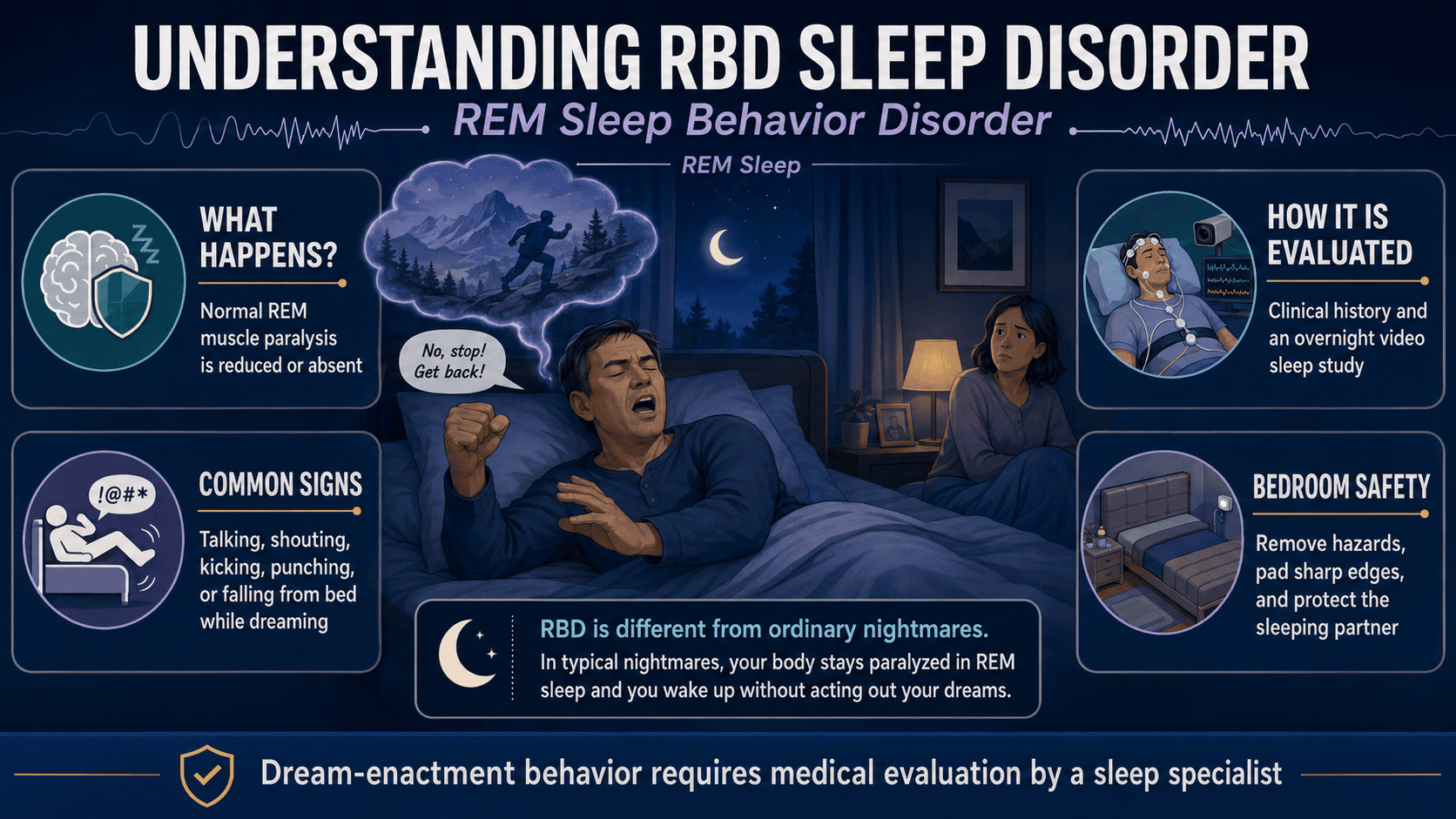
Dream content in RBD frequently involves themes of being attacked, chased, or defending against threats, prompting defensive or aggressive physical responses. When awakened during an episode, you can usually recall the dream that corresponded to your physical actions, distinguishing RBD from non-REM parasomnias where dream recall is absent. The disorder affects approximately 0.5% of the general population, with higher prevalence in older adults, particularly men over age 50.
Diagnosis of RBD sleep disorder requires polysomnography to document REM sleep without atonia, which is the technical term for the loss of normal muscle paralysis during REM sleep. Your sleep study will reveal sustained or intermittent muscle tone during REM periods, often accompanied by limb movements or complex motor behaviors. Video recording during the sleep study captures the physical manifestations of dream enactment, providing visual confirmation of the disorder.
RBD carries significant clinical importance beyond its immediate symptoms, as it frequently serves as an early marker for neurodegenerative conditions. Research has established strong associations between RBD and synucleinopathies, a group of neurological disorders that includes Parkinson’s disease, dementia with Lewy bodies, and multiple system atrophy. Your neurologist may recommend regular monitoring if you receive an RBD diagnosis, as the disorder can precede the onset of these conditions by several years or even decades.
Etiology and Predisposing Factors
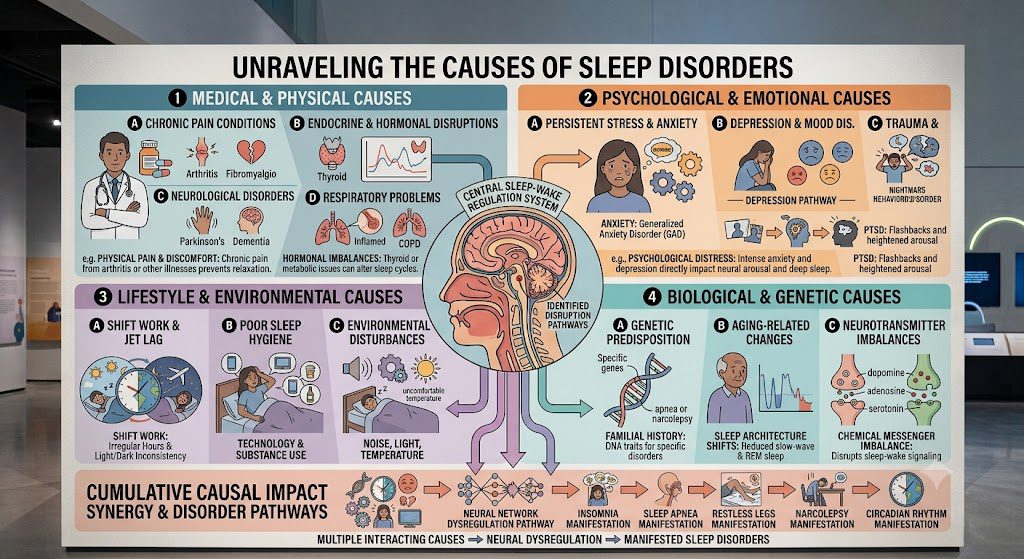
Sleep disorders arise from a complicated interaction between genetic, environmental, and physiological factors that disrupt your body’s natural sleep-wake mechanisms. Numerous internal and external influences can throw your circadian rhythm, which the suprachiasmatic nucleus in your hypothalamus controls, off balance. Genetic predisposition is important in conditions like narcolepsy, where certain human leukocyte antigen (HLA) variants make you more likely to lose hypocretin neurons. Neurological conditions that affect brain areas controlling sleep often show up as primary sleep disturbances, while endocrine disorders change hormone production patterns that control your sleep cycles.
Environmental factors exert powerful effects on your sleep architecture through light exposure, temperature fluctuations, and noise pollution. Your melatonin production responds directly to light wavelengths, with blue light from electronic devices suppressing this sleep-promoting hormone during evening hours. Shift work forces your internal clock to operate against its natural programming, leading to chronic misalignment between your biological rhythms and external demands. Medications, including corticosteroids, beta-blockers, and certain antidepressants, can interfere with neurotransmitter systems that regulate sleep stages, creating iatrogenic sleep disturbances.
Medical comorbidities contribute substantially to sleep disorder development, with conditions like chronic pain, respiratory diseases, and gastroesophageal reflux creating physical barriers to restorative sleep. Your autonomic nervous system dysfunction can trigger inappropriate arousal responses during sleep periods, fragmenting your sleep continuity. Substance use, including caffeine consumption beyond midday and alcohol intake before bedtime, alters your sleep structure by affecting gamma-aminobutyric acid (GABA) and adenosine receptor activity. Any combination of these factors can compound over time, transforming acute sleep difficulties into chronic, self-perpetuating disorders.
- Genetic variations affecting neurotransmitter systems and circadian clock genes
- Neurological and psychiatric conditions altering brain sleep centers
- Hormonal imbalances from thyroid dysfunction, menopause, or metabolic disorders
- Environmental disruptions including light pollution and temperature extremes
- Medication side effects and substance use patterns
- Chronic medical conditions creating physical discomfort or respiratory compromise
Any individual may experience multiple overlapping risk factors, making identification of the primary cause challenging without comprehensive clinical assessment.
Biological and Physiological Triggers
Your brain’s sleep-wake regulation depends on precise neurotransmitter balance, particularly involving serotonin, dopamine, norepinephrine, and orexin systems. Disruptions in these chemical messengers create cascading effects throughout your central nervous system, affecting both sleep initiation and maintenance. Orexin deficiency, which is typical of narcolepsy type 1, occurs when autoimmune destruction damages the hypothalamic neurons that produce this wakefulness-promoting peptide. Your brainstem and thalamus work together to create sleep spindles and slow-wave activity during non-REM sleep, and problems in these areas show up as changes in sleep architecture that can be seen on polysomnography.
Respiratory physiology directly impacts your sleep quality through oxygen saturation and carbon dioxide exchange mechanisms. Obstructive sleep apnea occurs when your upper airway collapses repeatedly during sleep, causing intermittent hypoxia that triggers cortical arousals and sympathetic nervous system activation. Your diaphragm and accessory respiratory muscles may weaken with neuromuscular diseases, creating hypoventilation during sleep when voluntary breathing control diminishes. Central sleep apnea reflects impaired brainstem respiratory drive, where your chemoreceptors fail to respond appropriately to blood gas changes during sleep periods.
Hormonal fluctuations throughout your lifespan create windows of vulnerability for sleep disturbances, particularly during puberty, pregnancy, and menopause. Your thyroid hormones influence metabolic rate and body temperature regulation, both critical for sleep onset and maintenance. Growth hormone secretion occurs predominantly during deep sleep stages, and disruption of this pattern affects your tissue repair and immune function. Cortisol dysregulation, whether from endogenous overproduction or exogenous steroids.
Standard Clinical Interventions for Sleep Disorders Management
Continuous positive airway pressure (CPAP) therapy remains the gold standard treatment for obstructive sleep apnea, delivering pressurized air through a mask to keep your airways open throughout the night. Your physician calibrates the pressure settings based on polysomnography results to ensure optimal therapeutic benefit. Compliance with CPAP therapy typically improves cardiovascular health, daytime alertness, and cognitive function within weeks of consistent use. Patients who struggle with traditional CPAP masks may benefit from alternative interfaces such as nasal pillows or oral appliances that reposition the jaw to maintain airway patency.
Pharmacological interventions for insomnia include benzodiazepine receptor agonists, melatonin receptor agonists, and orexin receptor antagonists, each targeting different aspects of sleep regulation. Your doctor selects medications based on whether you experience difficulty falling asleep, maintaining sleep, or both. Short-term use of sleep aids can break cycles of anxiety and sleep deprivation, though long-term reliance carries risks of tolerance and dependency. Prescription stimulants may be necessary for narcolepsy management, helping you maintain wakefulness during daytime hours while other interventions address nighttime sleep quality.
Cognitive behavioral therapy for insomnia (CBT-I) restructures the thoughts and behaviors that perpetuate sleep difficulties through techniques like stimulus control and sleep restriction. Your therapist guides you through exercises that strengthen the association between your bed and sleep while eliminating counterproductive habits. Sessions typically span six to eight weeks, during which you learn to challenge catastrophic thinking about sleeplessness and implement evidence-based strategies for improving sleep efficiency. Research demonstrates that CBT-I produces lasting benefits that often exceed those of medication alone, with improvements maintained years after treatment completion.
Integrative and Holistic Treatment Frameworks for Sleep Disorders
Effective management of sleep disorders requires a multifaceted approach that addresses both immediate symptoms and underlying physiological imbalances. Your treatment plan may incorporate pharmaceutical interventions, behavioral modifications, and complementary therapies tailored to your specific sleep disorder. Medical professionals typically begin with a comprehensive sleep study to identify the precise nature of your condition before recommending targeted interventions. Sleep medicine has evolved to recognize that sustainable recovery often demands more than single-modality treatment, particularly for chronic conditions that resist conventional approaches alone. 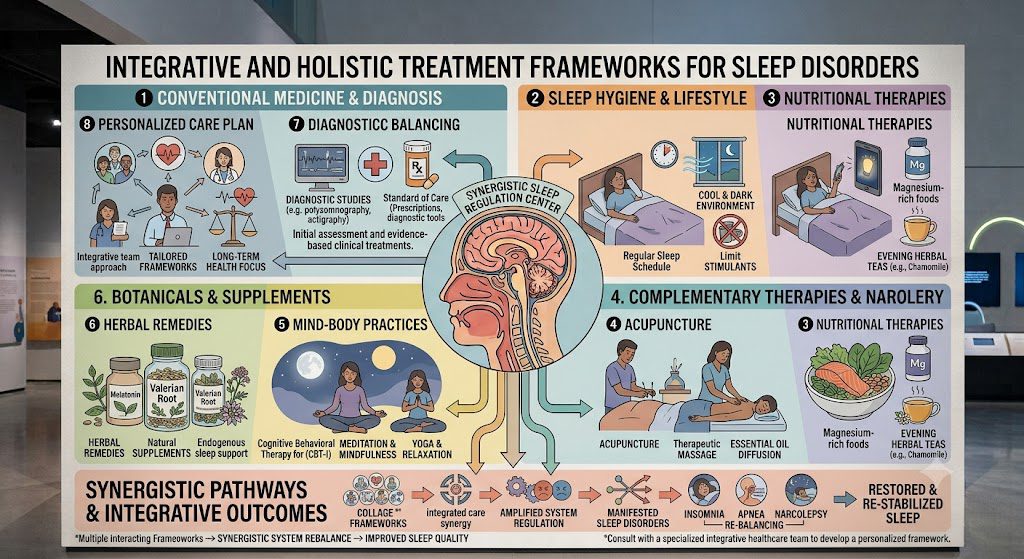
Combining evidence-based medical treatments with lifestyle adjustments creates a foundation for long-term improvement in sleep quality and duration. Your healthcare provider might recommend cognitive behavioral therapy for insomnia alongside pharmacological support, creating synergy between psychological and biological interventions. Sleep hygiene education forms a cornerstone of most treatment protocols, teaching you to optimize your bedroom environment, establish consistent sleep-wake schedules, and eliminate behaviors that interfere with natural sleep architecture. This integrated model acknowledges that sleep disorders rarely exist in isolation from other health conditions or lifestyle factors.
Holistic frameworks expand beyond symptom suppression to address the interconnected systems that regulate your circadian rhythms and sleep-wake cycles. Your treatment team might include sleep specialists, nutritionists, mental health professionals, and alternative medicine practitioners who collaborate to support your recovery. This comprehensive approach recognizes that factors such as stress management, physical activity patterns, dietary choices, and emotional well-being all influence your ability to achieve restorative sleep. Patients who engage with multiple treatment modalities often report more sustained improvements compared to those relying solely on medication or single-intervention strategies.
Principles of Holistic Recovery
Addressing sleep disorders through a holistic lens means examining how your entire lifestyle, environment, and psychological state contribute to sleep disturbances. Your recovery plan incorporates stress reduction techniques such as meditation, yoga, or progressive muscle relaxation to calm an overactive nervous system before bedtime. Nutritional interventions focus on eliminating stimulants, balancing blood sugar levels, and ensuring adequate intake of sleep-supporting nutrients like magnesium and tryptophan. Physical activity scheduling becomes strategic, with vigorous exercise completed several hours before sleep while gentle movement in the evening promotes relaxation without overstimulation.
Environmental optimization extends beyond basic sleep hygiene to include considerations of electromagnetic field exposure, air quality, and even the materials in your bedding and sleepwear. Your bedroom temperature, light exposure patterns, and noise levels all receive careful attention as you create conditions that support natural melatonin production and circadian rhythm alignment.
Homeopathic and Alternative Therapeutic Modalities
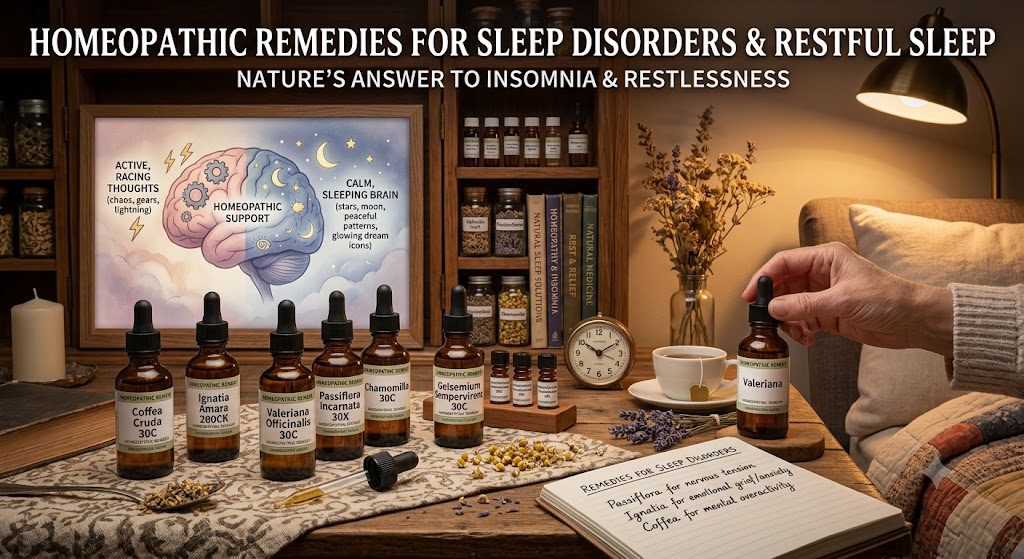
Homeopathic medicine offers individualized treatment protocols based on your specific sleep disturbance patterns and constitutional characteristics. Practitioners assess your unique symptom presentation, including the quality of sleeplessness, timing of wakefulness, and accompanying physical or emotional states. This personalized approach distinguishes homeopathy from conventional sleep medications that target symptoms uniformly across patient populations. Your treatment plan may incorporate single remedies or combination formulations, administered in various potencies depending on the chronicity and severity of your condition.
Classical homeopaths select remedies through detailed case-taking that examines not only your sleep complaints but also your overall health picture, temperament, and response to environmental factors. The selection process considers whether you experience difficulty falling asleep, maintaining sleep, or early morning awakening, along with any patterns related to stress, dietary habits, or seasonal changes. Your practitioner evaluates how your sleep disorder manifests within the context of your complete health profile rather than treating insomnia as an isolated symptom.
Integration of homeopathic care with other therapeutic modalities can provide comprehensive support for your sleep health. Practitioners may recommend adjustments to your sleep hygiene practices, dietary modifications, or stress management techniques alongside remedy prescriptions. The treatment duration varies based on how long you have experienced sleep difficulties and whether underlying chronic conditions contribute to your nighttime disturbances. Your response to remedies guides ongoing adjustments to potency, frequency, and remedy selection throughout the healing process.
Application of Homeopathic Remedies
Coffea cruda serves as a primary remedy when your mind races with thoughts and ideas that prevent sleep onset, particularly after experiencing excitement or receiving positive news. This remedy addresses the paradoxical state where mental overstimulation creates physical exhaustion yet prevents restful sleep. Your symptoms may include heightened sensitivity to noise, light, and external stimuli during nighttime hours. The remedy works on the principle of “like cures like,” using highly diluted coffee preparations to treat the sleeplessness that coffee itself can cause.
Nux vomica addresses sleep disturbances linked to overwork, excessive mental strain, and lifestyle factors, including irregular meal times or stimulant consumption. You might wake between 3 and 4 a.m., unable to return to sleep until just before your alarm sounds, then feel unrefreshed upon rising. This remedy suits those whose sleep problems stem from burning the candle at both ends, with digestive complaints often accompanying the insomnia. Your sleep pattern may improve within the first week of treatment, though constitutional changes require longer intervention periods.
Arsenicum album benefits you if anxiety and restlessness peak between midnight and 2 a.m., driving you from bed to check locks, adjust room temperature, or address perceived safety concerns. The remedy addresses the combination of physical restlessness and mental anxiety that characterizes this sleep pattern. Your symptoms may include a need for warmth despite restless movement and a tendency toward perfectionism or worry about health matters. Practitioners usually prescribe this remedy in 30C potency for acute episodes, while higher potencies are used for chronic constitutional treatment.
Hypnotherapy for Sleep Disorders
Hypnotherapy for sleep issues is known as sleep hypnosis. Making someone fall asleep during sleep hypnosis is not the aim of this technique. Rather, it aims to alter unfavorable sleep-related beliefs or behaviors so that a person can sleep better when hypnotherapy is finished. 
Sleep hypnosis can be used in conjunction with other forms of therapy. It can be used, for instance, in conjunction with cognitive behavioral therapy for insomnia (CBT-I), acupuncture treatment, and the homeopathic approach. In order to create healthier sleep-related practices, sleep hypnosis may help encourage changes in sleep hygiene.
Hypnotherapy for sleep disorders utilizes focused attention, deep relaxation, and positive suggestions to address underlying issues like anxiety and negative thought patterns that disrupt rest . It aims to reshape habits and cognitive arousal rather than force immediate unconsciousness during the session itself.
- Induction: The practitioner guides you into a calm, focused state using breathing or peaceful imagery.
- Suggestion: While deeply relaxed, your mind becomes more open to changing attitudes about sleep and bedtime.
- Posthypnotic Cues: You receive mental tools to naturally ease anxiety and promote better rest long after the session ends.
- Evidence: Studies show modest benefits, often helping people fall asleep faster, though large clinical trials remain limited.
- Integration: It works best when combined with standard habits like effective sleep hygiene or cognitive behavioral therapy for insomnia (CBT-I).
- Safety: Generally safe when practiced by a certified professional, but it should not replace medical evaluation for severe underlying conditions.
Efficacy of Acupuncture in Sleep Health
Acupuncture targets specific meridian points to regulate your nervous system function and restore natural sleep-wake cycles through neuromodulation. The insertion of fine needles at designated points influences neurotransmitter release, particularly serotonin and melatonin, which govern your circadian rhythm and sleep architecture. Traditional Chinese Medicine theory attributes sleep disorders to imbalances in organ systems, commonly involving the heart, liver, and kidney meridians. Your acupuncturist evaluates pulse quality, tongue characteristics, and symptom patterns to determine which energy pathways require rebalancing. 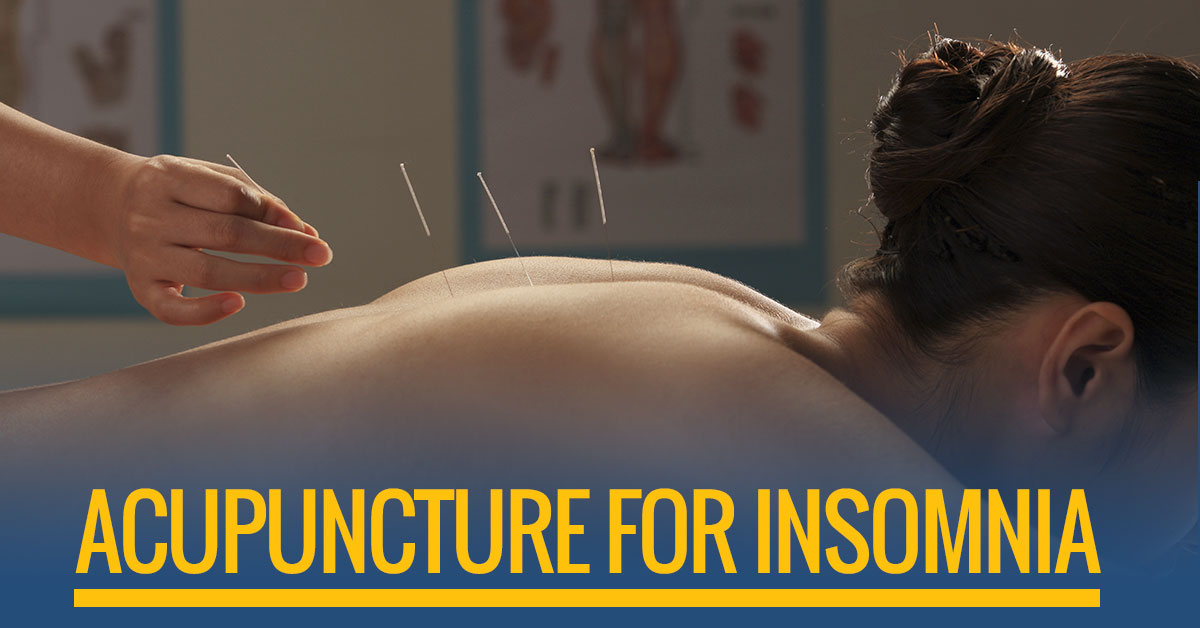
Treatment protocols typically involve weekly sessions over an initial period of four to eight weeks, with point selection varying based on your specific sleep complaint. Common acupoints for insomnia include Shenmen (Heart 7), located on the wrist crease, and Anmian (Extra Point), positioned behind the ear. Your practitioner may incorporate auricular acupuncture, placing tiny seeds or needles on ear points that correspond to brain regions involved in sleep regulation. Sessions last between 20 and 40 minutes, during which many patients report feeling deeply relaxed or even drifting into light sleep.
To wrap up
Your path to restorative sleep requires understanding the specific disorder affecting you, whether it involves insomnia, sleep apnea, restless legs syndrome, narcolepsy, or one of the many parasomnias that disrupt normal sleep architecture. Each condition demands a tailored approach that addresses both symptoms and underlying causes. The most effective treatment plans combine conventional medical interventions with holistic modalities, recognizing that sleep health depends on multiple interconnected systems within your body.
Integrative frameworks offer you options ranging from cognitive behavioral therapy for insomnia (CBT-I) and light therapy for circadian rhythm disorders to nutritional interventions, acupuncture, and mind-body practices like meditation and yoga. Sleep hygiene modifications remain foundational, but they work best when paired with targeted therapies that address your individual biochemistry, stress patterns, and lifestyle factors. Homeopathic remedies such as Coffea cruda for racing thoughts or Arsenicum album for anxiety-related wakefulness provide additional tools for those seeking gentle, individualized support.
Working with healthcare providers who understand both conventional and complementary approaches provides you with access to comprehensive care that treats the whole person rather than isolated s Your sleep disorder may have developed due to genetic predisposition, chronic stress, environmental toxins, or hormonal imbalances, and lasting improvement often requires addressing these root causes along with symptomatic relief. c relief. The combination of professional guidance, lifestyle modifications, and evidence-based holistic therapies positions you to reclaim the deep, restorative sleep that supports every aspect of your health and daily functioning.
FAQ

Q: What are the most common types of sleep disorders, and how do they differ from one another?
A: Insomnia stands as the most common sleep disorder, characterized by difficulty falling asleep, staying asleep, or experiencing non-restorative sleep despite adequate opportunity for rest. Sleep apnea involves repeated breathing interruptions during sleep, causing oxygen desaturation and fragmented rest that leaves sufferers exhausted despite spending sufficient time in bed. Restless Legs Syndrome (RLS) creates uncomfortable sensations in the legs accompanied by an irresistible urge to move them, typically worsening during evening hours and disrupting sleep onset. Narcolepsy manifests as excessive daytime sleepiness with sudden sleep attacks, often accompanied by cataplexy (sudden muscle weakness triggered by emotions). Circadian rhythm sleep disorders include delayed sleep phase disorder, where the sleep-wake cycle shifts significantly later than conventional schedules, and shift work sleep disorder, which affects those working non-traditional hours. Parasomnias encompass abnormal behaviors during sleep such as sleepwalking, night terrors, and REM sleep behavior disorder (RBD), where individuals physically act out dreams due to loss of normal muscle paralysis during REM sleep.
Q: What causes sleep disorders to develop in otherwise healthy individuals?
A: Sleep disorders stem from various factors, encompassing physiological, psychological, and environmental elements. Physiological causes often include underlying medical conditions such as heart disease, chronic pain, or thyroid issues, which can disrupt normal sleep architecture. Neurological disorders like Parkinson’s disease or epilepsy also frequently interfere with sleep patterns. Psychological stressors, including anxiety, depression, and post-traumatic stress disorder (PTSD), are significant contributors, often leading to insomnia or hypersomnia. Lifestyle choices, such as irregular sleep schedules, excessive caffeine or alcohol consumption, and lack of physical activity, also play a substantial role in the development of these conditions. Certain medications, including some antidepressants and decongestants, can also have sleep disturbances as a side effect. Genetic predisposition plays a role in conditions like narcolepsy, RLS, and certain parasomnias, with family history increasing susceptibility. Chronic stress and anxiety activate the hypothalamic-pituitary-adrenal axis, elevating cortisol levels at inappropriate times and disrupting the natural sleep-wake cycle. Lifestyle factors, including irregular sleep schedules, excessive screen time before bed, caffeine or alcohol consumption, and lack of physical activity, contribute to insomnia and circadian rhythm disruptions. Medical conditions such as chronic pain, gastroesophageal reflux, thyroid disorders, and neurological diseases can trigger or worsen sleep disturbances. Medications, including certain antidepressants, corticosteroids, and stimulants, may interfere with sleep architecture. Environmental factors like noise, light pollution, uncomfortable sleep temperatures, and poor bedroom ergonomics create conditions inhospitable to restorative sleep. Age-related changes in sleep architecture and melatonin production affect both sleep quality and circadian timing, particularly in older adults.
Q: How does REM sleep behavior disorder differ from other parasomnias, and what are its primary concerns?
A: REM sleep behavior disorder (RBD) occurs when the normal muscle atonia (paralysis) that accompanies REM sleep fails, allowing individuals to physically act out their dreams with complex motor behaviors. Sufferers may punch, kick, leap from bed, or engage in other vigorous movements while remaining asleep, often in response to dream content involving confrontation or escape. The disorder differs from sleepwalking and night terrors, which occur during non-REM sleep stages and typically involve less complex, more automatic behaviors. RBD primarily affects men over 50 and carries significant injury risk to both the sleeper and bed partner, with some individuals experiencing fractures, lacerations, or head trauma during episodes. The condition holds particular clinical importance because it frequently precedes neurodegenerative diseases, particularly Parkinson’s disease and Lewy body dementia, sometimes by decades. Polysomnography reveals REM sleep without atonia, confirming the diagnosis and distinguishing it from other nocturnal movement disorders or seizure activity.
Q: Can you explain REM Sleep Behavior Disorder (RBD)?
A: REM Sleep Behavior Disorder (RBD) is a parasomnia characterized by the acting out of dreams during REM sleep. Normally, muscle paralysis occurs during REM sleep, preventing physical movement. In RBD, this paralysis is incomplete or absent, allowing individuals to vocalize and make elaborate, often violent, movements in response to their dreams. These actions can include punching, kicking, yelling, or jumping out of bed, potentially leading to injuries for the individual or their bed partner. RBD differs from sleepwalking, which typically occurs during non-REM sleep and involves less vivid dream enactment. This disorder is sometimes an early indicator of neurodegenerative diseases, such as Parkinson’s disease or Lewy body dementia.
Q: What are some examples of circadian rhythm sleep disorders?
A: Circadian rhythm sleep disorders involve a misalignment between an individual’s internal body clock and the external light-dark cycle or social demands. Delayed Sleep Phase Disorder (DSPD) is a common example, where individuals consistently fall asleep and wake up later than desired, often struggling to wake for typical morning commitments like school or work. Conversely, Advanced Sleep Phase Disorder (ASPD) causes individuals to fall asleep and wake up unusually early. Shift work sleep disorder affects those who work irregular hours, leading to insomnia when trying to sleep and excessive sleepiness during waking shifts. Jet lag, a temporary condition, also falls under this category, as rapid travel across time zones disrupts the natural circadian rhythm.
Q: What holistic treatment approaches are available for sleep disorders?
A: Holistic treatment for sleep disorders focuses on addressing the whole person, integrating mind, body, and spirit. Cognitive Behavioral Therapy for Insomnia (CBT-I) is a highly effective approach, targeting maladaptive thoughts and behaviors related to sleep, using techniques like sleep restriction and stimulus control. Mindfulness-based stress reduction (MBSR) and meditation can significantly reduce anxiety and promote relaxation, thereby improving sleep quality. Acupuncture, a traditional Chinese medicine practice, is also used to balance energy pathways in the body, with some individuals reporting improved sleep after treatment. Establishing a consistent sleep hygiene routine, including a cool, dark sleep environment and avoiding screens before bed, forms a foundational element of holistic care. Dietary adjustments, such as reducing caffeine and sugar intake, can also contribute to better sleep.
Q: What holistic treatment approaches have shown effectiveness for chronic insomnia?
A: Cognitive Behavioral Therapy for Insomnia (CBT-I) addresses the thoughts, behaviors, and conditioning that perpetuate sleep difficulties through techniques including sleep restriction, stimulus control, and cognitive restructuring. Sleep restriction therapy temporarily limits time in bed to match actual sleep duration, gradually rebuilding sleep drive and consolidating fragmented rest. Mindfulness meditation and progressive muscle relaxation reduce physiological arousal and racing thoughts that interfere with sleep onset. Regular exercise, particularly when performed in morning or afternoon hours, improves sleep quality and duration while regulating circadian rhythms. Exposure to bright natural light upon waking helps anchor the circadian clock and promote appropriate melatonin release at night. Dietary modifications such as avoiding large meals close to bedtime and limiting caffeine.
Q: Are there specific homeopathic remedies recommended for sleep disturbances?
A: Homeopathic treatment for sleep disturbances is individualized, meaning a practitioner selects remedies based on a person’s unique symptoms and constitution. For instance, Coffea Cruda is often considered for individuals whose minds are overactive, keeping them awake with a rush of thoughts, similar to the effects of too much coffee. Nux Vomica might be prescribed for those who struggle with sleep due to overwork, stress, or excessive consumption of stimulants like alcohol or rich foods. Chamomilla is frequently used for irritability and sleeplessness, particularly in children, when pain or emotional upset is present. Pulsatilla could be indicated for individuals experiencing insomnia with changing symptoms, often accompanied by sadness and a desire for comfort. Consulting a qualified homeopathic practitioner is necessary for proper diagnosis and remedy selection, as self-prescribing is not recommended.
Q: How does lifestyle impact the severity and management of sleep disorders?
A: Lifestyle choices profoundly influence both the severity and management of sleep disorders. Irregular sleep schedules, such as going to bed and waking at different times daily, disrupt the body’s natural circadian rhythm, exacerbating conditions like insomnia or delayed sleep phase disorder. Sedentary lifestyles contribute to poorer sleep quality; regular physical activity, however, especially earlier in the day, promotes deeper and more restorative sleep. Consumption of caffeine, particularly in the afternoon or evening, interferes with sleep onset and maintenance due to its stimulant effects, while alcohol, though initially sedating, fragments sleep later in the night. Poor dietary habits, including heavy meals close to bedtime, can also cause discomfort that hinders sleep. Creating a consistent, healthy routine, including regular exercise, balanced nutrition, and appropriate sleep hygiene practices, can significantly mitigate the impact of many sleep disorders.
Treatment for Sleep Disorders in Philadelphia.
Sleep disorders can prevent you from living an optimal quality of life. Taking prescription drugs can often have adverse effects, further deteriorating sleep quality. Home and other natural remedies for sleep disorders, as well as other holistic approaches, are great alternatives for dealing with your sleep disorder.
Since it is natural, it may take a little more time to see noticeable results; however, the effects can be long-lasting and generally considered safe. Natural remedies for insomnia, like hypnosis, acupuncture, and homeopathy, are also remarkable and can provide exceptional results even when their conventional counterparts fail to do so.
Suppose you suffer from insomnia and prefer safe, effective natural remedies. Contact Philadelphia Holistic Clinic to book your appointment for evaluation and further treatment. Ask Victor Tsan which of the holistic approaches is best for you.
You can also schedule an appointment online using our secure scheduling application.