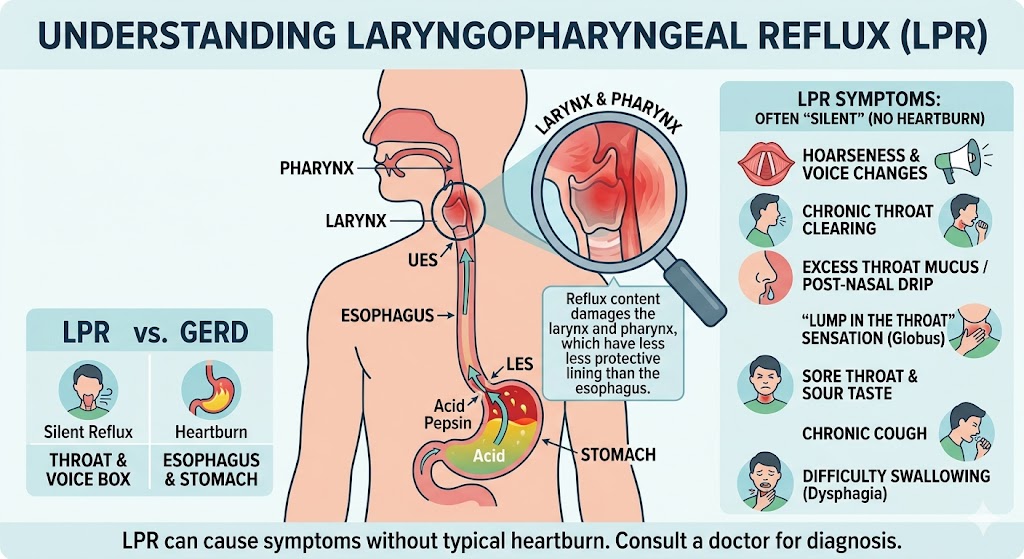
Laryngopharyngeal Reflux (LPR)
Laryngopharyngeal reflux (LPR) occurs when stomach acid travels past the esophagus and irritates the throat and voice box . Commonly known as “silent reflux,” it rarely causes traditional heartburn, leading instead to chronic throat clearing, hoarseness, a persistent cough, and the sensation of a lump in your throat. It’s time to understand laryngopharyngeal reflux, also known as LPR or airway reflux. This condition can significantly impact your health. You will learn about its causes, recognize the symptoms, and discover holistic treatments to manage this often-misunderstood ailment effectively.
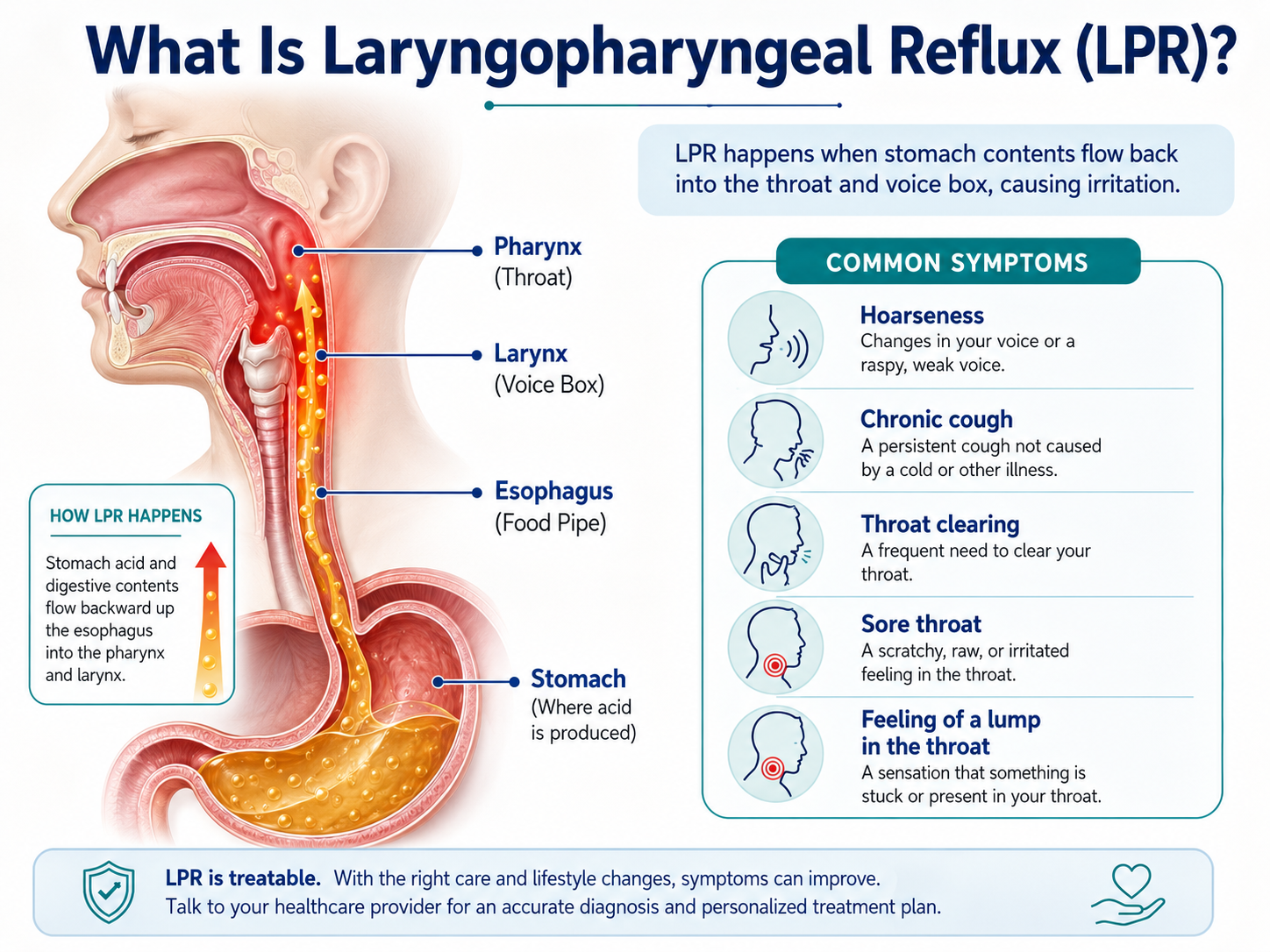
Etiology and Primary Triggers
Understanding the root causes of LPR is necessary for effective management. Your journey to relief begins with recognizing that laryngopharyngeal reflux involves the retrograde movement of gastric contents into the larynx and pharynx, a distinct process from typical heartburn. This backward flow of stomach acid and enzymes irritates the delicate tissues of your throat and voice box, leading to the characteristic symptoms you experience. Many factors contribute to this unwelcome journey of gastric contents. You might find that certain lifestyle choices, dietary habits, or even underlying physiological issues play a significant role in triggering or exacerbating your LPR symptoms. Identifying these specific triggers in your daily life is a critical step towards regaining control and finding lasting comfort. The unique nature of LPR, which primarily damages the upper aerodigestive tract, clearly shows that the mechanisms behind this reflux differ from those in gastroesophageal reflux disease (GERD). You will learn that the protective barriers in your larynx and pharynx are much more vulnerable to even small amounts of acidic or enzymatic exposure.
Sphincter Dysfunction
Your body relies on two key sphincters to prevent reflux. The lower esophageal sphincter (LES) and the upper esophageal sphincter (UES) are muscular rings that act as gatekeepers, normally preventing stomach contents from moving upwards. When these sphincters don’t function optimally, gastric contents can easily make their way into the esophagus and beyond. One common issue involves the LES, which may relax too frequently or not close completely. This allows stomach acid and enzymes to escape into the esophagus, which is a prerequisite for further ascent into your larynx and pharynx. You might not experience the typical burning sensation of heartburn because the refluxate travels higher. The UES also plays a critical role in preventing LPR. If this second barrier is weak or dysfunctional, it offers little resistance to the refluxate that has already bypassed the LES. The UES allows the retrograde movement of gastric contents directly into your vulnerable throat and voice box, initiating the cycle of irritation and symptoms.
Physiological Triggers
Several physiological factors within your body can contribute to LPR. You may experience increased intra-abdominal pressure from various sources, pushing gastric contents upwards and making reflux more likely. Your weight, eating habits, and the way you sit or lie down after meals can influence this pressure. Another significant factor involves delayed gastric emptying. If food remains in your stomach for too long, it increases the volume of gastric contents available for reflux and prolongs the exposure of your stomach lining to acid. This extended presence of stomach contents creates more opportunities for retrograde movement into your larynx and pharynx. Your stomach’s production of acid also plays a role in LPR, though often less directly than in GERD. While high acid production can certainly contribute to the problem, even normal amounts of acid can cause significant irritation in the highly sensitive tissues of your throat and voice box once they make the retrograde movement. You should also consider conditions like hiatal hernia, where a portion of your stomach pushes up through your diaphragm. This anatomical change can compromise the effectiveness of the LES, making it easier for gastric contents to move backward and eventually reach your larynx and pharynx, triggering or worsening your LPR symptoms.

Clinical Presentation and Manifestations of LPR
Reflux events often manifest in various ways, making accurate diagnosis a challenge. You might experience persistent issues that seem unrelated to typical heartburn, which points towards the unique characteristics of LPR. This phenomenon is because the acidic or enzymatic contents from your stomach reach sensitive areas in your throat and larynx, causing irritation without the classic burning sensation. Many people find themselves struggling with a collection of uncomfortable symptoms that significantly impact their daily lives. You could be experiencing common laryngopharyngeal reflux symptoms such as chronic throat clearing, a persistent hoarseness in your voice, and the unsettling sensation of a lump in your throat. These signs are often the primary indicators of LPR, distinguishing it from gastroesophageal reflux disease (GERD). Recognizing these specific indicators is key to understanding your condition and seeking appropriate treatment. Your awareness of these distinct manifestations will help you communicate more effectively with your healthcare provider, leading to a more precise diagnosis and a tailored management plan.
Respiratory Impact
The delicate tissues of your respiratory system are particularly vulnerable to the effects of LPR. You may notice a persistent cough that doesn’t seem to have another explanation or a feeling of shortness of breath that is unusual for you. This occurs as the refluxate irritates the airways, sometimes leading to inflammation and bronchospasm. Chronic irritation from LPR can contribute to or exacerbate existing respiratory conditions. You might experience a worsening of asthma symptoms or recurrent bouts of bronchitis that are difficult to shake. The constant exposure to stomach contents can make your respiratory tract more susceptible to infections and inflammation. Your vocal cords and surrounding structures are directly in the path of reflux, leading to a range of respiratory-related issues. You could find yourself clearing your throat frequently, a common LPR symptom, as your body attempts to dislodge perceived irritants or mucus.
Laryngeal Irritation
Your larynx, or voice box, is exceptionally sensitive to even minute amounts of stomach acid or pepsin. You might notice a change in your voice, specifically hoarseness, which is a common laryngopharyngeal reflux symptom. This alteration in vocal quality can range from a slight raspiness to a significant loss of vocal clarity. The constant irritation can lead to inflammation and swelling of your vocal cords. You could experience a persistent sensation of a lump in your throat, also known as globus pharyngeus, which is another common LPR symptom. This feeling is not due to an actual mass, but rather the inflamed tissues creating a sensation of obstruction. Swallowing can also become uncomfortable or difficult due to laryngeal inflammation. You might find yourself struggling with dysphagia, a condition where food or liquids feel like they are getting stuck. This discomfort stems directly from the ongoing irritation caused by reflux events. The chronic inflammation and irritation of the larynx, stemming from LPR, can have long-term consequences for your vocal health. Persistent hoarseness, one of the common LPR symptoms, if left unaddressed, can lead to more permanent changes in your vocal cord structure and function, making early intervention and management vital.
Differential Diagnosis: LPR vs. GERD
Distinguishing LPR from GERD and understanding laryngopharyngeal reflux disease versus acid reflux is crucial for effective treatment. While both conditions involve stomach acid refluxing, their primary manifestations and impact on your body differ significantly. You will find that LPR primarily affects your throat and voice box, leading to symptoms often mistaken for other conditions, making a precise diagnosis critical for your well-being.
You might experience classic heartburn, a burning sensation in your chest, with GERD. This familiar symptom is often the hallmark of acid reflux. However, with LPR, this typical heartburn sensation is often absent, creating a diagnostic challenge for many individuals and healthcare providers. Knowing this key difference can help you better articulate your symptoms to your doctor.
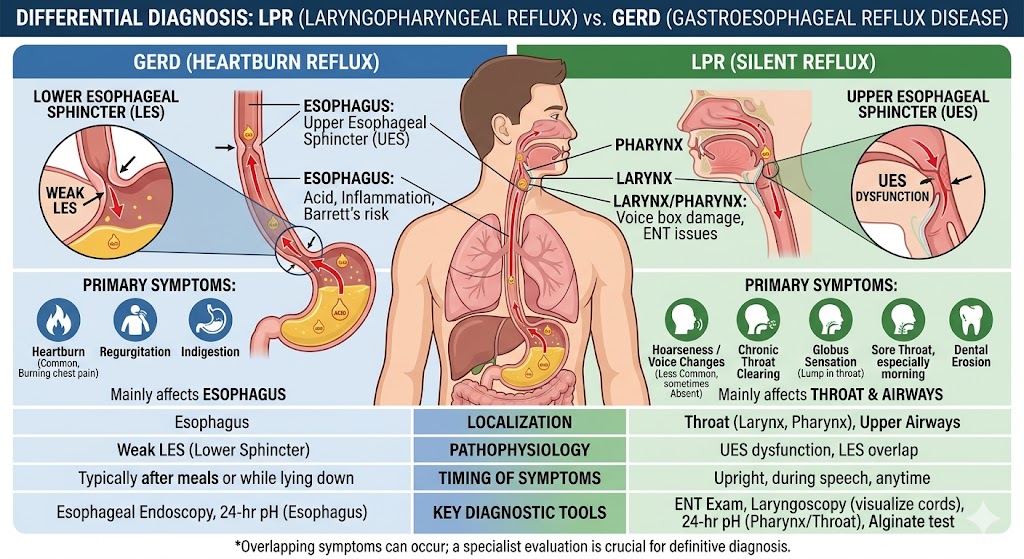 Your understanding of these distinctions empowers you to advocate for the right diagnostic approach. Recognizing that LPR often occurs without typical heartburn means you shouldn’t dismiss your throat symptoms just because you don’t feel a burning in your chest. This crucial insight guides both you and your physician toward a more accurate assessment of your condition.
Symptomatic Variations
You will notice that the symptoms of LPR are predominantly extra-esophageal, meaning they manifest outside of your esophagus. These often include a persistent cough, hoarseness, a sensation of a lump in your throat (globus sensation), and frequent throat clearing. You might find these symptoms particularly disruptive to your daily life and communication.
Your experience with GERD, in contrast, typically centers on esophageal symptoms. You may frequently encounter heartburn, regurgitation of food or sour liquid, and difficulty swallowing. These internal sensations often link more directly to the reflux of stomach contents into your esophagus, which causes irritation and discomfort.
Many individuals with LPR report no traditional heartburn whatsoever, a key differentiator from GERD. This absence of typical acid reflux symptoms can make LPR particularly insidious, as you might not associate your throat issues with stomach acid. Recognizing this unique symptomatic profile is vital for you to identify potential LPR.
Diagnostic Challenges
You face significant diagnostic challenges when dealing with LPR due to its atypical presentation. The lack of classic heartburn, a symptom commonly associated with reflux, often misdirects both you and your healthcare providers. This can lead to delays in diagnosis and appropriate treatment for your specific condition.
Your physician might initially consider other conditions that cause similar throat symptoms, such as allergies, post-nasal drip, or even vocal cord strain. This broad differential diagnosis means you may undergo several tests and consultations before LPR is specifically identified. Patience and persistence are key during this diagnostic journey.
Obtaining an accurate diagnosis for LPR frequently requires specialized testing beyond what is typically used for GERD. You might need procedures like a laryngoscopy to visualize your vocal cords and throat or a 24-hour pH impedance study to detect reflux events, even those that are non-acidic, reaching your pharynx. These advanced diagnostic tools are often necessary to confirm LPR when other indicators are absent.
The absence of typical heartburn in LPR patients further complicates your diagnostic process, often leading to a prolonged period of uncertainty. You may need to consult multiple specialists, including otolaryngologists (ENTs) and gastroenterologists, to understand your symptoms better. This multidisciplinary approach is frequently necessary to overcome the inherent diagnostic hurdles associated with laryngopharyngeal reflux disease.
Integrative Treatment Strategies for LPR
Addressing LPR effectively requires a comprehensive approach, blending conventional medical interventions with thoughtful lifestyle modifications. Effective laryngopharyngeal reflux treatment and LPR treatment include both medical management and lifestyle changes, creating a personalized plan to reduce your symptoms and prevent them from coming back. This integrated strategy aims not only to reduce acid exposure but also to support your body’s natural healing processes, leading to more sustainable relief. You will discover that a multi-pronged attack on LPR often yields the best results, as no single treatment works for everyone. Combining therapies allows you to target different aspects of the condition, from neutralizing stomach acid to strengthening the esophageal defenses. This holistic perspective acknowledges the complex interaction between factors contributing to LPR. Your journey to managing LPR will likely involve a collaborative effort with your healthcare provider, exploring various options to find what resonates most with your body. The goal is to create a sustainable plan that integrates seamlessly into your daily life, providing long-term relief and improving your overall well-being.
Standard Medical Protocols
Medical management forms a cornerstone of effective laryngopharyngeal reflux treatment and LPR treatment, primarily focusing on reducing stomach acid production. You may be prescribed proton pump inhibitors (PPIs) or H₂ blockers, which work to decrease the amount of acid your stomach produces. These medications are often used for a specific duration, typically several weeks or months, to allow the irritated tissues in your throat and larynx to heal. Your doctor will carefully monitor your response to these medications, adjusting dosages or types as needed to optimize efficacy and minimize potential side effects. It’s important to take these medications as directed, even if your symptoms begin to improve, to ensure full healing and prevent a relapse. Regular follow-up appointments are imperative to assess your progress. Some individuals might also benefit from antacids for immediate, short-term relief of occasional symptoms, though these do not address the underlying cause of LPR. Always consult your physician before starting any new medication, even over-the-counter options, to ensure they are appropriate for your specific condition and won’t interact with other treatments.
Behavioral Modifications
Lifestyle adjustments play an equally critical role in effective laryngopharyngeal reflux treatment and LPR treatment, often complementing medical interventions. You can make significant changes to your diet, avoiding trigger foods such as spicy dishes, citrus fruits, caffeine, and chocolate, which are known to exacerbate reflux symptoms. Keeping a food diary can help you identify your personal triggers. Elevating the head of your bed by six to eight inches can prevent nighttime reflux by using gravity to keep stomach contents down. Simply propping yourself up with pillows is often insufficient; specialized bed wedges or blocks under the bedposts are more effective. This simple change can dramatically reduce nocturnal LPR episodes. You will also find that managing your weight, if you are overweight, can significantly alleviate LPR symptoms, as excess abdominal pressure can push stomach acid upwards. Eating smaller, more frequent meals instead of large ones, and avoiding eating close to bedtime, typically within three hours, are also crucial behavioral modifications. Implementing these behavioral modifications creates an environment less conducive to reflux, helping to reduce the frequency and severity of your LPR symptoms. These changes empower you to take an active role in your treatment, leading to greater long-term success and improved quality of life.
Holistic and Dietary Management
Managing laryngopharyngeal reflux (LPR) naturally focuses on a specific laryngopharyngeal reflux diet. You will discover that identifying laryngopharyngeal reflux foods to avoid forms the cornerstone of any effective treatment plan. This approach aims to reduce the frequency and severity of reflux episodes, allowing your delicate throat tissues to heal and recover from constant irritation. Understanding your body’s unique reactions to different foods is key. A personalized dietary strategy, rather than a generic approach, provides the best results for alleviating LPR symptoms. This involves carefully observing how certain foods impact your symptoms and making informed choices about what you consume. Your commitment to dietary modifications can significantly improve your quality of life. Embracing these natural treatments empowers you to take control of your LPR, moving beyond temporary symptom relief to addressing the root causes through thoughtful food choices.
Nutritional Guidelines
Embarking on a journey to manage LPR through diet requires a focus on foods that are gentle on your digestive system. You will want to prioritize a diet rich in non-acidic fruits, vegetables, and lean proteins. These choices help to minimize the production of stomach acid and prevent its reflux into the esophagus and larynx. Consider incorporating foods known for their soothing properties, such as oatmeal, ginger, and bananas. These items can help to coat the esophageal lining and provide a protective barrier against gastric acid. Hydration with non-acidic beverages, like plain water or herbal teas, also plays a significant role in flushing out irritants and maintaining overall digestive health. Making small, frequent meals throughout the day, instead of large, heavy ones, can also be beneficial. This strategy prevents your stomach from becoming overly full, reducing the pressure that can force stomach contents upwards. Eating slowly and chewing your food thoroughly further aids digestion and minimizes reflux potential.
Trigger Elimination
Identifying laryngopharyngeal reflux foods to avoid is an absolutely critical step in your treatment plan. You will quickly learn that certain common culprits can exacerbate LPR symptoms, making careful observation and elimination imperative for relief. These foods often include highly acidic items, fatty foods, and those that relax the lower esophageal sphincter. Avoid foods like citrus fruits, tomatoes, chocolate, and peppermint, as these are frequently reported triggers for LPR. You may also find that spicy foods and caffeine contribute to your symptoms, necessitating their removal from your diet. Keeping a food diary can be incredibly helpful in pinpointing your individual triggers and tailoring your diet accordingly. Alcohol and carbonated beverages are also known to worsen reflux. You should try to eliminate these from your consumption, as they can both increase stomach acid production and relax the sphincter that prevents reflux. Giving your body a break from these irritants will allow your throat to heal and inflammation to subside. Your commitment to meticulously eliminating these identified triggers forms the bedrock of your LPR management. This isn’t just about temporary relief; it’s about creating a sustainable dietary pattern that supports long-term healing and prevents the recurrence of uncomfortable symptoms.
Alternative Therapeutic Modalities for LPR Management
Exploring different avenues for relief can significantly enhance your LPR management strategy. While conventional treatments often focus on acid suppression, many individuals find substantial benefit in integrating complementary approaches. These methods often address the body’s overall balance and healing capabilities, working in conjunction with lifestyle modifications and medical advice to reduce symptoms and improve quality of life. You may discover that a multi-faceted approach provides the most comprehensive and lasting relief from your LPR symptoms. Many individuals seek alternative therapies to address the underlying imbalances contributing to their reflux. Acupuncture for LPR and homeopathic treatment for LPR are two complementary approaches gaining recognition for their potential to alleviate discomfort. These modalities offer a different perspective on healing, focusing on stimulating the body’s natural healing processes rather than solely suppressing symptoms. Considering these options can broaden your treatment horizons and provide additional tools in your journey toward better health. You have a range of choices when considering complementary therapies, each with its philosophy and method. Understanding the principles behind approaches like Traditional Chinese Medicine and Homeopathic Interventions will help you determine if they align with your personal health goals. These alternative paths often involve a holistic assessment of your health, taking into account not just your LPR symptoms but your overall well-being and lifestyle factors.
Traditional Chinese Medicine for Laringopharengial Reflux
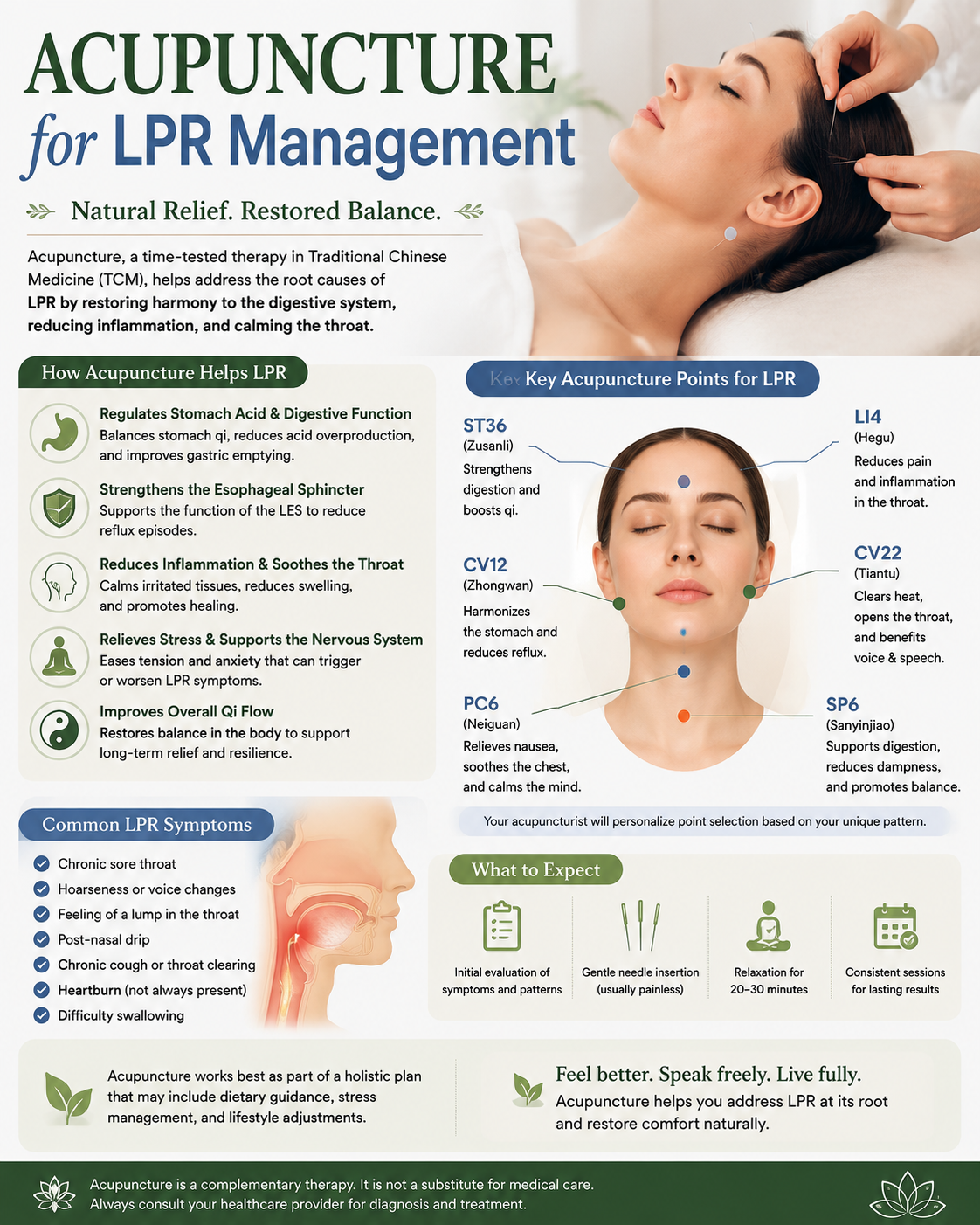 Traditional Chinese Medicine (TCM) offers a comprehensive framework for understanding and treating LPR, viewing the body as an interconnected system. Practitioners often utilize acupuncture for LPR, a technique involving the insertion of fine needles into specific points on the body to restore balance and promote healing. This ancient practice aims to regulate the flow of ‘Qi’ (life energy) and blood, which, in TCM theory, can become disrupted and contribute to reflux symptoms. Acupuncture sessions are typically tailored to your individual diagnosis within the TCM system, addressing patterns of imbalance specific to your presentation of LPR. The goal is not just to reduce acid reflux but to strengthen digestive function, calm inflammation, and alleviate associated symptoms like throat irritation or voice changes. Many people report a sense of relaxation and improved well-being following acupuncture treatments, in addition to reductions in their LPR discomfort. You may find that a series of acupuncture treatments, often combined with dietary recommendations and herbal medicine within the TCM framework, provides a significant improvement in your LPR symptoms. This integrated approach seeks to re-establish harmony within your body, leading to more sustained relief. The focus on individualized treatment means that your specific needs and constitutional type will guide the therapeutic strategy.
Homeopathic Interventions in LPR Management
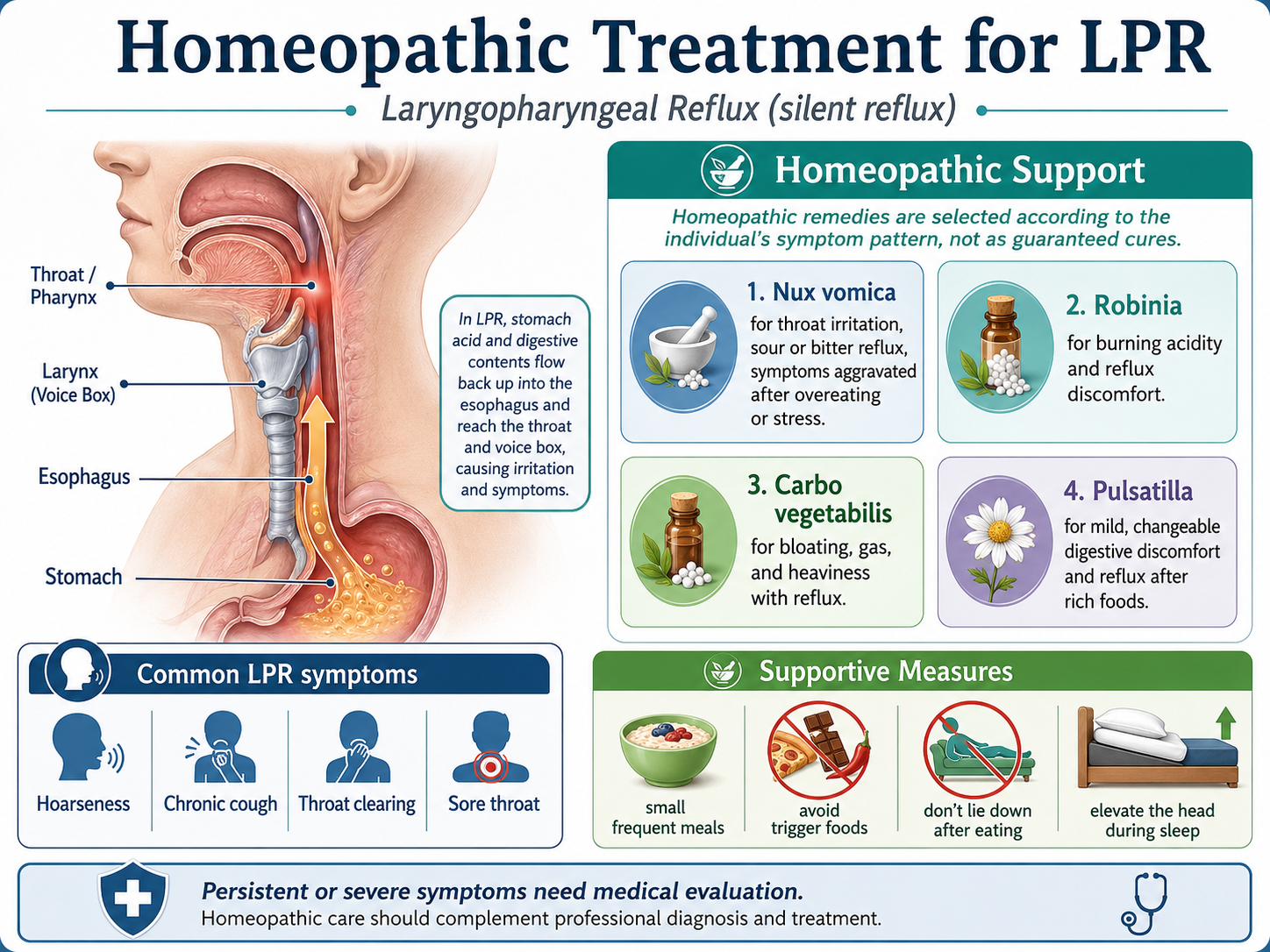 Homeopathy treatment for LPR involves using highly diluted substances to stimulate the body’s innate healing response. This system of medicine operates on the principle of “like cures like,” which means that a substance causing symptoms in a healthy person can, in minute doses, treat similar symptoms in a sick person. Homeopathic remedies are chosen based on your unique symptom picture, encompassing not just your LPR but also your emotional and mental state. You will typically undergo a thorough consultation with a homeopathic practitioner who will gather extensive information about your symptoms, medical history, and overall constitution. This detailed assessment allows the practitioner to select the most appropriate individualized remedy from a vast array of homeopathic medicines. The aim is to address the root cause of your LPR symptoms by rebalancing your vital force. Homeopathic remedies are prepared through a process of serial dilution and succussion (vigorous shaking), which proponents believe enhances their therapeutic properties. These remedies are gentle, non-toxic, and can be used safely alongside conventional treatments. Many individuals appreciate the holistic and individualized nature of homeopathic care, finding it to be a gentle yet effective way to manage their LPR symptoms. Homeopathic treatment for LPR focuses on the whole person, seeking to understand the unique way your LPR manifests and how it impacts your overall well-being. The chosen remedy aims to trigger your body’s self-healing mechanisms, leading to a reduction in the frequency and intensity of reflux episodes, as well as an improvement in associated symptoms such as throat discomfort or hoarseness. This personalized approach means that two individuals with LPR might receive different homeopathic remedies based on their distinct symptom patterns and individual characteristics.
- Nux Vomica : Often suggested for symptoms resulting from overindulgence in spicy foods, alcohol, or coffee. It may be used when there is a feeling of “heaviness” in the stomach or irritability.
- Arsenicum Album : Used for burning sensations in the throat or stomach that may feel better with heat or sitting upright. It is often linked to symptoms accompanied by anxiety or restlessness.
- Aatrum Phosphoricum : Typically recommended for sour belching, an acid taste in the mouth, or a yellow coating on the tongue.
- Carbo Vegetabilis : May be beneficial if there is significant bloating, gas, and a feeling of fullness after eating even small amounts.
- Natrum Sulphuricum : Highlighted in a recent case report as effective for a patient with LPR and vocal cord swelling when prescribed individually over a 16-month period.
- Limited Research : There is very little clinical research specifically on homeopathy for LPR. Most available information comes from individual case reports or general acid reflux studies.
- Professional Consultation : Homeopathy practitioners emphasize matching the remedy to the whole person, not just the symptom. Consultation with a qualified homeopath is recommended for a personalized plan. Please keep in mind that a homeopathic practitioner is, first of all, a medical doctor who practices homeopathy. Only physicians may use homeopathy for treatment. No IFs and no BUTs.
- Complementary Approach : Some protocols involve using homeopathic remedies like Nux vomica-Heel alongside standard treatments like Proton Pump Inhibitors (PPIs).
- Medical Standard : Medical centers like Stanford Health Care identify lifestyle changes (diet, sleeping with a wedge) and PPIs as the most effective treatments for LPR.
Summing Up
Conclusively, managing laryngopharyngeal reflux demands a comprehensive and often multi-faceted approach. You must understand that LPR is distinct from typical GERD, requiring a tailored strategy. Successful treatment hinges on a combination of lifestyle modifications, dietary changes, and medical interventions, all working in concert to reduce the refluxate and protect your delicate laryngeal and pharyngeal tissues. Patience and consistent adherence to your prescribed regimen are key, as improvement can take time. Your journey to relief will likely involve a careful examination of your daily habits. Modifying your diet to avoid trigger foods, elevating the head of your bed, and refraining from eating close to bedtime are fundamental steps you can take. You should also be aware that stress management and weight control play significant roles in reducing the frequency and severity of reflux episodes. Your healthcare provider will guide you through these changes, helping you identify and eliminate factors that exacerbate your symptoms. You can expect medical treatments to complement these lifestyle adjustments. Proton pump inhibitors (PPIs) are often prescribed at higher doses and for longer periods than for GERD to effectively reduce acid production. You may also receive alginates or antacids for symptomatic relief. Your doctor will monitor your progress closely, adjusting your treatment plan as needed to achieve optimal control of your LPR symptoms and prevent long-term complications.
FAQ

Q: What is laryngopharyngeal reflux (LPR), and how does it differ from GERD?
A: Laryngopharyngeal reflux, often called LPR or “silent reflux,” involves stomach contents, including acid and enzymes like pepsin, backing up into the pharynx (throat) and larynx (voice box). This differs from gastroesophageal reflux disease (GERD) primarily in the location of symptoms and the protective mechanisms involved. With GERD, reflux mainly affects the esophagus, leading to classic heartburn and regurgitation. The esophagus has better defenses against acid. LPR, however, affects the more delicate tissues of the throat and voice box, which lack these protective layers. Even small amounts of refluxate can cause significant irritation and damage. People with LPR often do not experience heartburn, making it “silent” and sometimes harder to diagnose.
Q: What are the common causes and risk factors for developing LPR?
A: LPR develops when the two main sphincters designed to keep stomach contents in place, the lower esophageal sphincter (LES) and the upper esophageal sphincter (UES), do not function properly. The LES separates the esophagus from the stomach, and the UES separates the esophagus from the throat. When either of these sphincters relaxes inappropriately or is weak, stomach acid and enzymes can travel upwards. Several factors contribute to this dysfunction. Dietary choices, such as consuming fatty foods, caffeine, chocolate, alcohol, and spicy foods, can relax sphincters or increase acid production. Lifestyle habits, including smoking and obesity, also increase pressure on the abdomen, pushing stomach contents upwards. Hiatal hernias, where part of the stomach pushes through the diaphragm, also weaken the LES. Stress and certain medications can also play a role in promoting reflux.
Q: What are the typical symptoms of laryngopharyngeal reflux?
A: LPR symptoms primarily affect the throat, voice, and breathing, often without the classic heartburn associated with GERD. A persistent sensation of a lump in the throat, known as globus pharyngeus, is a very common symptom. Chronic throat clearing and a persistent cough are also frequent complaints. Patients often experience hoarseness or a change in voice quality, especially in the morning, due to irritation of the vocal cords. Post-nasal drip, difficulty swallowing (dysphagia), and a sore throat can also indicate LPR. Some individuals report a bitter taste in their mouth or foul breath. Ear pain or sinus issues, while less common, can sometimes occur when refluxate reaches those areas and causes irritation.
Q: How is LPR diagnosed, and what are the treatment goals?
A: Diagnosing LPR often begins with a thorough medical history and a physical examination, particularly an examination of the throat and voice box by an ENT specialist. The doctor may use a small scope, called a laryngoscope, to visualize the larynx and pharynx for signs of irritation, redness, or swelling. In some cases, more advanced tests are performed. pH impedance monitoring measures both acid and non-acid reflux episodes in the esophagus and throat over a 24-hour period. Treatment goals for LPR focus on reducing reflux episodes, neutralizing stomach acid, and protecting the delicate tissues of the throat and larynx from further damage. Managing symptoms and preventing long-term complications are also key objectives.
Q: What are the conventional medical treatments for LPR?
A: Conventional medical treatments for LPR primarily involve medications that reduce stomach acid production. Proton pump inhibitors (PPIs) are the most commonly prescribed drugs. These medications significantly decrease the amount of acid the stomach produces, allowing the irritated tissues to heal. PPIs are often taken for several months, sometimes at higher doses or twice daily, compared to GERD treatment. H2 blockers, another class of acid-reducing medication, may also be prescribed, sometimes in conjunction with PPIs. Prokinetic agents, which help speed up stomach emptying, are occasionally used. Healthcare professionals always recommend lifestyle modifications, such as dietary changes and elevating the head of the bed, alongside medication to enhance treatment effectiveness.
Q: Are there natural or holistic approaches to managing LPR?
A: Many individuals consider natural and holistic approaches beneficial for managing LPR, often alongside conventional treatments. Dietary changes form the cornerstone of natural LPR management. Avoiding trigger foods like acidic fruits, tomatoes, onions, garlic, chocolate, caffeine, alcohol, and fatty or spicy foods can significantly reduce symptoms. Eating smaller, more frequent meals and avoiding food within 3-4 hours of bedtime helps. Herbal remedies, such as slippery elm, marshmallow root, and deglycyrrhizinated licorice (DGL), create a protective barrier in the throat and esophagus. Aloe vera juice can soothe irritation. Probiotics support gut health, which indirectly impacts reflux. Stress reduction techniques like meditation, yoga, and deep breathing exercises are also beneficial as stress can exacerbate reflux. Some people explore acupuncture or homeopathy for symptom relief, though scientific evidence for these specific LPR treatments is still developing.
Q: What dietary and lifestyle changes are most effective for LPR?
A: Significant dietary and lifestyle modifications are imperative for effective LPR management. Regarding diet, it is important to identify and eliminate personal trigger foods. Common culprits include citrus fruits, tomatoes, vinegar, onions, garlic, mint, chocolate, coffee, tea, carbonated drinks, alcohol, and high-fat foods. Opt for a diet rich in alkaline foods, such as green leafy vegetables, bananas, melons, and lean proteins. Eating smaller, more frequent meals prevents the stomach from becoming overly full. It is important to avoid eating at least three hours before lying down to sleep. Lifestyle adjustments include elevating the head of your bed by 6-8 inches using risers, which use gravity to keep stomach contents down. Maintaining a healthy weight reduces abdominal pressure. Quitting smoking is crucial, as nicotine relaxes the UES. Avoiding tight clothing around the waist also helps. Staying hydrated with water and managing stress through relaxation techniques further support symptom reduction.
Natural Treatment for Laryngopharyngeal Reflux in Philadelphia
If you are searching for a natural treatment for laryngopharyngeal reflux using home remedies for heartburn, you are in the right place. Victor Tsan, a physician, homeopath, and hypnotherapist, serves as the director of the Philadelphia Holistic Clinic, a single location for all alternative holistic treatments.
Contact our clinic at (267) 403-3085 to schedule your appointment for alternative holistic evaluation and testing.