
Vaginal Dryness
Vaginal dryness is also referred to as atrophic vaginitis or the genitourinary syndrome of menopause. You may experience vaginal dryness due to hormonal changes, medication, stress, or insufficient foreplay, and recognizing symptoms like irritation, burning, or pain during sex helps you seek effective care. This post explains what can cause vaginal dryness, simple steps to alleviate it—from lifestyle adjustments and lubricants to pelvic floor exercises—and evidence-backed natural remedies and herbs you can discuss with your clinician to safely treat your symptoms.

Key Takeaways:
- Hormonal decline (menopause, postpartum, breastfeeding), certain medications (antihistamines, SSRIs), medical conditions (Sjögren’s, diabetes), chemotherapy, smoking, and vaginal irritation commonly cause dryness.
- Common symptoms include reduced lubrication, burning or itching, pain with sex (dyspareunia), spotting, and increased urinary or vaginal infections.
- For sexual activity, use a water- or silicone-based lubricant; regular use of vaginal moisturizers improves baseline moisture between encounters.
- Natural self-care: regular sexual stimulation to boost blood flow, pelvic floor exercises, adequate hydration, avoiding scented products and douching, quitting smoking, and stress management.
- Herbs and supplements with phytoestrogen effects—soy isoflavones, red clover, and black cohosh—and nutrients like omega‑3s or vitamin D may help some people, but evidence is mixed; consult a clinician before use, especially with hormone-sensitive conditions.
- Topical OTC options are first-line for mild cases; consider local estrogen or other medical treatments for persistent or severe symptoms after medical evaluation.
- Seek medical care for sudden onset, severe pain, abnormal bleeding, or when OTC and natural measures fail to improve symptoms; evaluate for underlying causes and tailored therapy.
What is Vaginal Dryness?
Definition and normal vaginal lubrication
Your vagina normally stays lubricated through estrogen-driven blood flow to the vaginal walls, cervical mucus, and vaginal transudate, which keeps tissues moist; lubrication also increases during sexual arousal. The flora and lactic acid help maintain a pH around 3.8-4.5, which protects you from infections. Glandular secretions (Bartholin glands) add a small amount, but most lubrication comes from tissue hydration and vascular response rather than a single “moisture gland.”
Prevalence and impact on health and sexual function
Vaginal dryness affects up to 40% of women at some point and roughly half of postmenopausal women, and you’re more likely to experience it with breastfeeding, chemotherapy, or medications like SSRIs and antihistamines. This condition is known as genitourinary syndrome of menopause. It commonly causes pain with intercourse (dyspareunia), reduced arousal, and decreased sexual satisfaction and can lead to microtears, increased infection or urinary symptoms—often worsening anxiety, avoidance of intimacy, and relationship strain.
Clinically, you may notice thinning of the vaginal epithelium, increased pH, and fragile mucosa that bleeds or tears during sex; this condition explains why you can get recurrent urinary tract infections or persistent irritation. In practice, symptom severity varies—some women report occasional discomfort, while others have persistent pain that impairs sexual activity and quality of life—so documenting triggers, medication history, and timing (e.g., postpartum or menopause) helps guide treatment choices.
Causes of Vaginal Drynes and Risk Factors

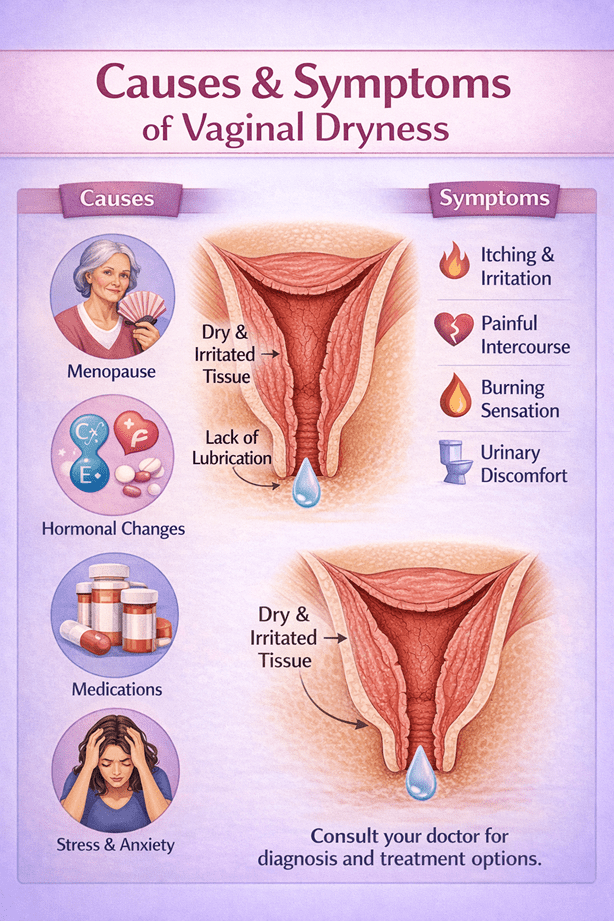
You often develop vaginal dryness from overlapping sources: hormonal shifts, medical treatments, medications, and lifestyle factors. For instance, about 40–50% of postmenopausal women report dryness; chemotherapy can induce rapid ovarian failure; and common drugs, like antihistamines, blunt secretions. Common contributors include:
- Hormonal changes (menopause, postpartum, some contraceptives)
- Cancer treatments (chemotherapy, pelvic radiation)
- Medications (SSRIs, antihistamines, some antihypertensives)
- Autoimmune conditions (Sjögren’s), diabetes, thyroid disease
- Smoking, dehydration, harsh soaps, and low sexual activity
Assume that you may have multiple interacting causes and that addressing each increases the likelihood of symptom improvement.
Menopause, postpartum, and contraception are examples of hormonal causes.
You experience atrophic vaginitis when estrogen and local blood flow fall: average menopause onset is near 51, and roughly 40–50% of postmenopausal women note vaginal dryness. Breastfeeding after giving birth lowers estrogen levels for several months, which can lead to less lubrication, and some birth control methods that only contain progestin or have high doses of progestin may cause dryness for some people, while those
Medical, medication, and lifestyle contributors
You should watch for medicines and conditions that reduce mucous production or damage mucosa: antidepressants (SSRIs) cause sexual side effects in up to ~60% of users, antihistamines and decongestants dry secretions, and chemotherapy or pelvic radiation can trigger abrupt estrogen loss and mucosal thinning. Chronic diseases like diabetes and Sjögren’s increase infection and atrophy risk, while smoking, alcohol, and irritant products worsen symptoms.
If you’re on an SSRI and notice persistent dryness, discuss alternatives with your clinician—switching to bupropion or adjusting therapy can lower sexual side effects for some people. Chemotherapy can quickly cause the ovaries to stop working and lead to dryness in just a few weeks. Options to help preserve fertility or hormones, such as ovarian suppression or freezing, are available. Practical changes—such as stopping scented products, quitting smoking, and optimizing glycemic control—often reduce symptoms alongside a medication review.
Symptoms of Vaginal Dryness and When to Seek Care
Symptoms range from mild dryness and intermittent discomfort to persistent burning, itching, or pain during intercourse. You may notice spotting, thin or pale tissue, and changes in discharge or pH; about half of postmenopausal women report genital dryness. Seek care if symptoms worsen, persist despite self-care, or follow childbirth, breastfeeding, chemotherapy, or new medications like SSRIs or antihistamines.
Common signs and effects on intercourse and urinary health
Dryness often reduces natural lubrication, making penetration painful and lowering arousal; you may develop dyspareunia, microtears, or bleeding after sex. Vaginal atrophy commonly raises pH above 4.5 and thins the mucosa, increasing susceptibility to recurrent UTIs, urgency, frequency, and burning with urination. Immediate measures such as water-based lubricants and vaginal moisturizers can protect tissue and improve comfort during intercourse.
Red flags and indications for medical evaluation
Seek prompt evaluation for heavy or postcoital bleeding, sudden severe pelvic pain, fever, foul-smelling discharge, nonhealing sores, or a palpable mass. You should also see a clinician if urinary symptoms persist despite treating dryness, if you’re immunocompromised or pregnant, or if signs began abruptly after chemotherapy or starting a new medication—these patterns may indicate infection, malignancy, or medication-related causes.
If you have postmenopausal bleeding, it requires gynecologic assessment with a pelvic exam and often transvaginal ultrasound; biopsy may be needed to exclude endometrial pathology. When you experience recurrent UTIs or persistent dysuria despite lubrication, clinicians will test your urine and vaginal cultures, assess hormone status, and may recommend topical estrogen, pelvic floor evaluation, or referral to urology/endocrinology depending on results.
Conventional Treatments for Vaginal Dryness: Overview
Conventional options include quick relief for symptoms and treatments that target the tissue: over-the-counter lubricants and vaginal moisturizers for dryness during sex; low-dose vaginal estrogens (creams, tablets, rings) to improve tissue thickness and balance pH; intravaginal DHEA and oral SERMs for pain during sex Your choice depends on cause, severity, and medical history, and many treatments show symptomatic improvement within weeks to a few months.
Over-the-counter options (lubricants, moisturizers)
You can use water‑based lubricants for short‑term relief during sex and silicone‑based lubricants for longer-lasting slipperiness—silicone may last several hours, while water formulas often need reapplication. Vaginal moisturizers (hyaluronic acid or glycerin‑free formulations) applied every 2-3 days improve baseline dryness. Avoid scented or high‑glycerin products if you get recurrent irritation or yeast infections, and never use oil‑based lubricants with latex condoms.
Prescription therapies, such as vaginal estrogen and other medical treatments, may be recommended.
You may be offered low‑dose vaginal estrogen as a cream, tablet, or ring—tablets are often started daily, then reduced to twice weekly; rings are typically replaced every 90 days—to reverse atrophic changes and reduce pain with sex. Other medical options include intravaginal DHEA (daily insert) and oral ospemifene for moderate to severe dyspareunia. Systemic HRT is reserved for when you have broader menopausal symptoms.
Vaginal estrogen helps to thicken the tissue, improve blood flow, and increase natural lubrication, and many people notice improvements in 2 to 12 weeks; it doesn’t get absorbed much into the body with low doses, so talk to your doctor if you have a history of breast DHEA helps support tissue repair in the area, and ospemifene (a type of oral medication) can help reduce pain during sex when estrogen isn’t a Regular follow‑up guide for dosing, monitoring, and safety decisions.
Natural and Complementary Treatments for Vaginal Dryness
You can often reduce vaginal dryness with nonprescription approaches that complement medical care; practical steps include optimizing fluid intake, adjusting diet for anti-inflammatory nutrients, targeted pelvic floor work, and selective use of herbal or supplement options—each with varying evidence and safety profiles that you should weigh against your symptoms and medical history.
Evidence-based lifestyle measures (hydration, diet, pelvic floor work)
Aim for about 1.5–2 liters of fluid daily and add anti-inflammatory foods—omega-3 sources (fatty fish, 1 g EPA/DHA, or 1 tbsp flaxseed), vitamin D, and foods with phytoestrogens (soy, 40–80 mg isoflavones in trials)—while avoiding excessive caffeine or alcohol. Also work with a pelvic floor physiotherapist for 6–12 sessions to learn down‑training, breathing, and 10 minutes/day of guided practice; studies show improved comfort during sex and reduced sensations of dryness when pelvic tone is normalized.
Herbs and supplements—benefits, risks, and quality considerations
Some supplements—soy isoflavones, flaxseed, evening primrose oil, and omega‑3s—have small trials suggesting symptom improvement, but effects are inconsistent; you should treat them as adjuncts. Risks include interactions with anticoagulants, hormone‑sensitive conditions, and liver effects from certain botanicals. Always choose standardized extracts from third‑party tested brands and discuss use with your clinician, especially if you have a cancer history or take prescription drugs.
For practical choices, note that randomized trials of soy isoflavones commonly used 40-80 mg/day and reported modest relief of vulvovaginal atrophy signs; omega‑3 supplementation at ~1 g/day supports mucosal health in some studies. Avoid unverified proprietary blends; look for USP/NSF/ConsumerLab verification, clear ingredient lists, and batch testing for heavy metals. Stop any herb if you develop new bleeding, rash, or liver symptoms and consult your provider before combining supplements with tamoxifen, warfarin, or hormonal therapies.
Practical Prevention and Self-Management of Vaginal Dryness
Sexual and daily-care strategies to reduce vaginal dryness
You can reduce vaginal dryness by using water-based or silicone lubricants during sex (apply 2-5 mL before contact and reapply as needed) and moisturizing the vagina with hyaluronic-acid or glycerin-based vaginal moisturizers 2-3 times weekly, doing pelvic floor exercises (Kegels: 3 sets of 10 daily), avoiding douches and fragranced soaps, wearing cotton underwear, staying hydrated, and limiting smoking and excess caffeine, which can worsen symptoms.
Acupuncture for Vaginal Dryness

Key Aspects of Acupuncture for Vaginal Dryness:
- Mechanism: Treatments often aim to boost pelvic blood flow, which can alleviate dryness and discomfort.
- Effectiveness: Evidence is limited, with some studies showing improved sexual function and reduced pain, but not always significant increases in lubrication.
- Target Areas: Specific points often targeted include SP6 (inner leg for hormone regulation) and KD3 (ankle for Kidney nourishment).
- Treatment Plan: A common approach involves 10 sessions, often starting at twice per week, to manage symptoms like hot flashes and dryness.
Homeopathic Remedies for Vaginal Dryness

Common Homeopathic Remedies
- Sepia: This medication is a common treatment for dryness that happens during menopause, childbirth, or when a woman has a low sex drive. It is indicated when there is painful intercourse, bleeding after sex, or a “bearing down” sensation in the pelvis.
- Lycopodium: Prescribed when dryness is accompanied by a persistent burning sensation in the vagina that may worsen during or after intercourse.
- Natrum Mur: Recommended when dryness causes significant itching, soreness, or smarting pain. It is often linked to symptoms triggered by emotional stress or grief.
- Platina: Suited for cases where the vagina is hypersensitive and dry, sometimes accompanied by involuntary muscle spasms (vaginismus) or an increased sexual urge.
- Argentum Nitricum: Specifically used when painful intercourse is followed by spotting or bleeding.
- Bellis Perennis: Indicated for a “bruised” or wounded sensation in the vaginal area that interrupts intercourse.
The most common and efficient combinations of homeopathic remedies are
On a large list of drugs for vaginal dryness, Sepia and Lycopodium are regarded as high-grade therapies. Sepia is advised where vaginal dryness is attended by marked irritation. Pain from vaginal dryness during intercourse also implies the use of Sepia. Sepia is also the best suited among drugs for vaginal dryness during menopause and after childbirth. Sex drive may be low in such instances. Lycopodium is selected where burning accompanies dryness in the vagina. Pain and burning are worse during and after coition.
2. Sepia and Natrum Muriaticum—For Vaginal Dryness during Menopause
Sepia and Natrum appear among top-grade drugs for vaginal dryness following menopause. In these cases, patients also notice pain during coition and occasionally experience bleeding. Sepia helps manage hot flashes and mood swings that come with menopause in addition to vaginal dryness. Bearing down sensation in the uterus and protrusion of the uterus are other typical problems for which Sepia is regularly utilized. Natrum Mur is the most effective among treatments for vaginal dryness in cases with symptoms of discomfort, itching and smarting pain coupled with dryness in the vagina. Women who need Natrum Mur also complain of dyspareunia from dryness of the vagina.
3. Sepia and Platina—For Dryness with Pain during Intercourse (Dyspareunia)
Highly suggested drugs for vaginal dryness leading to dyspareunia include Sepia and Platina. Sepia is a fantastic choice for pain during intercourse from vaginal dryness. Bleeding may also appear during coition. Women who are prescribed Sepia frequently have a reduced sex drive. Irritability and mood swings may also be reported. Platina is effective in cases where hypersensitivity of the genitals is accompanied by a dry vagina. Platine is given for both dyspareunia and vaginismus, making it one of the greatest drugs for vaginal dryness of this type. Itching may also accompany dryness in the vagina in such circumstances. Sexual desire is high in cases where Platina is suggested.
4. Argentum Nitricum and Sepia—For Bleeding after Intercourse
There are several treatments for vaginal dryness resulting in bleeding during intercourse. The most renowned among these are Argentum Nitricum and Sepia. Argentum Nitricum is the most suitable among drugs for vaginal dryness in circumstances where sex is uncomfortable and bleeding follows intercourse. Sepia is another wonderful choice of treatment for bleeding after intercourse due to vaginal dryness, but particularly in women of menopausal age. The ladies have an aversion to sex. The genitals are delicate to touch in such instances.
Complementary Natural Support
- Topical Lubricants: Natural oils like coconut oil or olive oil can be used externally, though they should not be used with latex condoms, as they can cause them to break.
- Hyaluronic Acid: Available in suppositories or gels, this helps increase natural moisture.
- Dietary Phytoestrogens: Incorporating foods like soy, flaxseeds, and chickpeas may provide a mild estrogen-like effect to help maintain tissue health.
The Role of Hypnotherapy Treatment for Vaginal Drynesss

- Mind-Body Connection: Hypnotherapy utilizes the mind-body connection to promote relaxation, which can help alleviate physical symptoms like dryness.
- Stress Reduction: Techniques such as guided imagery can reduce stress and anxiety, which are often underlying factors in decreased libido and vaginal dryness.
- Targeted Suggestions: Sessions often involve positive suggestions focused on improving blood flow, increasing arousal, and enhancing overall comfort.
- Managing Menopause Symptoms: Along with hot flashes, hypnotherapy has been used to address other perimenopausal symptoms, including vaginal dryness and, by extension, better sleep.
- Overcoming Performance Anxiety: For women experiencing pain or dryness during sex due to anxiety or fear, hypnosis can help remove negative emotions and improve confidence.
Benefits and Considerations:
- Non-Invasive: It is a natural, non-hormonal alternative or supplement to treatments like HRT.
- Self-Hypnosis: Patients can be taught self-hypnosis techniques to continue managing symptoms on their own.
- Effectiveness: While research is strong for managing menopause-related hot flashes, it is also effective for addressing the psychological components of sexual dysfunction.
How to combine natural approaches with medical care for vaginal dryness
Keep a 2-4 week symptom diary noting dryness severity (0-10), sexual activity, lubricant and moisturizer use, and all medications and supplements; bring this to your appointment so your provider can correlate patterns, check hormone levels if appropriate, and advise on interactions—for example, some herbal remedies affect liver enzymes or estrogen-sensitive conditions—so you can safely combine behavioral measures with prescription options and follow an evidence-based stepwise plan.
Final Words
With these considerations, you can better identify causes like hormonal changes, medications, stress, breastfeeding, or menopause and recognize symptoms such as itching, burning, or pain during sex. You should try non-irritating water-based lubricants, vaginal moisturizers, pelvic floor exercises, dietary adjustments, and gentle herbal options (for example chamomile or fennel) only after consulting your clinician. If dryness persists or disrupts intimacy, seek medical evaluation for prescription therapies and personalized care to restore comfort and sexual function.
FAQ

Q: What is vaginal dryness?
A: Vaginal dryness is reduced natural lubrication of the vagina caused by thinning and decreased elasticity of the vaginal tissues and lower mucus production. It can be intermittent or persistent and ranges from mild discomfort to pain during intercourse (dyspareunia), burning, itching, and increased risk of irritation or minor bleeding.
Q: What common factors cause vaginal dryness?
A: Hormonal changes are the most common cause—especially low estrogen during menopause, postpartum, breastfeeding, and after oophorectomy. Medications like antihistamines, some antidepressants, certain chemotherapy drugs, and some hormonal birth control, along with autoimmune diseases like Sjögren’s syndrome, diabetes, smoking, stress, not drinking enough water, frequent douching or using irritating soaps, pelvic radiation or surgery, and ongoing vaginal infections can
Q: What are typical symptoms and how can vaginal dryness affect sex?
A: Symptoms include reduced vaginal lubrication, vaginal and vulvar dryness, burning or stinging, itching, discomfort with tampon use, pain during or after sex, and sometimes light bleeding with intercourse. During sex, dryness can cause friction-related pain, decreased sexual pleasure, anxiety about intercourse, and reluctance to engage in intimacy.
Q: How is vaginal dryness evaluated and diagnosed?
A: Diagnosis is based on medical history and pelvic exam to assess vaginal tissue appearance (thin, pale, less elastic mucosa) and pH. A clinician may test for infections, measure hormone levels if indicated, and review medications and health conditions. Further testing is guided by symptoms and clinical findings.
Q: What immediate measures relieve vaginal dryness during sex?
A: Use a water-based or silicone-based personal lubricant during sex (avoid oil-based lubricants with latex condoms). Increase foreplay and arousal time, use a vaginal moisturizing gel or cream applied before intimacy, consider a non-hormonal vaginal moisturizer for regular use, and choose positions that reduce friction. If using oils (e.g., coconut), be aware they can weaken latex condoms and may cause irritation for some people.
Q: Which natural remedies, herbs, and lifestyle changes may help vaginal dryness?
A: Lifestyle measures: stop smoking, improve hydration, reduce alcohol and caffeine if they worsen symptoms, manage stress, and engage in pelvic floor physical therapy if pelvic tension contributes to pain. Some people may benefit from eating foods or taking supplements that contain phytoestrogens (like soy and flaxseed) and omega-3 fatty acids. Herbal options sometimes used include black cohosh, red clover, and chaste tree; evidence is mixed and herbs can interact with medications or have hormone-like effects. Topical options: vaginal hyaluronic acid, aloe vera-based gels, and regular use of non-hormonal vaginal moisturizers. Always discuss herbs or supplements with a healthcare provider before starting them and patch-test topical products for irritation.
Q: When should I see a healthcare provider and what medical treatments are available?
A: See a clinician if dryness causes persistent pain, bleeding with intercourse, recurrent infections, or significant sexual distress. Medical treatments include local vaginal estrogen (creams, tablets, or a ring) for many people with low estrogen, systemic hormone therapy when appropriate, intravaginal DHEA (prasterone), and oral medications such as ospemifene for postmenopausal dyspareunia. A provider can also evaluate for underlying conditions, review medications, and recommend tailored treatment or referral to gynecology or pelvic floor therapy.
Natural Treatments for Vaginal Dryness in Philadelphia
Over the decade, gynecologists, in general, have grown increasingly, and the field has now significantly expanded. The holistic approach, or holistic gynecology, has been positively received and regularly consulted.
If you or someone you know is looking for a more natural approach with minimal synthetic drug use to heal your reproductive functions, the holistic approach might just be what you need or require. If you opt for a holistic gynecologist, read their credentials and related reviews before booking an appointment.
We work with traditional OBGYN offices at the Philadelphia Holistic Clinic to help women get safe and effective holistic gynecology treatment.
Contact our clinic at (267) 403-3085 to schedule your appointment for evaluation and treatment. Please consult your OBGYN specialist first and ask if holistic gynecology is the right choice.