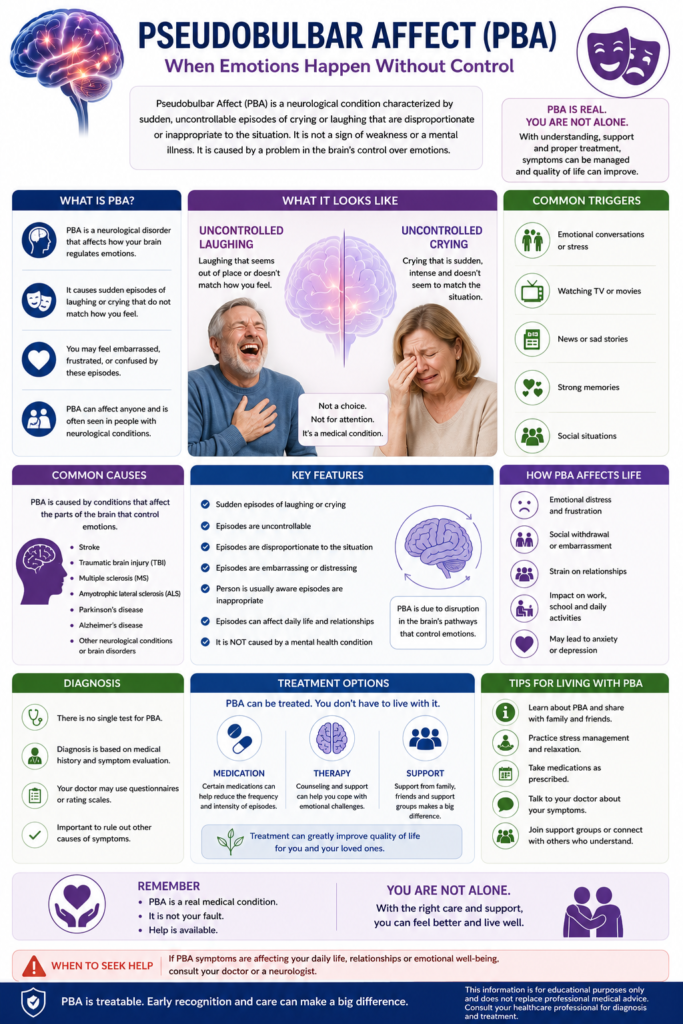
Pseudobulbar Affect (PBA)/Laughter Syndrome
Many people experience uncontrollable outbursts of crying or laughter, a condition known as Pseudobulbar Affect (PBA) or Laughter Syndrome. You might find these episodes disruptive and embarrassing, impacting your daily life. Understanding the causes and symptoms of PBA is the first step towards managing it effectively. You can explore various holistic treatments to regain control.
Key Takeaways:
* Pseudobulbar Affect (PBA), also known as Laughter Syndrome, involves uncontrollable and often inappropriate episodes of crying or laughing. These emotional expressions do not align with a person’s actual feelings.
* PBA stems from neurological conditions such as stroke, traumatic brain injury, multiple sclerosis, ALS, Parkinson’s disease, and Alzheimer’s disease. Damage to brain pathways that regulate emotional expression causes the condition.
* Symptoms of PBA include sudden, frequent, and intense outbursts of crying or laughing that last for several minutes. These episodes can be embarrassing and disrupt daily life, causing social withdrawal.
* Medical treatments for PBA include Nuedexta, a combination of dextromethorphan and quinidine, which helps regulate neurotransmitter activity. Antidepressants, such as SSRIs and tricyclic antidepressants, can also reduce the frequency and severity of episodes.
* Natural approaches to managing PBA include stress reduction techniques like mindfulness and meditation. Regular exercise and a balanced diet support overall brain health, potentially mitigating symptoms.
* Some individuals explore homeopathic remedies and hypnotherapy as complementary treatments for Laughter Syndrome. These alternative therapies aim to improve emotional regulation and reduce the intensity of episodes.
* A holistic treatment plan for PBA often combines conventional medication with lifestyle adjustments, psychological support, and complementary therapies. This comprehensive approach addresses both the neurological and emotional aspects of the condition.
Clinical Identification of Symptoms of Pseudobulbar Affect
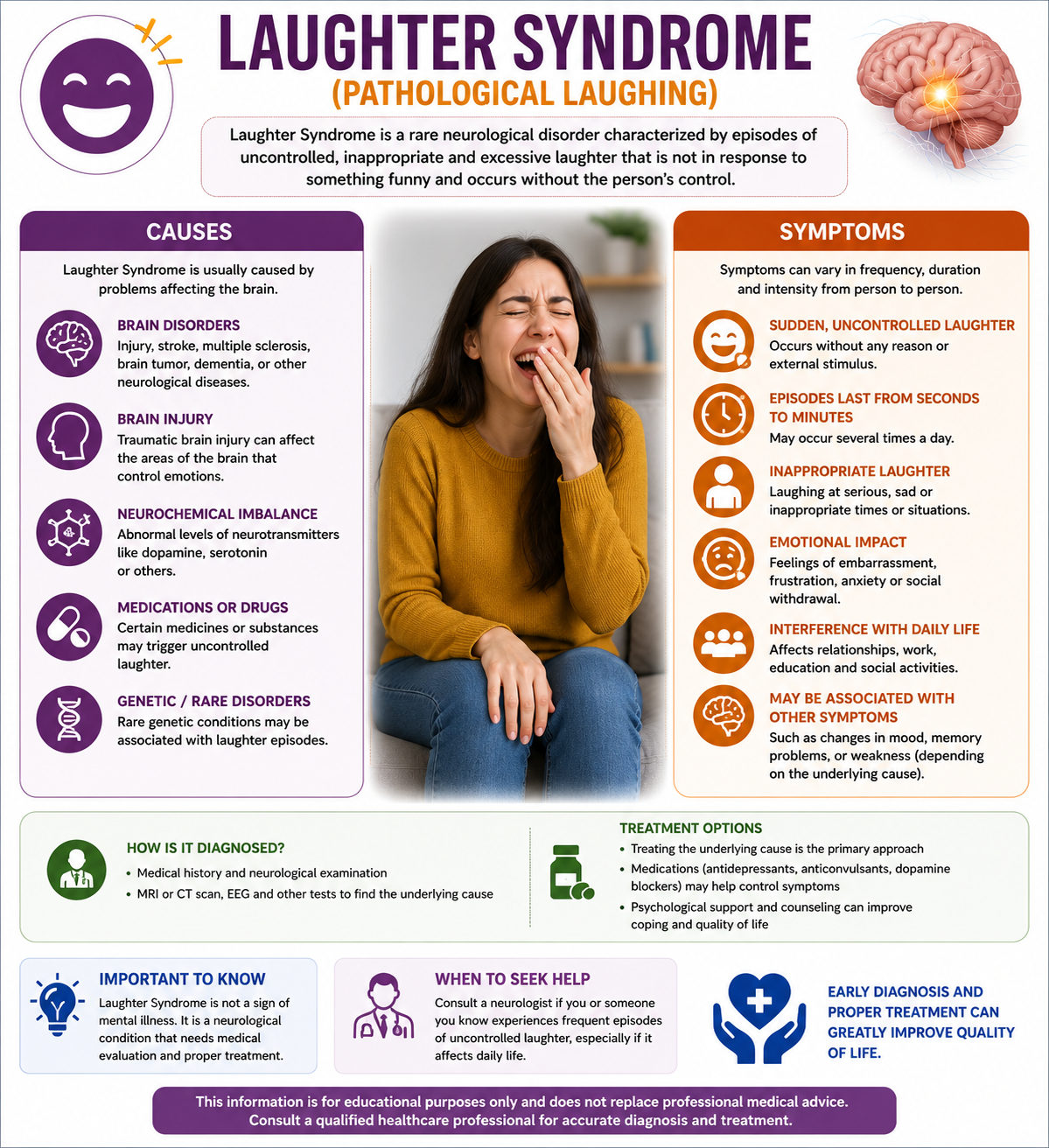
Distinctive patterns of involuntary emotional expression
You might notice that the emotional expressions you experience are often exaggerated or inappropriate for the situation. For instance, you could discover yourself bursting into uncontrollable laughter during a serious conversation or weeping profusely at something mildly amusing. These episodes are typically brief, lasting only a few seconds to a few minutes, and often occur without any preceding emotional triggers. The key characteristic of these expressions is their involuntary nature; you feel unable to stop the laughter or crying once it starts, even if you intellectually understand it’s not the right response. This lack of control can be incredibly distressing and contribute to feelings of embarrassment or social anxiety. You may also observe that these emotional outbursts do not align with your actual internal feelings. Observing these distinct patterns is often the first step in recognizing PBA. Your loved ones might notice these unusual emotional responses, which can be surprising and atypical for you. It’s crucial for you and those around you to understand that these are neurological symptoms, not intentional reactions.
Diagnostic Differentiation Between Pseudobulbar Affect and Mood Disorders
Distinguishing PBA from genuine mood disorders like depression or anxiety is imperative for accurate diagnosis and treatment. You might experience intense sadness or joy, but these emotions in PBA are typically short-lived and do not represent a sustained shift in your overall mood. A mood disorder, in contrast, involves persistent changes in mood, energy levels, and daily functioning over an extended period. Your doctor will carefully assess the context and duration of your emotional expressions. For example, if you are experiencing episodes of crying that last only a minute or two and then dissipate, this behavior is more indicative of PBA than clinical depression, which involves prolonged periods of low mood. The episodic nature of PBA’s emotional outbursts is a key differentiator. The lack of typical vegetative symptoms often associated with major depressive disorder, such as changes in sleep, appetite, or energy, further helps distinguish PBA. You might feel perfectly fine emotionally just before and after a PBA episode, which is rarely the case with a true mood disorder. This clear distinction guides your healthcare provider to the correct diagnosis. Your physician will likely ask detailed questions about the timing, triggers, and duration of your emotional episodes and any other neurological conditions you may have to ensure an accurate diagnosis and rule out other potential causes.
While exploring holistic approaches, understanding conventional treatments for Pseudobulbar Affect (PBA) remains necessary. You will find that medical science offers specific pharmacological and medical interventions designed to manage the involuntary episodes of crying or laughing. These conventional strategies often serve as a foundational element in a comprehensive treatment plan, working to reduce the frequency and intensity of PBA symptoms.
You may wonder about the specific mechanisms behind these conventional treatments. Many researchers target neurotransmitter imbalances in the brain, which they believe contribute to PBA. Doctors carefully consider your individual health profile and the severity of your symptoms when prescribing these interventions.
Consulting with a neurologist or a medical professional experienced in PBA is always your best course of action. They can accurately diagnose your condition and guide you through the various conventional options available, ensuring you receive the most appropriate care.
Current Medication Standards and Clinical Protocols for Pseudobulbar Affect
You will find that the current medication standards for PBA primarily involve specific pharmacological agents. One notable example is Nuedexta, a combination of dextromethorphan hydrobromide and quinidine sulfate, which received FDA approval in 2010 specifically for treating PBA. This medication works by affecting certain neurotransmitters in your brain, helping to regulate emotional responses.
Your doctor might also consider off-label use of antidepressants, particularly selective serotonin reuptake inhibitors (SSRIs) or tricyclic antidepressants (TCAs). These medications, while not specifically approved for PBA, have shown effectiveness in some individuals by modulating brain chemistry. Clinical protocols emphasize a careful assessment of your medical history and potential drug interactions before initiating any of these treatments.
Starting with a low dose and gradually increasing it is a common practice when prescribing these medications. Your doctor will monitor your response and any side effects closely to ensure the treatment is both effective and well-tolerated. This individualized approach helps optimize your therapeutic outcomes.
Management of neurological health and patient safety
Ensuring your neurological health and safety is paramount throughout any PBA treatment. Doctors prioritize a thorough neurological examination to rule out other underlying conditions that might mimic PBA symptoms. You can expect regular follow-up appointments to assess your progress and make any necessary adjustments to your treatment plan.
You will receive clear instructions regarding potential side effects of your medication and when to contact your healthcare provider. For instance, Nuedexta can sometimes cause dizziness, nausea, or diarrhea, and your doctor will discuss these possibilities with you. Open communication with your medical team is crucial for your safety.
Monitoring your overall health, including cardiac function, is also part of managing neurological health, especially with certain medications like quinidine in Nuedexta, which can affect heart rhythm. Your doctor will conduct regular assessments to ensure your well-being. This proactive approach helps prevent complications and ensures your treatment journey is as safe as possible. You should always report any new or worsening symptoms promptly to your doctor, as early intervention can often prevent more serious issues. Maintaining a detailed record of your symptoms and medication intake can also significantly aid your medical team in optimizing your care and ensuring your safety.
Natural and Holistic Recovery Strategies for Pseudobulbar Affect
Considering the complexities of PBA, you might wonder about approaches beyond conventional medication. Many individuals find significant relief and improved quality of life by integrating natural and holistic strategies into their treatment plan. These methods often focus on supporting overall brain health, balancing neurotransmitter function, and creating an environment conducive to emotional stability. You can explore a range of complementary therapies that address the underlying mechanisms contributing to PBA. These may include dietary modifications, specific nutritional supplements, stress reduction techniques, and adjustments to your daily routine. The goal is always to work in conjunction with your healthcare provider to develop a comprehensive plan tailored to your unique needs. Note, while these strategies offer promising avenues for managing PBA symptoms, you should always discuss them with your doctor. A collaborative approach ensures safety and effectiveness, allowing you to experience the full benefits of both conventional and holistic interventions.
Nutritional support for neurotransmitter balance
Your diet plays a significant role in brain health and neurotransmitter function, directly impacting PBA symptoms. Focusing on a balanced intake of important nutrients can help regulate the chemicals responsible for mood and emotional control. Specific vitamins, minerals, and amino acids are precursors to key neurotransmitters like serotonin and dopamine. Optimizing your gut health is also paramount, as the gut-brain axis is a powerful communication pathway. A diet rich in probiotics and prebiotics can support a healthy microbiome, which in turn influences neurotransmitter production and overall neurological function. You should aim for whole, unprocessed foods to fuel your brain effectively. Specific supplements, under medical guidance, can address deficiencies that may exacerbate PBA. For instance, certain omega-3 fatty acids are known for their anti-inflammatory properties and their role in maintaining the integrity of brain cell membranes, potentially mitigating some neurological imbalances associated with PBA.
Lifestyle adjustments and environmental management for Pseudobulbar Affect
Managing your daily environment and making conscious lifestyle choices can significantly impact the frequency and intensity of PBA episodes. Identifying and avoiding triggers is a key step in gaining control over your symptoms. You may find certain social situations, stressors, or even specific sensory inputs consistently precede an episode. Creating a calm and predictable routine can also provide a sense of stability, reducing the likelihood of sudden emotional outbursts. This involves establishing regular sleep patterns, scheduling periods of relaxation, and incorporating activities you find enjoyable and calming. Minimizing exposure to overwhelming or chaotic environments can be particularly beneficial. You can also implement specific coping mechanisms when you feel an episode approaching. Simple techniques like deep breathing exercises, stepping away from a stressful situation, or using a pre-arranged signal with trusted friends or family can help you regain control and reduce the severity of a PBA event.
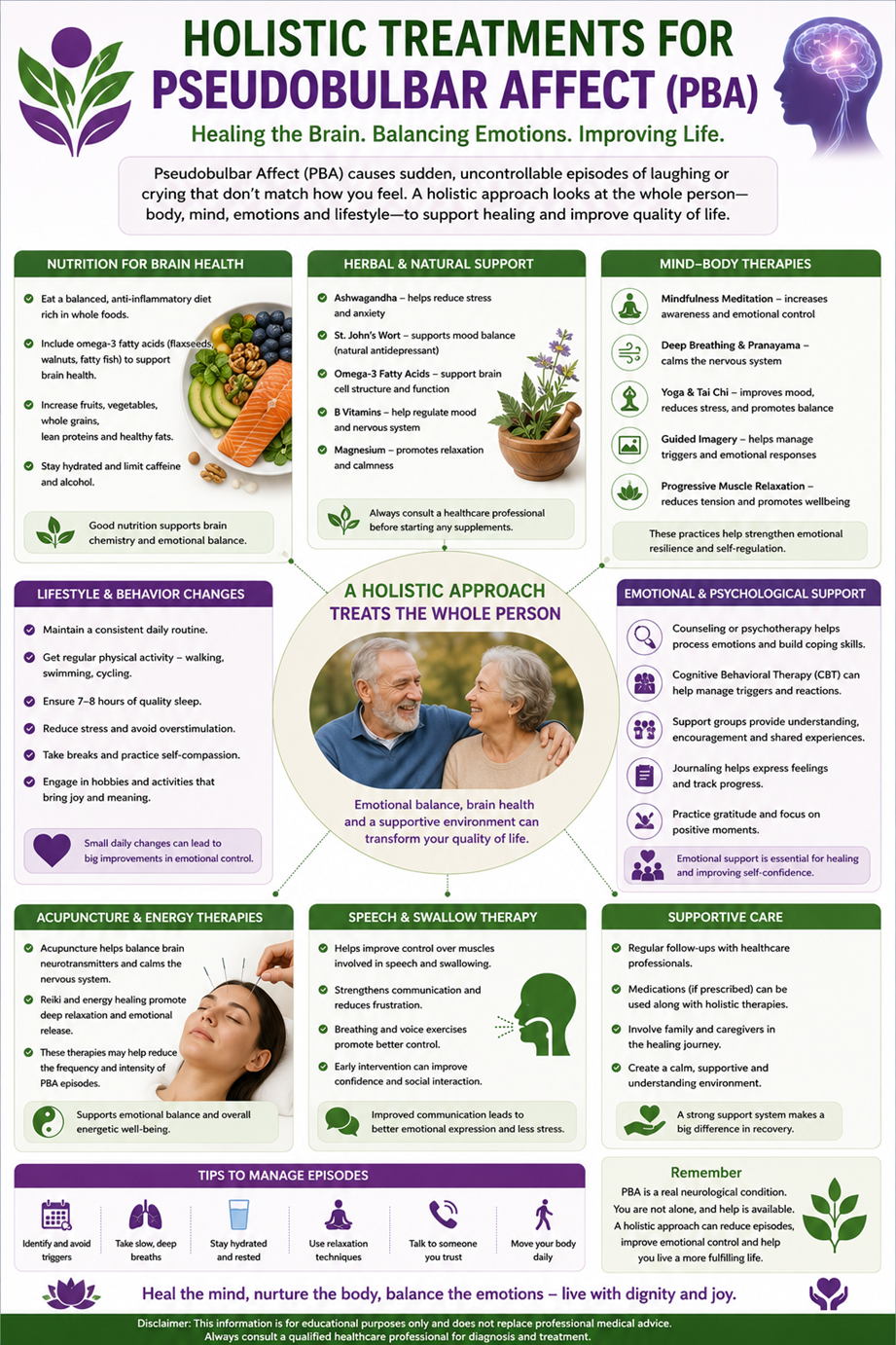
Alternative and Complementary Therapies for Pseudobulbar Affect
You may find relief from PBA symptoms through various alternative and complementary therapies, offering a different approach to managing your condition. These methods often focus on restoring balance within your body and mind, aiming to reduce the frequency and intensity of your involuntary emotional expressions. Exploring these options can provide you with additional tools for coping with PBA, potentially minimizing its impact on your daily life.
Many individuals seek these non-pharmacological interventions as a way to complement their conventional treatments or as a primary approach for milder cases. You will discover that therapies like homeopathy and hypnotherapy, while distinct in their methodologies, both aim to address the underlying imbalances contributing to your PBA. Consider how these approaches might integrate into your existing management plan, offering a more holistic pathway to well-being.
Finding the right combination of therapies often involves a personalized approach, recognizing that what works for one person may differ for another. You are encouraged to discuss these options with your healthcare provider to ensure they are safe and appropriate for your specific situation. This collaborative approach will help you explore the potential benefits of alternative and complementary therapies in managing your PBA effectively.
Acupuncture treatment for pseudobulbar affect
In Eastern medicine, the heart is regarded as the most powerful organ. It makes sense because a person’s life ends when their heart stops beating. Because of this, we do not address any “heart deficiency” patterns in medicine. The “Heart excess” pattern is the only one that applies to our practice. So, in terms of emotional equilibrium, what does “the emperor” do? It manages other feelings and puts them together to form a whole. The package is known as “Shin” in Japanese or “Shen” in Chinese. As acupuncturists, we are educated to read patients’ Shen to determine whether they are happy, depressed, stable, etc. Observing the person’s Shen provides us with several crucial diagnostic tools.
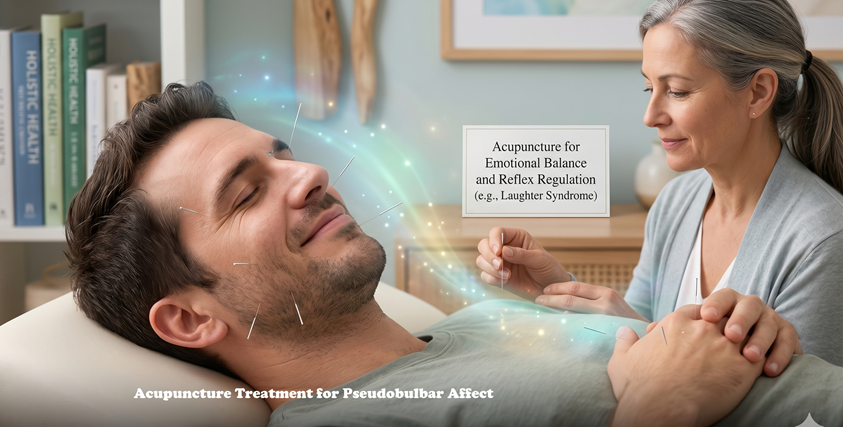
According to Chinese classics, joy is the typical emotional condition of the heart. Our bodies’ Qi circulates when we laugh. When there is too much heat in Heart, one might show manic behaviors with uncontrollable laughter. In my practice, I have not observed such behavior. Such an individual is admitted to a behavioral health center in a contemporary environment. But a weaker form of this condition might be the cause of sleeplessness. Eastern medicine’s vocabulary is based on imagery because it is so ancient. It’s fire for Heart. It might be a roaring structure fire or a steady campfire. The fluid from the kidney is preventing the heart fire from getting out of control. In this metaphor, the kidney is like a pot of water over a fire. The kidney derives its fire from the heart. There are many similarities between this process and the renin-angiotensin-aldosterone system.
- Effectiveness: Studies suggest acupuncture, particularly “needing nape acupoints” and tongue acupuncture, can improve swallowing and speech function in patients with post-stroke pseudobulbar palsy.
- Mechanism: It is believed to work by modulating brain functional networks, enhancing neurotransmitter regulation, promoting neuroplasticity, and reducing inflammation.
- Combination Treatment: Combining acupuncture with traditional rehabilitation therapy has been shown to produce better functional recovery of swallowing and cough reflexes compared to rehabilitation alone.
- High Response Rate: In some studies, a significant percentage of patients with pseudobulbar palsy experienced varying degrees of symptom relief.
- Quality of Evidence: While many studies indicate benefits, some reviews mention a lack of high-quality, large-scale randomized controlled trials (RCTs). The research performed
- Focus Areas: Most research focuses on the physical symptoms of pseudobulbar palsy (dysphagia/dysarthria) rather than the emotional outbursts typically associated with PBA.
- Expert Consultation: It is recommended to consult a licensed acupuncturist experienced in neurological conditions and to discuss this treatment with a neurologist.
Targeted homeopathic interventions for emotional regulation for PBA
Homeopathic remedies for laughter syndrome focus on individualized treatment, tailoring specific preparations to your unique symptom presentation. This approach considers not only your involuntary laughter or crying but also your broader emotional and physical state. A qualified homeopath will conduct a thorough consultation to understand the nuances of your PBA, aiming to identify the most suitable remedy.
These natural remedies are made by repeatedly diluting and shaking the original substance, which is thought to keep its energetic imprint. You will find that the goal of homeopathic treatment is to stimulate your body’s inherent healing mechanisms, gently guiding them back toward a state of balance. This subtle yet powerful intervention aims to reduce the intensity and frequency of your PBA episodes over time.
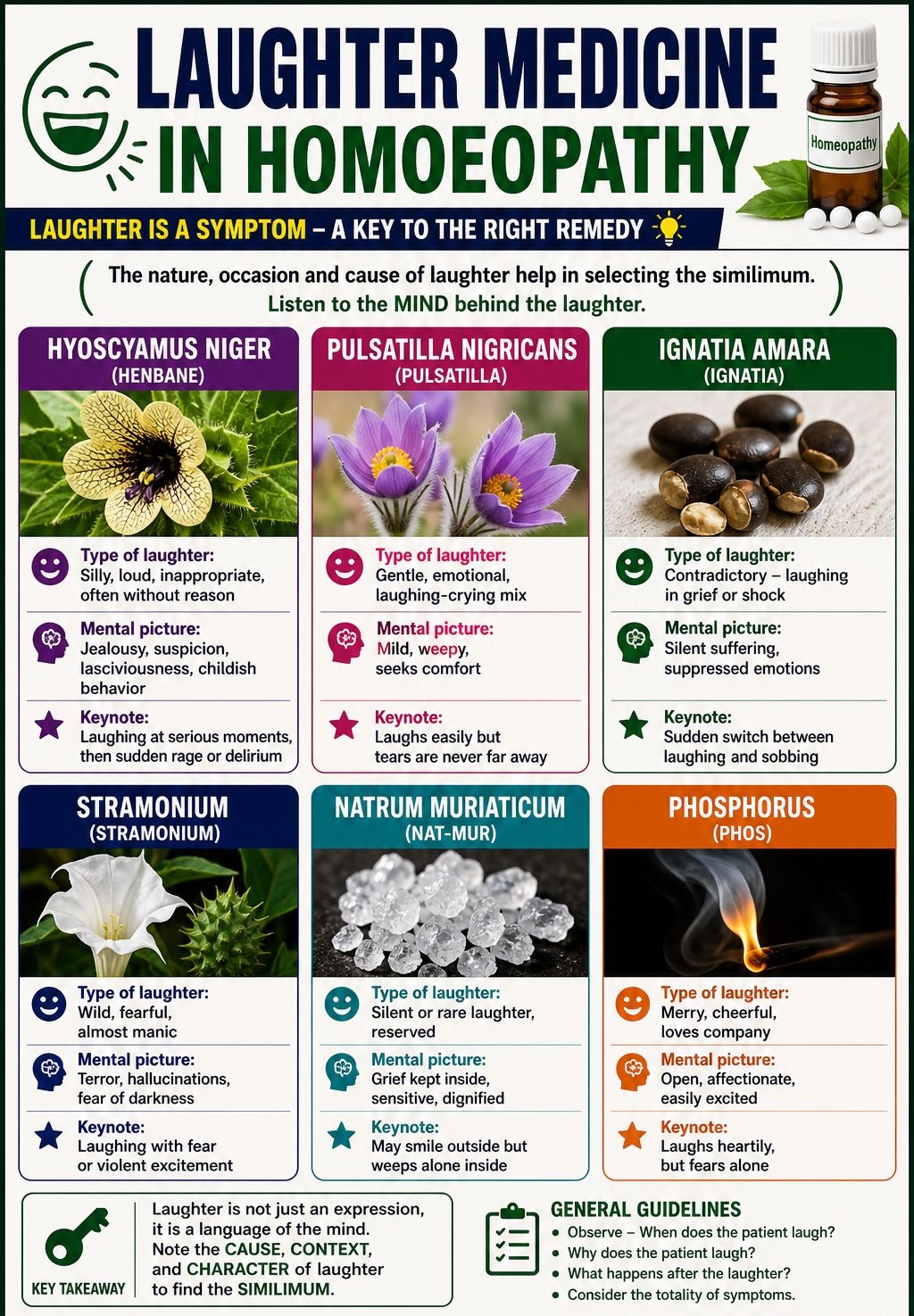
Your journey with homeopathic treatment for laughter syndrome will involve careful observation of your symptoms and responses to the remedies. The homeopath will adjust the treatment as needed, ensuring it continues to align with your evolving condition. This personalized and adaptive approach is a hallmark of homeopathic care, emphasizing your individual healing process.
Cognitive-behavioral benefits of clinical hypnotherapy for laughter syndrome
Hypnotherapy for laughter syndrome offers a unique avenue for addressing the psychological and emotional components of your condition. Through guided relaxation and focused attention, you can access a state of heightened suggestibility, allowing for direct communication with your subconscious mind. This process can help you reframe your reactions to triggers and develop new coping mechanisms.
This therapeutic approach can empower you to gain greater control over your involuntary emotional expressions. You will learn techniques to manage the onset of laughter or crying episodes, potentially reducing their intensity or even preventing them. Hypnotherapy provides tools for you to actively participate in your healing, creating a sense of control over your PBA symptoms.
Your sessions with a clinical hypnotherapist will involve personalized suggestions and imagery designed to address your specific PBA challenges. The aim is to modify your subconscious responses, helping you to achieve a more balanced and regulated emotional state. This can lead to a significant improvement in your quality of life, allowing you to engage more comfortably in social situations.
Clinical hypnotherapy can provide you with practical strategies for managing your PBA, extending beyond the therapy room. You might learn self-hypnosis techniques to use at home, reinforcing the positive suggestions and strengthening your ability to regulate your emotions. This self-management aspect is particularly beneficial, giving you ongoing tools to address unexpected episodes and maintain emotional equilibrium in your daily life.
Conclusion
With these considerations, you now have a comprehensive overview of managing Pseudobulbar Affect (PBA), also known as Laughter Syndrome, through integrated medical and holistic frameworks. Understanding the causes and symptoms is the initial step in seeking appropriate care. While the medical community continues to research the neurological underpinnings, you can explore various treatment modalities to improve your quality of life. Tailoring a treatment plan to your individual needs is key, as PBA manifests differently in each person.
You have learned that a multi-faceted approach often yields the best results. This can involve pharmaceutical interventions, such as antidepressants or specific PBA medications, alongside various holistic therapies. These complementary approaches might include mindfulness practices, stress reduction techniques, and dietary adjustments, all aimed at supporting your overall well-being. Your commitment to exploring these options, in consultation with healthcare professionals, will be instrumental in effectively managing your symptoms and reducing their impact on your daily life.
You possess the knowledge to proactively address PBA. By integrating medical treatments with holistic strategies, you can achieve a more balanced and fulfilling existence. Bear in mind, ongoing communication with your doctors and a willingness to adapt your treatment plan as needed are vital for long-term success. Your journey towards managing Laughter Syndrome is a personal one, and you are well-equipped to make informed decisions about your care.
FAQ

Q: What exactly is Pseudobulbar Affect (PBA), also known as Laughter Syndrome?
A: Pseudobulbar Affect (PBA) is a neurological condition characterized by involuntary and uncontrollable outbursts of crying or laughing, often disproportionate to or incongruent with the person’s actual emotional state. These episodes can occur suddenly, lasting from a few seconds to several minutes. The term “Laughter Syndrome” sometimes describes PBA, particularly when involuntary laughter is the predominant symptom. Individuals experiencing PBA may feel a disconnect between their internal feelings and their outward emotional expression, leading to significant distress and social embarrassment. It is distinct from mood disorders, though it can co-occur with them.
Q: What are the primary causes and underlying mechanisms of Pseudobulbar Affect?
A: PBA typically arises from neurological conditions that affect brain pathways involved in emotional regulation. Damage or dysfunction in the prefrontal cortex, cerebellum, or brainstem, regions responsible for controlling emotional expression, can lead to PBA. Common underlying causes include traumatic brain injury (TBI), stroke, multiple sclerosis (MS), amyotrophic lateral sclerosis (ALS), Parkinson’s disease, and Alzheimer’s disease. These conditions disrupt the normal communication between the parts of the brain that process emotions and those that control their outward display. The exact neurochemical mechanisms are still being studied, but neurotransmitter imbalances, particularly involving serotonin and glutamate, are thought to play a role.
Q: What are the common symptoms of Pseudobulbar Affect, and how do they impact daily life?
A: The hallmark symptoms of PBA are sudden, frequent, and uncontrollable episodes of crying or laughing. These outbursts often occur without an apparent trigger or in response to a minor stimulus that would not typically elicit such an intense emotional reaction. A person might laugh uncontrollably at a serious event or cry profusely during a joyful occasion. These episodes are usually short-lived but can be quite intense. Individuals often report feeling embarrassed, frustrated, or ashamed by these involuntary displays. The unpredictable nature of PBA can severely impact social interactions, employment, and overall quality of life, often leading to social withdrawal and isolation. Many individuals describe feeling a sense of helplessness during an episode.
Q: What are the conventional medical treatments available for managing Pseudobulbar Affect?
A: Conventional medical treatments for PBA primarily involve pharmacological interventions aimed at regulating neurotransmitter activity in the brain. The most commonly prescribed medication is a combination of dextromethorphan hydrobromide and quinidine sulfate (Nuedexta), which is specifically approved for PBA. This medication is believed to modulate glutamate and serotonin pathways. Antidepressants, particularly selective serotonin reuptake inhibitors (SSRIs) and tricyclic antidepressants (TCAs), are also sometimes used off-label to help manage PBA symptoms, as they can affect neurotransmitter levels. A doctor will determine the most appropriate treatment based on the individual’s specific symptoms, underlying conditions, and potential side effects.
Q: Are there any holistic or natural treatments that can complement conventional approaches for Pseudobulbar Affect?
A: Holistic and natural approaches can serve as complementary strategies to conventional treatments for PBA, focusing on overall well-being and symptom management. Stress reduction techniques, such as mindfulness meditation, deep breathing exercises, and yoga, can help individuals cope with the emotional distress associated with PBA. Regular physical activity can also improve mood and reduce anxiety. A balanced diet rich in omega-3 fatty acids, found in fish and flaxseed, may support brain health. Some individuals find benefit from cognitive-behavioral therapy (CBT), which can help develop coping mechanisms for managing episodes and reducing associated anxiety. It is important to discuss any natural treatments with a healthcare provider to ensure they are safe and do not interfere with prescribed medications.
Q: Can homeopathic remedies offer relief for symptoms of Laughter Syndrome, and how do they work?
A: Homeopathic remedies are based on the principle of “like cures like” and involve highly diluted substances intended to stimulate the body’s self-healing mechanisms. For Laughter Syndrome (PBA), a homeopathic practitioner would select remedies based on the individual’s specific symptom presentation and overall constitution. For example, remedies like Ignatia Amara might be considered for paradoxical emotional expressions, while Nux Vomica could be suggested for irritability and emotional outbursts. Robust scientific evidence in conventional medical literature does not support the effectiveness of homeopathy for PBA. Individuals considering homeopathic treatments should consult a qualified homeopathic practitioner and inform their conventional medical doctor about all treatments they are pursuing.
Q: How might hypnotherapy be utilized as a supportive therapy for individuals experiencing Laughter Syndrome?
A: Hypnotherapy involves guiding an individual into a relaxed, focused state of consciousness to access the subconscious mind and promote therapeutic change. For Laughter Syndrome (PBA), hypnotherapy could be used to help individuals develop better emotional regulation and coping strategies. A hypnotherapist might help a person explore potential triggers for episodes, reduce anxiety associated with unpredictable outbursts, and build a sense of internal control. Suggestions could be given to promote calmness, reduce the intensity or frequency of episodes, or enhance the ability to manage emotional responses. Hypnotherapy can also help address the psychological distress, embarrassment, and social anxiety often experienced by individuals with PBA. While hypnotherapy is generally considered safe, its direct efficacy in treating the neurological basis of PBA is not established, and it is best used as a complementary therapy under the guidance of a qualified and experienced hypnotherapist.
Holistic Treatment for Pseudobulbar Affect in Philadelphia
Pseudobulbar Affect is a tricky condition to manage, and it can prevent you from living a healthy and sound life. Symptoms can be challenging to deal with, and no cure exists currently. However, a comprehensive and effective treatment plan can significantly reduce the symptoms and prevent future episodes. The above-listed natural treatments for Pseudobulbar Affect can provide remarkable results. However, there is no single treatment plan; you may need to try a few before finding the right one.
At the Philadelphia Holistic Clinic, a team of holistic professionals (acupuncturist, psychologist, homeopath, and hypnotherapist) works under the strict supervision of medical doctor Victor Tsan, who has extensive academic and clinical experience in natural treatments for Pseudobulbar Affect.
For professional natural treatment of Pseudobulbar Affect, contact Philadelphia Holistic Clinic at (267) 403-3085 to schedule your comprehensive, holistic evaluation and start your journey to recovery.