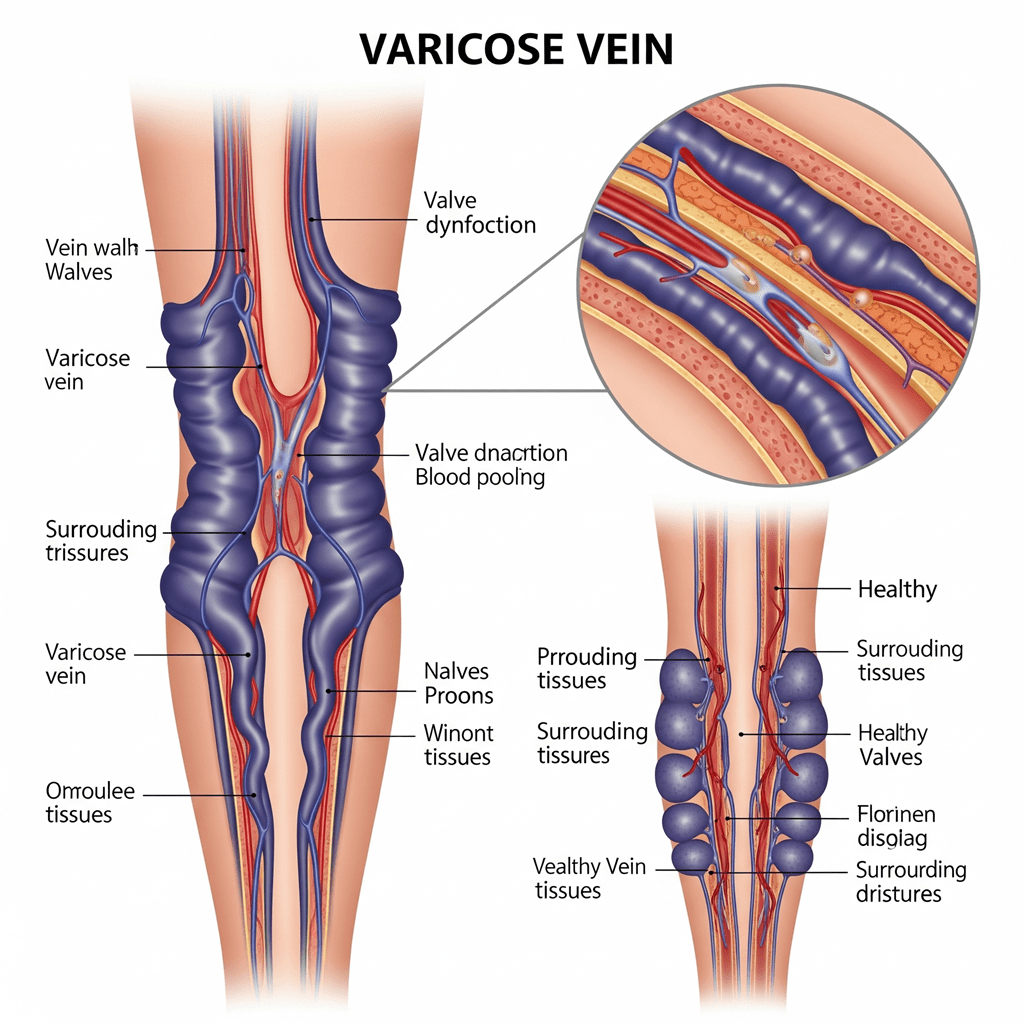
Anatomy of Varicose Veins
Varicose veins develop due to weaknesses in your vein walls and valves, primarily located in the legs, where blood has to travel upward against gravity to return to the heart. In healthy veins, one-way valves ensure that blood flows smoothly back toward the heart. However, when these valves become damaged or weakened, blood can pool backward, increasing pressure inside the vein. This pressure causes the vein walls to stretch, twist, and bulge, which manifests visibly as varicose veins on your skin.
Your leg veins are divided into superficial and deep venous systems, connected by perforator veins. Varicose veins usually stem from the superficial veins, such as the great saphenous vein or small saphenous vein. Normally, these superficial veins perform as conduits directing blood inward, but once their valve function falters, the resulting reflux causes the veins to enlarge. Over time, this persistent backflow worsens vein dilation and causes the characteristic rope-like, bluish or purplish veins that are often raised above the skin surface.
The condition can also lead to microvascular changes around the skin, including inflammation and thickening. In advanced stages, the increased pressure damages surrounding tissue, causing symptoms like aching, heaviness, and swelling in your legs. Varicose veins vary greatly in severity from mild aesthetic issues to serious medical concerns requiring intervention. Understanding the anatomical basis of this condition can guide you towards effective symptom recognition and proper preventive steps.
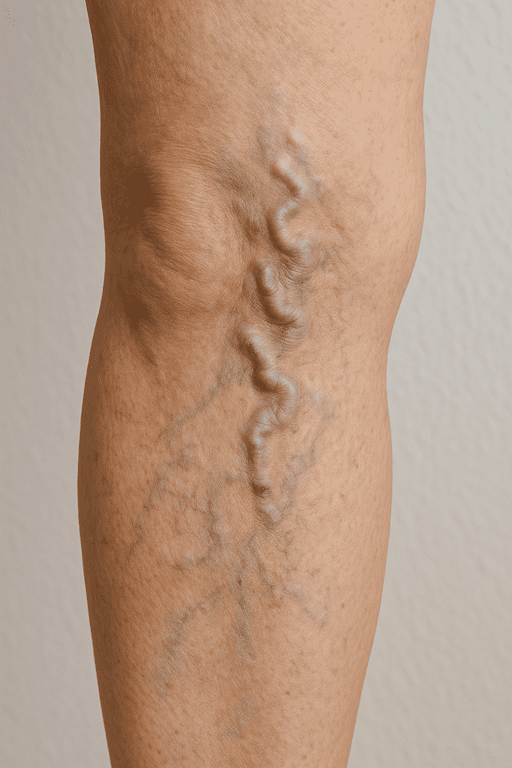
Distinction Between Varicose and Spider Veins
Many people confuse varicose veins with spider veins, yet these two conditions differ both in appearance and underlying pathology. Spider veins present as smaller, fine, web-like clusters of blood vessels visible just beneath the skin’s surface. They typically appear red, blue, or purple and don’t bulge like varicose veins, which are larger and often twisted. While spider veins are mostly a cosmetic concern, varicose veins can cause significant discomfort and pose health risks if untreated.
Spider veins develop due to dilation of small blood vessels called capillaries, often caused by sun exposure, hormone changes, or minor trauma. In contrast, varicose veins arise from venous valve dysfunction leading to blood pooling in larger superficial veins. If you notice spider veins on your face or legs without any pain or swelling, they generally require no medical treatment but can be treated for cosmetic reasons. However, varicose veins, because of their size and symptoms such as leg pain, swelling, or skin changes, demand more thorough evaluation and possibly intervention.
Both conditions share some risk factors—including genetics, prolonged standing, pregnancy, and obesity—and sometimes coexist in the same area. Specialists often use duplex ultrasound to distinguish between them accurately. Understanding the differences can help you focus on appropriate treatment options tailored to the severity and risks involved.
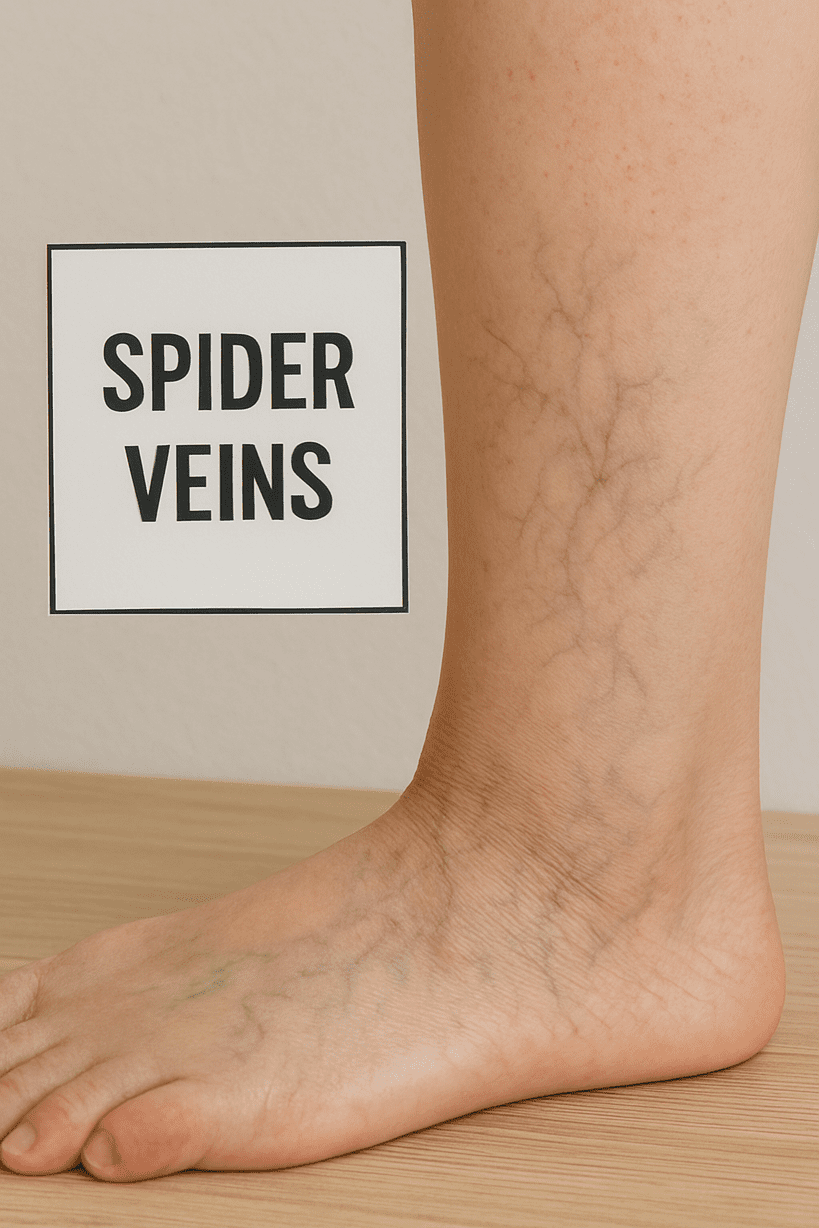
Although spider veins and varicose veins may seem similar at first glance, their distinct causes and implications influence how they should be treated. For example, spider veins respond well to sclerotherapy or laser treatments targeted at small vessels, whereas varicose veins often require compression therapy, lifestyle changes, and sometimes surgical procedures to address venous insufficiency and prevent complications.
Key Takeaways:
- Varicose veins are enlarged, twisted veins typically appearing in the legs due to weakened or damaged vein valves that allow blood to pool.
- Primary causes include genetics, prolonged standing or sitting, obesity, pregnancy, aging, and hormonal changes, all of which increase pressure on leg veins.
- Common symptoms include visible bulging veins, aching, heaviness, swelling, itching, and sometimes skin discoloration around the affected area.
- Thrombophlebitis, an inflammation of a vein caused by a blood clot, can occur alongside varicose veins, leading to pain and redness.
- Preventive measures involve regular exercise, elevating legs, avoiding prolonged inactivity, maintaining a healthy weight, and wearing compression stockings.
- Treatment options range from lifestyle changes and compression therapy to medical procedures such as sclerotherapy, laser therapy, and varicose vein surgery.
- Holistic approaches, including acupuncture, homeopathy, and natural creams may provide symptom relief, but consultation with healthcare professionals is advised for comprehensive management.
The Root Causes: Unpacking the Factors Behind Varicose Veins
Genetic Predisposition and Family History
Your genes have a significant influence on the likelihood of developing varicose veins. Research shows that if one or both of your parents had varicose veins, your chances increase substantially—some studies suggest up to 70% of cases are linked to heredity. This stems from inherited weaknesses in the vein walls or faulty valves that allow blood to pool instead of flowing back toward the heart efficiently. Specific inherited connective tissue disorders can also impact vein elasticity, making your veins more prone to bulging and twisting under pressure.
Even without an obvious family history, subtle genetic factors can predispose you to vein problems. For example, variations in collagen production or the structure of the vein valves might not cause varicose veins outright but can make you more vulnerable when other risk factors like standing for long hours come into play. If you notice varicose veins developing at a young age or in several family members, it’s likely that genetics play a strong role in your particular case.
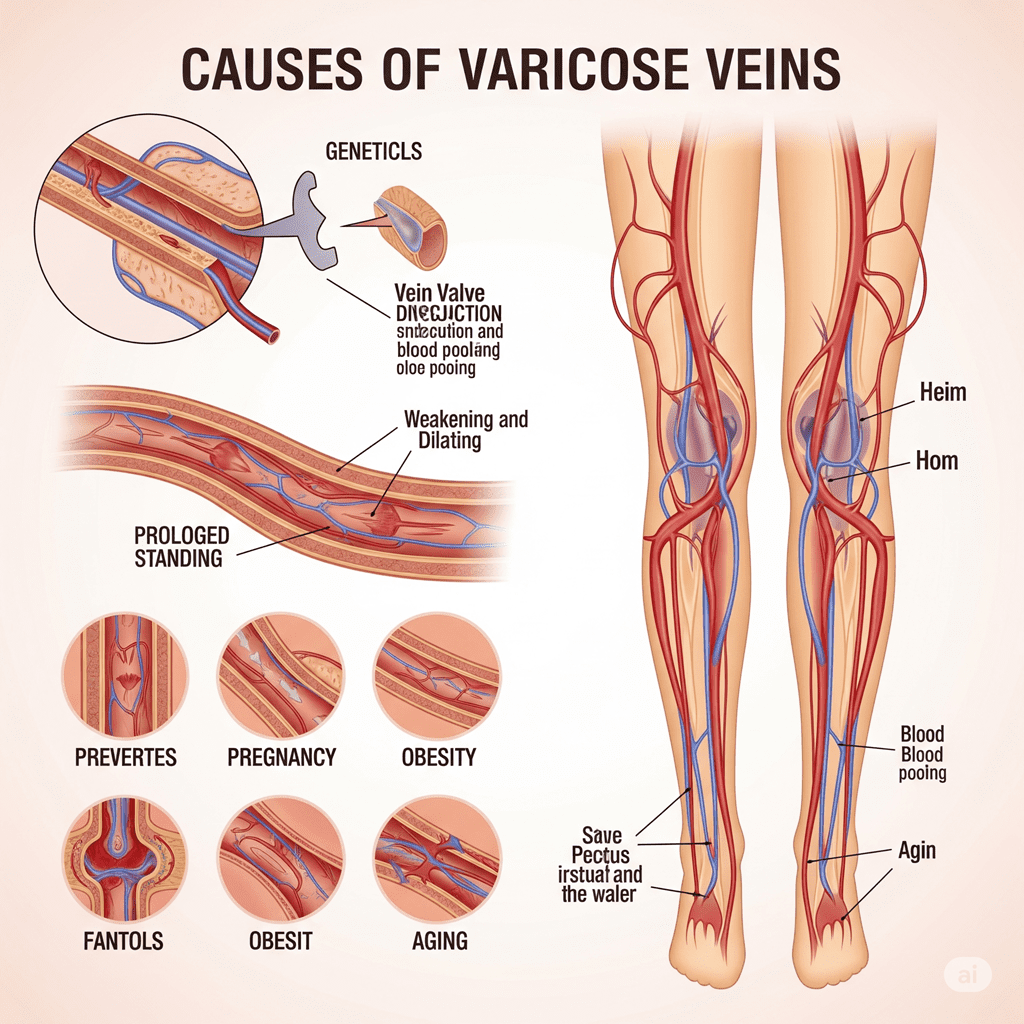
Because genetic influences affect the underlying anatomy and function of veins, treatments often need to consider your unique vascular makeup. While lifestyle changes can help manage symptoms and progression, you may find that you require more targeted interventions like compression therapy or medical procedures if your genetic disposition is strong. You should be mindful of this inherited risk and proactively adopt measures that support your vascular health.
Lifestyle Choices and Their Impact on Circulation
Your daily habits and activities have a direct effect on circulation and vein health. Sedentary behavior, especially sitting or standing for prolonged periods, causes blood to pool in the lower limbs, increasing pressure on vein walls and valves. Jobs that demand long hours on your feet, such as retail or healthcare work, can accelerate this process. Lack of regular exercise also reduces the efficiency of your calf muscles, which normally help push blood back towards the heart, making varicose veins more likely to develop.
Diet and weight also tie into vein health. Excess body weight increases the load on your leg veins, exacerbating valve insufficiency and distension. Diets low in fiber can contribute to constipation, which heightens abdominal pressure and impairs venous return. Even the type of clothing you wear matters; tight clothes around the waist, thighs, or legs can restrict blood flow and contribute to varicose vein formation. Smoking negatively affects circulation by damaging blood vessels and reducing oxygen transport, further aggravating venous insufficiency.
A proactive approach to lifestyle—regular exercise like walking, cycling, or swimming; maintaining a healthy weight; and avoiding tight, restrictive clothing—can dramatically improve your circulation and reduce the risk of varicose veins. Intermittently moving your legs when sitting or standing also helps promote venous blood flow. You may find that these adjustments slow the progression of varicosities and relieve related discomfort.
Beyond avoiding prolonged inactivity, incorporating movement breaks and leg elevation in your daily routine can make a tangible difference for your venous health over time.
Hormonal Influences and Pregnancy
Hormones play a complex role in your vein health, particularly those related to female reproductive biology. Estrogen and progesterone, which fluctuate throughout your menstrual cycle, pregnancy, and menopause, can affect vein tone and elasticity by relaxing the walls. During pregnancy, these effects are amplified alongside increased blood volume and the mechanical pressure of a growing uterus on the pelvic veins, which together contribute to the common onset or worsening of varicose veins in expectant mothers.
Each trimester brings shifts in hormone levels that further decrease valve efficiency and increase venous pressure. The prevalence of varicose veins in pregnancy can be as high as 40%, and although many cases improve after childbirth, some persist or worsen with subsequent pregnancies. Hormonal treatments, including birth control pills or hormone replacement therapy, can also increase your risk due to similar vascular effects, especially when combined with other risk factors such as age or family history.
Because these hormonal influences are cyclical and sometimes unavoidable, managing varicose veins associated with them requires a multifaceted strategy. You may benefit from supportive measures like compression stockings during pregnancy, combined with postnatal monitoring and treatment options tailored to your individual situation. You should communicate openly with your healthcare provider about pregnancy plans or hormone therapies in the context of your venous health.
Understanding these hormonal shifts empowers you to anticipate changes and make informed decisions about preventative care during vulnerable periods.
Age and Its Role in Vascular Health
Vascular structures naturally deteriorate as you age. The vein walls lose elasticity and the valves weaken, impairing the unidirectional flow of blood back to the heart. This degeneration is progressive, with incidence rates of varicose veins rising sharply after age 50. Over decades, cumulative effects of gravity, lifestyle, and genetics manifest more clearly, often leading to visible vein distension and symptoms such as heaviness, cramping, or swelling.
Older veins also tend to have a slower response to injury or inflammation, which means varicose veins may linger or worsen if left untreated. Age-related changes in connective tissue composition—such as reduced collagen and elastin—contribute to the sagging and tortuosity of your veins. Moreover, the lymphatic system’s efficiency decreases with age, further complicating fluid balance in the legs and magnifying varicose vein symptoms.
Medical studies indicate that while varicose veins can appear at any adult age, people over 60 are more likely to require interventions beyond lifestyle changes, such as sclerotherapy or surgical correction. Thou will find that combining age-conscious care routines—like regular exercise tailored to your abilities and vigilant symptom monitoring—with professional treatments leads to the best outcomes.
Proactive vascular assessments after middle age allow early detection of worsening venous insufficiency and timely adjustments to your care plan.
Signals from Your Body: Recognizing Varicose Vein Symptoms
Common Physical Indicators
You might start noticing varicose veins as bluish or purplish bulges winding just beneath your skin, most commonly appearing on your legs. These veins often look swollen, twisted, and ropelike—sometimes quite pronounced enough to be visible when you’re standing. Along with their appearance, you may feel an aching or heavy sensation in your legs, especially after long periods of standing or sitting. Some people report mild swelling in the ankles or feet that worsens as the day progresses or in warmer weather.
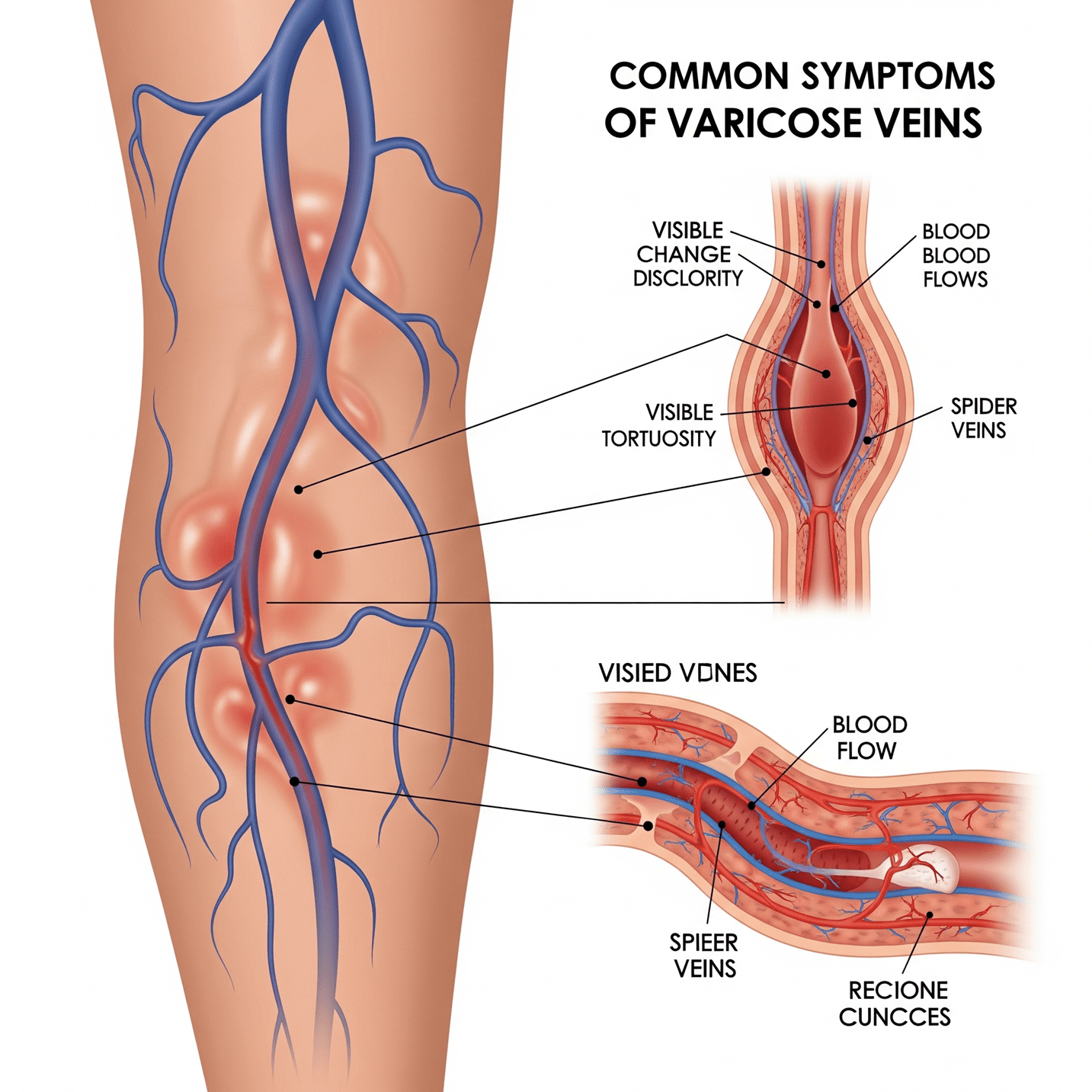
Another frequent symptom involves itching or a mild burning sensation localized around affected veins, which results from stretching and irritation of the surrounding skin. You might also notice cramping or restless legs during nighttime, possibly disrupting your sleep. The skin near varicose veins can sometimes become dry, thin, or discolored, signaling the veins have started to impact the local tissue integrity. If you experience these sensations along with visible vein changes, it’s likely that the faulty valves within your veins are causing blood to pool, leading to these discomforts.
Experiencing skin changes such as a leathery texture or the development of small ulcers over areas with severe varicose veins indicates the condition’s progression. While early varicose veins often present without intense pain, increasing discomfort paired with noticeable vein enlargement points to advancing venous insufficiency. You may also detect an increase in the visibility of spider veins nearby, which are smaller but can cause cosmetic concern and mild symptoms. Paying attention to these physical cues helps you seek timely advice or intervention to manage the condition effectively.
Complications: When Varicose Veins Lead to Thrombophlebitis
Occasionally, varicose veins can set the stage for more serious complications such as superficial thrombophlebitis, a condition where a blood clot forms in a vein close to the surface of your skin. You might notice a tender, red, and warm area along the path of the affected vein accompanied by swelling and an uncomfortable hard lump beneath the skin. This clot formation arises due to slowed blood flow and inflammation in the already compromised vein, sometimes causing sharp localized pain and even systemic symptoms like mild fever.
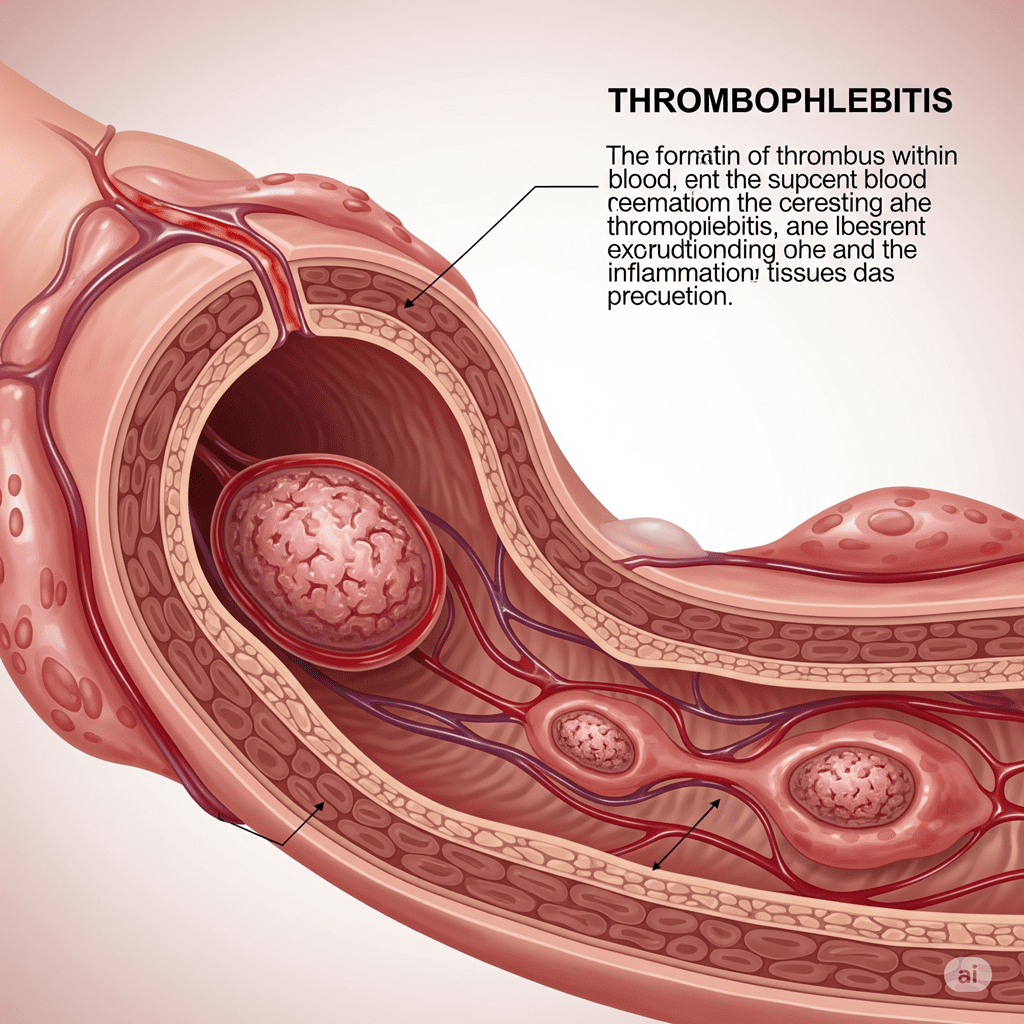
In some cases, the clot can extend or increase in size, threatening more severe venous obstruction. This might cause your leg to swell more significantly and leave you with a persistent sensation of heaviness or warmth that doesn’t improve with rest or elevation. Though superficial thrombophlebitis is often less dangerous than deep vein thrombosis, it can still lead to complications such as infection or contribute to chronic venous insufficiency if untreated. Early recognition of swelling, redness, and heightened discomfort along with your varicose veins deserves prompt medical evaluation.
Symptoms like persistent redness, increasing pain, and a firm vein cord warrant professional attention, especially if you develop fever or chills. Your healthcare provider might recommend ultrasound studies to assess clot extent and determine the appropriate treatment, which can include anti-inflammatory medications, compression therapy, or in some cases, anticoagulants. Addressing thrombophlebitis promptly helps avoid further complications and supports better long-term vein health when you are dealing with varicose veins.
Understanding the possible transition from typical varicose vein discomfort to thrombophlebitis highlights the importance of monitoring any sudden changes in symptoms such as increased pain, swelling, or redness. While not every case of varicose veins will develop this complication, awareness of these warning signs ensures timely intervention to prevent escalation and preserve vein function.
Proactive Measures: Smart Strategies to Prevent Varicose Veins
Lifestyle Modifications for Better Circulation
Adopting specific lifestyle changes can significantly support healthy venous function and reduce the risk of developing varicose veins. For instance, maintaining proper posture while sitting or standing will help minimize unnecessary pressure on your leg veins. Avoid crossing your legs when seated, as this can impede blood flow. Using a footstool to elevate your legs slightly when sitting can stimulate circulation and alleviate vein pressure. Additionally, changing positions regularly—shifting from sitting to standing or walking around every 30 to 60 minutes—prevents blood from pooling and reduces venous hypertension.
Hydration and skin care also contribute to vein health. Well-hydrated skin maintains elasticity, helping support the veins beneath. Dry or damaged skin can increase susceptibility to vein fragility and related complications. Applying moisturizers that contain vitamin E or aloe vera may improve skin quality, allowing your veins to adapt better to physical stresses. Wearing loose, breathable clothing instead of tight garments around the waist, thighs, or calves alleviates constrictive pressure that can impair venous return.
Incorporating brief leg elevation sessions throughout the day further enhances venous drainage. Elevate your legs above the level of your heart for 15 to 20 minutes, which encourages gravity-assisted blood flow toward the heart. This small adjustment reduces venous pooling, decreases swelling, and provides relief if you already experience mild symptoms of vein discomfort. Integrating such changes within your daily routine helps preserve valve function and minimize venous reflux.
The Importance of Regular Physical Activity
Engaging in consistent physical activity increases leg muscle strength and optimizes venous pumping action, which is key in preventing varicose veins. Exercises like walking, swimming, and cycling promote healthy circulation by facilitating blood movement against gravity. Each contraction of your calf muscles acts like a pump, propelling blood back towards the heart and reducing venous pressure in leg veins. Low-impact cardio activities performed for 30 minutes, five times per week, produce measurable benefits in vascular health.
Specific exercises targeting the calf muscles improve the functionality of the venous valves and enhance overall blood flow. Heel raises, ankle pumps, and toe flexes can be easily performed at home or work, complementing longer bouts of aerobic activity. The muscle contractions created during these exercises create mechanical forces that compress vein walls, diminishing venous stasis—the sluggish blood flow responsible for varicose vein development. Consistency in these movements over weeks can strengthen your venous system and delay the onset of noticeable vein bulging.
Even when your lifestyle involves prolonged sitting or standing, taking brief activity breaks can interrupt venous congestion. Alternating between light stretches and short walks every hour helps keep blood flowing smoothly. Integrating such habits into your daily schedule may reduce the need for more aggressive varicose vein treatments later. Avoiding long static positions minimizes stress on valves, which prevents the backward leakage of blood that causes those characteristic swollen veins.
Regular physical activity not only maintains healthy veins but also supports weight control, another important factor influencing vein pressure and function. Carrying excess body weight increases the load on your leg veins and accelerates valve deterioration, so exercise indirectly protects your veins by helping you stay within a healthy weight range. The synergistic effect of activity and weight management is one of the most effective tools in your prevention toolkit.
Dietary Choices That Support Vascular Health
The foods you consume impact the strength and integrity of your veins. Incorporating antioxidants such as vitamins C and E into your diet can improve collagen synthesis and protect vein walls from oxidative damage. Citrus fruits, bell peppers, and spinach are excellent sources of vitamin C, while nuts and seeds provide vitamin E. Including these regularly can boost vascular resilience, reducing your likelihood of developing varicose veins or experiencing worsening symptoms.
Dietary fiber, abundant in whole grains, legumes, and fresh fruits, helps prevent constipation—a known contributor to varicose veins. Straining during bowel movements increases intra-abdominal pressure and venous pressure in the legs, exacerbating vein dilation. Consistent fiber intake of at least 25 to 30 grams daily reduces this strain, indirectly protecting your venous system. Furthermore, drinking adequate water complements fiber’s benefits by ensuring smooth digestive function.
Reducing excessive salt consumption plays a role in managing venous swelling and inflammation. High sodium intake promotes water retention that can cause leg edema, placing additional stress on weakened vein walls and valves. Choosing fresh, minimally processed foods and seasoning with herbs instead of salt helps control fluid retention. Ingredients like garlic and turmeric have anti-inflammatory properties and may assist in maintaining vascular tone when included regularly in your meals.
While dietary adjustments alone won’t completely prevent varicose veins if other risk factors dominate, they provide a foundational layer of vascular support. Combining a nutrient-rich diet with other preventive habits amplifies your ability to safeguard your veins over time.
Compression Stockings: Their Benefits and Drawbacks
Compression stockings serve as a foundational tool in managing varicose veins by applying graduated pressure to your lower legs. This pressure helps improve blood circulation, preventing the pooling of blood that contributes to vein swelling and discomfort. Various compression levels exist, typically measured in millimeters of mercury (mmHg), ranging from mild (15-20 mmHg) for preventive use to stronger prescriptions (30-40 mmHg) for more advanced symptoms. Wearing compression stockings regularly can reduce leg heaviness and swelling and improve overall vein function, making them a non-invasive first step in treatment.
One notable advantage of compression stockings is their accessibility and ease of use, which often makes them the initial recommendation by healthcare providers. You won’t need any invasive procedures or medications, and these stockings can be worn during daily activities or long periods of standing or sitting—both common contributors to varicose vein discomfort. Many patients report a significant reduction in symptoms after consistent use, particularly when combined with lifestyle changes such as regular exercise and leg elevation.
However, compression stockings do have limitations. They don’t eliminate the varicose veins themselves but rather manage symptoms and prevent worsening. Some find them uncomfortable or difficult to put on, especially those with reduced mobility or arthritis. Furthermore, compression stockings must fit properly to be effective; ill-fitting stockings can worsen symptoms or fail to provide adequate support. For severe cases involving frequent pain, ulcers, or thrombophlebitis, relying solely on compression stockings might offer insufficient relief, necessitating more advanced treatment options.
Surgical Interventions: When to Consider Options Like Vein Stripping and Endovenous Laser Therapy
When varicose veins become painful, unsightly, or lead to complications such as skin changes and ulcers, surgical interventions often come into play. Vein stripping, a traditional procedure involving the removal of the affected vein through small incisions, remains effective in eliminating larger varicose veins. Though it requires general anesthesia and recovery time, vein stripping offers a definitive treatment by physically removing damaged veins that are no longer functional.
Advances in minimally invasive techniques have introduced options like endovenous laser therapy (EVLT), which uses laser energy to close off diseased veins from within. You may appreciate EVLT for its outpatient nature, minimal discomfort, and quicker recovery compared to traditional surgery. During EVLT, a laser fiber is guided into the affected vein under ultrasound control, delivering heat that causes the vein walls to collapse and eventually be absorbed by your body. This procedure often results in less bruising and scarring, making it increasingly popular among patients seeking rapid improvement.
Deciding between surgical methods hinges on factors such as the size, location, and severity of your varicose veins, along with your overall health. You might be a candidate for surgery if conservative treatments, including compression stockings, provide insufficient symptom relief. Discussing your options with a vascular specialist can help clarify whether vein stripping, EVLT, or other treatments like radiofrequency ablation would best address your unique condition.
Further exploration of surgical interventions reveals emerging alternatives like foam sclerotherapy, which involves injecting a foam solution into the vein, causing it to collapse, as well as ambulatory phlebectomy, where smaller veins are removed through tiny punctures. These procedures add flexibility to treatment choices, offering less invasive means tailored to your varicose vein patterns and lifestyle needs.
Topical Treatments: Evaluating Varicose Vein Creams
Varicose vein creams promise to ease symptoms like swelling, itching, and discomfort, often containing ingredients such as horse chestnut extract, retinol, and vitamin K. Horse chestnut, in particular, has been studied for its anti-inflammatory properties and potential to strengthen vein walls, which could reduce the appearance and sensation of varicose veins. Applying these creams regularly may improve skin texture and provide some relief from mild symptoms, especially in early-stage varicose veins.
Many topical treatments also incorporate ingredients aimed at enhancing circulation or preventing blood clot formation. For example, creams with heparin can reduce localized clotting and associated inflammation, which might be beneficial if you experience thrombophlebitis. Retinol-based creams can promote collagen production in the skin around your veins, potentially improving the thickness and elasticity of the skin, thus moderating vein visibility. However, the efficacy of creams often varies widely depending on the concentration of active ingredients and the individual’s condition.
Despite these advantages, topical creams generally do not address the underlying vascular problem but serve as adjunct therapies for symptom management. You might notice short-term improvements in discomfort or cosmetic appearance, but varicose veins themselves typically require more definitive interventions for lasting results. Furthermore, some individuals may develop allergic reactions or skin irritation to certain components, so patch testing creams before widespread use can prevent complications.
Additional research into topical treatments continues, focusing on more potent vascular tonics and combined formulations that target both symptoms and vein health. While creams serve as accessible and cost-effective options, integrating them with other therapies ensures more comprehensive varicose vein care tailored to your needs.
The Holistic Shift: Exploring Alternative Treatments for Varicose Veins
The Power of Acupuncture: Can It Really Help?
Acupuncture has gained attention as a complementary approach for managing varicose veins, largely due to its ability to stimulate blood flow and reduce inflammation. By targeting specific points along the body’s meridians, acupuncture may help improve circulation in the legs, which is often compromised in individuals with varicose veins. Some studies suggest that this process can relax the vascular walls and encourage the opening of tiny collateral vessels, providing additional pathways for blood return and thereby decreasing venous pressure. This, in turn, could lessen the heaviness, cramping, and swelling frequently experienced with varicosities.
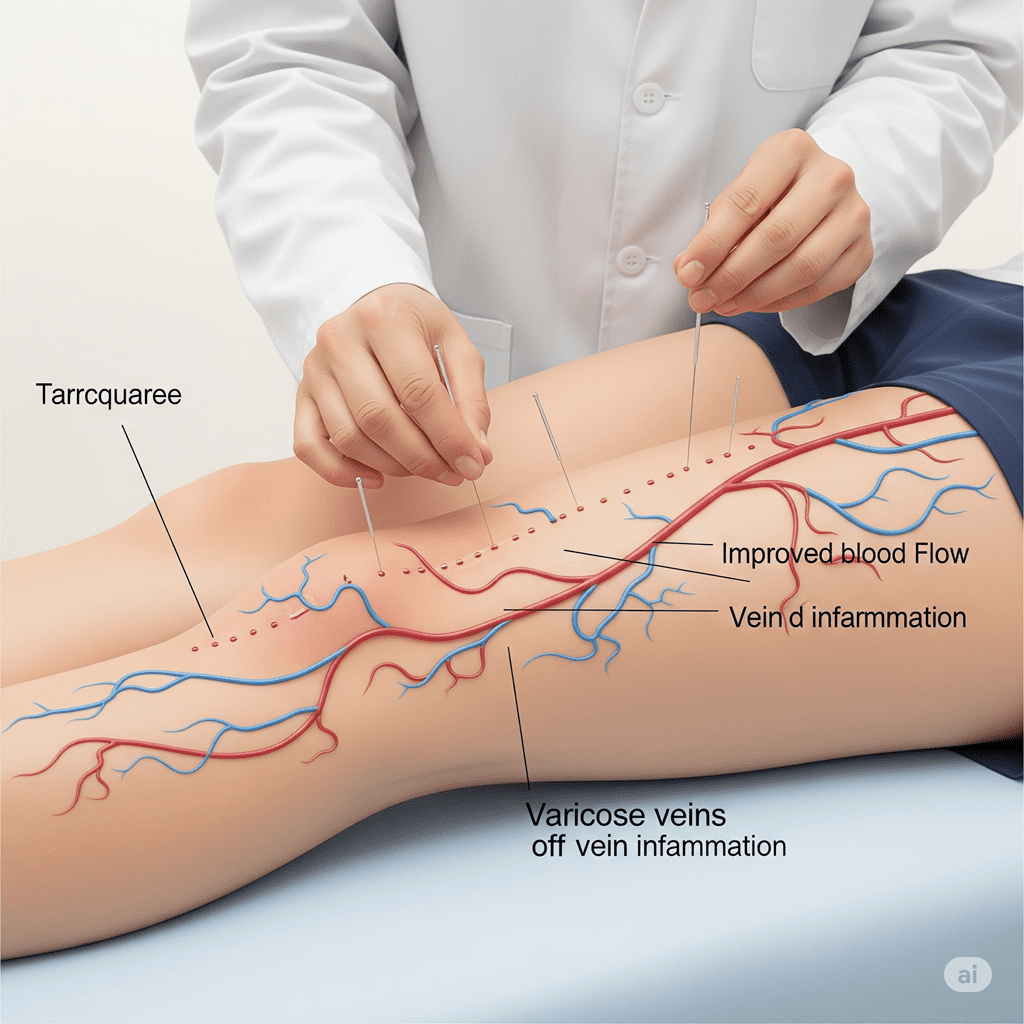
Clinical reports highlight cases where patients undergoing regular acupuncture sessions experienced noticeable symptom relief, including reduced leg pain and diminished appearance of superficial veins. While acupuncture doesn’t close or remove existing varicose veins as more invasive treatments do, it may support overall vein health and offer an adjunctive therapy for improving comfort. The minimally invasive nature of acupuncture appeals to those seeking alternatives to compression stockings or surgery, especially if other medical conditions limit more aggressive treatments. Plus, the endorphin release triggered by needle stimulation might counteract discomfort, improving your quality of life.
It’s worth noting, however, that acupuncture’s effectiveness varies, and more large-scale, randomized controlled trials are needed to firmly establish its role in vascular medicine. Integrating acupuncture alongside conventional methods—such as compression therapy or topical treatments—can provide a balanced care plan. If you decide to explore acupuncture, ensure you work with a licensed practitioner experienced in vascular conditions to tailor the treatment to your vein health needs.
Homeopathy and Herbal Remedies: A Natural Approach to Symptom Relief
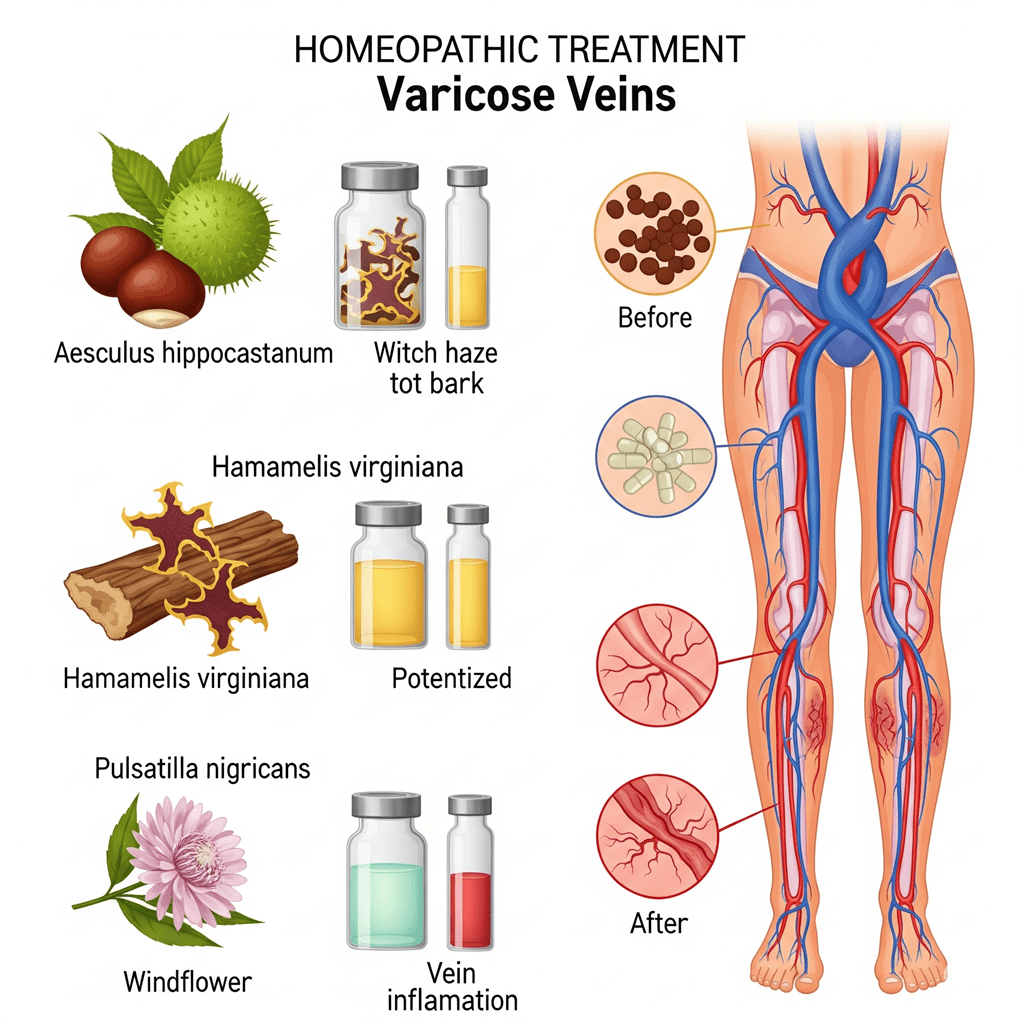
Homeopathy offers another natural avenue to address varicose vein symptoms by employing highly diluted substances believed to stimulate the body’s self-healing mechanisms. Remedies like Hamamelis virginiana (witch hazel) and Pulsatilla are often used to target vein inflammation, improve capillary strength, and alleviate associated sensations such as burning or itching. Some practitioners recommend specific formulas based on your individual symptom patterns, such as heaviness, numbness, or nighttime cramps, aligning treatment to your body’s unique presentation.
Herbal supplements, on the other hand, have been studied more widely for their tangible effects on vein function. Ingredients like diosmin, hesperidin, horse chestnut seed extract, and grape seed proanthocyanidins demonstrate antioxidant and anti-inflammatory properties that reduce venous insufficiency. Clinical trials have shown that these herbal compounds can decrease leg swelling and fatigue linked with varicose veins, which could help you maintain mobility and comfort throughout the day. Topical creams containing these extracts may further support vein wall integrity and diminish the discoloration associated with varicosities.
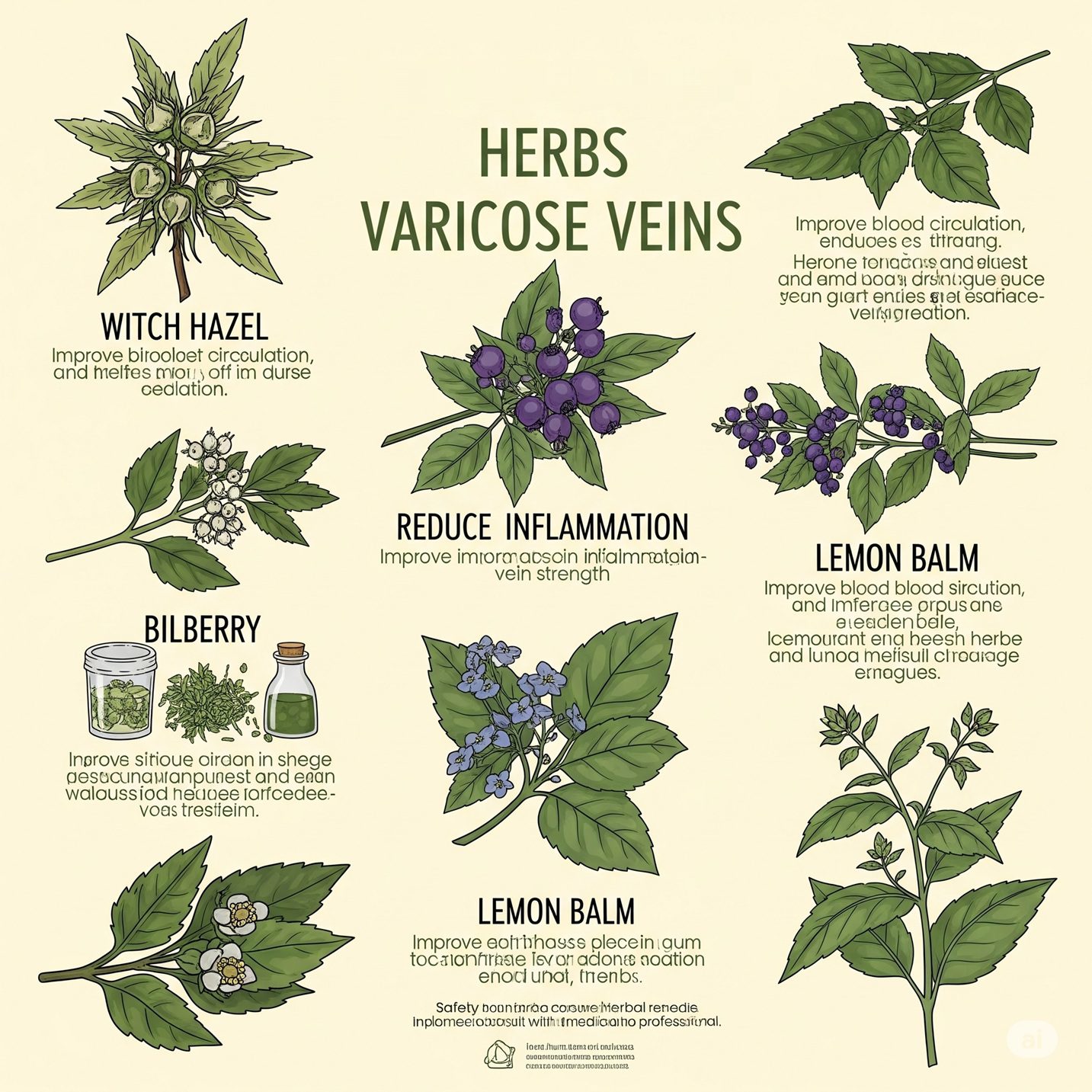
Combining homeopathic remedies with herbal supplements creates a comprehensive natural strategy that addresses multiple facets of vein distress—circulatory enhancement, inflammation reduction, and symptom control—while minimizing side effects common to pharmacologic approaches. You should approach this form of treatment under the guidance of a qualified homeopath or herbalist to ensure safety and proper dosing, especially if you take other medications affecting blood circulation.
Natural treatments have historically been part of vein care worldwide, reflecting centuries of observational knowledge passed through generations. Growing scientific interest today seeks to validate and clarify mechanisms by which these remedies contribute to vein health, offering you increasingly evidence-based options beyond conventional medical interventions.
The Role of Mindfulness and Stress Management in Vascular Health
Emerging evidence links chronic stress with impaired vascular function due to the release of stress hormones like cortisol and adrenaline, which can constrict blood vessels and elevate blood pressure. These physiological changes may exacerbate venous pooling and increase the burden on weakened vein valves, worsening varicose vein symptoms. Practices such as mindfulness meditation, deep breathing, and progressive muscle relaxation help mitigate these stress-induced vascular effects by promoting parasympathetic nervous system activity, which supports vasodilation and improved circulation.
You may notice a reduction in leg heaviness and discomfort when incorporating consistent stress management techniques into your routine, as these practices enhance your body’s overall capacity to regulate blood flow. Furthermore, mindfulness affects your behavior patterns, potentially encouraging more regular exercise, better posture, and weight control—all important factors in preventing vein deterioration. The cumulative effects of psychological well-being thus have tangible impacts on your vascular system, offering a non-pharmaceutical method to complement other treatments.
Studies involving patients with chronic venous disorders reveal that those adopting structured mindfulness and relaxation programs report improved quality of life and symptom management. Utilizing apps or guided sessions specifically geared toward stress reduction can make integrating these techniques more accessible. Addressing mental and emotional health in tandem with physical interventions paints a more complete picture of healing, helping you regain control over varicose vein-related discomfort in a holistic manner.
Mindfulness and stress reduction not only influence your vascular tone but also modulate inflammation pathways linked with vein wall damage. Research is ongoing to quantify how these mind-body connections directly affect the progression of venous insufficiency, hinting at promising future integrative protocols.
Integrating Care: Mix and Match Western and Holistic Treatments
Creating a Personalized Treatment Plan
Designing an effective treatment plan for varicose veins involves evaluating the severity of your condition alongside your lifestyle and preferences. For example, a person with mild varicose veins might benefit from using compression stockings daily, paired with topical creams that contain natural anti-inflammatory ingredients such as horse chestnut or witch hazel. Meanwhile, incorporating gentle exercises like walking or swimming can improve circulation and help manage symptoms without invasive procedures. This combination can reduce pain and swelling and slow the progression of vein damage.
In cases where varicose veins cause discomfort or complications such as thrombophlebitis, integrating Western medical treatments with holistic options may offer you balanced relief. Procedures like endovenous laser therapy or minimally invasive vein stripping target the damaged veins directly. At the same time, you might explore acupuncture sessions aimed at improving blood flow and reducing localized inflammation. This dual approach can address both the physical vein dysfunction and symptoms experienced, providing more comprehensive care.
Adjusting treatment over time ensures your plan responds to changes in your vein health. For instance, if surgery or sclerotherapy successfully removes problematic veins, maintaining the benefits with lifestyle adjustments and homeopathic remedies such as Hamamelis virginiana, often used to strengthen blood vessel walls, supports long-term vein health. The key lies in tailoring each element based on your response, practical needs, and the advice of your healthcare team, resulting in a personalized, adaptable strategy.
Collaborating with Healthcare Professionals: Finding a Balanced Approach
A multidisciplinary team offers you the best chance of managing varicose veins effectively by combining expertise from vascular specialists, dermatologists, and holistic practitioners. Vascular surgeons can assess vein function through ultrasound diagnostics and recommend procedures like laser ablation or ambulatory phlebectomy depending on the vein’s size and location. Meanwhile, a naturopath or homeopathic doctor might evaluate your overall circulatory health, recommending remedies like Aesculus hippocastanum (horse chestnut) to alleviate symptoms. Coordination between these experts ensures treatments complement rather than conflict.
Open communication with your healthcare providers enables you to express concerns about treatment side effects, recovery times, or preferences toward non-invasive options. If you’re interested in acupuncture as a complementary therapy, your vascular specialist can help you assess its suitability relative to your vein condition. Holistic practitioners can also monitor your progress alongside medical treatments, adjusting their protocols to optimize symptom relief without interfering with procedural recovery or medications you may be taking.
Scheduling regular follow-ups with both your conventional and holistic care team allows continuous assessment of treatment effectiveness. Ultrasound imaging and symptom tracking help quantify improvements or signal the need for adjustments. Together, this collaborative framework supports a balanced approach, maximizing the benefits of modern medical interventions while harnessing the supportive potential of complementary therapies tailored to your varicose vein management.
Building this kind of partnership requires mutual respect for different methodologies and a willingness to integrate evidence-based practices. When your care providers work cohesively, you gain access to a wider array of treatment modalities and supportive options, empowering you to actively participate in your vein health journey and ultimately achieve better outcomes.
Personal Insights: Stories from Those Who’ve Tackled Varicose Veins
Transformative Journeys: Overcoming Symptoms and Finding Relief
You’ll find that many people who’ve dealt with varicose veins faced persistent leg heaviness, swelling, and sometimes those uncomfortable night cramps before deciding to take action. One individual shared how daily use of compression stockings combined with elevating their legs multiple times per day significantly reduced swelling and dull pain within weeks. This gradual relief empowered them to commit to a consistent routine involving walking and gentle leg exercises, which improved circulation and further alleviated symptoms over several months.
In more advanced cases, you might hear stories about couples of varicose vein surgeries, such as endovenous laser treatment (EVLT) or ambulatory phlebectomy, that offered both a physical and psychological breakthrough. One patient described the profound confidence boost after the removal of visibly bulging veins; their legs not only felt lighter but also looked healthier, ending years of embarrassment and discomfort. Post-operative care included compression wear and light activity, underscoring a balanced approach that combined medical intervention with lifestyle adjustments.
Some who preferred alternative options report meaningful changes through consistent acupuncture sessions paired with topical herbal creams. They noticed improved skin texture and reduced itching along with diminished vein prominence. These stories often highlight holistic treatments as complementary rather than standalone, forming part of a broader strategy alongside diet modifications, weight management, and avoiding prolonged standing or sitting. These integrated methods frequently resulted in slower progression of varicose veins and enhanced overall leg comfort.
Lessons Learned: What Works and What Doesn’t
You’ll quickly discover that one-size-fits-all solutions rarely apply with varicose veins. For instance, relying solely on topical creams, while soothing, generally does not eliminate underlying vein damage but helps with surface symptoms like itching and mild inflammation. Several people noted disappointment with over-the-counter products that promised quick fixes but fell short in long-term vein health improvement. On the other hand, compression stockings demonstrated consistent effectiveness across numerous cases, particularly when worn regularly during the day to support vein valves and promote better circulation.
Exercise emerges repeatedly as a positive habit. Walking, cycling, and specific leg muscle-strengthening routines increased blood flow and relieved pressure in affected veins. Conversely, staying sedentary for prolonged periods or frequently crossing the legs was cited as exacerbating symptoms. Surgical options, although sometimes intimidating, often yielded definitive results in advanced varicose vein cases. Many remarked on the importance of selecting a skilled vascular specialist to ensure minimal complications and faster recovery times.
Natural treatments like homeopathy and acupuncture received mixed feedback; some individuals praised their role in symptom relief and improved well-being, while others saw little to no improvement in vein appearance or discomfort. Ultimately, combining medical treatment with lifestyle changes—such as maintaining a healthy weight, elevating legs, and using compression therapy—proved most sustainable. Consistency over time, along with patience, often shaped the difference between ongoing irritation and meaningful symptom control.
These lessons suggest that while topical creams and alternative therapies can support comfort, their ability to reverse vein dysfunction is limited. You would benefit most from a comprehensive approach that includes medical interventions, lifestyle adjustments, and supportive therapies tailored to your vein health status and symptom severity.
Conclusion
Drawing together the information about varicose veins, you can appreciate that these swollen, twisted veins are more than a mere cosmetic concern. They result from weakened or damaged valves in your veins, often influenced by factors such as genetics, prolonged standing, age, and lifestyle choices. The symptoms may range from visible bulging veins to aching, swelling, and discomfort, sometimes leading to complications like thrombophlebitis. Understanding these causes and symptoms empowers you to recognize when professional attention is necessary to prevent further progression or complications.
Concerning managing varicose veins, you have several options available, spanning from conventional Western treatments to holistic approaches. Western interventions like compression stockings, minimally invasive procedures, and surgery offer reliable ways to relieve symptoms and improve vein function. At the same time, natural methods such as acupuncture, homeopathy, and specialized creams can provide supportive relief, especially if you seek to complement medical treatment or prefer gentler modalities. By exploring both approaches, you can tailor a care plan that suits your needs, optimizing your comfort and vein health.
Your approach to preventing and treating varicose veins should involve not only symptom control but also lifestyle adjustments that support vascular health. Elevating your legs, maintaining a healthy weight, staying active, and avoiding prolonged immobility are practical steps you can take to reduce strain on your veins. Whether you choose a medical procedure or natural therapies, ongoing care and attention to your body’s signals can make a significant difference in your experience. Ultimately, understanding the causes, recognizing symptoms, and weighing the full spectrum of treatments equips you to make informed decisions and pursue lasting vein wellness.
FAQ

Q: What are varicose veins and how do they develop?
A: Varicose veins are enlarged, twisted veins that usually appear on the legs and feet. They develop when the valves inside the veins, which regulate blood flow towards the heart, become weak or damaged. This causes blood to pool in the veins, leading to swelling and the characteristic bulging appearance.
Q: What factors contribute to the development of varicose veins?
A: Several factors can increase the risk of developing varicose veins, including age, genetics, prolonged standing or sitting, obesity, pregnancy, and hormonal changes. These factors may increase pressure in the veins or weaken vein walls and valves, facilitating the formation of varicosities.
Q: What are the common symptoms associated with varicose veins?
A: Symptoms include visible twisted or bulging veins, leg pain or aching, heaviness, swelling, itching, and skin discoloration near the affected area. In some cases, symptoms worsen after standing for long periods and improve with leg elevation.
Q: How are varicose veins linked to thrombophlebitis?
A: Thrombophlebitis is the inflammation of a vein caused by a blood clot. Varicose veins can increase the risk of thrombophlebitis because blood pooling and slow circulation in these veins may lead to clot formation. This condition can cause pain, swelling, and redness and may require prompt medical attention.
Q: What preventive measures can help reduce the risk of developing varicose veins?
A: Preventive steps include regular exercise to improve blood circulation, avoiding prolonged standing or sitting, maintaining a healthy weight, elevating the legs when resting, and wearing compression stockings if recommended. These practices help support vein function and reduce venous pressure.
Q: What treatment options are available for varicose veins in Western medicine?
A: Common treatments include lifestyle changes, compression stockings to improve blood flow, sclerotherapy (injecting a solution to close veins), laser therapy, radiofrequency ablation, and surgical procedures such as vein stripping or ligation. The choice depends on severity and patient-specific factors.
Q: Are there holistic or alternative treatments that can support vein health and manage varicose veins?
A: Many individuals explore holistic approaches such as herbal creams, acupuncture, and homeopathy to alleviate symptoms or support vein health. Herbs like horse chestnut extract may improve circulation, acupuncture may help reduce discomfort, and certain homeopathic remedies are suggested based on symptom profiles. These can be used as a standalone treatment or alongside conventional treatment and under professional guidance.
How to find a Holistic Vein Specialist Near Me
With the surge in the popularity of holistic medicine, there has also been a similar rise in the number of fake holistic and naturopathic doctors in general and holistic vein specialists in particular. If you’re searching for a holistic vein specialist, there are some steps you can take to narrow down your search.
You could ask for a reference from your family or friends if they have consulted holistic treatments before. You can also ask for a recommendation from your doctor. Please ask for a reference from an alternative medicine doctor, like a homeopath. They will have contact with other alternative and holistic medicine doctors, as they are from the same industry.
You can also do research online. Make sure that they have an online presence with important information about their practice published, and make sure that you read the reviews. If they don’t even have a website, you should look for another holistic vein specialist.
Stay away from a holistic vein specialist who makes false claims or guarantees. Holistic medicine has an exceptional success rate, but it doesn’t work for everyone. During your consultation, make sure that you ask for their qualifications and question all your doubts. If you’re not satisfied during the consultation, you must look for another holistic vein specialist.
Holistic Treatments for Varicose Veins in Philadelphia
Are you looking for a naturopathic practitioner in your area? Looking for the best holistic doctor who will treat you using only natural remedies for varicose veins? Google for a holistic doctor near me and find the best one, or contact Philadelphia Holistic Clinic at (267) 403-3085 to schedule an appointment with Victor Tsan for evaluation and treatment, or use the button below.