Dissociative Amnesia
With dissociative amnesia, you experience a memory loss that is more extensive than normal forgetfulness and not due to a medical condition. You might forget personal information, significant life events, or even your identity. This condition is often a coping mechanism for trauma, leaving you with gaps in your life story.
Defining the Scope of Dissociative Amnesia
You may be wondering how dissociative amnesia is formally understood within the medical community. This condition is not simply ordinary forgetfulness; it represents a significant disruption in your memory, often linked to intensely stressful or traumatic experiences. It’s a fascinating area of psychology, revealing the intricate ways your mind protects itself.
Understanding the specific criteria for diagnosis is necessary to differentiate dissociative amnesia from other memory impairments. The diagnostic process carefully considers the nature and extent of your memory loss, ensuring an accurate assessment. This precision is key to developing effective treatment strategies tailored to your unique circumstances.
Your journey through understanding dissociative amnesia begins with grasping its formal definitions and the impact it can have. This foundational knowledge will help you appreciate the complexities involved in both experiencing and treating this condition. We will now explore the clinical definitions that guide professionals in identifying and addressing dissociative amnesia.
Clinical Definition and Diagnostic Criteria of Dissociative Amnesia
Identifying dissociative amnesia requires a clear understanding of its clinical definition. This condition is characterized by an inability to recall important personal information, usually of a traumatic or stressful nature, that is too extensive to be explained by ordinary forgetfulness. It’s a specific type of memory loss, not due to a general medical condition or the effects of a substance.
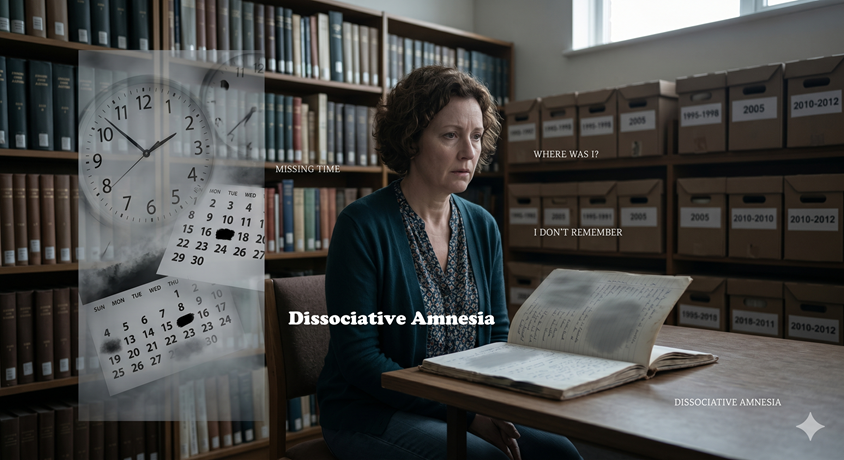
Diagnostic criteria, as outlined in diagnostic manuals, focus on several key aspects of your experience. You might exhibit localized amnesia, where you forget specific events within a limited time frame, such as the hours immediately following a traumatic incident. Another form is selective amnesia, where you can recall some but not all events during a circumscribed period.
A more pervasive form is generalized amnesia, involving a complete loss of memory for your entire life history, which is extremely rare. Continuous amnesia refers to forgetting new events as they occur, extending from a specific point up to the present. Systematized amnesia means you lose memory for a specific category of information, such as all memories related to a particular person or your family.
Impact on Personal Identity and Memory Retrieval
Your memories deeply intertwine with your sense of self, making dissociative amnesia particularly challenging. When you experience a significant loss of personal information, it can profoundly disrupt your personal identity. You might feel disconnected from who you are, struggling to reconcile your current self with a forgotten past.
Memory retrieval becomes a complex and often frustrating process for individuals with dissociative amnesia. The lost memories are not simply forgotten in the typical sense; they are often inaccessible to conscious recall, despite remaining potentially stored within your mind. This inaccessibility creates a barrier to understanding your history and experiences.
The struggle to retrieve these memories can lead to significant distress and confusion about your life story. You might feel as though parts of your existence are missing, creating gaps in your narrative that are difficult to bridge. This disruption extends beyond mere recall, touching the very core of your understanding of yourself and your place in the world.
This profound impact on identity means that treatment often focuses not just on memory recovery, but also on helping you reconstruct a cohesive sense of self. The absence of key biographical details can leave you feeling disoriented, making it challenging to make sense of your present circumstances without the context of your past experiences. This can affect your relationships, your career, and your overall sense of purpose, highlighting the far-reaching consequences of dissociative amnesia.
Investigating Primary Causes and Triggers of Dissociative Amnesia
Understanding the origins of dissociative amnesia is paramount to effective treatment. This complex condition doesn’t simply appear; it often arises from a confluence of factors that overwhelm an individual’s coping mechanisms. You will discover that the causes of dissociative amnesia are deeply rooted in both psychological experiences and the surrounding environment, creating a unique challenge for each person affected. You might wonder what specific events can lead to such a profound memory loss. The triggers are varied, but a common thread involves situations of extreme stress or trauma that the mind struggles to process in a conventional way. The brain, in an attempt to protect itself from overwhelming emotional pain, crucially creates a barrier to certain memories. This protective mechanism, while seemingly adaptive in the short term, can lead to significant distress and disruption in daily life. Consider the intricate interplay between an individual’s inherent resilience and the intensity of the stressors they face. While some people may experience traumatic events and not develop dissociative amnesia, others may be more susceptible due to their unique psychological makeup or prior experiences. The exploration of these causes is not about assigning blame but about gaining clarity to guide the path toward healing and recovery.
Psychological Trauma and Acute Stress Responses
You will discover that psychological trauma stands as a leading contributor to dissociative amnesia. The mind’s response to overwhelming events, such as abuse, combat, or natural disasters, can trigger a dissociative state where memories are compartmentalized or forgotten entirely. This protective mechanism shields you from the full emotional impact of the traumatic experience, albeit at the cost of memory continuity. Intense emotional distress, often accompanying traumatic events, plays a significant role in the development of dissociative amnesia. When confronted with situations that people perceive as life-threatening or deeply disturbing, the brain can activate a “freeze” response. This response, while intended for survival, can lead to a detachment from reality and a subsequent inability to recall specific periods or details. You may experience the effects of acute stress responses even after the immediate danger has passed. The lingering psychological impact of trauma can continue to influence memory function, making it difficult to integrate past events into your conscious awareness. This ongoing struggle highlights the deep connection between emotional well-being and cognitive processes.
Environmental and Situational Risk Factors
You should recognize that certain environmental and situational factors can significantly increase the risk of developing dissociative amnesia. Exposure to chronic stress, particularly in environments where there is a lack of safety or consistent support, can gradually erode your ability to cope with challenging events. This prolonged exposure can make you more vulnerable to dissociative responses when faced with acute trauma. Unstable or chaotic living conditions contribute to a heightened sense of insecurity, which can predispose you to dissociative amnesia. Environments marked by neglect, domestic violence, or significant social upheaval create a constant state of alert. This perpetual state of hypervigilance can exhaust your psychological resources, making it harder to process new information and integrate experiences coherently. * Lack of social support * Financial instability * Exposure to community violence * Witnessing traumatic events * History of repeated victimization Assume that these factors, when combined with individual psychological vulnerabilities, create a fertile ground for the development of dissociative amnesia. You might also consider the impact of cultural or societal pressures on the manifestation of dissociative amnesia. In some contexts, individuals may face immense pressure to suppress emotions or experiences, which can inadvertently contribute to a dissociative coping style. The inability to openly process and discuss traumatic events within a supportive community can exacerbate the mental burden, making memory fragmentation a more likely outcome. * Cultural norms that discourage emotional expression * Stigma surrounding mental health * Limited access to mental health resources * Discrimination or marginalization * Displacement from familiar environments Assume that these broader societal elements can profoundly influence an individual’s susceptibility to dissociative amnesia.
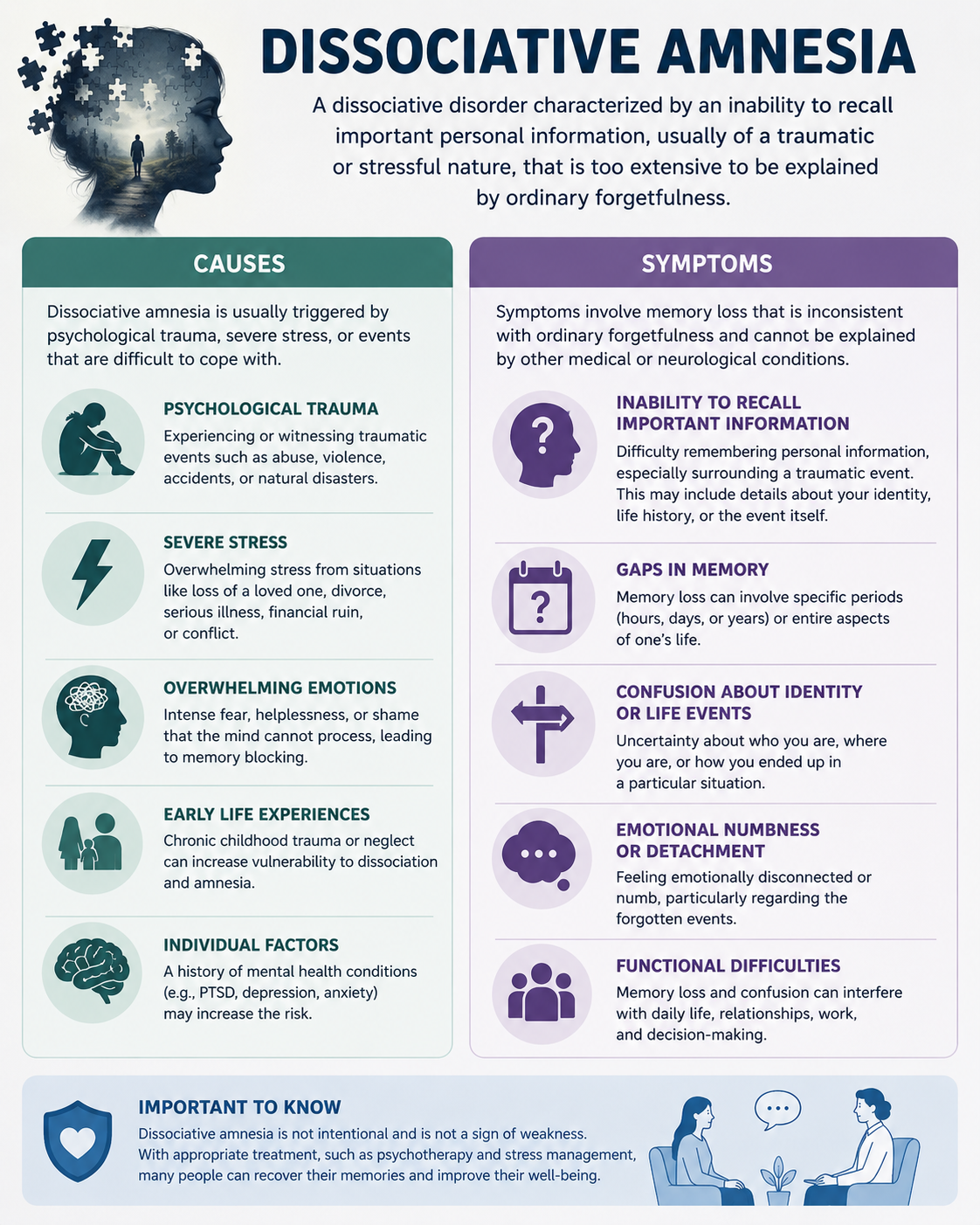
Identifying Clinical Symptoms and Manifestations of
Dissociative Amnesia
Understanding the specific dissociative amnesia symptoms you might encounter is the first step toward seeking appropriate support. These manifestations extend beyond simple forgetfulness, presenting as significant gaps in memory that disrupt daily functioning and personal identity. Observing these symptoms of dissociative amnesia in yourself or someone you know can provide important insights into the need for a professional evaluation. You will find that these symptoms of dissociative amnesia vary in their presentation and severity, often directly correlating with the traumatic events that may have triggered them. Recognizing the distinct characteristics of these memory disturbances is crucial for accurate diagnosis and the development of an effective treatment plan. The impact on your life can range from mild inconvenience to profound disorientation, highlighting the importance of early identification. The diagnostic process relies heavily on a careful assessment of these dissociative amnesia symptoms, differentiating them from other memory disorders or conditions. You should be prepared to discuss your experiences openly with a mental health professional, detailing the nature of your memory loss and any associated feelings or behaviors. This comprehensive approach ensures that we properly identify and address the specific symptoms of dissociative amnesia.
Localized, Selective, and Generalized Memory Loss
You may experience localized amnesia, a common symptom of dissociative amnesia, where you cannot recall specific events or information from a particular period, often directly related to a traumatic incident. This type of memory loss can leave you with a complete blank slate for hours or even days surrounding a distressing event, despite retaining other memories from before and after. The inability to access these specific memories can be profoundly disorienting. Occasionally, you might encounter selective amnesia, another form of dissociative amnesia symptoms, where you can only recall certain parts of an event during a specific period but not others. For example, you might remember fragments of a car accident but entirely forget the impact itself or the immediate aftermath. This partial recall highlights the brain’s selective protective mechanisms in response to overwhelming stress. Generalized amnesia, while less common, presents as a complete loss of memory for your entire life history, including your identity, personal details, and even skills. This severe dissociative amnesia can be particularly distressing, as you may wake up with no memory of who you are, where you live, or your relationships. This profound and pervasive memory loss necessitates immediate and intensive therapeutic intervention.
Behavioral Indicators and Emotional Distress
You might notice significant behavioral changes accompanying the memory loss, such as confusion, disorientation, or a sense of detachment from your surroundings. These behavioral indicators often arise as you struggle to make sense of your memory gaps and the impact they have on your daily life. You may appear withdrawn or unusually quiet, reflecting an internal struggle to process the missing information. There can be clear signs of emotional distress, including anxiety, depression, and a pervasive sense of unease, as direct symptoms of dissociative amnesia. You may express feelings of frustration or helplessness when confronted with your inability to recall important personal information or events. These emotional responses are natural reactions to the profound disruption of your personal narrative. You could also exhibit a marked indifference or a lack of concern about your memory loss, a phenomenon sometimes referred to as ‘la belle indifférence.’ This seemingly detached emotional state can serve as a protective mechanism in which the emotional impact of the amnesia is suppressed. Despite this apparent indifference, underlying emotional distress is almost always present and requires careful attention during treatment. The impact of these behavioral indicators and emotional distress extends beyond personal discomfort, affecting your relationships and ability to function in professional or academic settings. You might find it challenging to maintain social connections as you struggle to recall shared experiences or recognize familiar faces. This disruption can lead to further isolation and exacerbate feelings of anxiety and depression, creating a cycle that can be difficult to break without professional intervention.
Comprehensive Treatment and Recovery Frameworks for Dissociative Amnesia
Addressing dissociative amnesia requires a multi-faceted approach, often integrating various therapeutic modalities to support your healing journey. Your treatment plan will be highly individualized, focusing on your specific experiences and the nature of your amnesia. It is vital to work with mental health professionals experienced in dissociative disorders to develop a strategy that promotes stability, addresses underlying trauma, and facilitates the safe processing of lost memories. Your path to recovery involves not only therapeutic interventions but also a strong support system and a commitment to self-care practices. Understanding that healing is a process, not an event, helps you manage expectations and celebrate small victories along the way. Your active participation in treatment, alongside the guidance of your therapists, forms the cornerstone of a successful recovery. Treatment for dissociative amnesia aims to restore your sense of self and continuity, allowing you to integrate fragmented experiences into a cohesive personal narrative. This process can be challenging, but with the right support and therapeutic tools, you can regain access to your memories and move towards a more integrated and fulfilling life.
Psychotherapeutic Interventions and Stabilization of Dissociative Amnesia
Stabilization is the initial focus in treating dissociative amnesia, creating a safe and predictable environment for you. Your therapist will help you develop coping mechanisms to manage distressing symptoms and emotional dysregulation that often accompany memory loss. Grounding techniques, mindfulness exercises, and psychoeducation about dissociative amnesia are frequently employed to enhance your sense of control and safety. Therapy often begins with establishing a strong therapeutic alliance, a trusting relationship with your therapist. You will explore your current symptoms, daily functioning, and any immediate safety concerns. The goal is to reduce acute distress and build a foundation of emotional stability before directly addressing the forgotten memories. This phase ensures you have the necessary internal resources to confront potentially difficult material. Your therapist might introduce techniques like distress tolerance and emotion regulation skills, empowering you to manage overwhelming feelings without resorting to dissociative coping mechanisms. Creating a stable present allows you to gradually and safely approach the past. This careful pacing prevents re-traumatization and promotes a sense of autonomy in your recovery.
Long-term Management and Memory Integration
Memory integration is a gradual and often delicate process, occurring once you have achieved a degree of stability and developed effective coping strategies. Your therapist will guide you through techniques designed to safely access and process forgotten memories, such as cognitive processing therapy or eye movement desensitization and reprocessing (EMDR). The aim is not simply to retrieve memories but to integrate them into your conscious awareness in a way that is not overwhelming or re-traumatizing. You will learn to understand the context of your amnesia, recognizing how trauma or overwhelming stress contributed to the dissociative state. The therapeutic work involves making sense of these past experiences and their impact on your present life. This cognitive restructuring helps you reframe your narrative and reduce the shame or guilt often associated with dissociative amnesia. Your long-term management also involves developing strategies to prevent future dissociative episodes. This includes identifying personal triggers, practicing ongoing self-care, and maintaining a strong support network. Therapy might continue for an extended period, focusing on strengthening your sense of self, improving interpersonal relationships, and building resilience. Long-term management and memory integration are not about forcing the retrieval of painful memories. Instead, it is about creating a safe space for those memories to emerge naturally when you are ready, allowing you to process them in a controlled and supportive environment. This process helps you construct a more complete and coherent personal history, ultimately leading to a more integrated sense of self and improved overall functioning.
Holistic and Complementary Treatment Modalities for Dissociative Amnesia
Exploring alternative pathways can offer profound support in your journey toward healing from dissociative amnesia. These approaches often work in conjunction with conventional therapies, aiming to address the mind-body connection and promote overall well-being. You can find comfort and progress through various techniques that focus on restoring balance and facilitating access to lost memories.
Considering your unique needs, a personalized treatment plan might incorporate several complementary modalities. These options provide a broader spectrum of care, acknowledging that recovery is a multifaceted process. Many individuals report significant benefits from integrating these methods, finding them to be gentle yet effective in addressing the complex nature of dissociative amnesia.
You have access to a range of holistic therapies designed to support your recovery. These treatments focus on reducing stress, improving emotional regulation, and gently encouraging the retrieval of forgotten information. By exploring these options, you can discover which modalities resonate most with you, contributing to a more comprehensive and sustainable healing experience.
Neurological Stimulation and Acupuncture for Dissociative Amnesia
Acupuncture offers a promising avenue for supporting individuals experiencing dissociative amnesia. This ancient practice, rooted in Traditional Chinese Medicine, involves the insertion of fine needles into specific points on the body. The goal is to balance the body’s energy flow, known as Qi, which practitioners believe can positively impact neurological function and emotional regulation.
Specific acupuncture points are often targeted to calm the nervous system and reduce anxiety, common co-occurring symptoms with dissociative amnesia. You may find that regular sessions contribute to a greater sense of peace and mental clarity. This gentle stimulation can help to alleviate the physiological stress responses that often accompany trauma and memory loss.
By promoting relaxation and improving overall circulation, acupuncture can create a more conducive environment for memory retrieval. The subtle influence on brain activity and neurotransmitter release may help to gently unlock stored information. You could experience a reduction in the emotional barriers that often prevent access to forgotten memories, paving the way for gradual integration.
Acupuncture for Dissociative Amnesia

- Nervous System Regulation: Acupuncture stimulates the vagus nerve, which helps shift the body out of “fight-or-flight” (sympathetic) and into a “rest-and-digest” (parasympathetic) state. This reduces the physiological stress responses that frequently trigger dissociative episodes.
- Neuromodulation: Research indicates acupuncture may help regulate neurotransmitters like GABA and dopamine and balance brain activity in regions associated with memory and trauma.
- Somatic Reconnection: Dissociation often causes individuals to feel mentally disconnected from their physical selves. Acupuncture provides a gentle, grounded approach to re-introducing bodily sensations without overwhelming the patient.
Clinical Approach and Considerations
- Adjunct Therapy: Acupuncture should only be used as an adjunct therapy alongside evidence-based psychotherapy (such as EMDR or trauma-informed Cognitive Behavioral Therapy).
- Focus on Trauma: Because acupuncture does not force exposure to traumatic memories, it is often viewed as a safer, non-intrusive way to manage the anxiety and hyperarousal linked to trauma.
- Research and Cases: Case studies and neurological research show promise for acupuncture in treating stress-related trauma, post-traumatic stress disorder (PTSD), and other dissociative conditions.
Constitutional Homeopathy and Natural Remedies
Constitutional homeopathy presents a gentle, individualized approach to addressing the underlying imbalances contributing to dissociative amnesia. A trained homeopath will conduct a thorough consultation to understand your complete physical, mental, and emotional symptom picture. Based on this comprehensive assessment, a highly diluted natural substance, known as a remedy, is prescribed.
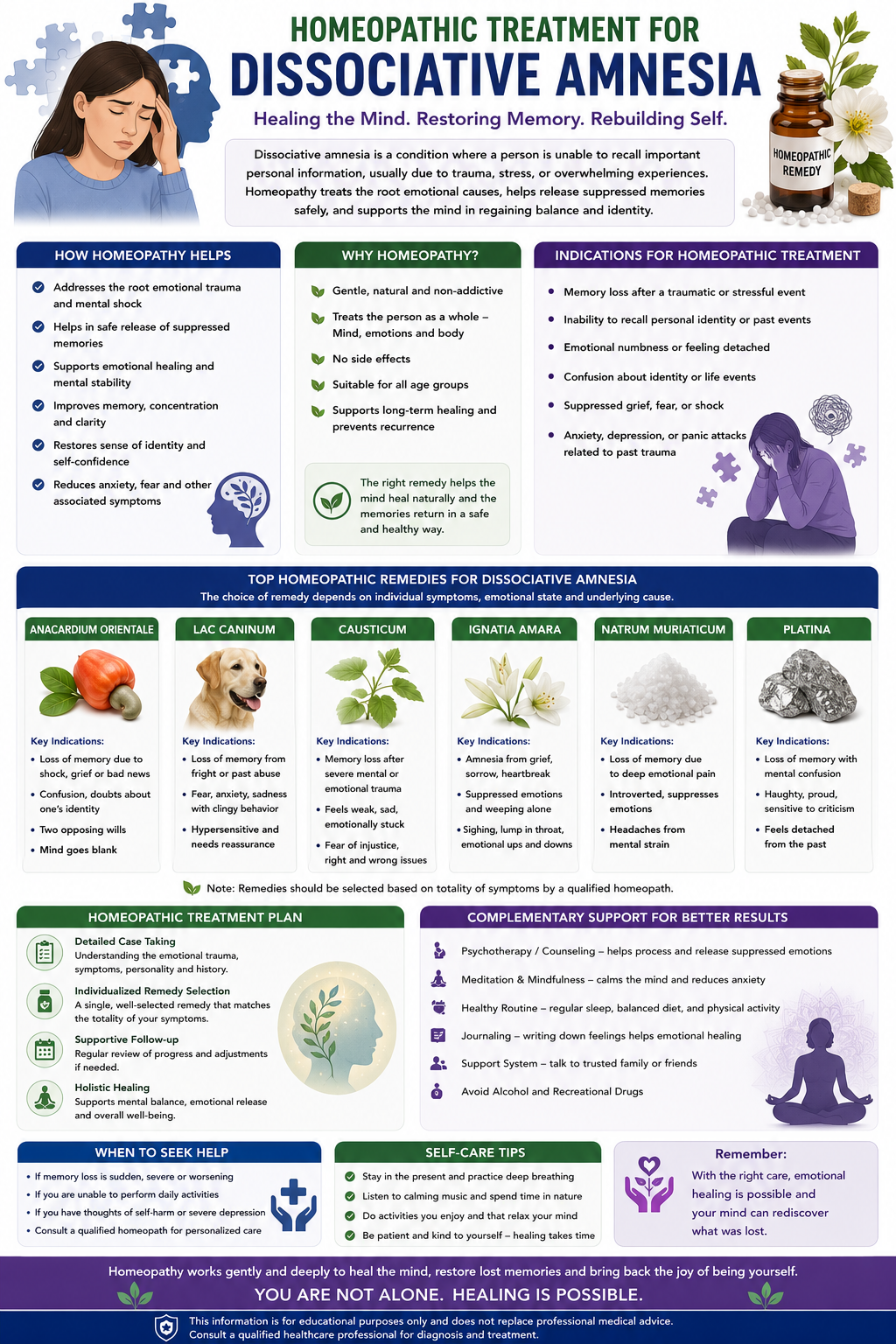
The principle behind homeopathy is “like cures like,” which means that a substance causing symptoms in a healthy person can, in minute doses, stimulate the body’s healing response in someone experiencing similar symptoms. You might find that the chosen remedy helps to address not only the memory loss but also the associated emotional distress, anxiety, or depression that often accompanies dissociative amnesia.
Natural remedies, in conjunction with constitutional homeopathy, can support overall well-being and resilience. These may include specific herbs, dietary adjustments, or nutritional supplements tailored to your individual needs. You can explore these options with a qualified practitioner to enhance your body’s natural healing capabilities and create a more balanced internal environment.
Beyond the primary homeopathic remedy, a holistic practitioner may suggest various complementary natural remedies. These could include herbal teas known for their calming properties, such as chamomile or valerian, or specific adaptogenic herbs like ashwagandha to help your body manage stress more effectively. Nutritional supplements, such as Omega-3 fatty acids for brain health or B vitamins for nervous system support, might also be recommended. The aim is to create a comprehensive natural support system that addresses multiple facets of your health, working in harmony with homeopathic treatment to gently guide your system toward equilibrium and facilitate the natural process of memory integration.
How Homeopathy Approaches Dissociative Disorders
Frequently Utilized Remedies
- Opium: Considered when the amnesia is linked to a severe, sudden fright, shock, or stupor.
- Cannabis Indica: Sometimes explored when the dissociation involves a distorted perception of time, identity instability, or severe forgetfulness.
- Phosphorus: Often associated with states of emotional blunting, vulnerability, or feeling detached from surroundings.
- Anacardium: May be considered for profound mental confusion, absent-mindedness, or feelings of being split into different personalities.
- Helleborus niger: Used when the person experiences a dull state, brain fog, or slow responses alongside memory loss.
Clinical Context
Specialized Literature & Resources
- International Journal of Homoeopathic Sciences: Review specialized perspectives on the homeopathic scope of managing dissociation, depersonalization, and derealization using remedies like Cannabis Indica or Phosphorus by reading this Depersonalization & derealization article.
- Mann Homeopathy Clinic Rajkot: Explore more about the general homeopathic view on the management of dissociative disruptions and mental detachment through the Mann Homeopathy Clinic Rajkot treatment overview.
Clinical Hypnotherapy for Subconscious Access in Patients with
Dissociative Amnesia
Clinical hypnotherapy offers a unique pathway to access the subconscious mind, which can be particularly beneficial for individuals with dissociative amnesia. During a hypnotherapy session, you are guided into a relaxed, focused state of awareness. In this state, your mind becomes more receptive to suggestions and less inhibited by conscious barriers, making it easier to explore forgotten memories.
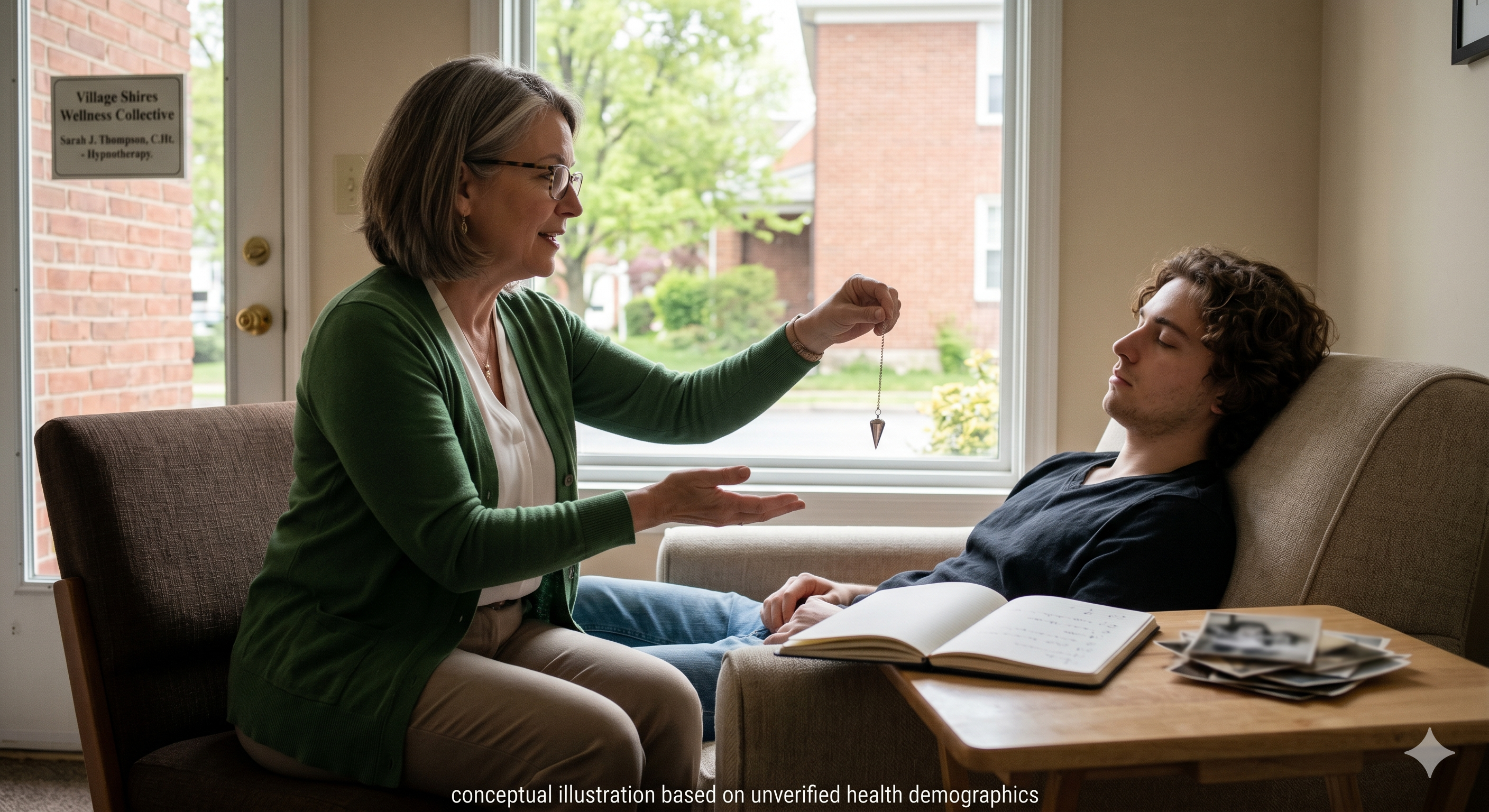
Through gentle guidance, a trained hypnotherapist can help you safely explore the repressed memories or traumatic experiences that may be contributing to your dissociative amnesia. You will remain in control throughout the session, able to communicate and stop at any point. The aim is not to force memory recall but to create a safe space where your mind can gradually and naturally retrieve information when it is ready.
Hypnotherapy can also be used to develop coping mechanisms and strengthen emotional resilience. You can learn techniques to manage anxiety, reduce stress, and integrate fragmented aspects of your identity. This process helps build a stronger sense of self and provides tools to process and understand memories as they resurface, contributing to a more complete and coherent personal narrative.
The power of clinical hypnotherapy lies in its ability to bypass the conscious mind’s critical filter, allowing direct communication with the subconscious where many forgotten memories are stored. A skilled hypnotherapist employs various techniques, such as guided imagery, metaphor, and positive affirmations, to facilitate this access. You might be guided to visualize a safe place or imagine a journey into your past, creating a gentle and controlled environment for memory exploration. The process is always collaborative, ensuring you feel comfortable and empowered to explore at your own pace, ultimately helping you to integrate lost fragments of your experience and reconstruct a more complete understanding of your personal history.
Conclusion
Ultimately, you now understand dissociative amnesia presents as a complex psychological condition, often triggered by severe stress or trauma, leaving individuals unable to recall significant personal information. Symptoms vary, ranging from localized amnesia, where specific traumatic events are forgotten, to generalized amnesia, involving a complete loss of identity and life history. Recognizing these manifestations early is key for effective intervention. You must approach treatment with a comprehensive perspective, acknowledging the complexities of the disorder. A holistic treatment strategy offers a promising path to recovery, integrating diverse therapeutic modalities to address both the psychological and physiological impacts of dissociative amnesia. You can explore therapies like acupuncture, which aims to restore energetic balance within the body, potentially easing the stress and anxiety associated with memory loss. Homeopathy, another complementary approach, involves using highly diluted substances to stimulate the body’s natural healing responses, targeting individual symptoms and underlying emotional distress. These methods, when considered alongside conventional therapies, provide a broader spectrum of care. Hypnotherapy plays a significant role in helping you access repressed memories in a safe and controlled environment, facilitating their integration into conscious awareness. By working with a qualified therapist, you can gently explore forgotten experiences, process associated emotions, and develop coping mechanisms for future challenges. Combining these various approaches—acupuncture, homeopathy, and hypnotherapy—creates a synergistic effect, supporting your journey toward regaining memory function and achieving overall well-being. This integrated model emphasizes the necessity of treating the whole person, not just the symptoms of dissociative amnesia.
FAQ

Q: What is dissociative amnesia?
A: Dissociative amnesia is a condition characterized by an inability to recall important personal information, usually of a traumatic or stressful nature, that would not typically be forgotten. This memory loss is more extensive than ordinary forgetfulness and is not due to a physical injury, medical condition, or substance use. The forgotten memories are still present in the mind but are inaccessible to conscious recall.
Q: What are the primary causes of dissociative amnesia?
A: Severe stress or trauma is the most common cause of dissociative amnesia. Individuals experiencing or witnessing highly distressing events, such as combat, abuse, accidents, or natural disasters, may develop this condition. The mind may dissociate from the traumatic memories as a protective mechanism, shielding the individual from overwhelming emotional pain. Chronic stress, interpersonal conflicts, and significant life changes can also contribute to its development.
Q: What are the common symptoms of dissociative amnesia?
A: The main symptom is significant memory loss concerning personal information, often related to a specific traumatic event or period. This memory loss can manifest in different ways: localized amnesia, where specific events during a defined period are forgotten; selective amnesia, where only parts of an event are forgotten; generalized amnesia, involving complete loss of identity and life history (which is rare); or continuous amnesia, where new events are forgotten as they occur. Individuals may also experience depression, anxiety, confusion, or a sense of detachment.
Q: How is dissociative amnesia typically treated?
A: Treatment for dissociative amnesia primarily focuses on creating a safe environment for the individual to gradually access and process the forgotten memories. Psychotherapy, particularly cognitive behavioral therapy (CBT) and dialectical behavior therapy (DBT), helps individuals develop coping mechanisms and integrate traumatic experiences. Eye Movement Desensitization and Reprocessing (EMDR) therapy can also be effective in processing traumatic memories. Support groups offer a sense of community and shared understanding.
Q: Can acupuncture help with dissociative amnesia?
A: Acupuncture, a traditional Chinese medicine practice, may offer complementary support for individuals with dissociative amnesia by addressing associated symptoms like anxiety, stress, and sleep disturbances. By stimulating specific points on the body, acupuncture aims to restore balance and promote relaxation. While not a direct cure for memory loss, reducing stress and improving overall well-being can create a more conducive environment for therapeutic work and memory retrieval.
Q: Is homeopathy a viable treatment option for dissociative amnesia?
A: Homeopathy, an alternative medicine system, uses highly diluted substances to stimulate the body’s healing response. For dissociative amnesia, homeopathic practitioners would select remedies based on an individual’s specific symptoms and emotional state. While some individuals report benefits from homeopathic treatments for stress, anxiety, or emotional imbalances, scientific evidence supporting its direct efficacy for dissociative amnesia is limited. Individuals should discuss any alternative treatments with their healthcare provider.
Q: How does hypnotherapy work in treating dissociative amnesia?
A: Hypnotherapy can be a valuable tool in treating dissociative amnesia. During a hypnotic state, individuals are guided into a relaxed, focused state of awareness, making them more receptive to suggestions. A trained hypnotherapist can gently help individuals access repressed memories and process associated emotions in a controlled and safe manner. This approach aims to integrate the fragmented memories, reduce distress, and improve overall functioning. The goal is to help the individual recall and understand the forgotten information without re-experiencing the trauma.
A holistic Treatment for Dissociative Amnesia near me
Are you looking for holistic treatment for mental health? Do you or someone you love or care about suffer from ADHD, anxiety, depression, phobias, bipolar disorder, dissociative amnesia, etc.? Google for a holistic psychiatrist near me and find the Philadelphia Holistic Clinic, Philadelphia’s #1 natural treatment facility.
Contact us at (267) 403-3085 to schedule your first visit and discuss your treatment plan and options with Dr. Tsan.