Vomiting
You experience a feeling of sickness, and the last thing you want to do is speculate about the cause. So let’s break down why you vomit and what you can try beyond pills. From food poisoning or bile vomiting to migraines, pregnancy, medications, or that awful stomach bug, the causes vary; some you treat at home, and some need medical care. Want natural fixes? We’ll discuss home remedies, acupuncture, topical options, homeopathy, and when to see a professional. It’s practical, straightforward and no-nonsense.
What’s the Deal with Vomiting?
Understanding Vomiting: The Basics
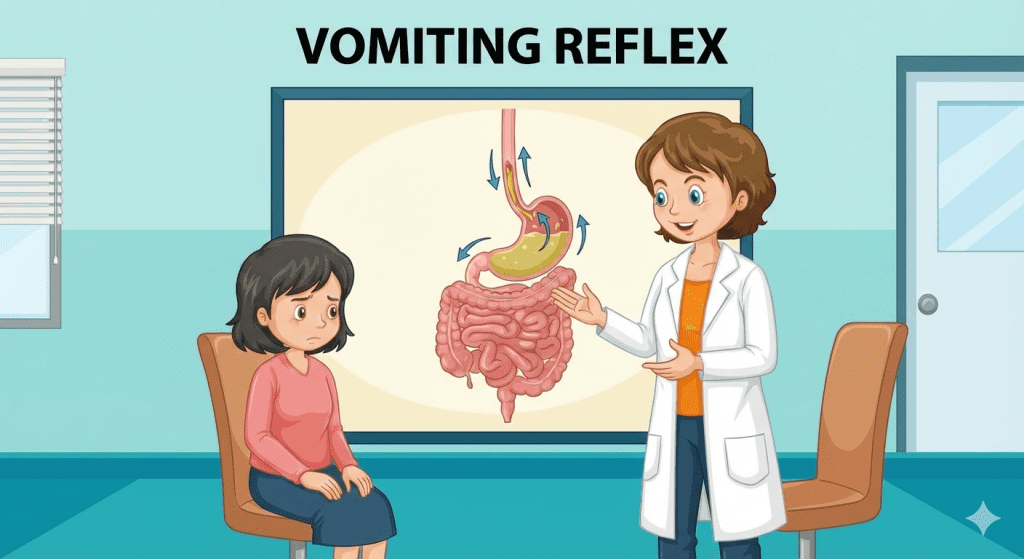
About 70% of people with acute gastroenteritis will vomit within the first 48 hours, so vomiting is way more common than you might think and it’s not just a stomach bug being dramatic. You’ve got to picture a little command center in your brainstem called the vomiting center, plus the chemoreceptor trigger zone that sits near the brain’s fourth ventricle—they get input from the gut via the vagus nerve, from your inner ear when you get motion sick, and from circulating chemicals when you drink toxins or receive chemo. Therefore, vomiting often results from the convergence of multiple inputs, such as bacterial toxins, vestibular signals, or even medications.
Different types of vomit reveal different stories. Green or yellow vomit usually indicates bile, which can suggest a blockage below the stomach or severe slowing of stomach emptying; coffee-ground or brown vomit means there is old blood from the upper digestive tract, while bright red vomit indicates fresh bleeding that requires immediate care. Projectile vomiting is classic for increased intracranial pressure or pyloric stenosis in infants; cyclic vomiting syndrome shows repetitive, stereotyped attacks—some pediatric series put its prevalence at 0.1 to 2% but it’s probably underdiagnosed. You can literally tell a lot by the smell and color – feculent odor often signals bowel obstruction, a sour or acidic smell is more gastric, and bile is unmistakably sharp and bitter.
Treatment basics are straightforward but specific: you’ll want rehydration first—oral rehydration solutions if you can keep fluids down, IV fluids if not—and antiemetics like ondansetron (often 4 mg IV in adults for acute vomiting) or metoclopramide when a prokinetic helps, such as in gastroparesis. If infections are suspected, stool testing or empiric antibiotics might be needed—for example, traveler’s diarrhea due to E. coli sometimes responds to a short course of ciprofloxacin or azithromycin. And yes, alternative measures like ginger, acupressure bands, topical peppermint oil, and acupuncture get used a lot—some randomized trials show benefits for postoperative and chemotherapy-related nausea, but the strength of the evidence varies, so you’re often using them alongside conventional care.
Common Triggers That Make You Hurl

Nausea and vomiting of pregnancy affect up to 80% of pregnant people, so pregnancy is a top trigger that you should always consider in reproductive-age individuals. Foodborne infections like Salmonella, Campylobacter and norovirus are huge causes too—norovirus outbreaks on cruise ships can make up to 90% of passengers vomit in a matter of days, and you’ll see vomiting with or without diarrhea. Another significant category includes medications such as chemotherapy agents, opioids, antibiotics, and even SSRIs, all of which can cause nausea. Timing is crucial in identifying the specific cause of nausea.
Gastroparesis, especially when you’ve got poorly controlled diabetes, is a classic cause of chronic nausea and vomiting—studies suggest up to 50% of long-standing type 1 diabetics have delayed gastric emptying on testing. Motion sickness and vestibular disorders give you that sudden, sweating, spinning nausea, while migraines often present with severe vomiting that can mimic gastroenteritis. Then there are metabolic causes—think diabetic ketoacidosis, where vomiting is part of the presentation, and electrolyte imbalances like hyponatremia or hypercalcemia, which can trigger nausea without clear GI findings.
Infections that hit both the gut and the systemic circulation give you vomiting plus diarrhea—norovirus, rotavirus, E. coli and some food poisonings are classic; about 30 to 40% of acute gastroenteritis presentations to emergency departments have both symptoms. Can an adult experience bilious vomiting? This situation is a warning sign of potential small bowel obstruction, which often requires surgical evaluation. And cyclic vomiting syndrome or cannabinoid hyperemesis—yes, frequent cannabis users can develop intense recurrent vomiting—shows how behavior and chronic exposures create distinct clinical pictures that you’ll want to tease apart before deciding on treatment like antiemetics, prokinetics, fluids, or even prophylactic meds like amitriptyline for cyclic patterns.
For practical purposes, watch for red-flag triggers that mean you should act fast: persistent bilious or bloody vomiting, signs of dehydration (little urine, dizziness, dry mucous membranes), severe abdominal pain, fever over 38.5 C, or vomiting that continues despite antiemetics for 24 hours. If any of those happen, you need immediate medical evaluation because the underlying causes range from surgical obstruction to severe infection or metabolic emergencies that won’t get better with home remedies alone.
What’s Causing That Nausea and Vomiting?
From Viruses to Food—The Usual Suspect s
This distinction matters because if you can pin down whether your nausea is from a bug or from what you ate, you can choose the right treatment fast and avoid worsening dehydration or complications. Viral gastroenteritis, particularly norovirus and rotavirus, is the primary cause of sudden-onset vomiting globally; norovirus alone accounts for hundreds of millions of cases annually, typically manifesting 12 to 48 hours after exposure, followed by violent vomiting lasting 24 to 72 hours. Foodborne illness behaves differently depending on the culprit—Staphylococcus aureus toxins can make you puke within 1 to 6 hours, while Salmonella usually waits 6 to 72 hours to announce itself—so the timing between eating and symptoms actually gives you a diagnostic clue.
You’ll notice color and smell often tell a story: bright yellow or green vomit usually means bile has been expelled, which can happen when the stomach empties repeatedly and duodenal contents backflow, while bloody or coffee-ground material suggests GI bleeding and needs urgent care. And sometimes it’s just the smell—greasy, rotten, or feculent vomit points toward small bowel obstruction or severe infection; sour, partially digested food is more typical of gastroparesis or slow gastric emptying. Practical tip: track onset, timing, stool changes (vomiting with diarrhea suggests enteric infection), and recent exposures—a sushi dinner, an outbreak at your office, or undercooked poultry will point you in the right direction.
Treatment differs by cause: if it’s a short viral illness, you focus on rehydration (oral rehydration solutions with balanced electrolytes are better than plain water), small bland sips, and rest; for bacterial food poisoning caused by invasive organisms like Campylobacter or Salmonella, antibiotics are sometimes needed, especially in high-risk people. For toxin-mediated cases, like Staph or Bacillus cereus, symptoms usually stop within 24 hours, so supportive care is the plan. You can also try ginger—500 to 1,000 mg divided doses or candied ginger—and P6 acupressure wristbands for symptom relief; Acupuncture has solid evidence for nausea in certain settings, like chemotherapy and postoperative care, but for foodborne illnesses, you still need to focus on fluids and avoid anti-diarrheal drugs unless advised by a clinician.
Stress and Your Gut: How Mental Health Plays a Role
This is important because your gut and brain are always communicating, and anxiety can cause nausea. The vagus nerve, cortisol spikes, and altered gut motility all work together to increase your sensitivity to normal stomach signals, potentially causing nausea from smells, motion, or even anticipated meals. Studies show a high overlap between anxiety/depression and functional GI disorders—around a third to half of people with chronic nausea have a significant psychiatric comorbidity—so if your nausea comes with panic or persistent worry, treating the mind helps the gut.
Life events such as exams, breakups, or intense work deadlines can trigger waves of nausea or even cyclic vomiting-like episodes in susceptible individuals. And the pattern matters—if you get episodes clustered in the morning, during stress spikes, or after certain triggers like caffeine or alcohol, that points toward a stress-mediated mechanism rather than infection. Simple tools can make a difference: diaphragmatic breathing, grounding techniques, and guided imagery reduce autonomic arousal, while cognitive behavioral therapy or gut-directed hypnotherapy have evidence for decreasing symptom frequency long-term.
Don’t underestimate small, practical fixes: wearing an acupressure wristband for P6, sipping ginger tea, or using peppermint aromatherapy can blunt immediate nausea and buy you time to use breathing or CBT techniques; for persistent cases, your clinician may add medications like low-dose SSRIs, tricyclics, or antiemetics tailored to your symptom pattern. Because stress affects gastric emptying, if you have symptoms like early satiety, bloating, and postprandial vomiting, you should be evaluated for functional dyspepsia or gastroparesis—treating anxiety often improves motility. If your episodes are severe and repetitive, a review for cyclic vomiting syndrome is sensible—many people with CVS have strong stress or migraine links and respond to combined behavioral and medical strategies.
More info: you can self-monitor mood and symptoms using a simple diary—note what you ate, your stress level on a 1-10 scale, sleep quality, and nausea intensity; patterns usually jump out within 2 to 4 weeks and make therapy decisions clearer. If you see clear links between stress spikes and vomiting, share that with your provider—targeted interventions like short courses of benzodiazepines for acute anxiety or starting an evidence-based behavioral program can break the cycle quickly. Also, consider vestibular causes if anxiety and motion intolerance coexist—vestibular rehab or migraine-directed treatments might be what finally helps.
Medical Conditions That Can Make You Puke
This matters because vomiting is sometimes the first warning sign of a serious underlying illness, and knowing the possibilities helps you decide when to seek urgent care versus managing at home. Diabetic gastroparesis is a classic example—if you have long-standing diabetes, you can develop delayed gastric emptying, which leads to nausea, vomiting of partially digested food, and unpredictable blood glucose swings; studies estimate that it affects roughly 20 to 40 percent of people with poorly controlled, long-term diabetes. Pregnancy brings its spectrum, from common morning sickness to hyperemesis gravidarum, which affects about 0.3 to 3 percent of pregnancies and can require IV fluids and antiemetics because of severe dehydration and weight loss.
You’ll also see vomiting as a red flag in obstructive processes—small bowel obstruction causes colicky pain, inability to pass stool, and vomiting that can turn bilious or feculent as the obstruction persists; that pattern needs immediate surgical assessment. Central causes matter too: migraine-associated vomiting and vestibular disorders create repetitive retching without gastrointestinal infection, while increased intracranial pressure from a head injury or tumor can produce projectile vomiting early on. Metabolic disturbances like diabetic ketoacidosis, uremia from kidney failure, and adrenal insufficiency are all non-GI causes that mimic primary vomiting disorders but need targeted medical management.
Treatment depends on what’s causing the vomiting: medications like metoclopramide or erythromycin can help with gastroparesis, while antiemetics and IV fluids are commonly used for hyperemesis gravidarum. For obstruction, you often need nasogastric decompression and surgical consult; for metabolic causes, you treat the underlying disorder—insulin and fluids for DKA, dialysis for severe uremia. And don’t forget medication side effects: opioids, antibiotics, and chemotherapeutics are common offenders—check your meds list if your nausea started after a new prescription.
More info: if you see green-yellow vomit, it usually means that your stomach is empty and bile from the small intestine is being thrown up, which can happen with intestinal blockage, long-term vomiting, or certain surgeries; if the bile keeps coming up or if you have severe pain, fever, or can’t keep fluids down, you should get checked out right away. For ongoing or repeated vomiting, tests such as gastric emptying studies, abdominal imaging, and basic lab tests (like electrolytes, liver tests, lipase, and glucose) typically help identify the cause or eliminate serious issues, so make sure to ask for these if home treatments don’t work.
Types of Vomit: Seriously, It Matters
| Green or yellow (bile) | Typically, it signifies the presence of bile from the small intestine, which is often associated with prolonged vomiting, intestinal obstruction, or bile reflux. In infants, bilious vomiting often requires urgent imaging because it can signal surgical obstruction. |
| Coffee-ground or dark brown | The presence of coffee-ground or dark brown vomit means there is older blood that has mixed with stomach acid, which could point to issues like a peptic ulcer, erosive gastritis, or a slow bleed in the digestive system. Labs and endoscopy are typical next steps if you or someone has this. |
| Bright red blood | Signs of active upper GI bleeding, including variceal bleeding or a Mallory-Weiss tear following forceful retching, require emergency care, which may include a transfusion and endoscopy. |
| Feculent, stool-like color and smell | A serious blockage in the small intestine or a blockage far down that leads to too much bacteria usually needs a doctor to check it out, especially if there is a swollen belly and no passing gas. |
| Clear, watery, frothy, or undigested food | This condition is often associated with viral gastroenteritis, early food poisoning, or gastroparesis, including diabetic gastroparesis. Rehydration, antiemetics, and assessing glucose in diabetics are typical approaches. |
The Colors of Vomit: What They Say About Your Health
You might think color is just a gross detail, but it actually steers diagnosis more than you’d expect—green vomit, for example, isn’t usually food coloring; it’s bile, and bile in infants screams “get imaging now” because intestinal obstruction is a real possibility; in adults, persistent bilious vomiting often points to small-bowel obstruction or severe reflux that needs more than home care. If you see green and you’re an infant or a young child, that’s an emergency flag; if you’re an adult and it follows hours of unrelenting vomiting, it can mean your stomach is emptying duodenal content backward, which is uncomfortable and potentially dangerous.
Dark, coffee-ground emesis tells a different story: that blood has been sitting in the stomach long enough to be altered by acid. You’re not speculating when you order labs—hemoglobin and crossmatch matter, and endoscopy often settles the cause, which could be a bleeding ulcer or erosive gastritis, sometimes from NSAID use or H. pylori. Bright red blood, though, means active bleeding; that’s the scenario where you call emergency services because rapid fluid resuscitation and endoscopy can be lifesaving.
Brown, stool-smelling vomit is the most alarming color change because it suggests obstruction low in the gut with retrograde fecal flow—and that doesn’t usually sort itself out. Viral gastroenteritis, or simple food poisoning, typically produces clear, watery, or partially digested food in the vomit and resolves in 24–72 hours with fluids, whereas feculent vomit often leads to surgery. You need to watch associated signs too—fever, severe abdominal pain, and inability to pass gas or stool—they all change what you should do next.
Texture Talk—What You Might Notice
Oddly, texture often tells you more than smell—are you getting projectile bursts, globs of undigested food, gritty coffee-ground bits, or thin watery streams? Projectile vomiting is classic for hypertrophic pyloric stenosis in infants, usually appearing at 3-6 weeks of age and producing forceful, large-volume emesis without much nausea beforehand; in adults, projectile events can hint at increased intracranial pressure or obstruction, so don’t shrug it off.
Simply put, “chunky vomit” indicates recent ingestion; if you consumed a heavy meal within the last few hours and then vomited solids, it’s likely related to food or acute intoxication. But if that chunky pattern keeps recurring after every meal over days and you have diabetes, think gastroparesis—delayed gastric emptying that leaves undigested food in the stomach and makes you puke later. Plus, you’ll often see erratic blood sugars and early satiety.
Foamy or frothy vomit is commonly tied to reflux or excessive saliva mixing with gastric secretions—you’ll notice a bubbly texture and sometimes acid burn in the throat. Watery, high-volume vomiting usually signals a viral cause like norovirus, which commonly starts 12-48 hours after exposure and runs 24-72 hours, and dehydration becomes the main complication you’re trying to prevent, so fluids, electrolyte solutions, and antiemetics when needed are your frontline.
Timing and triggers give texture context too—food chunks right after a meal, bile after prolonged retching, coffee-ground look after repeated bleeding episodes—and that context helps decide if you get symptomatic care at home or immediate evaluation in the ER.
- If you see green bile, especially in infants, seek urgent evaluation.
- Bright red blood or large volumes of blood in vomit means emergency care now.
- Projectile vomiting in a 3- to 6-week-old infant commonly signals pyloric stenosis and needs prompt surgical referral.
- Persistent watery vomiting for more than 24 hours with signs of dehydration requires medical assessment and possible IV fluids.
Any sign like this should send you straight to the ER.
Some Folks Only Get Nauseous—Why’s That?
Nausea Without Throwing Up—What Gives?
Like an alarm that keeps shrieking even when nothing’s on fire, your brain can register nausea without the body completing the act of vomiting, and that’s surprisingly common; pregnancy-related nausea hits about 70 to 80% of people carrying a child, and lots of them never actually vomit. You can get the same split signal from migraines—up to three-quarters of migraine sufferers report nausea—or from vestibular problems like motion sickness or vestibular neuritis, where your inner ear tells your brain the world’s off-kilter. Medication frequently triggers nausea, including opioids, some antibiotics, metformin, SSRIs, and chemotherapy agents, even when antiemetics prevent actual vomiting.
Unlike puke that has a clear trigger, the physiology behind nausea alone is messy: it’s a mix of central nervous system pathways, vagal afferent signaling from the gut, and delayed gastric emptying. If you have long-standing diabetes, for example, about 5 to 12% of people develop gastroparesis, where the stomach empties slowly and you feel constant queasiness without necessarily vomiting. So if you’re on a new drug and feel nauseous for days, or your queasiness shows up after a big multi-hour flight or a chemo infusion, that points to different mechanisms—sensory mismatch for motion or centrally mediated nausea for migraine or meds—and they need different fixes.
Like most symptoms, management depends on what’s driving it, and you’ve got options that aren’t just waiting for the puke reflex to kick in. Try conservative measures first: small, bland meals; low-fat snacks; staying hydrated with electrolyte solutions; and ginger—clinical trials often use about 1 gram daily and many people find it helps. P6 acupressure wristbands are cheap, portable, and supported by decent evidence for motion and chemo-related nausea; acupuncture has shown benefits in some studies too. If you’re on meds, ask about dose adjustment or switching; antiemetics such as ondansetron or promethazine are commonly used when the nausea impairs function, and cognitive approaches like relaxation or avoiding anticipatory triggers matter a lot for chemo patients who get conditioned nausea.
When It’s Persistent: Is It Something More Serious?
Unlike a brief patch of queasiness that goes away after a meal, persistent nausea—weeks on end—can be a signal that something more structural or metabolic is up; think gastroparesis, peptic ulcer disease, biliary tract problems, pancreatic inflammation, or even central nervous system causes. If your nausea lasts longer than 2 to 4 weeks, or it’s paired with weight loss, night sweats, or progressive loss of appetite, clinicians start ordering tests: a gastric emptying study to check for delayed emptying, upper endoscopy to look for ulcers or gastritis, abdominal imaging to evaluate biliary or pancreatic disease, and labs like electrolytes, liver tests, amylase/lipase, TSH, and blood glucose. You can’t diagnose most of these symptoms alone, because nausea is a really nonspecific alarm.
Cyclic vomiting syndrome and functional nausea disorders can look like more serious issues, but they are treated differently—CVS causes repeated episodes of severe nausea and vomiting with breaks in between and is related to migraines, while functional nausea is more constant and usually responds to certain medications that affect the nervous system. If you have long-standing migraines and daily queasiness, clinicians often try a stepwise approach: stop offending medications, trial prokinetics like metoclopramide or domperidone where available, consider low-dose tricyclics (amitriptyline) for visceral hypersensitivity, and add behavioral therapies. For refractory gastroparesis there are more invasive options like gastric electrical stimulation, but those are for a minority of severe cases after objective testing confirms the diagnosis.

Like any persistent symptom, the big red flags are dehydration, inability to keep anything down, bloody or green vomit, severe abdominal pain, high fevers, or neurologic signs—those need urgent attention and often require imaging or admission. If you have diabetes and nausea with very high blood glucose, get checked for diabetic ketoacidosis right away because that can be life-threatening.
So, You’re Feeling Green—What Can You Do?
Over-the-Counter Solutions That Actually Work for Vomiting
You want relief fast and without a trip to urgent care, and that’s why this matters: some OTC options actually change how your nausea feels, not just mask it, so you can get fluids down and avoid dehydration. For motion-related or inner-ear nausea, go-to choices are antihistamines like dimenhydrinate (Dramamine) or meclizine; dimenhydrinate works within 30 minutes and meclizine tends to last longer, often 24 hours, so pick based on how long you’ll be exposed to the trigger. If your stomach is upset from food-related bugs or mild food poisoning, bismuth subsalicylate (Pepto-Bismol) can calm both diarrhea and vomiting by reducing gastric secretions and coating the stomach lining—but don’t give it to kids under 12 or to anyone allergic to aspirin.
If pregnancy-related nausea is what’s doing you in, vitamin B6 (pyridoxine) and doxylamine are commonly used—many studies point to B6 doses around 10 to 25 mg several times a day being helpful—and many clinicians combine B6 with doxylamine for better results. For reflux-triggered nausea, fast-acting antacids or H2 blockers like ranitidine alternatives (famotidine) may help by cutting stomach acid; they won’t stop viral vomiting though. And don’t forget simple tools: oral rehydration solutions (WHO-style ORS or store packets) contain balanced sodium and glucose to replace losses—use them when you’ve had repeated dry heaves or diarrhea, because plain water won’t correct electrolyte imbalance.
You’ll have to watch for red flags—if you’re vomiting bile (that green color) or seeing blood, or you can’t keep any fluids down for 24 hours, those are signs to get evaluated. Over-the-counter antiemetics aid in symptom control, but if your vomiting is cyclic, associated with diabetes, or accompanied by severe abdominal pain, you may require prescription medications or diagnostics such as imaging. Try single agents first, note what helps, and avoid mixing sedating antihistamines with alcohol or driving—simple precautions that actually matter when you’re already feeling off.
Essential Oils and Herbal Remedies: A Natural Approach to Vomiting Treatment
You care about natural options because you’d rather avoid pills or you’ve tried meds that made you groggy, and that’s valid—some herbal and aromatherapy approaches have decent evidence for easing nausea. Fresh ginger root, ginger tea, or standardized extracts around 500 mg to 1 g per day have been shown in multiple randomized trials to significantly reduce nausea severity, particularly in pregnancy and chemo-related cases. Peppermint oil, inhaled or used in diluted topical form on the temples or chest, can soothe visceral spasms and reduce that queasy feeling; a few clinical studies found peppermint inhalation reduced nausea scores within minutes for postoperative and chemotherapy patients.

If you prefer a non-ingestible approach, aromatherapy with a few drops of lemon or peppermint on a cotton ball or inhaled from a personal diffuser often calms acute waves of nausea—it’s quick, portable, and safe for many adults. But be careful: essential oils are concentrated, so always dilute for topical use (1-2 drops in a teaspoon of carrier oil) and avoid giving them to infants or applying them near the face of small children. Herbal teas like chamomile, fennel, or lemon balm can be gentle and therapeutic for ongoing low-grade nausea; fennel in particular has been used for centuries to settle the gut and may help with cramping-related nausea too.
Topical ginger or peppermint preparations can work when you can’t stomach oral remedies, and acupressure wristbands that press the P6 (Neiguan) point on the inside of the wrist have shown benefit in clinical trials for motion and pregnancy nausea—they’re cheap, drug-free, and safe to try alongside other measures. Be mindful of potential interactions: herbal supplements may impact blood thinners or blood sugar levels, so it’s advisable to consult your healthcare provider before consuming large amounts of herbal supplements.
More detail: when choosing a vital oil or herbal product, go for standardized extracts and reputable brands—ginger capsules labeled to contain 5% gingerols or peppermint oil stating menthol percentage are less hit-or-miss than unlabeled “natural” bottles. Start low, test for sensitivity on a small skin patch, and if you’re pregnant or breastfeeding, avoid oils like rosemary, basil, and clary sage, which may not be recommended; that way you get benefits without unexpected side effects.
What to Eat and What to Avoid When You’re Nauseous
You’ve got to think about food because what you put in matters—both to stop the next retch and to keep you nourished while your stomach calms. Begin with small, frequent sips of oral rehydration solution, clear broths, or saltine crackers; these help settle the stomach and replace fluids without overwhelming your gut. The classic BRAT choices—bananas, rice, applesauce, and toast—are bland for a reason: they’re low in fat, low in fiber, and easy to digest, making them your go-to options for the first 24 to 48 hours after vomiting. If you can tolerate more, plain boiled potatoes, dry crackers, or plain pasta provide quick calories without triggering acid or bile reflux.
When you start to feel better, try to consume small, protein-rich bites. Protein can stabilize gastric emptying and reduce nausea peaks. You could consider a hard-boiled egg, plain yogurt, or a small portion of baked chicken, depending on your dairy preferences. Avoid greasy, fried, spicy, or highly acidic foods—pizza, citrus fruits, tomato sauce, and heavy cream—because they can increase gastric secretions and slow emptying, which often means more nausea. Also skip alcohol, caffeine, and sugary sodas; they can dehydrate you or spike blood sugar swings that make nausea worse. If bile vomiting (green) or persistent diarrhea is present, stick to ORS and bland foods and seek evaluation—that green color can mean bile is getting refluxed from further down the gut.
Smaller practical tips matter: eat cold or room-temperature foods when smells bother you—a cold sandwich or yogurt often smells less offensive than hot soup—and try ginger chews or a slice of crystallized ginger between bites to blunt queasiness. If motion or travel triggers you, focus on bland snacks and avoid heavy meals before the trip; if anxiety is a factor, slow steady breathing and small sips of electrolyte solution can stop the spiral before it becomes full-blown vomiting.
More detail: reintroduce fiber and fat slowly—once you’ve been vomiting-free for 24 to 48 hours, gradually add steamed vegetables, lean protein, and healthy fats like avocado, but keep portions small and watch how your stool and nausea respond; persistent nausea with weight loss or green/bloody vomit needs prompt medical evaluation; don’t brush that off.
My Favorite Holistic Treatments You Might Want to Try for Vomiting
Acupuncture: Does It Really Help with Nausea?
Might tiny needles at a specific wrist spot effectively calm the nausea center in your brain? You’ve probably heard about the P6 (Neiguan) point—it’s the one on the inner wrist two finger-widths from the crease—and a lot of the clinical work on acupuncture for nausea zeroes in there. Randomized trials and reviews of studies on nausea after surgery, during chemotherapy, and in pregnancy show that using acupuncture can help a bit: many studies found lower nausea levels and less need for extra medication, with improvements usually around a few points on nausea scales and, in some cases, a decrease in vomiting by about one-third to one-half compared to those who didn’t receive treatment.
So what actually gets done? You can try traditional needle acupuncture, electroacupuncture (tiny pulsed current through the needles), or noninvasive acupressure—wristbands that press on P6 if needles aren’t your thing. Protocols vary: for acute postoperative or chemo nausea, you might get one to three sessions around the treatment time, whereas for pregnancy nausea, practitioners often recommend several sessions over one to two weeks. Practical point—if you’re coping with bile vomiting or frequent vomiting and diarrhea, you’ll want to avoid any delay in medical evaluation: acupuncture can help symptoms, but it won’t treat an obstructive cause or severe metabolic problems like dehydration or diabetic ketoacidosis.
And safety? It’s generally low-risk when done by a licensed practitioner using single-use sterile needles—minor bruising or soreness is common; serious events are rare but possible (pneumothorax is a theoretical risk with chest-area needling). If you’ve got low platelets, an implanted electrical device, or an active infection at the site, say so. Try an initial short course—a couple of sessions—and track your nausea scores, vomit frequency and the color/type of vomit (bile-colored, blood-tinged, or food-only) so you can judge objectively whether it’s helping.
Mindfulness and Relaxation Techniques That Work
What if changing your breath and attention could blunt the queasy loop before it becomes full-blown vomiting? You can use diaphragmatic breathing, progressive muscle relaxation, guided imagery or a simple body scan to downshift the autonomic nervous system—that’s the same system that ramps up heart rate and gut sensitivity when you get nauseous. Research on nausea from chemotherapy and surgery shows that practicing relaxation techniques regularly can make nausea feel less intense and reduce the feeling of nausea before it happens; many studies report a decrease in self-reported nausea by about 20–40 percent when relaxation or mindfulness is included with regular treatment.
Try this—slow belly breathing at about 4 to 7 breaths per minute for five to ten minutes; you’ll feel vagal tone increase, heart rate variability go up, and the gut settle. Use PMR to break the tension-nausea link: tighten a muscle group, release, and move down the body—it’s low-tech but fast. And yes, doing these activities before meals, during an early wave of nausea, or as part of a daily 10-15 minute routine helps more than waiting until you’re doubled over. Pairing with biofeedback or an HRV app can speed learning—one small trial showed faster symptom relief when breathing work was combined with real-time HRV feedback.
But don’t ignore timing—immediate medical attention is needed for acute bile vomiting or repeated vomiting with signs of dehydration; these relaxation tools are for symptom control and prevention, not emergency replacement. Use mindfulness as part of a plan: a short daily practice to reduce baseline sensitivity, plus a quick-breathing protocol at the first twinge. You’ll know it’s working when your urge to retch fades and you can sip clear fluids without triggering another episode.
For more immediate tactics, try a 4-1-6 breathing rhythm: inhale for 4 seconds, hold for 1 second, and exhale for 6 seconds. Practice it twice slowly, then as needed when nausea starts. Combine that with a focused image—imagine a cool breeze, a stable sea—and you often get faster relief than breathing alone.
Homeopathy: Can Tiny Doses Make a Big Difference?
Might an extremely diluted remedy effectively alter the frequency of vomiting? Homeopathy’s logic is different—remedies like Ipecacuanha, Nux vomica, Arsenicum album and Cocculus are commonly recommended for various nausea and vomiting patterns: Ipecacacuanha is for recalcitrant, constant vomiting; Nux is recommended for vomiting associated with gastric upset and irritability. Arsenicum alleviates burning stomach pain associated with vomiting, while Cocculus treats nausea related to motion. People report striking personal results—fewer retches, shorter episodes—and case series sometimes look promising. Some folks with cyclic vomiting say a well-chosen remedy reduced episode frequency and intensity.
When pooling trials, large systematic reviews generally find a reliable signal beyond placebo. So you’ll often see small trials showing benefit and larger meta-analyses concluding that the evidence is robust.
Pragmatically, because homeopathic remedies are highly diluted, direct pharmacologic toxicity is rare, but the main risk is delaying effective treatment. If you decide to try it, track objective measures: how many vomiting episodes per day, the type and color of vomit, whether bile appears, and whether you need antiemetics or IV fluids. If those numbers don’t improve in 24–48 hours or worsen, seek conventional care.
If you want specifics, start with a single dose of a commonly used potency, like 30C, and wait to see if symptoms shift before repeating; many practitioners recommend one dose and reassessment at 30 minutes, then hourly for persistent severe symptoms, otherwise every 6–12 hours for ongoing nausea. Keep notes on timing, triggers, and what else you tried so you can tell your clinician exactly what changed.

Common Homeopathic Remedies
| Remedy | Key Indications |
|---|---|
| Nux Vomica | Nausea/vomiting from overindulgence in rich food, alcohol, or coffee; symptoms often include irritability, a sensation of heaviness in the stomach, and a feeling that vomiting would bring relief. This remedy is often recommended for cases of morning sickness or nausea related to stress. |
| Arsenicum Album | Food poisoning often results in vomiting (often with diarrhea); symptoms include burning pains in the stomach, extreme weakness, anxiety, restlessness, and an intense thirst for small, frequent sips of water. |
| Ipecacuanha | Vomiting does not relieve persistent, constant nausea; symptoms may include a clean tongue, excessive salivation, and abdominal pain. This remedy is effective in treating morning sickness and motion sickness. |
| Veratrum Album | The symptoms include violent, profuse vomiting and diarrhea, along with marked exhaustion, cold sweats, and body coldness. Vomiting occurs after the slightest movement or after drinking. |
| Phosphorus | Vomiting after consuming cold drinks (which are then vomited as they warm in the stomach) and a burning sensation in the stomach. The person may desire cold drinks and feel weak. |
| Cocculus Indicus | Nausea and vomiting triggered by motion sickness (travel by car, boat, etc.), accompanied by dizziness/vertigo. Symptoms are often worse with movement and better with rest. |
| Pulsatilla | Vomiting caused by eating rich or fatty foods (e.g., cakes, ice cream); symptoms often include bloating, belching, and a desire for fresh, open air. |
Conclusion
Upon reflecting on why understanding vomiting matters to you, it’s not just about the ick factor—it’s about spotting danger, cutting downtime, and getting back to life quicker. You want to know when it’s a passing bug and when it’s something that needs a doctor’s eye, because vomiting shows up in so many forms and for so many reasons, from food poisoning and stomach viruses to bile reflux, diabetic complications, or cyclic patterns that keep coming back. This entire conversation aims to equip you with the confidence to distinguish between a one-off episode and a pattern that requires further attention.
Tracing the causes of vomiting reveals patterns: green or yellow vomit typically indicates bile, brown or bloody vomit necessitates medical attention, smelly, putrid vomit may indicate an infection, and vomiting accompanied by diarrhea typically indicates a gut bug or food poisoning. However, nausea without vomiting can also be caused by inner-ear issues, medications, migraines, pregnancy, or even anxiety, so it’s crucial to avoid assuming a universal solution. What’s that odd tinge or smell telling you? Pay attention, because signs steer treatment—and some types like cyclic vomiting or vomiting with diabetes, need tailored plans.
If you see bile or blood in vomit, seek urgent medical care.
While color and smell can provide valuable information, other factors such as timing, pain, recent medications, and travel can further complicate the situation.
To manage vomiting holistically, you want practical, evidence-minded tools that fit your life—hydration and small sips, oral rehydration solutions, bland foods when you can eat, ginger, peppermint, acupressure on P6, and acupuncture for persistent nausea, plus cautious use of homeopathic approaches if that’s your thing and under guidance; topical remedies can soothe nausea for some people, and home care often gets you through mild episodes. But don’t ignore special cases—if you’re diabetic check your glucose and ketones; if vomiting keeps recurring, ask about cyclic vomiting syndrome; and if symptoms worsen, get medical help fast. You can use natural strategies, lifestyle tweaks, and professional treatment together—and that’s how you really take control.
Vomiting Treatment in Philadelphia
With over forty years of academic and clinical expertise in internal medicine and obstetrics/gynecology, Victor Tsan, MD, is the medical director of the Philadelphia Holistic Clinic and an integrative medicine practitioner.
If you suffer from repeated vomiting in any form, you must get treatment immediately to avoid long-term effects. Not only are the above-mentioned natural treatments for vomiting safe, but they also work. It may take some trial and error to determine which option is optimal. Natural cyclical vomiting syndrome treatment often seems helpful when allopathic treatments are ineffective. Additionally, they can be employed in various demographic areas and have no known adverse effects.
Dr. Tsan assembled the top-tier certified holistic practitioners at the Philadelphia Holistic Clinic. The facility provides a comprehensive range of natural treatments for cyclical vomiting syndrome.
Contact Philadelphia Holistic Clinic at (267) 403-3085 to make an appointment for a holistic evaluation, or use our online scheduling tool.