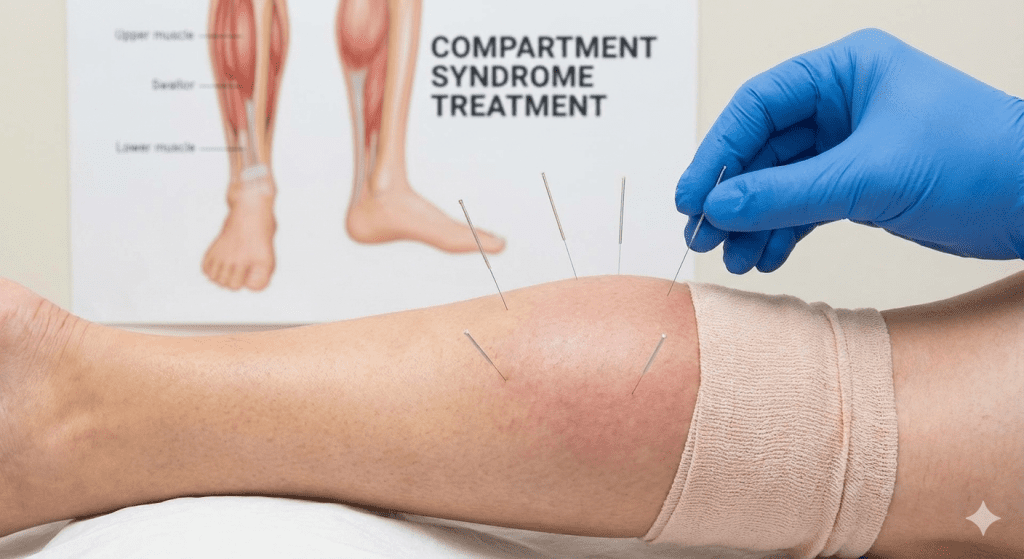
Compartment Syndrome
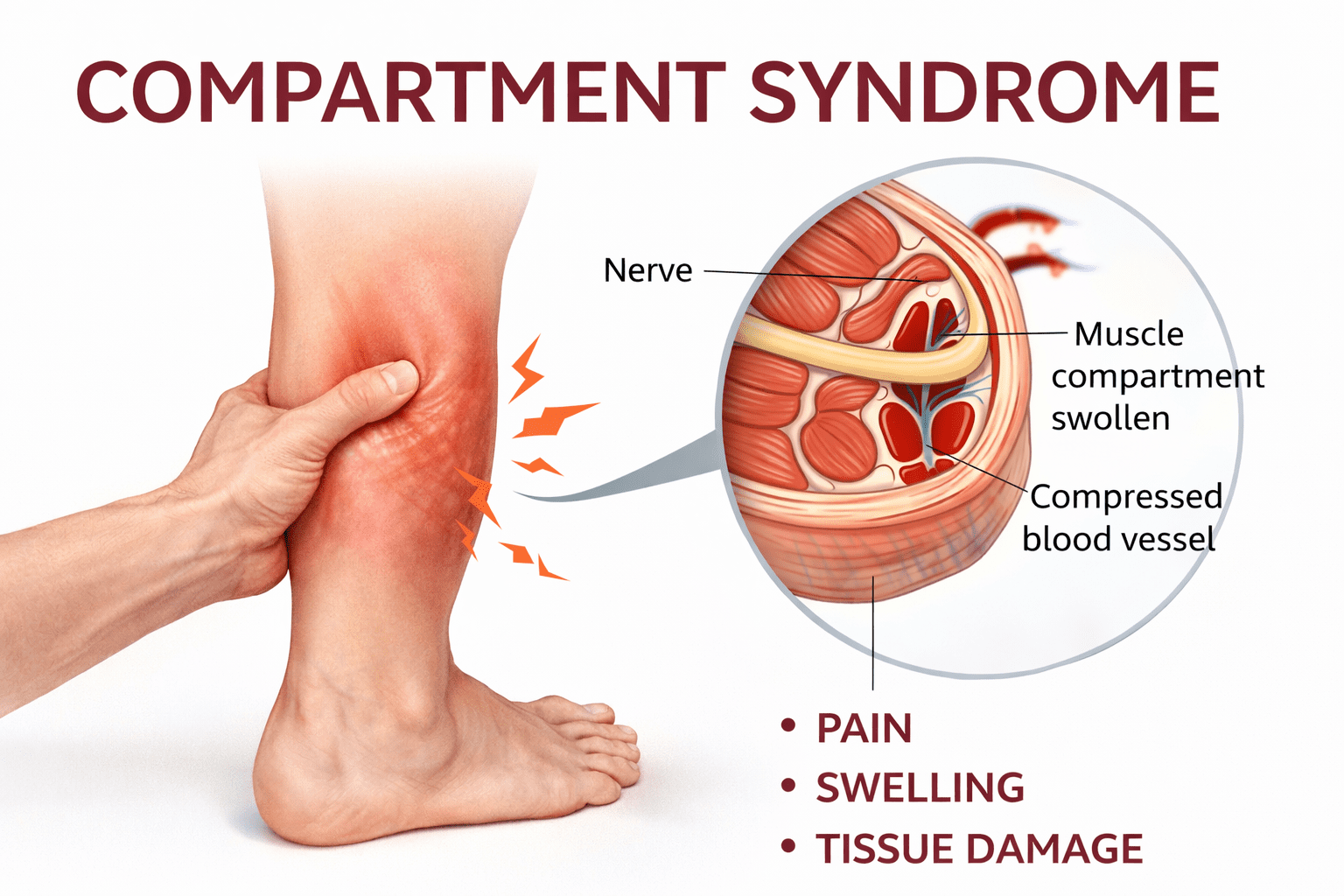
Compartment syndrome is a painful accumulation of pressure around your muscles. A medical emergency known as acute compartment syndrome can result from serious injuries or surgical complications. Over time, very intense or frequent exercise might lead to chronic compartment syndrome. By altering your exercise regimen, chronic compartment syndrome is typically treatable. There’s a dangerous rise in pressure within a closed muscle compartment that can compromise blood flow and nerves, and you must recognize causes, symptoms, and types—acute, exertional, and specific sites like legs, forearms, feet, orbitals, and abdominals—to protect function. This post outlines common causes, warning signs, and both surgical and holistic treatment options, including acupuncture, targeted rehabilitation, anti-inflammatory nutrition, and select homeopathic remedies. You can discuss balanced care with your clinician.
Key Takeaways:
- Compartment syndrome is when the pressure inside a closed muscle compartment rises, which stops blood flow and causes tissue ischemia. Acute cases are surgical emergencies that often need fasciotomy.
- Common causes include fractures, crush injuries, tight casts or dressings, burns, reperfusion injury, internal bleeding, and vigorous or repetitive exercise (exertional compartment syndrome).
- Typical symptoms include severe pain that is disproportionate to the injury, pain during passive stretching, tense swelling, numbness or paresthesia, and diminished sensation or motor function in the distal areas; pulses may be normal in the early stages but can be lost later.
- Types and locations include acute vs chronic/exertional forms and sites such as the anterior leg compartment, forearm, foot, orbit (orbital compartment syndrome), and abdominal compartment syndrome (intra‑abdominal hypertension affecting organ function).
- Diagnosis relies on clinical exam supplemented by compartment pressure measurements and imaging as needed; intra‑abdominal pressure is monitored via bladder pressure for abdominal cases.
- Emergency treatment: remove constrictive items; urgent fasciotomy for acute cases; fluid and hemodynamic support; pain control; and correction of the underlying cause. Chronic exertional cases may respond to activity modification, physiotherapy, or elective decompression.
- Holistic and natural measures can be adjuncts for nonacute cases: graded exercise, targeted physiotherapy, manual therapy, and acupuncture for symptom relief have mixed evidence; homeopathic remedies indicate clinical proof and can be successfully used in chronic forms of compartment syndrome.
Understanding Compartment Syndrome
| Understanding Compartment Syndrome | Definition and OverviewYou need to understand compartment syndrome as a pathophysiologic process in which rising pressure within an osteofascial compartment impairs microvascular perfusion and leads to ischemia of muscle and nerve. Normal resting intracompartmental pressures are typically below 10 mmHg; when pressures exceed about 30 mmHg or when the delta pressure (diastolic pressure minus intracompartmental pressure) falls under roughly 30 mmHg, perfusion becomes compromised. In practical terms, that means a tight cast, an expanding hematoma after a tibial fracture, or reperfusion after prolonged ischemia can convert a previously well-perfused compartment into one at high risk for necrosis within hours. |
| You should watch for the classic clinical cascade: pain out of proportion to the injury, pain with passive stretch of the muscles in the compartment, tense swelling, and early paresthesia in the distribution of the involved nerves. Pulses often remain present until late, so absence of a pulse is not an early diagnostic criterion; rather, you should prioritize subjective severe pain and reproducible pain with passive stretch as red flags. Objective confirmation by compartment pressure measurement—using a needle manometer or handheld device—helps you make the decision for fasciotomy when the clinical picture is equivocal. | You must act quickly because irreversible muscle and nerve damage commonly occurs within 6–8 hours of sustained ischemia. Surgical fasciotomy remains the definitive treatment for acute compartment syndrome: timely decompression can restore perfusion, salvage tissue, and preserve function. While nonoperative measures such as loosening dressings, removing casts, and elevating the limb to heart level may be immediate temporizing steps you take, they do not replace prompt surgical assessment when pressures or the clinical picture indicate impending necrosis. |
Types of Compartment SyndromeYou will encounter two broad clinical categories: acute (traumatic) compartment syndrome and chronic (exertional) compartment syndrome, and each presents different diagnostic challenges. Acute cases often follow high-energy tibial fractures, crush injuries, penetrating trauma, burns, or reperfusion after vascular repair; intracompartmental pressure rises rapidly and demands emergent fasciotomy. Chronic exertional compartment syndrome typically appears in athletes—runners, military recruits, and cyclists—where predictable activity-associated pressure rises cause reproducible pain and tightness that abate with rest, and you may pursue pressure testing during exercise to confirm the diagnosis. | You also need to be aware of different body structures that have specific risks: anterior compartment syndrome in the leg is common and can harm the deep peroneal nerve; forearm compartment syndrome puts the flexor muscles and median nerve at risk; abdominal compartment syndrome, which happens when pressure inside the abdomen stays above about 20 mmHg and causes new organ problems, affects breathing and kidney function and needs to be treated in an ICU; and orbital compartment syndrome can harm vision and requires quick treatment to relieve pressure in the eye. Foot and orbital compartments are smaller, so even modest increases in volume can produce severe consequences; you should tailor your urgency and interventions to compartment size and organ risk. |
| You should use specific patient examples to help make decisions: for instance, a 32-year-old cyclist who feels pain in the front of his shin after 20 minutes of riding and has tightness and numbness between his toes often benefits from changing his activity, analyzing his walking, and if those don’t help, measuring the pressure in his leg, followed by surgery to relieve tension, which many studies show can help with symptoms. On the other hand, a patient with a displaced tibial shaft fracture, escalating pain despite analgesia, and tense swelling within hours requires immediate fasciotomy because the window to prevent permanent deficits is narrow. Diagnostic imaging such as ultrasound or CT rarely substitutes for clinical judgment and compartment pressure measurement in acute settings. |
|
| You should integrate diagnostic and therapeutic nuances across types: measurement thresholds (intracompartmental pressure >30 mmHg or delta pressure <30 mmHg) guide you in acute scenarios, whereas exertional cases rely on exertional testing and functional assessment before proceeding to fasciotomy. For chronic exertional syndrome, you can try changing your activities, doing specific physical therapy, using orthotics, and sometimes practicing gait retraining with special devices; if these don’t work, elective fasciotomy can help relieve symptoms for many patients, with studies showing significant improvement in 60–90% of cases depending on how it’s done. |
|
Causes of Compartment Syndrome
Causes Overview
| Causes | Mechanisms and Examples |
|---|---|
| Traumatic injuries | Fractures (especially tibial shaft, implicated in a large share of leg cases), crush injuries, and penetrating trauma—bleeding and edema within a closed fascial compartment raise intracompartmental pressure, reducing perfusion. |
| Exertional | Repetitive exercise (commonly in the anterior compartment of the leg in runners and military recruits) causes transient or chronic rises in intramuscular pressure during activity. |
| Iatrogenic and postoperative | Tight casts, dressings, prolonged limb compression, or reperfusion after ischemia (tourniquet release, vascular repair) produce rapid swelling; compartment pressures >30 mmHg or within 30 mmHg of diastolic pressure indicate risk. |
| Medical conditions | Anticoagulation-related hematoma, hemophilia, rhabdomyolysis, severe soft-tissue infection (e.g., necrotizing fasciitis), and DVT with massive edema—soft-tissue expansion inside noncompliant compartments leads to ischemia. |
| Burns and reperfusion | Full-thickness circumferential burns and reperfusion after prolonged ischemia cause rapid interstitial fluid shifts and swelling that can precipitate compartment syndrome. |
Traumatic Injuries
High-energy fractures are among the most frequent triggers of acute compartment syndrome, and when you break the tibia, you face a particularly elevated risk—tibial shaft fractures account for a substantial proportion of leg compartment syndrome cases in surgical series, often cited in the range of 20-30% of traumatic cases. When you visit a doctor following a car accident, fall, or sports injury with a broken tibia, they will closely monitor you for signs such as unexpectedly worsening pain, discomfort during leg stretching, and elevated pressure in the muscle compartments. These signs, supported by specific measurements such as a compartment pressure exceeding 30 mmHg or a discrepancy between the diastolic and compartment pressure below 30 mmHg, may prompt the consideration of surgery.
Crush injuries and penetrating trauma cause a similar problem but in a different way: bleeding and swelling get stuck in tight spaces, leading to swelling, tight compartments, and worsening nerve or blood flow issues hours after the injury. Reports from cases after earthquakes and industrial accidents show that some patients developed compartment syndrome 6 to 24 hours after their injuries, even if they seemed stable at first, highlighting that not having severe pain early on doesn’t mean surgery won’t be needed later. You should expect serial exams and, when available, intracompartmental pressure monitoring in equivocal situations because early fasciotomy dramatically reduces the risk of permanent muscle necrosis and limb loss.
Tight casts or splints, improperly placed compression devices, and aggressive fluid resuscitation in the presence of soft-tissue injury directly contribute to iatrogenic trauma, an underappreciated cause that directly involves actions taken during care. These actions can push you beyond the threshold for compartment compromise. When blood flow returns after a blockage—such as following surgery to restore blood flow to a limb or after prolonged use of a tourniquet—it leads to an expected increase in fluid leakage and swelling; research indicates that this can quickly raise pressure in the compartment within hours. Therefore, when blood flow is restored to your limb, your medical team must monitor for increasing pain, tingling, or weaker pulses, which may indicate the need for pressure relief.
Medical Conditions
Anticoagulant therapy and bleeding disorders are important non-injury-related causes: if you are taking warfarin or a DOAC (like rivaroxaban or apixaban) or have hemophilia, you can develop large internal bruises in a closed area of your body, leading to acute Clinical studies and reports show that patients on blood thinners, especially older adults or those with high levels of anticoagulation, can experience sudden compartment syndromes in areas like the forearm, calf, and iliopsoas. Therefore, if you have a history of using blood thinners or bleeding issues, it’s important to be cautious when
Systemic inflammatory or infectious processes also create the tissue edema that precipitates compartment syndrome; severe cellulitis, necrotizing soft-tissue infection, and sepsis produce capillary leak and interstitial fluid shifts that can overwhelm compartment compliance. If you develop rapidly increasing pain and firmness of the involved compartment alongside systemic signs—fever, tachycardia, or hemodynamic instability—the overlapping diagnoses of infection and compartment syndrome demand prompt surgical assessment because delays significantly increase the risk of muscle loss and systemic deterioration.
Conditions that break down muscle, like rhabdomyolysis and severe exertional myopathies, can cause muscle swelling due to the release of cellular breakdown products and fluid shifts; there are documented cases of athletes, military recruits, and patients who were immobilized for a long time or had drug-related In practice, your assessment is based on creatine kinase levels, urine myoglobin, and the overall clinical situation; if you see rising compartment pressures along with signs of muscle injury, a fasciotomy is often needed to prevent permanent damage.
If you have a blood clotting issue or are on blood thinners and suddenly feel severe pain and swelling in a limb, it’s important to quickly check the pressure in that area and assess blood flow, as bleeding can get worse very fast; also, after procedures to restore blood flow or if you have a serious soft-tissue infection, be aware that swelling can reach its highest point in a few hours, so you need to be extra careful to spot when a temporary problem becomes a serious compartment syndrome.
Symptoms of Compartment Syndrome
Symptom categories and clinical implications
| Symptom | What it indicates |
|---|---|
| Severe pain is out of proportion. | Early ischemic pain from rising intracompartmental pressure; often the first reliable sign |
| Paresthesia or numbness | Compressional neuropathy of sensory fibers may signal that pressure is approaching nerve tolerance (often when compartment pressure approaches within 20–30 mmHg of diastolic blood pressure). |
| Tense swelling and firmness | Increasing compartment pressure is characterized by palpable tightness, which is common in the leg and forearm compartments. |
| Decreased passive stretch tolerance | Pain during passive stretching of the affected muscles is a sensitive bedside test for detecting evolving compartment hypertension. |
| The symptoms may include pallor, pulselessness, and in severe cases, paralysis. | Signs of advanced ischemia and potential irreversible muscle/nerve injury when present; pulses can be preserved early on |
You will most often detect symptoms initially as intense, escalating pain that does not respond to expected doses of analgesia; in traumatic cases pain increases over hours, while in exertional compartment syndrome pain typically builds during activity and can subside with rest. For example, runners with anterior exertional compartment syndrome commonly report cramps and sharp anterior tibial pain after 10–20 minutes of sustained running, and intracompartmental pressures measured post-exercise often rise into the 20–40 mmHg range. Clinical assessment of pain should therefore be contextual: compare the character, timing, and response to analgesia against the mechanism of injury or exertion pattern you observed.
When you examine the limb, sensory changes often precede motor loss; paresthesia in the distribution of the affected nerves—such as the deep peroneal nerve with anterior leg compartment involvement—indicates evolving neural compression and warrants immediate reassessment. Objective measures can corroborate your exam: resting compartment pressure consistently above 30 mmHg, or a delta pressure (diastolic blood pressure minus compartment pressure) less than 30 mmHg, is commonly used in many centers to support surgical decision-making. Case studies indicate that delays occur in recognition when clinicians rely solely on pulses, since distal pulses may remain palpable until late in the course.
If you notice tense swelling, increased pain during passive stretch of the compartment muscles, or a rise in analgesic requirements, it is advisable to intensify monitoring and promptly consider measuring the compartment pressure. In forearm injuries, for instance, firm compartments and pain on the wrist or finger from passive stretching are red flags; in the leg, pain from passive dorsiflexion of the toes and tight anterior compartments are comparable. It’s important to recognize problems quickly because permanent damage to muscles and nerves can happen after 6 to 8 hours of not getting enough blood flow, and doing surgery early in that time can greatly improve recovery.
Early Signs
You may first notice pain that is disproportionately severe relative to the visible injury—a classic early sign—and it often worsens with passive stretching of the involved muscle group. For example, with anterior compartment syndrome in the leg, passive plantarflexion may dramatically increase the pain; athletes with exertional compartment syndrome report reproducible symptoms tied to exercise intensity and duration, frequently after 10–30 minutes of exertion. Quantitatively, compartment pressures in exertional cases can transiently rise to 20–40 mmHg post-exercise, returning to baseline with rest, which helps distinguish exertional cases from acute post-traumatic cases.
Sensory complaints such as tingling, burning, or numbness appear early and are particularly informative when localized to the expected nerve distribution: numbness between the first and second toes suggests deep peroneal nerve involvement in an anterior compartment problem, while fingertip numbness or paresthesias can indicate forearm compartment compromise. In clinical audits, up to 70-80% of patients reported paresthesia before motor weakness developed, so your attention to these subtle sensory shifts can prompt earlier intervention. Use serial examinations and, if available, noninvasive adjuncts like repeated pressure measurements to monitor progression.
Swelling and firm compartments are often palpable findings you can detect at the bedside and are typically accompanied by increased analgesic needs and pain on passive stretch; these physical signs may be more obvious in closed fractures or crush injuries of the lower leg or forearm. You should be cautious interpreting distal pulses—they frequently remain present until late—so do not rely on their presence to exclude compartment syndrome. In one institutional review, reliance on pulses delayed diagnosis in a substantial proportion of delayed fasciotomies, underscoring the need to prioritize pain and paresthesia assessments.
| Early signs | Clinical action |
|---|---|
| Pain out of proportion | Escalate monitoring, consider compartment pressure measurement, limit analgesia masking |
| Paresthesia | Perform focused neurovascular exam and document changes serially |
| Firm compartment, pain on passive stretch | Prepare for urgent surgical consultation if progression occurs |
Advanced Symptoms
Your awareness of advanced symptoms shows that there may be a shift towards tissue damage and possible death: you might notice problems with movement like not being able to lift the foot, pale skin, tight swelling with no blood flow returning to the capillaries, and permanent changes in Clinical series indicate that motor loss and paralysis are late findings and often correlate with longer ischemic intervals—commonly beyond 6-12 hours—at which point muscle viability declines sharply. When you see these signs, anticipate the need for urgent fasciotomy and coordinate expedited surgical evaluation and intervention.
As muscle tissue starts to die, serious problems can arise: you might see dark or tea-colored urine and very high levels of creatine kinase (CK) in the blood. Acute kidney injury may follow if the myoglobin load is large and not managed with aggressive fluid resuscitation and alkalinization when indicated. Case reports link delays beyond 12 hours to higher rates of secondary renal support and limb loss, so your systems-level response should include monitoring renal function, electrolytes (especially potassium), and urine output in addition to local limb care.
If compartment pressures remain uncontrolled, nerve and muscle damage can become permanent, leading to contractures such as Volkmann ischemic contracture in the forearm or foot drop after anterior leg compartment necrosis. Functional outcomes deteriorate significantly with delayed decompression: retrospective cohorts show better strength and return-to-activity when fasciotomy is performed within the first 6 hours versus later. Therefore, once advanced symptoms are apparent, immediate coordination for decompression and postoperative rehabilitation planning is necessary to optimize recovery.
More on advanced symptoms: when you evaluate a patient with advanced compartment syndrome, prioritize a focused, documented neurovascular exam and early laboratory assessment—CK, serum potassium, creatinine, and urine myoglobin—because elevated CK (>5,000-10,000 U/L) and rising potassium can change acute management. In complex cases, imaging may be used to assess associated fractures or vascular injuries; however, do not delay decompression for imaging if the clinical picture is clear. Multidisciplinary management, including orthopedics, vascular surgery, nephrology, and rehab services, improves outcomes in cases complicated by systemic effects.
- Progressive motor weakness (e.g., inability to dorsiflex or extend digits)
- Persistent or worsening pain despite adequate analgesia
- Marked swelling with tense, immobile compartments
- Dark urine or oliguria suggesting rhabdomyolysis
- Electrolyte abnormalities, particularly hyperkalemia
Advanced symptoms summary
| Advanced signs | Implication |
|---|---|
| Motor paralysis | Indicates extensive neural or muscular ischemic injury; often irreversible if prolonged |
| Rhabdomyolysis/myoglobinuria | Risk of acute kidney injury; requires aggressive fluid management and monitoring |
| Fixed contracture | Signifies chronic ischemic sequelae (e.g., Volkmann contracture) and reduced functional prognosis |
| Systemic instability (electrolyte disturbance) | May necessitate critical care support and dialysis in severe cases |
Diagnosis of Compartment Syndrome
Diagnosis Overview
| Assessment | Findings / What this means for you |
| Clinical signs | Clinical signs include severe pain that is disproportionate to the injury, pain during passive stretch, a tense and swollen compartment, paresthesia, and a progressive motor deficit; it is important to note that pulses may remain present until the late stages, so the presence of intact pulses does not exclude the diagnosis. |
| Intracompartmental pressure | Acute thresholds are often used: absolute pressure ≥ 30 mmHg or delta pressure (diastolic BP − compartment pressure) ≤ 30 mmHg; for exertional syndrome, use Pedowitz criteria (pre-exercise ≥ 15 mmHg, 1 min post ≥ 30 mmHg, 5 min post ≥ 20 mmHg). |
| Imaging | MRI demonstrates muscle edema and fascial plane changes but is rarely practical in emergency care; ultrasound can show muscle swelling and loss of normal architecture and may be useful at bedside. |
| Timing and monitoring | Rapid progression over hours after high-energy tibial fractures or crush injuries is common; you should monitor serial exams and, when indicated, repeat pressure measurements or use continuous monitoring in sedated/ventilated patients. |
| Differential considerations | Conditions like deep venous thrombosis, nerve compression, severe cellulitis, and vascular occlusion can show similar symptoms; so, it’s crucial to compare the clinical exam results with pressure measurements and imaging findings to decide if a fasciotomy is necessary. |
Clinical Examination
You need to perform serial, focused limb examinations because the earliest diagnostic clues are clinical rather than radiographic. Pain that is disproportionate to the apparent injury and increasing despite escalating analgesia is often the first sign; when you passively dorsiflex the toes in anterior leg compartment syndrome or extend the fingers in forearm involvement, the provoked pain is highly suggestive. Sensory changes like tingling in a specific area of a nerve (for example, numbness in the first webspace from the deep peroneal nerve in anterior compartment syndrome) usually come after the pain, and weakness in movement—like difficulty lifting the foot or toes—indicates more serious nerve damage.
Examination must include assessment of compartment firmness and comparison with the contralateral limb; a tense, board‑like feel to the compartment is a red flag. Although the classic “six Ps” (pain, paresthesia, pallor, paralysis, pulselessness, and poikilothermia) are taught, you should prioritize pain with passive stretch and increasing analgesic requirements as the most sensitive early indicators—pallor and pulselessness are late and unreliable for early detection. In practical terms, when you evaluate a patient with a tibial shaft fracture who develops escalating pain over 4–8 hours and has a tense anterior compartment, you must act on the exam even if distal pulses are measurable.
Document serial findings and check perfusion repeatedly; changes can occur over short intervals, and single exams are often insufficient. For patients who are obtunded, sedated, pediatric, or have distracting injuries, you should lower the threshold for objective monitoring because subjective reporting of pain is limited; in these scenarios, bedside pressure measurement or continuous monitoring becomes much more important. Case series of post-fracture compartment syndrome commonly show progression within 6–12 hours, so your frequency of reassessment—hourly in high-risk cases—can determine whether you intervene before irreversible muscle and nerve injury occurs.
Imaging and Pressure Measurements
You should view imaging as an adjunct, not a replacement for the clinical exam, because MRI and CT may document muscle edema and fascial plane separation but often take too long for acute decision‑making. MRI is excellent at detecting muscle edema and can help clarify unclear situations in stable patients, like showing a lot of swelling in the front compartment after a crush injury; however, ultrasound gives quicker information at the bedside—showing increased muscle size, changes in muscle structure, and fluid buildup—and can be done multiple times to monitor modifications. In an emergency setting, you will typically rely on a clinical evaluation plus pressure measurements rather than waiting for advanced imaging.
Direct intracompartmental pressure measurement is the diagnostic tool you should employ when the clinical picture is equivocal, the patient cannot report symptoms, or you need objective data to justify fasciotomy. Several validated techniques exist—needle manometry with a Stryker device, slit catheter, or wick catheter—with accuracy dependent on correct placement and calibration. For acute compartment syndrome, use the commonly accepted thresholds: an absolute intracompartmental pressure ≥30 mmHg or a delta pressure (diastolic blood pressure minus compartment pressure) ≤30 mmHg indicates significant ischemic risk; for chronic exertional compartment syndrome, apply Pedowitz criteria (pre‑exercise ≥15 mmHg, 1‑minute post‑exercise ≥30 mmHg, 5‑minute post‑exercise ≥20 mmHg).
When you perform pressure measurement, sample multiple sites within the same compartment and compare to the contralateral limb; single-point readings can underestimate localization and extent. Continuous monitoring catheters are especially useful for patients who are sedated, on a ventilator, or have burns or crush injuries, as regular exams may not be accurate—you might notice pressure levels rising to 40 mmHg, which would require immediate fasciotomy to prevent serious nerve damage. Technical pitfalls include inaccurate transducer zeroing, catheter clogging, and measuring adjacent compartments instead of the one suspected; awareness of these issues will improve the diagnostic yield of your measurements.
Conventional Treatments for Compartment Syndrome
Conventional Treatment Overview
| Treatment Category | When and How It’s Used |
| Surgical: Fasciotomy (open) | Emergency decompression for acute compartment syndrome (ACS) is needed when the pressure inside the compartment exceeds 30 mmHg or the delta pressure (diastolic−compartmental pressure) is less than 30 mmHg. This should be done as soon as possible, ideally within 6 hours of diagnosis, to restore blood flow and stop muscle death. The procedure often involves two-incision or single long incision techniques in the lower leg to release all involved compartments. |
| Surgical: Minimally invasive/endoscopic fasciotomy | This technique is primarily used for chronic exertional compartment syndrome (CECS) or specific urgent cases that require minimal damage to the soft tissue; it involves smaller incisions, shorter hospital stays, and quicker initial recovery, but the likelihood of recurrence can vary depending on the method employed and the individual patient. |
| Non-surgical: Acute temporizing measures | Immediate steps you can expect at the bedside: remove constrictive dressings/casts, keep the limb at heart level (not elevated above the heart), provide analgesia and serial pressure monitoring. These measures are temporary and monitored continuously until surgery is decided. |
| Non-surgical: Conservative management for CECS | The non-surgical approach involves activity modification, graded rehabilitation (eccentric strengthening, stretching), gait retraining, orthotics/shoe changes, and targeted physical therapy. A typical trial lasts 3-6 months before considering operative options for persistent functional limitation. |
| Adjunctive/Experimental | Botulinum toxin A injections (small series show decreased compartment pressures and symptom relief in CECS), hyperbaric oxygen therapy as an adjunct in select centers for ischemic muscle salvage, and negative-pressure wound therapy post-fasciotomy to manage edema and aid delayed closure. |
Surgical Interventions
You will most commonly encounter fasciotomy as the definitive surgical intervention: an open incision through the overlying fascia to release pressure in all affected compartments. For the lower leg, surgeons typically use two-incision approaches to decompress the anterior, lateral, and posterior compartments; for the forearm or foot, targeted releases address the specific anatomies involved. Doctors usually decide on surgery based on pressure measurements inside the compartments—pressures over 30 mmHg or a difference of 30 mmHg or less—along with signs like severe pain, tight swelling, and pain when stretching the area.
Postoperative care is a major part of the outcome you’ll experience. Wounds are often left open or managed with negative-pressure wound therapy (VAC) for 48-72 hours while edema subsides; delayed primary closure usually occurs within 3-7 days, and split-thickness skin grafting is sometimes required if healing is not possible. Early fasciotomy—ideally within 6 hours of clinically significant ischemia—greatly reduces the risk of permanent muscle necrosis and nerve damage; delayed decompression beyond 8–12 hours is associated with higher rates of debridement, contracture, and, in extreme cases, amputation.
Variations of the operation matter depending on your goals and activity level. Minimally invasive or endoscopic fasciotomies are becoming more common for chronic exertional compartment syndrome (CECS) and some planned surgeries because they cause less damage to soft tissue and allow for quicker recovery; many athletes can return to their activities in weeks instead of months. However, you should weigh the trade-offs: open fasciotomy provides more reliable and complete decompression for complex trauma, while endoscopic or percutaneous techniques may be more suitable for isolated CECS when performed by experienced practitioners
Non-surgical Options
Non-surgical measures are the first line of treatment for chronic exertional presentations and serve as temporary steps in acute settings. In an emergency situation, the first things to do are to take off tight casts or bandages, keep the affected limb at heart level, closely assess the pressure in the compartment, and provide strong pain relief—these actions help manage the situation temporarily but won’t substitute for surgery if the pressure stays high. For CECS, conservative care focuses on activity modification, progressive eccentric strengthening, calf stretching programs, and formal gait retraining guided by a physiotherapist experienced with lower-extremity overuse injuries.
Adjunct therapies play a meaningful role in reducing symptoms for many patients. You can try custom orthotics, shock-absorbing insoles, and footwear changes to alter biomechanics; some centers employ targeted botulinum toxin An injection into hypertrophied muscles reduces intracompartmental pressure—small clinical series report symptomatic improvement and lower measured pressures for weeks to months. Hyperbaric oxygen therapy has been used as a bridge or adjunct in specialized settings to enhance oxygen delivery to ischemic tissue, while localized modalities (manual therapy, graded return-to-run programs) help you rebuild function without immediately resorting to surgery.
If your symptoms persist despite a structured conservative program, intracompartmental pressure testing after exercise guides the decision to operate. In practice, clinicians commonly give a 3-6 month window of supervised rehabilitation for CECS before recommending fasciotomy if you still have activity-limiting pain or pressures exceeding diagnostic thresholds. For acute compartment syndrome, non-surgical measures are only temporizing; rising or high pressures mandate urgent surgical decompression to avoid irreversible muscle and nerve damage.
Further detail on non-surgical care: when you pursue conservative management, expect a structured plan—initial rest and symptom control for 2-6 weeks, followed by progressive loading, biomechanical assessment and retraining, and a staged return-to-sport protocol over 8-16 weeks. Outcomes vary: some runners and athletes regain full function with orthotics and gait changes, while others show persistent elevated post-exercise compartment pressures and ultimately require surgical release. Close follow-up with serial symptom scoring and, where available, post-exercise pressure testing helps you and your clinician make an evidence-informed decision about continuing conservative care versus moving to operative management.
Holistic Treatments for Compartment Syndrome
Holistic Options and Evidence
| Therapy | Practical details & evidence. |
| Dietary anti‑inflammatories | Curcumin (commonly studied at 500-2,000 mg/day), omega‑3s (1-3 g/day), and a diet high in antioxidants aim to reduce systemic inflammation; evidence supports symptomatic improvement in chronic soft‑tissue inflammation but not as a replacement for fasciotomy when compartment pressures are high. |
| Enzymes & botanicals | Bromelain, arnica (topical), and proteolytic enzyme blends may reduce local edema and post‑exercise soreness in some studies; benefit sizes vary and clinical trials specific to compartment syndromes are limited. |
| Topical and physical measures are also effective. | Ice, elevation, and intermittent rest can lower swelling in exertional or subacute presentations; acute ischemic presentations with delta pressures <30 mmHg require urgent surgical assessment and should not be managed only conservatively. |
| Acupuncture and manual therapies are also recommended. | Acupuncture protocols (commonly 1-2 sessions per week for 4–8 weeks in musculoskeletal studies), myofascial release, and lymphatic massage are used as adjuncts to improve pain, circulation, and fascial mobility; evidence is mostly from small trials or case series. |
| Hyperbaric & physical modalities | Hyperbaric oxygen and low‑level laser therapy have case reports suggesting improved wound healing and reduced edema post‑fasciotomy; access and cost limit routine use and RCT data are sparse. |
| Homeopathy | Some patients use homeopathic approaches for symptom support. There is high-quality evidence of benefit in compartment syndromes. |
Natural Remedies
You can use targeted dietary strategies to reduce the low‑grade inflammation that perpetuates swelling in chronic or exertional compartment presentations: for example, incorporating 500-2,000 mg/day of standardized curcumin extracts and 1-3 g/day of EPA+DHA from fish oil has been associated with measurable reductions in inflammatory markers (CRP, IL‑6) in musculoskeletal studies. In practical terms, emphasize whole‑food anti‑inflammatory patterns—leafy greens, berries, fatty fish—and avoid pro‑inflammatory refinement (high sugar and trans fats) that can exacerbate tissue edema. Clinical experience shows that when you pair dietary changes with activity modifications, pain frequency and exercise tolerance can improve over 4–12 weeks in many patients with exertional symptoms.
You should also think about using enzymes and creams that help with swelling: bromelain and proteolytic enzyme products can help reduce soft-tissue swelling after exercise, while topical arnica gel or creams can be applied directly to painful areas to lessen sensitivity and bruising in small studies. Use castor oil packs or cold immersion selectively after activity to limit persistent interstitial fluid accumulation, and monitor your response—if you see only transient benefit or progressive numbness, more aggressive intervention is indicated. These measures are commonly adopted as adjuncts during rehabilitation programs and can reduce reliance on systemic analgesics for day‑to‑day symptom control.
You should not replace natural treatments with surgery when the pressure inside a muscle compartment is dangerously high: if the delta pressure (the difference between diastolic blood pressure and intracompartmental pressure) is below about 30 mmHg or if the compartment pressure is above about 30-45 mmHg, surgery called fas Instead, employ natural remedies primarily for chronic/exertional presentations, postoperative recovery, or to complement physical therapy and gait retraining. Track objective outcomes—pain scores, activity duration, and functional tests—over a 6-12 week window to judge whether conservative measures are producing clinically meaningful improvement.
Complementary Therapies
You can integrate acupuncture to address pain modulation and local perfusion; protocols used in musculoskeletal research often involve 1-2 sessions per week for 4-8 weeks, with point selection targeted to local fascial lines and neurovascular bundles. Basically, needling seems to help improve blood flow in the area and change how the brain processes pain, which can lessen the pain that stops people from exercising, especially While randomized trials specific to compartment syndrome are limited, multiple case series report that patients who combine acupuncture with graded activity and gait modification often resume higher training volumes within 6–12 weeks compared with those using conservative measures alone.
You should also evaluate manual therapies—myofascial release, instrument‑assisted soft‑tissue mobilization, and targeted stretching—aimed at improving fascial gliding and reducing aberrant pressure transmission within compartments. Use experienced practitioners who document range of motion, compartment girth, and functional tests before and after treatment; small clinical audits show measurable gains in ankle dorsiflexion and pain‑free running distance after 6-10 weekly sessions when manual therapy is paired with neuromuscular retraining. Additionally, lymphatic drainage and compression strategies can assist in post‑exercise fluid clearance, but be cautious: aggressive compression over an acutely swollen compartment can worsen ischemia, so you should apply these methods only under practitioner guidance.
You may find that adjunctive modalities such as low‑level laser, therapeutic ultrasound, TENS, and hyperbaric oxygen are helpful in select cases—particularly for wound healing after fasciotomy or for stubborn edema resistant to simpler measures. Evidence strength varies: hyperbaric oxygen has documented benefits for ischemic wound healing in several cohorts, and TENS can reduce perceived pain to facilitate rehabilitation sessions. Always integrate these therapies with objective monitoring of symptoms and pressures when applicable, and coordinate with surgical teams if you suspect worsening compartment physiology.
Additional considerations for complementary therapies include timing, sequencing, and contraindications: you should prioritize noninvasive options during the subacute and rehabilitative phases and reserve invasive or high‑resource approaches for refractory cases. Coordinate acupuncture or manual therapy with imaging, compartment pressure checks, and your physical therapy plan so interventions are additive rather than masking signs that would prompt urgent surgical assessment. Finally, document functional milestones—pain‑free walking distance, return‑to‑run timelines, and wound status—so you can evaluate which complementary elements are delivering measurable benefit in your individual recovery plan.
Acupuncture for Compartment Syndrome
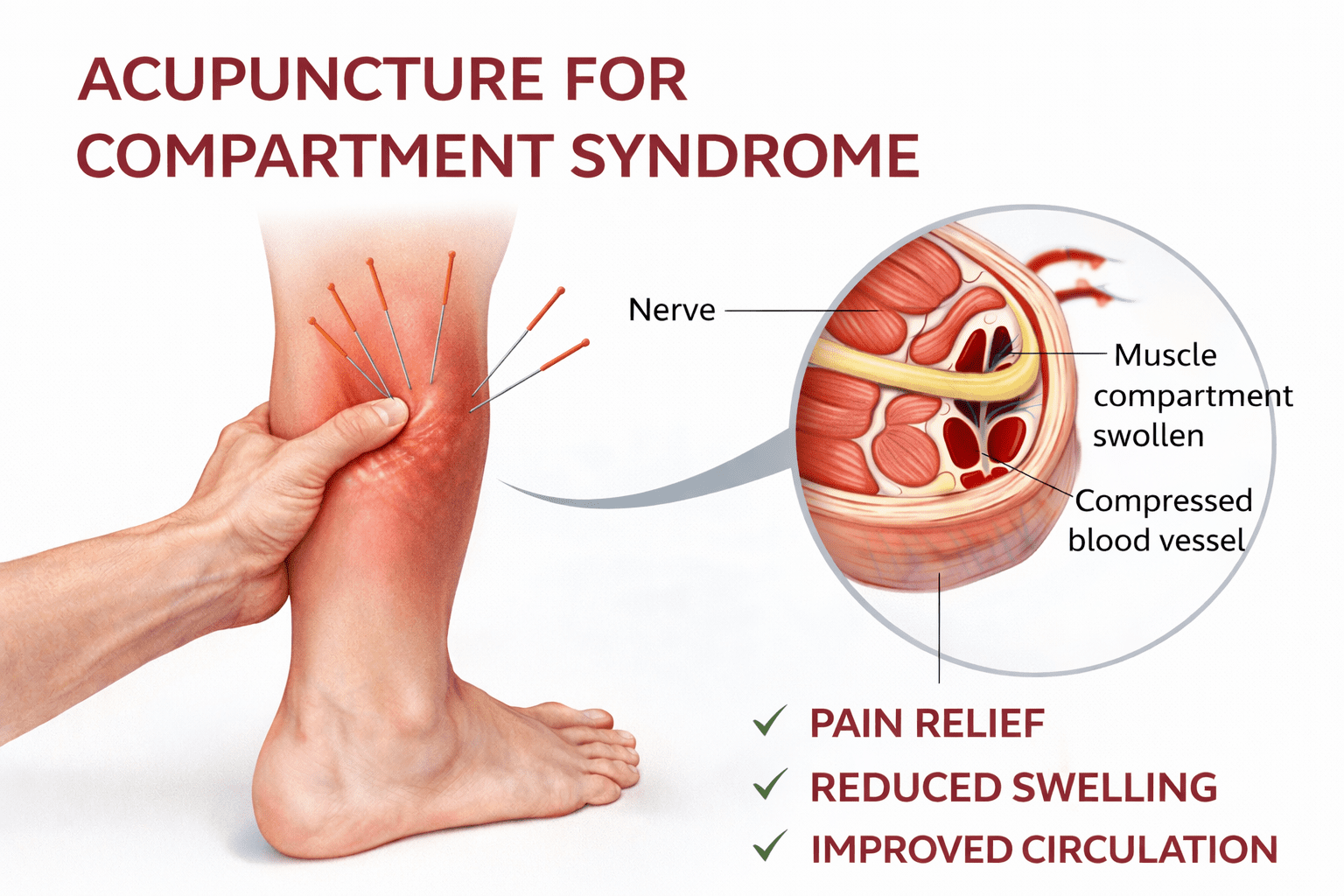
While case studies show promise, particularly for residual symptoms following surgery, acupuncture is a supportive therapy for chronic compartment syndrome (CCS), not a replacement for immediate acute care. Acupuncture, especially dry needling, is used as a complementary, non-surgical treatment for CCS to relieve pain, improve circulation, and reduce tightness by targeting muscle compartments and trigger points. It is often used with physiotherapy.
The Benefits of Acupuncture
Reduces muscle tightness and pain: By increasing blood flow and easing tension in muscles and connective tissues (like the hamstrings or gastrocnemius), needles can decrease pressure within the muscle compartments
Manages Circulation: According to the Journal of Acupuncture Research, acupuncture may help reorganize compromised lymphatic and circulatory systems, promoting healing and lowering edema.
Resolves Residual Symptoms: The Journal of Acupuncture Research reports that electroacupuncture and bee venom therapy have demonstrated efficacy in enhancing pain and function in patients who have persistent problems following surgery for traumatic compartment syndrome.
Method of Treatment for Persistent Cases
Dry Needling: This popular method involves inserting needles into trigger points, which are tight bands of muscle located in the anterior, lateral, and posterior leg compartmentAccording to Freedom Clinics, combination therapy is frequently used alongside stretching, deep tissue massage, and physiotherapy to achieve the best non-surgical outcomes.es.
Frequency: Sessions that target all three compartments and core muscles may be held once a week for prevention or twice a week for treatment, according to ScienceDirect.com.
Homeopathic Treatment for Compartment Syndrome
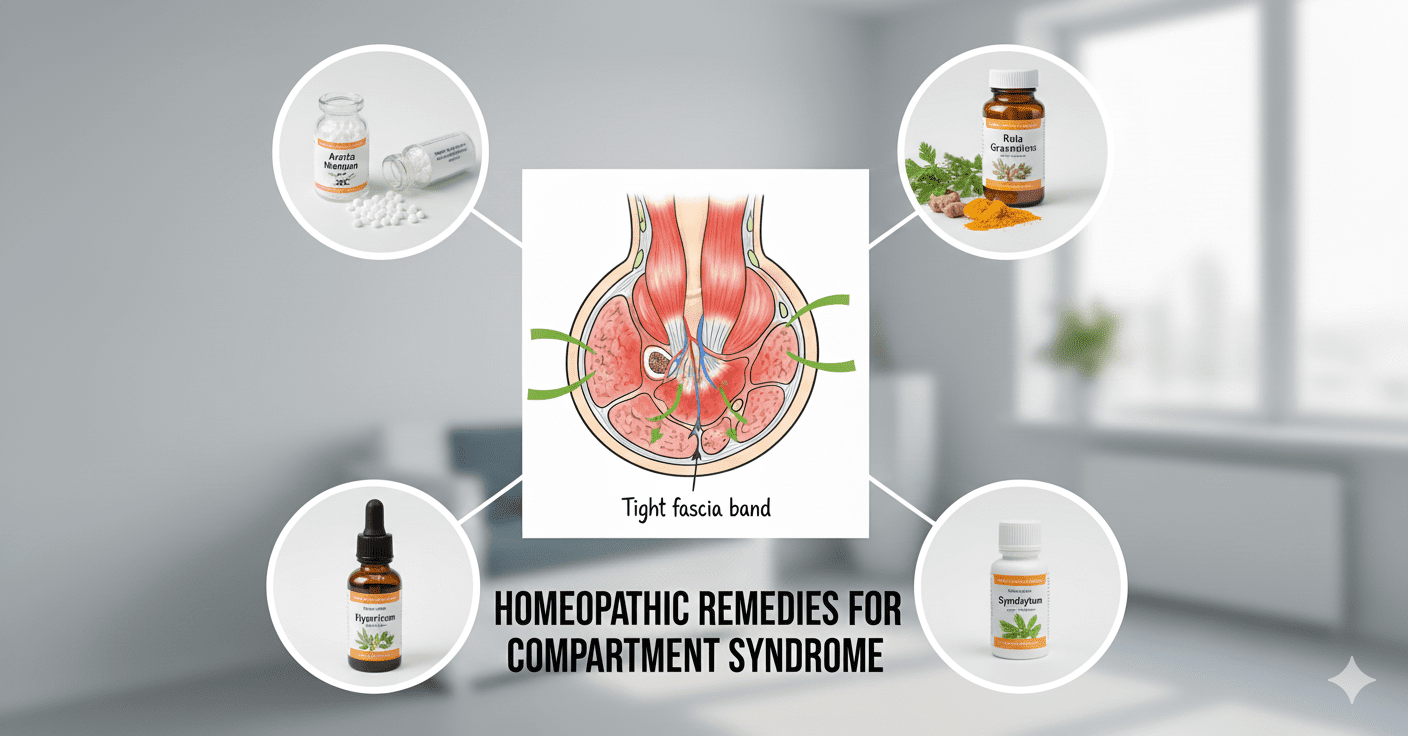
Although conventional medicine considers fasciotomy surgery to be the gold standard, homeopathic remedies such as Arnica montana (trauma/swelling), Rhus toxicodendron (stiffness), and Apis mellifica (swelling/redness) have the potential to lessen the need for surgery. Physical therapy is also essential for long-term cases of compartment syndrome. There is a lack of evidence for acute, severe cases when using homeopathy to treat dangerous illnesses like compartment syndrome, which necessitates immediate medical intervention.
Popular Homeopathic Treatment Options
When you’re hurting, bruised, or swollen from a workout or accident, try arnica montana.
Commonly used for sprains and strains, Rhus toxicodendron (Rhus tox) alleviates stiffness and pain that is worse with rest or moisture.
For redness, swelling, stinging discomfort, and acute situations such as ankle edema, use Apis mellifica.
Nerve pain: Hypericum perforatum, also known as St. John’s Wort.
After surgery or trauma to deeper tissues, the bellis perennis can help with deep bruising and stiffness.
Function of Homeopathy
Individual Case studies: There are case studies in the literature that describe how homeopathy, either in conjunction with or as an alternative to conventional treatment (such as surgery in severe cases or to avoid amputation), improved symptoms. However, these accounts should not be interpreted as comprehensive clinical advice.
Symptom-Based: Homeopathy employs remedies that align with the patient’s symptoms, adheres to the idea of “like cures like,” and compares substances that create symptoms in a healthy person to those that a patient is experiencing.
To wrap up
To wrap up, compartment syndrome is a condition in which pressure builds inside a closed fascial space and threatens circulation and tissue viability; you should recognize that the common causes include trauma with bleeding or swelling, crush injuries, tight casts or dressings, reperfusion after ischemia, and repetitive exertion in athletes. You will see symptoms that often include severe pain out of proportion to the injury, increasing tightness and swelling, sensory changes such as numbness or tingling, and late signs of diminished pulses and motor weakness—different anatomical locations produce distinct patterns, so anterior compartment, forearm, leg, foot, orbital, and abdominal presentations each demand you to be alert to their specific warning signs. You should view exertional (chronic) compartment syndrome as a separate clinical entity from acute traumatic presentations: it commonly causes activity-related pain and stiffness rather than the rapidly progressive ischemic threat seen in acute cases, but both require timely assessment so you and your care team can decide on monitoring and intervention.
You need to understand that definitive treatment for acute compartment syndrome is prompt surgical decompression (fasciotomy) to restore perfusion and prevent permanent damage; for abdominal compartment syndrome, decompressive laparotomy is the intervention that relieves life‑threatening intra‑abdominal hypertension, and for orbital compartment syndrome, urgent lateral canthotomy/cantholysis is required to protect vision. For exertional and chronic forms of compartment syndrome, you will often begin with conservative strategies such as activity modification, targeted physical therapy, gait and biomechanics correction, appropriate footwear or orthotics, and judicious use of anti-inflammatory measures; fasciotomy is reserved for cases where conservative care fails. Holistic and natural modalities can play a supportive role in symptom control and recovery; rest, elevation, controlled icing, progressive rehabilitation, and mind-body approaches can help alleviate your pain and improve function. However, you must avoid tight casts or restrictive dressings that can worsen compartment pressure, and you should treat complementary therapies as adjuncts rather than replacements for medical or surgical care.
You should act quickly when symptoms escalate: if you experience rapidly increasing pain, tense swelling, loss of sensation, motor weakness, pale or cool extremity or any signs of compromised circulation, seek emergency medical care immediately because delays can result in permanent loss of function. If your symptoms are related to activity or have been ongoing for a long time, collaborate with a healthcare provider to get a clear evaluation (which may include measuring compartment pressure if necessary) and create a plan that combines proven treatments with safe additional therapies like acupuncture for relief—keeping in mind that homeopathic remedies have strong evidence for treating compartment pressure and can take the place of proper medical care. By staying informed, watching your symptoms closely, and coordinating care among surgeons, physiotherapists, and qualified complementary practitioners, you can protect your tissues, restore function, and make treatment decisions that prioritize safety and long-term recovery.
FAQ

Q: What is compartment syndrome?
A: Compartment syndrome happens when pressure builds up in a muscle area, which can block blood flow and affect nerves; it can happen suddenly (often after an injury, bleeding, or when blood flow returns) or over time from repeated exercise.
Q: What causes compartment syndrome?
A: Common causes include fractures, crush injuries, severe soft-tissue swelling, intramuscular bleeding, tight casts or dressings, reperfusion after ischemia, extensive burns or soft-tissue infection, excessive exercise (exertional type), abdominal distension or intra‑abdominal hypertension (abdominal compartment syndrome), and iatrogenic causes such as prolonged limb compression during surgery.
Q: What are the typical signs and symptoms to watch for?
A: Key features include severe, escalating pain that is often disproportionate to the injury and worsens with passive stretching of the affected muscles; changes in sensation (paresthesia); marked swelling and firmness or tenseness of the compartment; diminished sensation or motor function distally; pale or cool skin; and diminished pulses in the later stages; in the abdomen, signs include rising intra-abdominal pressure, respiratory compromise, reduced urine output, and organ dysfunction.
Q: What are the main anatomical types and how do they differ
A: Types include acute limb compartment syndrome (leg—commonly anterior compartment, forearm), exertional (chronic) compartment syndrome of the lower leg and forearm, foot compartment syndrome, orbital compartment syndrome (eye—ophthalmic emergency), and abdominal compartment syndrome (intra-abdominal hypertension with organ impairment); acute limb and orbital forms progress rapidly and require urgent intervention, while exertional forms are activity-related and often managed conservatively before surgical options are considered. ed.
Q: How do doctors in traditional medicine find and treat compartment syndrome?
A: Diagnosis is primarily clinical; compartment pressure measurement can support unclear caseAcute compartment syndrome is a serious condition that requires immediate surgical intervention, such as fasciotomy or other specific procedures, to improve blood flow. Supportive care includes pain control, hemodynamic stabilization, and monitoring for complications; however, delayed or inadequate treatment can lead to permanent muscle and nerve damage.
Q: Which holistic or natural approaches can help during recovery or as adjunctive care
A: Adjunctive measures for non‑acute or post‑surgical recovery include protected rest and a graduated return to activity, elevation and short‑term cryotherapy for acute swelling once urgent care is obtained, structured physical therapy for flexibility and strength, gait analysis and orthotics for biomechanical contributors, gentle myofascial/manual therapy from licensed therapists, anti‑inflammatory nutrition (a balanced diet rich in omega‑3s and antioxidants), and ensuring adequate hydration and electrolyte balance; these approaches can aid rehabilitation.
Q: Are acupuncture or homeopathic remedies effective for compartment syndrome?
A: Acupuncture might help reduce pain and support recovery for some patients if done by a qualified practitioner. There is a favorable amount of evidence supporting the effectiveness of acupuncture and homeopathic remedies. Using homeopathic remedies for compartment syndrome shows strong evidence of effectiveness and can be successfully used instead of standard treatment for worsening cases.
Natural Treatment for Compartment Syndrome
If you reside in Philadelphia or the nearest suburbs and need natural treatments for compartment syndrome, always remember that Philadelphia Holistic Clinic is the #1 natural treatment facility that houses all available natural treatment methods under one roof. Some patients use the term “at-home remedies for compartment syndrome,” but still, you need advice and supervision from a professional. Contact the clinic at (267) 403-3085 to book an appointment for Alternative Holistic Evaluation.