
Treatment for depression
Depression in all its forms is very treatable. There are many types of treatments for Depression available. You and your doctor can decide together whether you are depressed, and if so, what type of depression you have, and finally, which course of treatment would best meet your needs.
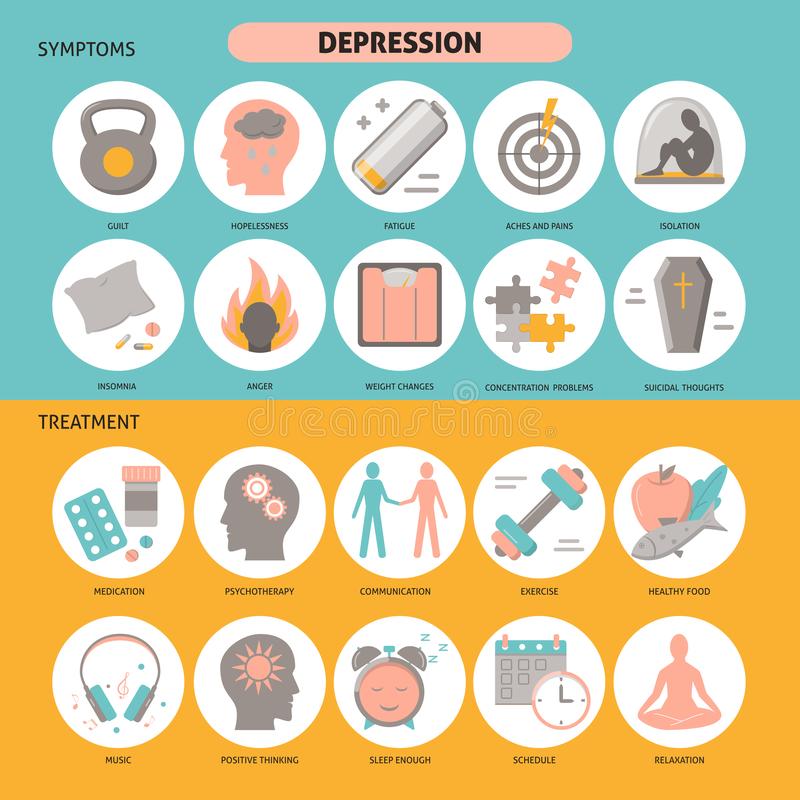
Listed below are different approaches to treatment for depression
Physical Treatments for depression
Exercise raises the chemicals in the brain related to pleasure and happiness. Exercise also helps get the body into shape and, if needed, lose weight. Initially, the amount of exercise doesn’t need to be significant; simply getting up and moving is sufficient. As your endurance lasts, you can increase your exercise. You must be sure that you are healthy enough for the type of exercise that you want to do.
Psychotherapy treatment for depression
Psychotherapy is an often-used tool in the treatment of Depression. It can be effective in treating most levels of Depression. It is also called talk therapy.
Self-help Treatments for depression
You administer these treatments at your own discretion. There are several things you can do to help make yourself feel better. One of these treatments is called Bibliotherapy. Bibliotherapy involves reading books, magazines, and journals to learn about your depression and discover ways to treat it. You then take some of those suggestions and practice them on your own.
Medications for depression
Medications for depression work by balancing certain chemicals in your brain called neurotransmitters. These drugs function slightly differently to alleviate your depression symptoms. Listed below are medications for depression
Selective serotonin reuptake inhibitors (SSRIs)
SSRIs are one of the most common medications for depression. These drugs fight depression symptoms by decreasing serotonin reuptake in your brain.
SSRIs include:
- Sertraline (Zoloft)
- Fluoxetine (Prozac, Sarafem)
- Citalopram (Celexa)
Serotonin and norepinephrine reuptake inhibitors (SNRIs)
SNRIs are a medication for depression that can help improve serotonin and norepinephrine levels in your brain. This may reduce depression symptoms. These drugs include:
- Desvenlafaxine (Pristiq, Khedezla)
- Duloxetine (Cymbalta)
- Venlafaxine (Effexor XR)
What is depression?
It is characterized as a mood disorder and can be described as feelings of anger, sadness, or loss that prevent a person from carrying out their daily activities. It’s important to note that feeling down is normal, and everyone experiences it now and then. But if the feeling occurs routinely, there’s a high chance you might be suffering from depression.
Depression varies from person to person. It can severely curtail your daily activities and prevent you from engaging in productive work. Depression can also negatively impact your relationships and worsen certain chronic conditions, including obesity and diabetes.
- Obesity
- Diabetes
- Cancer
- Cardiovascular disease
- Asthma
- Arthritis
Depression is a mixture of physical and psychological symptoms. Both of these symptoms have decreased activity levels in the brain. Sadness (or low moods) is often the most prevalent symptom. A person suffering from depression will have one or more of these symptoms: sadness, pessimism, irritability, lack of interest in activities, thoughts of being inferior to the norm, slowness of digestion, and many more. Depression can be either a serious disorder that prevents a person from working or participating in daily activities, or it can be a mild condition that causes only minor disruptions to daily life. Depression occurs at all ages, from children through to grandparents.
Depression is characterized as a severe health condition that can worsen without appropriate medical intervention. With proper treatment, it’s possible to see results within a few weeks. If you do not see results with conventional treatments and prescription drugs, you might want to try natural remedies for depression.
What Causes Depression?
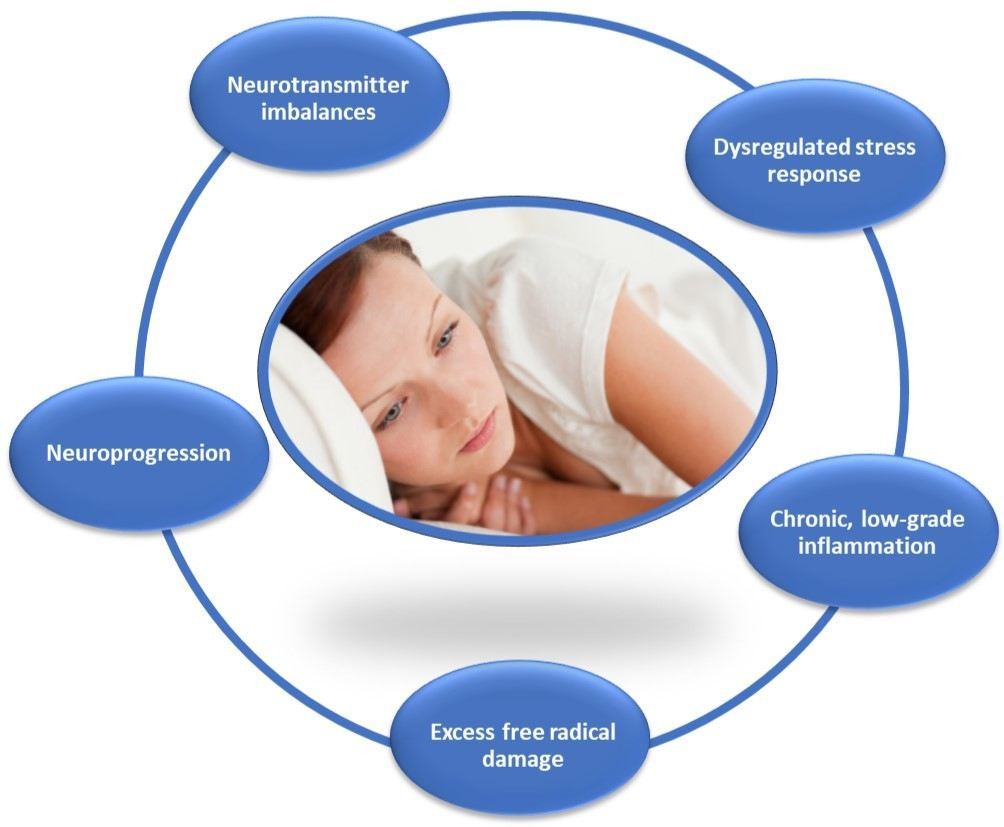
Medical research says that there is not one single cause of depression. Instead, depression seems to come from a wide variety of causes. What follows here are a few of the issues that seem to play a role in what causes depression. There are certainly more, but current research indicates that these are more prevalent.
Age
Many studies have shown that elderly people are at more risk than younger folks. The reasons may be because so many of the elderly lack both social and emotional support and live alone.
Genetic History
Research shows a definite genetic link for depression. If your family has a history of depression in prior generations, your chances of becoming depressed are much higher. Why this is true is not yet known.
Life-Altering Events
Traumatic events such as the passing of a loved one, getting divorced, losing a job, or being the primary caregiver can all result in depression. What’s less obvious is that life’s major positive events, like getting married or having a child, can also cause depression.
Biological factor
Research on depressed people shows that some brain areas don’t function the same as in non-depressed people. Strong indications also suggest a connection between depression and variations in the amounts of certain chemicals.
Drugs
Depression can be a side effect of many prescription medications, and alcohol abuse is considered common in those who are depressed. If you suspect that a prescription medication might be affecting your mood, please consult your doctor as soon as possible.
Hormonal imbalances
Hormonal imbalances are a major cause of depression in women. Changes in estrogen levels during pregnancy, postpartum, and menopause can contribute to depression.
The most important thing is that you must not ignore your depression. Emotional depression is normal and everyone goes through their times of being down but if your symptoms last more than a couple of weeks it is time to see a doctor
Various factors can lead to depression, and they can range from circumstantial to biological.
Common causes include:
- Drug use: Research shows that about 21 percent of people with substance abuse problems experience depression. Alcohol or drug misuse can also increase your chances.
- Medical conditions: If you’re suffering from Attention-Deficit Hyperactivity Disorder (ADHD), chronic pain, insomnia, or chronic illness, you might be at a higher risk of experiencing depression.
- Brain structure: If the frontal lobe of your brain is less active, you will have a higher risk of developing depression.
- Childhood Trauma: Some traumatic experiences can influence the way you react to stress and fear.
- Family history: if anyone in your family suffers from depression, there’s a higher chance that you’ll experience it as well.
However, note that the symptoms and causes of depression can vary among men, women, and children. Natural remedies for depression and anxiety can be helpful for some patients.
Symptoms of depression
One of the best diagnoses of depression is to look at its signs and symptoms. People generally understand depression as a disease characterized by low spirits, lack of interest in work, inability to concentrate, and a pessimistic attitude. In short, a depressed person lacks the enthusiasm and vigor of life.
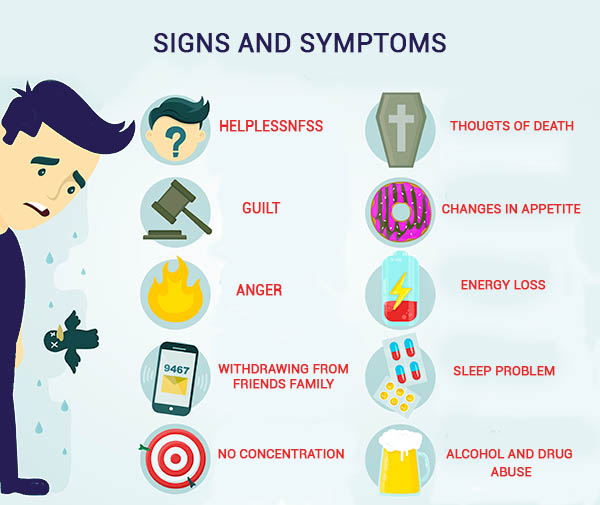
However, the key to pinpointing depression as the true cause is to focus on the length of time and all common symptoms. If you feel depressed and your feelings of depression last for more than a few weeks, it is more likely that depression is the cause. To further help give a proper diagnosis, one should also determine whether you are suffering from the various symptoms of depression, including
- Loss of interest in regular daily activities
- Feeling sad
- Insomnia
- Feeling trouble while focusing or concentrating
- Difficulty making decisions and troubling cognitive behavior
- Unplanned weight loss or gain
- Irritability
- Restlessness
- Feeling fatigued or weak
- Feeling worthless
- Loss of sexual interest
- Thoughts of a suicidal nature
- Unexplained physical problems like body aches and pains
Some of the clinical depression symptoms are
- Persistent sadness, unhappiness, or irritability
- Lethargy or fatigue
- Inability to enjoy anything beautiful in life
- Sudden change in appetite
- Disruption of normal sleep pattern
- Feeling low in confidence and self-esteem
- Difficulty in thinking and concentration
- Moving about sluggishly
- There are recurring thoughts of suicide.
Depression plays havoc in our lives if left untreated. In fact, depression can disrupt both our professional and personal lives. An important point one must remember is that if symptoms of depression persist for more than a few weeks, medical intervention is necessary.
Natural remedies for depression—effective and safe treatment for depression
Natural remedies for depression are highly effective and much safer than the use of pharmaceutical antidepressants. In this modern world, depression has become increasingly common. It is estimated that more than 264 million people across the globe suffer from depression. It can affect all genders and all age groups but is more prevalent among women than men. Depression also tends to worsen gradually over time, and if left untreated, it can lead to suicide. For the treatment of depression, many people resort to conventional treatments and prescription drugs, but they often come with negative side effects. As a result, more and more people are resorting to natural remedies for depression to manage their condition.

Most Popular Natural Remedies of Depression
Various natural remedies can be helpful in managing depression. You might have to experiment with a few before finding the right one for your symptoms:
St John’s Wort
Various herbal remedies can provide relief from depression symptoms, but St. Johns Wort stands out as an effective remedy. This herb has been linked to your body’s serotonin, which is a feel-good chemical that people with depression often lack. Studies show that St. John’s wort can be an effective treatment for mild to moderate depression and yields results similar to antidepressants but with fewer adverse effects. However, St. John’s Wort tends to interact with various medications, especially with chemotherapy medications, birth control pills, and blood thinners. It’s highly recommended that you check with your doctor before trying out this herb.
Omega-3 Fatty Acids
These healthy acids are found in fishes such as sardines, trout, and salmon and are available in supplement form as well. Some research indicates that people with depression are often low in two chemicals that are available in fish oil supplements. If you’re suffering from depression, it’s recommended that you consume a higher ratio of DHA to EPA.
Increasing your intake of fish is another natural way to treat depression, in addition to taking fish oil supplements. Combining fish-oil supplements along with other natural remedies for depression can be very beneficial. These healthy acid supplements are also inexpensive, and chances of adverse effects are minimal if taken in appropriate dosages.
Hypnosis for Depression—#1 Natural Treatment for Depression
Hypnosis for depression allows us to work with the patient’s subconscious: During the first step of hypnotherapy for depression sessions, we shut down the patient’s subconscious to make him open for suggestions.
In the second phase of the depression hypnotherapy session, we uncover the unresolved issues.
Patients usually experience so-called “unfinished business”—it ”could be loss of a loved one, loss of a job, or loss of some material things (home, money, etc.). Those unsettled emotional states, such as antipathies, anger, doubts, guilt, rage, responsibility, wariness, and distress, are kept in patients’ minds and need to be freed up as soon as the generating event is completed. Hypnotherapy for depression alleviates these manifestations of “unfinished business.”
Then, hypnosis for depression replaces the suffering with positivity.
With each hypnotherapy session for depression, the practitioner replaces the dreadful, monotonous judgments with positive assertions.
And finally, hypnotherapy for depression treatment creates long-term improvement By providing an effective technique to access the patient’s aptitude to overcome the physical body.
Homeopathy—Very Effective Natural Treatment for Depression
If you’re looking for natural remedies for depression, homeopathy offers a comprehensive and holistic treatment. Homeopathy’s main benefit is that it addresses the cause, not just the symptoms. Before prescribing medications, we conduct an extensive evaluation of the patient’s medical history and current condition. This approach enables the discovery of long-term solutions by addressing the underlying cause of the problem. Homeopathy regards the whole mind, body, and soul for their treatments.
There is no single remedy, and homeopathy offers personalized care for every individual. Some homeopathic medications commonly resorted to for depression include Arsenicum album, Natrum Muriaticum, sepia, and Ignatia. Homeopathy has no known side effects, and it can be used on all age groups and genders. They can also be combined with various herbal and alternative treatments and even conventional medications for improving the results.
Acupuncture – most popular Natural Treatment for Depression
Acupuncture stimulates the body’s natural defenses to fight against illnesses by correcting imbalances. It has been hailed for its effectiveness in dealing with depression and anxiety. Clinical studies show that in comparison to regular care, acupuncture can provide excellent results in mitigating depression symptoms in about three months. Acupuncture can not only help with the symptoms but can also treat the core problem. Acupuncture as a natural treatment for depression releases endorphins, which provides a natural boost to your body and brain, and these properties can be very advantageous in treating depression.
It has minimal or no side effects, and contrary to popular belief, acupuncture sessions are not painful. For enhancing the positive results, you can combine acupuncture with other natural remedies for depression or alternative treatments.
Conclusion
After a while, depression can take over your whole life, and treatment can become almost impossible. You must seek treatment for depression as soon as possible so that the symptoms don’t worsen. The above-mentioned natural remedies for depression can provide results safely and holistically. In comparison to conventional approaches, the chances of side effects are also minimal. However, do keep in mind that the results are not instant and will take some time.
Most important is to find the right place for the natural treatment of depression. You probably want to find the best hypnotherapist, the best acupuncturist, and the best homeopath.
To find a hypnotherapist, enter “hypnotherapist near me” or “hypnotist near me” into the Google search box.
The Philadelphia Holistic Clinic houses all these methods under one roof, where the best practitioners in Philadelphia will perform necessary treatments for you.
Contact us at (267) 284-4305 to schedule your appointment for an alternative holistic evaluation with Dr. Tsan.