Telemedicine and Teladoc
You can use telemedicine—remote delivery of health services via secure video, messaging, and apps—to conduct virtual visits, online doctor visits, and specialist consults, such as Teladoc; it defines how you access care, the clinical environment, and the software that protects data and workflows. You’ll learn how telemedicine works, the advantages for access and efficiency, and how treatments range from remote prescriptions and homeopathic evaluations online to hypnotherapy online and therapy sessions online.
Key Takeaways:
- Telemedicine = delivery of clinical services remotely using video, audio, and secure messaging for virtual visits and online doctor visits.
- Virtual visits operate through platforms that schedule appointments, connect patients and licensed clinicians by video/audio, exchange health records, and support e-prescribing.
- Main advantages: expanded access to care, greater convenience, faster triage, reduced travel, and cost savings for non-emergency conditions.
- Teladoc is a large, on-demand telehealth provider offering urgent care, primary care, specialist consultations, and behavioral health via licensed clinicians. It is often covered by insurance or subscription plans.
- The necessary software and setup include apps that follow HIPAA rules, a reliable internet connection, secure video, connected electronic health records and device data, a private and quiet space, and basic tech skills, all of which help make the visit better.
- Treatments available remotely include primary/urgent care, chronic disease follow-up, prescriptions, therapy sessions online, hypnotherapy online, and homeopathic evaluations online—subject to clinical and regulatory limits.
- Limitations: some exams and procedures require in-person care; cross-jurisdiction licensing, privacy, and technology barriers may restrict use; verify provider credentials and scope before relying on telemedicine for specific therapies.
Understanding Telemedicine
Definition and Scope
Telemedicine delivers clinical services to you over telecommunications technology, spanning synchronous video or phone visits, asynchronous store-and-forward messaging, and continuous remote monitoring with connected devices. When you book an online doctor visit through a platform like Teladoc, the workflow typically includes an intake questionnaire, secure video consultation, digital documentation in the EHR, and e-prescribing or follow-up orders—all without an in-person office visit. Teladoc, founded in 2002 and notable for its 2020 acquisition of chronic-care company Livongo, demonstrates how commercial platforms combine urgent care, primary care, and specialty consults at scale.
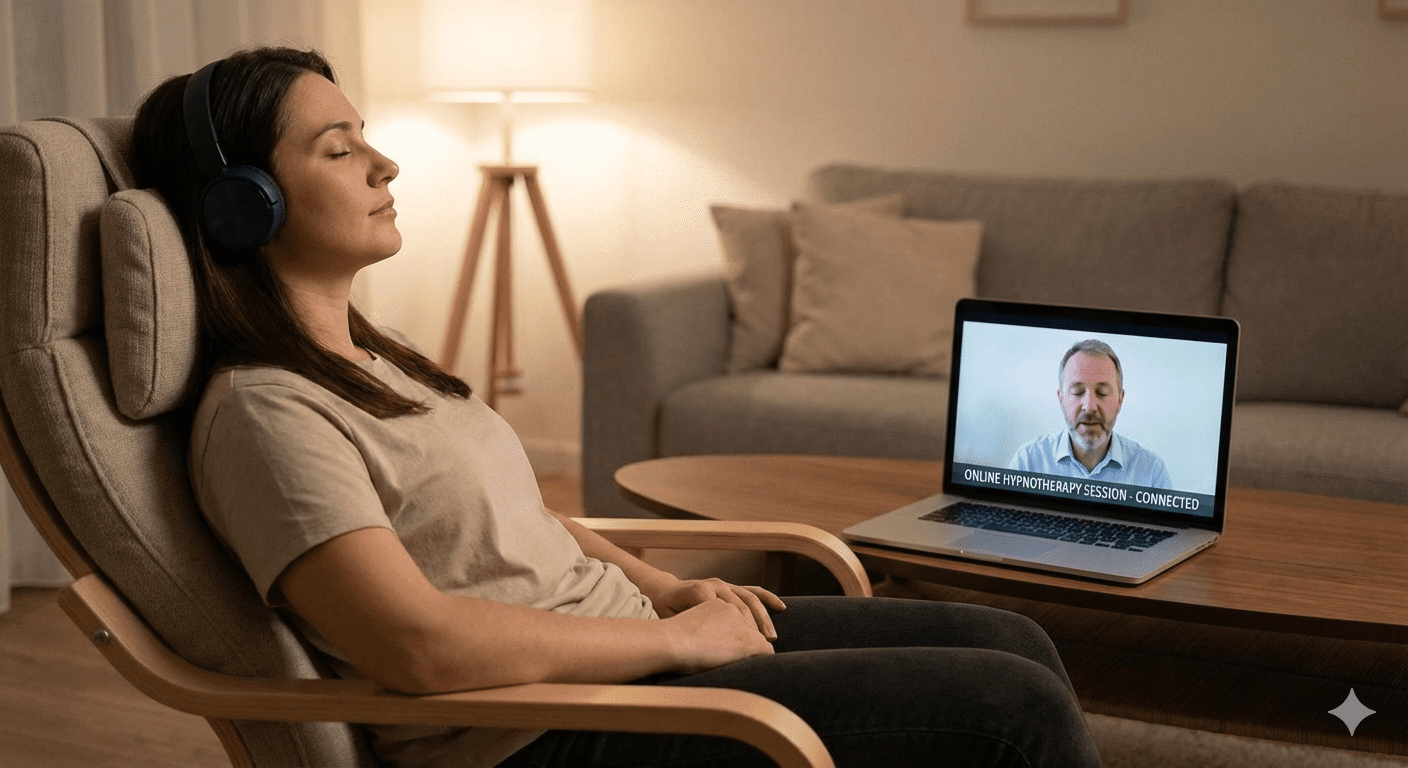
Services you can access include on-demand virtual visits for acute issues, scheduled chronic-care check-ins, behavioral health (therapy sessions online and hypnotherapy online), and even complementary consultations such as homeopathic evaluations online where clinicians review detailed histories and photos remotely. Telemedicine is still affected by rules and payment policies: state licenses, tele-prescribing laws, and insurance rules decide if a telemedicine visit can take the place of an in-person appointment or if it should exclusively be used for follow-ups and initial assessments.</
Benefits of Telemedicine
Telemedicine shortens the path from symptom to care: you can often see a clinician within minutes for urgent needs or within days for specialty consults, and the CDC reported a 154% increase in telehealth visits in March 2020 compared with March 2019 as systems scaled rapidly. That immediacy reduces unnecessary ER or urgent-care visits and lets clinicians triage cases remotely using video, photos, and device data, directing high-risk patients to in-person care when needed.
For your schedule and finances, telemedicine lowers barriers—less travel time, fewer missed work hours, and lower overhead for providers that can translate into cost savings. Programs that combine remote monitoring and virtual follow-ups have led to fewer hospital readmissions and better management of long-term health issues, while many employers and insurance companies have noticed lower costs per treatment episode when virtual care is used for the right conditions.
Specifically for mental health and complementary therapies, telehealth expands treatment options: randomized trials and meta-analyses indicate online cognitive behavioral therapy and therapist-led interventions produce outcomes comparable to in-person treatment for anxiety and depression, and virtual hypnotherapy or guided behavior sessions maintain fidelity when delivered over secure video, increasing adherence by lowering access friction.
Teladoc Overview
Teladoc Health, founded in 2002 and headquartered in Purchase, New York, has grown into a major virtual care provider serving over 50 million members globally and redefined chronic care after its 2020 merger with Livongo for about $18.5 billion. You use its mobile app, web portal, or phone service to start virtual visits—video, audio, or asynchronous messaging—covering same-day online doctor visits, specialist second opinions, and ongoing chronic disease programs without an in-person appointment.
Since Teladoc works with employers, insurance companies, and healthcare systems, what services you can access, how they are covered, and which doctors are available will depend on your specific plan and state rules; however, typical services include 24/7 urgent care, primary care visits, dermatology, sexual health, mental health, The platform also accommodates evaluations of complementary approaches when permitted, so you can discuss homeopathic options, hypnotherapy and therapy sessions with licensed providers using the same workflow.
Services Offered
Teladoc’s service set spans urgent care, primary care, mental health (therapy, psychiatry and behavioral coaching), dermatology through photo-based consults, sexual health, second opinions from specialists, and chronic condition programs that integrate connected devices and coaching. You can schedule immediate virtual visits for acute symptoms, arrange recurring therapy sessions, request asynchronous dermatology reviews, or enroll in disease-management programs that collect biometric data between visits.
For example, you can upload smartphone photos of a rash for a dermatology consult and receive a diagnosis asynchronously; enroll your glucometer to feed diabetes readings into a Livongo-powered coaching program that adjusts recommendations between clinician visits; or book weekly therapy sessions or targeted hypnotherapy programs with licensed providers, with prescriptions and referrals handled electronically when appropriate.
Advantages of Telemedicine
You gain faster, more flexible access to care: virtual visits let you see a clinician from home for issues that once required an in-person trip, and thousands of providers on platforms like Teladoc offer urgent care, primary care follow-ups, behavioral health, hypnotherapy, and even online homeopathic evaluations. Tens of millions of users now rely on on‑demand and scheduled telehealth to avoid long wait times at clinics, to get repeat prescriptions, and to follow chronic conditions without commuting.
Clinical workflows change too: you can use asynchronous messaging, video visits, and remote monitoring to compress care cycles, so a single problem often requires only one short virtual interaction rather than multiple in-office appointments. That streamlining not only saves time but also improves continuity when you routinely use the same virtual provider for therapy sessions online or ongoing medication management.
Accessibility and Convenience.
If you live in a rural area or have mobility limits, telemedicine removes geographic barriers—you can connect with a specialist hundreds of miles away or book a same‑day consult on your phone. Many platforms let you choose video or phone visits, schedule outside normal business hours, or submit photos and questions asynchronously so you don’t lose a half‑day of work for a minor issue.
Services extend beyond acute care: you can attend therapy sessions online, participate in hypnotherapy online programs, or request a homeopathic evaluation online without travel. That flexibility means you’re more likely to keep follow‑ups and adhere to treatment plans, and you can maintain privacy and convenience by taking sessions from home or a private office.
Cost-Effectiveness
You often pay less per encounter with telemedicine than with urgent care or emergency visits; many insured telehealth copays fall in the low‑tens of dollars or are covered entirely through employer plans, and on‑demand providers typically price visits well below ED averages. For organizations, lower overhead for virtual visits and reduced unnecessary ER utilization translate into measurable savings on the total cost of care.
From a system perspective, telemedicine reduces indirect costs too: fewer missed workdays, lower transportation expenses, and decreased need for costly in‑person triage. Employers that offer telehealth report faster first-contact resolutions for common complaints and a reduction in time employees spend away from productive work, which compounds savings across a large workforce.
As an example calculation, if a telemedicine visit costs you $40 instead of a $200 urgent‑care visit, you save $160 immediately; having just five such encounters in a year would save you $800 out of pocket, and those individual savings scale further when multiplied across a company or patient population.
Telemedicine Environment
You will encounter telemedicine deployed across settings, from hospital-based teleICU and specialty consults to primary care, urgent care, and behavioral health delivered directly into patients’ homes. Health systems and companies like Teladoc now regularly offer virtual visits, messaging, and remote monitoring, and many organizations went from having less than 1% of outpatient visits online to a steady rate in the double digits after 2020, which has changed how you schedule follow-ups and manage ongoing health issues.
Your patients connect via smartphones, tablets, laptops, or dedicated kiosks, and the environment you design must account for variable bandwidth, privacy at home, and device capability; for example, rural patients often depend on mobile networks with 3G/4G speeds, while urban patients use broadband, which affects video quality, troubleshooting needs, and the feasibility of high-resolution dermatology images or continuous glucose feeds.
Technological Infrastructure
Platforms you choose should offer secure, low‑latency video (recommended 1.5-3 Mbps per stream for HD), AES‑256 encryption in transit and at rest, TLS 1.2+ for connections, and multi‑factor authentication for clinicians and admin staff. Integration with EHRs via FHIR or HL7 is imperative for workflows—Teladoc and other major vendors provide connectors with systems like Epic and Cerner, and APIs let you push visit notes, orders, and billing data into your charting system to avoid duplicate documentation.
Devices and peripherals matter: Bluetooth blood pressure cuffs, glucose meters, and pulse oximeters feed remote patient monitoring (RPM) programs that can use CPT RPM billing codes (some require a minimum of 16 days of data collection). In addition, asynchronous store-and-forward workflows are cost-effective for dermatology and wound care, while synchronous telepsychiatry and hypnotherapy sessions typically use scheduled, encrypted video with session lengths varying from 15 to 60 minutes depending on the service type.
Regulatory Considerations
Licensure and scope of practice determine where you can provide care; you must be licensed in the patient’s state. However, the Interstate Medical Licensure Compact offers an expedited pathway in approximately three dozen participating jurisdictions for eligible physicians. Prescribing controlled substances has extra layers: federal and state rules, DEA registration, and state Prescription Drug Monitoring Programs (PDMPs) all influence whether you can initiate or continue controlled meds via a virtual visit.
Privacy and payment are also critical: in the U.S., HIPAA and HITECH require agreements with vendors to protect patient information, and Medicare, Medicaid, and private insurance companies have changing rules for telehealth—many now pay for a wide range of virtual services, but the rules for documentation, coding, and getting patient consent can differ by program and state.
For practical compliance, if you plan to see patients across state lines, verify licensure requirements and whether the state participates in the IMLC (an expedited option but not an automatic license); maintain DEA and state controlled‑substance registrations if you intend to prescribe controlled drugs, enroll in relevant state PDMPs, and confirm that your vendor signs BAA terms and supports required audit logs; Furthermore, keep an eye on insurance rules because around 40 states have laws about private insurance coverage or telehealth that impact billing and what patients have to pay.
Software Solutions for Telemedicine
You’ll find telemedicine software organized around a few layered services: real-time video and audio, patient scheduling and triage, clinical documentation and EHR integration, billing/claims processing, and device data ingestion for remote patient monitoring. Vendors differ in how tightly those layers are integrated—some provide end-to-end suites you can deploy quickly, while others offer modular APIs and SDKs so you can bolt telehealth onto an existing EHR or care-management platform.
Providers should be able to deliver 720p video at about 1.5–3 Mbps, ensure secure data transport with TLS 1.2 or higher, protect stored data with AES-256 encryption, and keep audit logs for HIP. Large players like Teladoc expanded into chronic care by acquiring Livongo (an $18.5 billion deal), illustrating how software can combine virtual visits with remote monitoring and analytics to manage long-term conditions.
Key Features and Functionalities
You should prioritize features that map directly to clinical workflows: secure video with multi-party capability for family or interpreter inclusion, integrated scheduling and automated reminders, e-prescribing and medication reconciliation, and tight EHR interoperability so notes and orders flow without double entry. Additionally, analytics dashboards, quality tracking, and revenue-cycle tools help you measure utilization, outcomes, and reimbursement performance.
Operational features matter too: offline/low-bandwidth modes, role-based access control, clinical templates for mental health or homeopathic evaluations, and support for RPM device data ingestion (glucose, BP, weight). Assume that you will rank interoperability (FHIR/HL7), security (TLS/AES), and workflow automation highest when choosing software.
- Secure video conferencing requires HD codecs with adaptive bitrates (typically 1.5-3 Mbps), end-to-end TLS transport, AES-256 data-at-rest encryption, and BAA support for HIPAA compliance.
- Scheduling, triage, and automated reminders include patient self-scheduling, clinician calendar sync, SMS/email reminders, and symptom-based triage paths to accurately route time-sensitive issues.
- EHR integration—bi-directional FHIR/HL7 interfaces for notes, meds, labs and immunizations to avoid duplicate documentation.
- E-prescribing and controlled-substance workflows – eRx integration with state PDMP checks and DEA-compliant prescribing where permitted.
- Remote patient monitoring (RPM) includes device onboarding, data ingestion, trend visualization, and alerts for out-of-range measurements.
- Clinical templates and specialty modules—mental health intake forms, hypnotherapy/session notes, homeopathic evaluation workflows, dermatology image capture, and chronic care templates.
- Billing and claims automation means organizing billing codes for telehealth, following payer rules, and automatically sending or exporting claims.
- Analytics and quality reporting—utilization, outcome measures, no-show and readmission tracking, plus population health segmentation.
- Multi-party sessions and interpreter services—add family members, caregivers, or third-party interpreters into visits securely.
- APIs and SDKs serve as developer tools that facilitate white-labeling, mobile app development, device integration, and the integration of telehealth into patient portals.
- Authentication and SSO – SAML/OAuth support, MFA options, and role-based access control for staff.
- Low-bandwidth and offline modes—asynchronous teleconsultation, store-and-forward dermatology, and audio-first fallbacks for rural patients.
Popular Telemedicine Platforms
Teladoc, Amwell, Doxy.me, MDLive, and DoctorOnDemand each take a different approach to the market: Teladoc focuses on large-scale services and managing long-term health issues after merging with Livongo; Amwell works on partnerships with health systems and integrating services; Doxy.me provides Epic’s MyChart Telehealth; and Zoom for Healthcare provides tighter EHR and enterprise communication ties for organizations that need embedded solutions.
When you evaluate platforms, compare pricing models (per-visit fees, per-provider subscriptions, or enterprise licenses), specialty coverage (behavioral health, dermatology, chronic care), and integrations (EHR, RPM devices, billing). Per-visit urgent-care services often range in the market from about $40 to $75, while enterprise subscriptions vary widely based on user counts and feature sets, so pilot usage data and ROI projections should drive your final choice.
Treatment Options are Available.
You can use telemedicine for a wide range of treatments, from same-day acute care to ongoing chronic-condition management. Virtual visits let you connect with board-certified physicians via video, phone, or secure messaging; get prescriptions electronically; and receive lab orders or imaging referrals without an office visit. Many platforms, including Teladoc, advertise 24/7 access so you can get care outside normal clinic hours. For less serious problems—like colds, urinary infections, and minor skin issues—it’s estimated that about 50% or more of primary care issues can be handled online, which helps you feel better faster and reduces unnecessary trips to the emergency room.
Telemedicine not only helps with quick treatment but also offers various types of care: it allows for checking blood pressure and glucose levels from home, getting specialist opinions through detailed images, and accessing mental health support via scheduled video calls or You can also find complementary options, like homeopathic evaluations online or structured programs offering hypnotherapy online and regular therapy sessions online, with many services integrating care plans, medication management, and follow-up scheduling inside one app.
Primary Care Services
When you use telemedicine for primary care, expect virtual visits to cover diagnosis, treatment, and follow-up for most non-emergency complaints—examples include colds, flu, sinusitis, uncomplicated urinary tract infections, rashes, and medication refills. Teladoc and similar providers typically allow you to upload photos or symptom logs ahead of the visit, and clinicians can e-prescribe antibiotics or symptomatic meds during the same encounter; turnaround for simple diagnoses is often minutes to hours rather than days. Preventive care tasks, such as vaccine counseling, routine screening reviews, and lifestyle counseling, are also handled virtually, with in-person appointments scheduled only when hands-on exams or procedures are required.
For chronic conditions, you can link home devices (BP cuffs, glucometers, and pulse oximeters) to the platform so your clinician sees trends between visits and adjusts therapy accordingly. Programs that combine remote monitoring with periodic tele-visits have shown better adherence and fewer in-person visits for hypertension and diabetes; you’ll typically submit readings daily or weekly, receive medication titrations remotely, and get lab orders sent to local collection sites when needed.
Specialty Telemedicine Consultations
Dermatology, psychiatry, endocrinology and cardiology are commonly offered as tele-specialty services—dermatology often uses high-resolution photos or live video to provide a diagnosis and treatment plan within 24-48 hours, while psychiatry and psychology deliver therapy sessions online on a weekly or biweekly cadence. Teladoc offers a range of specialty services, including online therapy and medication management for mental health, skin care, and specialists for long-term health issues who can look at your medical records and give advice based on evidence without needing a face-to You can expect synchronous video consults for complex discussion and asynchronous e-consults for straightforward image- or document-based reviews.
Cardiology and neurology are increasingly using remote monitoring, allowing you to send data from wearable ECG devices or home blood pressure readings to a specialist, who then analyzes the information and suggests treatments or checks devices from a distance. For procedures that require hands-on care, specialists use telemedicine for pre- and post-procedure assessments, reducing clinic visits and accelerating decision-making; access to a specialist can often move from a multi-week wait to a consult within days when handled virtually.
As an example of practical workflow, you might upload photos of a persistent rash through the app, have a dermatologist review them asynchronously, receive a diagnosis and prescription within 48 hours, and schedule an in-person biopsy only if the specialist flags concern. For mental health care, hypnotherapy online and structured therapy sessions online are delivered via secure video with measurable goals and progress tracking, and many platforms let you book recurring sessions and message your therapist between appointments for continuity.
Conclusion
Upon reflecting on telemedicine and Teladoc, you can see that telemedicine—delivering clinical services remotely—encompasses virtual and online doctor visits that connect you to clinicians via secure video, messaging and remote monitoring. You experience how it works through scheduling and triage, real-time consultations, electronic records, and follow-up; Teladoc and similar platforms provide the software, workflows, and secure environments that reduce travel, shorten wait times, and broaden access to care.
You can receive a wide range of treatments remotely, from general medical advice to specialty services such as holistic evaluations, hypnotherapy, and therapy sessions online, with clinicians adapting history, digital assessment, and remote exam techniques to guide care and referrals. By verifying provider credentials, data security, and coverage, you can expand your treatment options, preserve the continuity of care, and make healthcare more convenient without sacrificing clinical standards.
FAQ

Q: What is telemedicine and what are virtual visits?
A: Telemedicine is the delivery of healthcare services and clinical information using telecommunications technology. Virtual visits are real-time encounters between a patient and a clinician conducted by video, audio, or secure messaging instead of in person. These visits can be synchronous (live video/phone) or asynchronous (store-and-forward messaging, uploaded photos or records reviewed later). Telemedicine covers acute care, chronic-care follow-ups, behavioral health, dermatology consults, medication management, and some specialty care, depending on the provider and platform.
Q: How does telemedicine work technically and operationally?
A: Telemedicine platforms connect patients and clinicians through secure apps or web portals. Patients create an account, provide identity and insurance details, request an appointment or use on-demand services, and join a scheduled video or phone session. Clinicians access the patient record, document the encounter, and can order labs, imaging, referrals, or prescriptions via an integrated electronic health record (EHR) or the platform’s workflow. Technical elements include video codecs, end-to-end encryption, user authentication, optional remote-monitoring device integration (BP cuffs, glucometers, and pulse oximeters), and HIPAA-aligned data handling. A reliable internet connection, a camera-enabled device, and an updated app/browser are typical requirements.
Q: What advantages do telemedicine and Teladoc offer, and what are the main limitations?
A: Advantages include faster access to care (on-demand or scheduled), reduced travel and wait times, convenience for routine follow-ups or minor acute issues, improved access for rural or mobility-limited patients, infection-control benefits, and integration with remote monitoring for chronic disease management. Teladoc specifically offers broad employer/insurer networks, on-demand consults, scheduled behavioral health and specialist visits, and mobile/web access. Limitations include the inability to perform comprehensive hands-on physical exams, the variable ability to prescribe controlled substances, differences in state licensure that may limit provider availability across state lines, potential connectivity or technology barriers, and situations wherein in-person testing or urgent/emergency care is required. Clinical appropriateness must be assessed: severe pain, chest pain, stroke symptoms, or significant trauma require emergency services.
Q: What software features and privacy/security measures should I expect from Teladoc or similar telemedicine platforms?
A: Expect secure video and messaging, multi-factor authentication, role-based access controls, audit logs, and HIPAA-aligned data handling. Features typically include appointment scheduling, waiting-room workflows, clinician notes and e-prescribing, photo/document upload, billing and insurance integration, EHR interoperability or APIs, and analytics/dashboard tools for population management. Encryption in transit and at rest, privacy notices and consent workflows, and business associate agreements (BAAs) for covered entities are standard. Verify vendor claims by reviewing security documentation, regulatory attestations, and whether the platform supports provider identity verification and state license checks.
Q: Which treatments and services are commonly available online, including homeopathic evaluations, hypnotherapy, and therapy sessions?
A: Common services include primary care consults, urgent care for minor illnesses, dermatology (store-and-forward and live), chronic disease follow-up, medication management, behavioral health therapy, psychiatry, and specialist teleconsults. Teladoc offers medical, dermatology, and behavioral health services through licensed clinicians. Therapy sessions online and hypnotherapy online are offered by licensed therapists or certified hypnotherapists depending on local regulations; these are appropriate for many anxiety, insomnia, and habit-related issues but depend on provider credentials and evidence base. Homeopathic evaluations online may be available through practitioners who provide alternative medicine services; such evaluations should be evaluated for provider licensing, scope of practice, and evidence supporting proposed treatments. Not all platforms provide every modality; therefore, it is important to verify clinician credentials, licensure, and whether the platform allows for the prescribing of specific medications. Always consult a licensed clinician for medical decision-making and follow-up plans.
Q: How should I set up my home environment and device for an effective virtual visit?
A: Choose a quiet, private location with adequate lighting and minimal background noise. Use a stable device with a working camera and microphone (smartphone, tablet, or laptop), update the telemedicine app or browser, and verify the internet speed. Have a list of current medications, allergies, relevant medical history, and a concise symptom timeline ready. If available, have home measurements handy (temperature, blood pressure, glucose, weight, pulse oximetry) and photos of visible findings (rashes, wounds) uploaded beforehand if requested. Ensure privacy by using headphones for sensitive conversations and confirm that family members or pets will not interrupt the session.
Q: How do licensing, privacy, billing, and insurance coverage work for telemedicine and Teladoc visits?
A: Licensing: clinicians must meet state licensure rules for the patient’s location; some platforms only connect you with in-state providers. Privacy: telemedicine platforms should follow HIPAA or applicable local privacy laws, use BAAs, and present consent forms for virtual care. Billing and insurance: coverage varies—many insurers, Medicare, and employer plans cover telemedicine, but copays, deductibles, and allowed services differ. Teladoc is often provided through employers or insurers with defined benefits; out-of-network or direct-pay options may be available at set fees. Prescription policies vary by state and medication class; controlled substances are often restricted. Confirm coverage, costs, and clinician scope before the visit and obtain documentation or visit summaries for continuity with your primary care provider when needed.
Telemedicine Services Provided by Philadelphia Holistic Clinic
Philadelphia Holistic Clinic is one of the most famous naturopathic providers nationwide. We have many out-of-state and out-of-country patients that prefer telemedicine instead of traveling.

The following services are available through the virtual visits:
- Comprehensive Holistic and Homeopathic Evaluations
- Follow-up visits
- Clinical hypnosis and NLP
- Drug and Alcohol Evaluations
- Court-ordered evaluations
- DUI classes
- Psychoanalysis, psychotherapy, and behavior health services
- and more.
For information, contact our clinic at (267) 403-3085.