
Hypersexuality/Nymphomania
Hypersexuality, sometimes historically termed “nymphomania” (female) or “satyriasis” (male), is a condition characterized by intense, persistent, and uncontrollable sexual urges or behaviors, now typically termed Compulsive Sexual Behavior Disorder (CSBD).
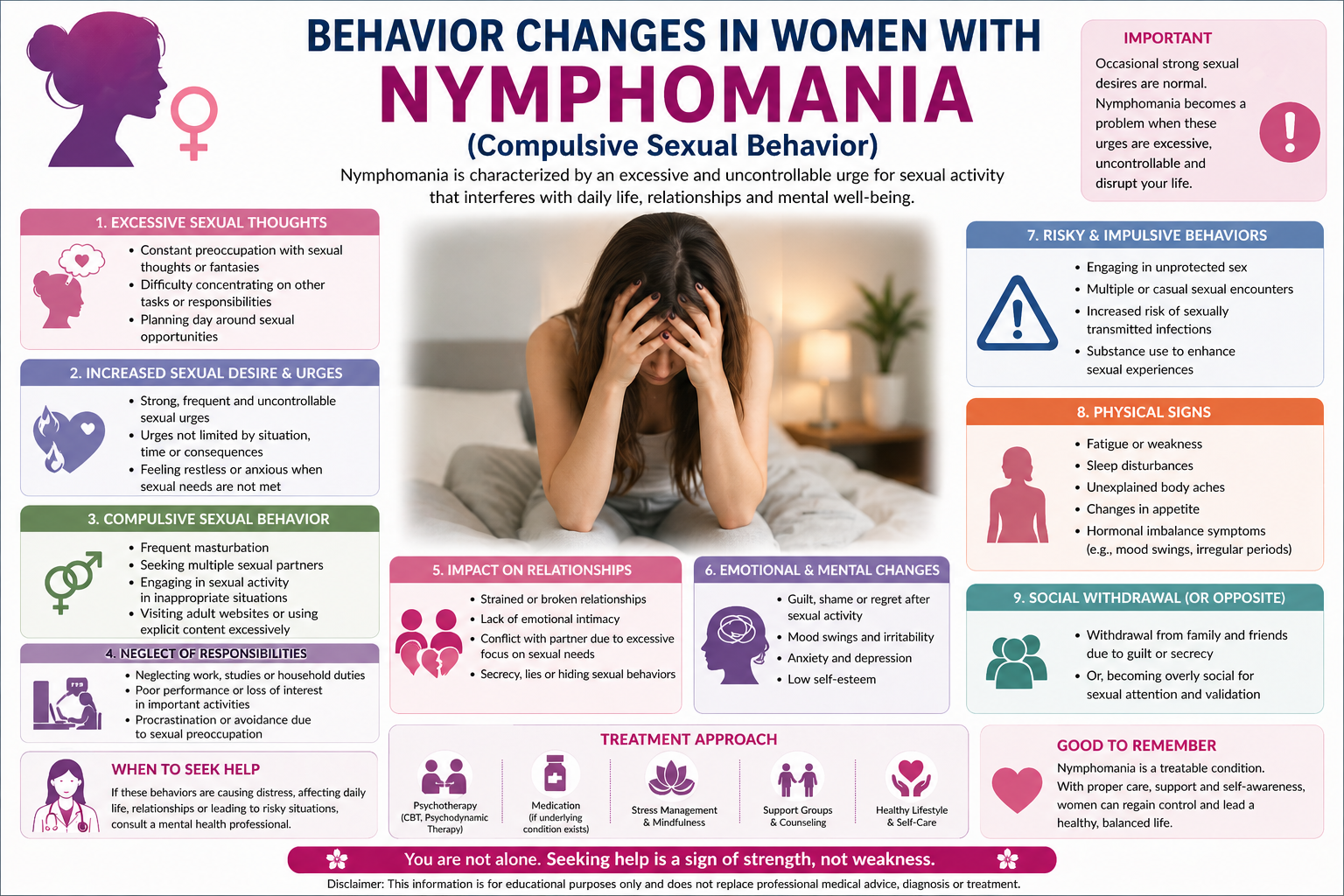
It involves preoccupation with sex, high-risk sexual behavior, and repetitive actions that cause significant distress or impair life functioning. Psychotherapy is usually part of the treatment. Hypersexuality is recognized by the WHO as a disorder of compulsive sexual behavior, which is marked by a failure to control intense, repetitive sexual impulses. It is distinct from having a high sex drive because of the obsessive, uncontrollable nature of the behaviors.
Key Takeaways:
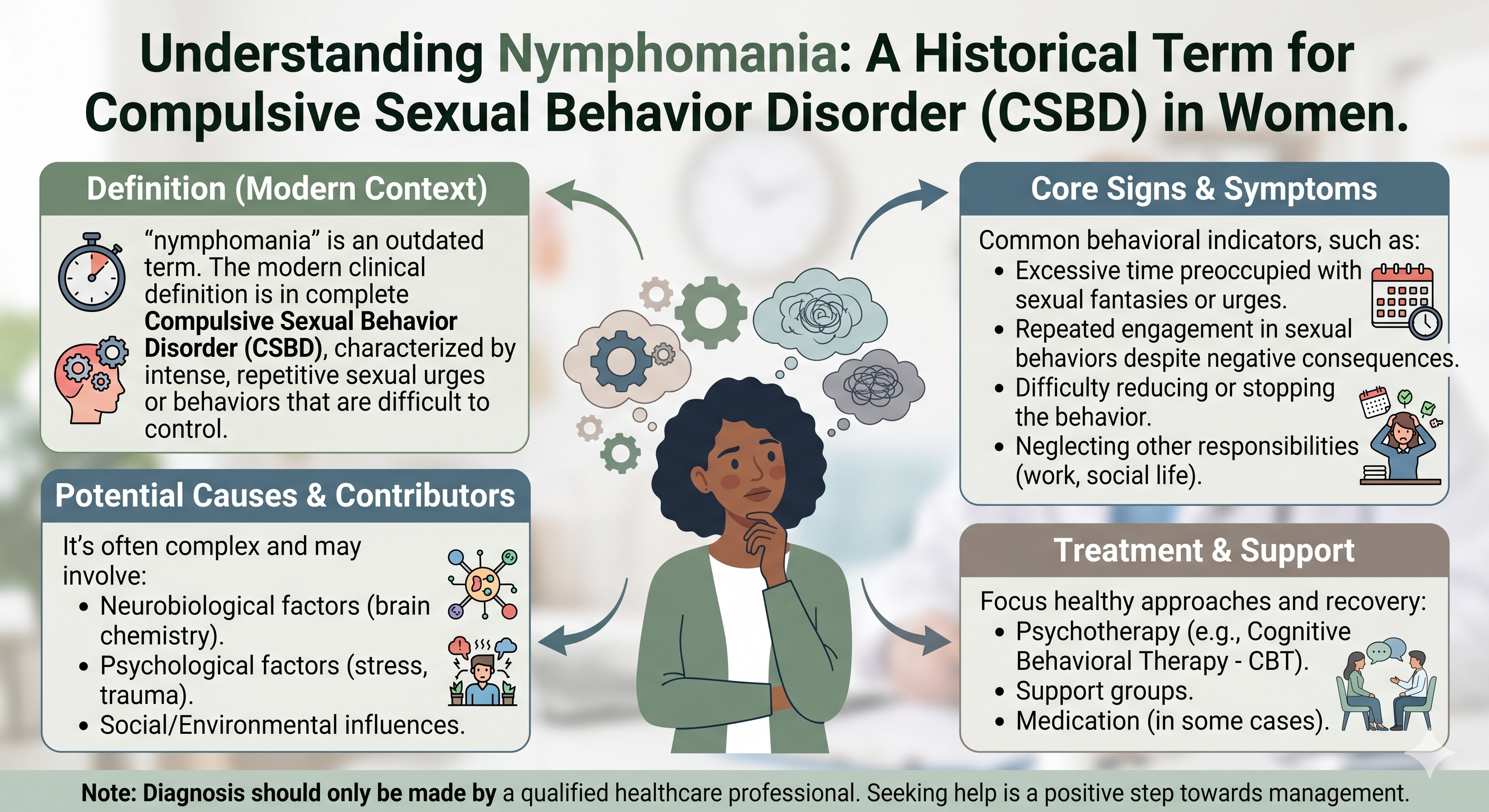
* Hypersexuality, also known as compulsive sexual behavior disorder (CSBD), involves persistent and escalating sexual thoughts, urges, or behaviors that cause distress or impairment in daily life. This condition goes beyond typical sexual desire.
* The causes of hypersexuality are multifaceted, often stemming from a combination of biological, psychological, and social factors. These can include neurochemical imbalances, trauma, attachment issues, and certain medications.
* Specific medications, such as Wellbutrin, Prozac, and Adderall, have been linked to hypersexuality as a potential side effect in some individuals. Bipolar disorder and ADHD are also associated with an increased risk for hypersexual behavior.
* Identifying hypersexuality in women involves observing symptoms like an inability to control sexual urges, engaging in risky sexual behaviors despite negative consequences, and experiencing significant distress or functional impairment due to sexual activities.
* Treatment for hypersexuality typically involves a holistic approach, addressing the underlying causes and symptoms. This often includes psychotherapy, NLP, Acupuncture and a homeopathic approach to develop coping mechanisms and address emotional triggers.
* Medication management can play a role, particularly if co-occurring conditions like depression, anxiety, or bipolar disorder are present. Certain medications can help regulate mood and reduce impulsive behaviors.
* Natural and complementary approaches, including herbal remedies or homeopathic treatments, may be explored as adjuncts to conventional therapies, though their efficacy requires more scientific validation. Always consult a healthcare professional before starting any alternative treatments.
Etiology: Biological and Gender-Specific Drivers
Neurobiological Underpinnings of Sexual Compulsion
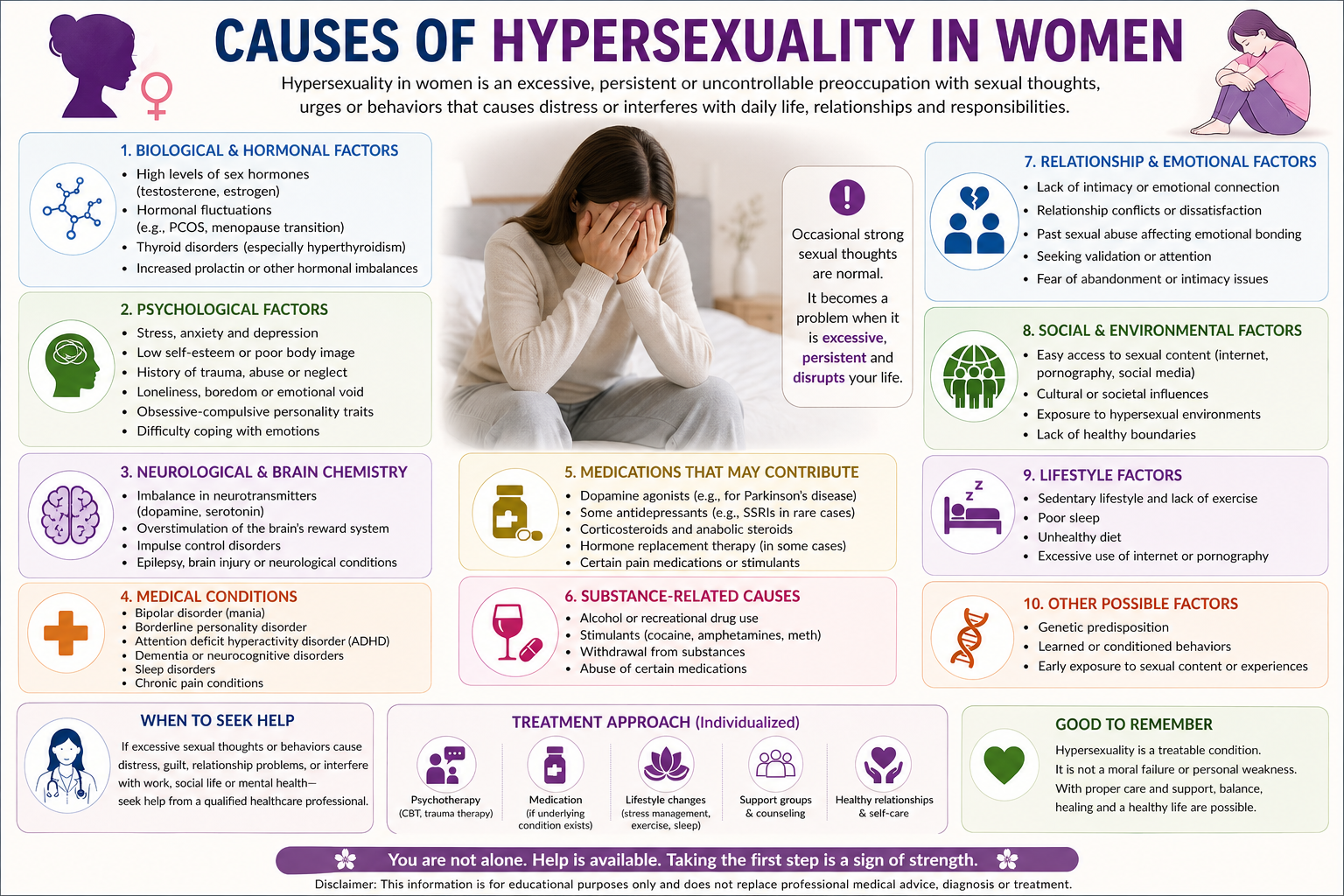
Examining the brain’s intricate workings reveals several potential biological causes of hypersexuality. Your brain’s reward system, particularly the dopamine pathways, plays a significant role. Dysfunction in these pathways can lead to an exaggerated pursuit of sexual activity, as the brain seeks the dopamine “high” associated with sexual arousal and orgasm. Neurotransmitters, the chemical messengers in your brain, also contribute to this complex picture. Imbalances in serotonin, norepinephrine, and GABA levels can influence impulse control and mood regulation, potentially exacerbating compulsive sexual behaviors. Understanding these neurochemical interactions is key to developing targeted treatments. Brain imaging studies offer further insights, showing differences in brain structure and function in individuals with hypersexuality. Certain areas involved in decision-making, emotional regulation, and impulse control may show altered activity, suggesting a neurological basis for the difficulty in controlling sexual urges.
Physiological Factors Unique to Female Hypersexuality
Hormonal fluctuations often contribute significantly to female hypersexuality. Your menstrual cycle, pregnancy, and menopause all involve substantial shifts in estrogen and progesterone levels, which can influence libido and sexual drive. These natural biological processes can sometimes trigger or intensify hypersexual behaviors in some women. Certain medical conditions can also play a role in female hypersexuality. Polycystic Ovary Syndrome (PCOS), for instance, involves hormonal imbalances that can affect sexual desire and potentially contribute to heightened sexual urges. Thyroid disorders, too, can impact hormone regulation and subsequently influence sexual behavior. Medications sometimes have hypersexuality as a side effect, particularly those affecting dopamine pathways or hormone levels. Assume that if you are experiencing an unexpected increase in sexual drive after starting a new medication, consulting your healthcare provider is necessary to explore potential links. Your overall physical health and lifestyle choices also influence sexual drive. Chronic stress, sleep deprivation, and poor nutrition can all disrupt hormonal balance and neurotransmitter function, potentially contributing to or exacerbating hypersexual tendencies in women. Assume that a holistic approach to your health is beneficial.
Comorbidity: Mental Health and Neurodevelopmental Links to Hypersexuality
Manic Episodes and Hypersexuality in Bipolar Disorder
You will often observe a strong connection between bipolar disorder and hypersexuality, particularly during manic or hypomanic episodes. During these periods, individuals frequently experience an intensified sex drive, often leading to impulsive and risky sexual behaviors. The heightened mood, increased energy, and impaired judgment characteristic of mania can directly fuel these manifestations. Patients experiencing a manic episode might suddenly engage in multiple sexual encounters, disregard previous boundaries, or pursue relationships with little consideration for consequences. This shift in behavior is a significant diagnostic indicator for bipolar disorder, highlighting the profound impact of mood dysregulation on sexual impulses. Recognizing these patterns is necessary for accurate diagnosis and effective treatment planning. Understanding the cyclical nature of bipolar disorder is also important; periods of hypersexuality often coincide with the upward swing of mood. The subsequent depressive phases can bring feelings of shame, regret, and distress related to behaviors exhibited during manic episodes. This reinforces the need for comprehensive treatment addressing both mood stabilization and behavioral patterns.
Impulse Control and Hypersexual Manifestations in ADHD
Individuals with ADHD often struggle with impulse control, which can manifest in various ways, including hypersexual behavior. The inherent difficulty in inhibiting immediate urges and delaying gratification can translate into impulsive sexual decisions and a perceived heightened sex drive. This is not necessarily a direct increase in libido, but rather a diminished capacity to regulate sexual impulses. Your ability to regulate impulses plays a significant role in managing sexual behavior. For someone with ADHD, the struggle to pause and consider the long-term consequences before acting can lead to engaging in risky sexual encounters, frequent casual sex, or an inability to maintain stable sexual relationships. This impulsivity can create significant distress and impact daily functioning. The continuous challenge of managing impulses, a core symptom of ADHD, can result in a pattern of sexual behavior that mimics hypersexuality. This behavior is distinct from the mood-driven hypersexuality seen in bipolar disorder, as it stems from a neurodevelopmental difference in executive function rather than a fluctuating mood state. Addressing the underlying ADHD symptoms, such as developing better impulse control strategies, is crucial for managing these manifestations.
Pharmacological Triggers: Medication and Substance-Induced Hypersexuality
Impact of Stimulants and Dopaminergic Agents
You may wonder if certain medications can directly contribute to hypersexual behaviors. The answer is yes, and stimulants are a prime example. Drugs like Adderall, commonly prescribed for ADHD, can significantly increase dopamine levels, leading to heightened libido and, in some cases, hypersexuality. This effect stems from the medication’s impact on reward pathways in the brain, often making previously enjoyable activities, including sexual ones, intensely more appealing and difficult to control.
Your experience with such medications might involve an unexpected surge in sexual thoughts or urges. For individuals taking stimulants, the increased energy and focus can sometimes be redirected into compulsive sexual behaviors. This isn’t a universal side effect, but it’s a documented one, particularly with higher doses or in individuals predisposed to impulse control issues. Recognizing this connection is a crucial step in addressing any emergent hypersexual tendencies.
Consider the powerful influence these agents have on your brain chemistry. Dopaminergic drugs, which enhance dopamine activity, are particularly implicated in a range of impulse control disorders, including pathological gambling and hypersexuality. Understanding how these medications interact with your unique physiology is crucial for managing your overall mental and sexual health.
Antidepressant-Induced Side Effects and Sexual Compulsion
Many people are surprised to learn that even antidepressants, intended to improve mood, can sometimes trigger hypersexuality. You might be asking, “Does Wellbutrin make you hypersexual?” or “Can Prozac cause hypersexuality?” The answer, in some cases, is yes. Wellbutrin (bupropion), for instance, is known to have hypersexuality as a potential side effect, although it’s less common than other sexual side effects like decreased libido. This can manifest as an increase in sexual thoughts, urges, or compulsive sexual behaviors that feel out of character.
You might experience hypersexuality side effects from Wellbutrin as an unexpected intensification of sexual drive or an inability to control sexual impulses. While bupropion is often associated with fewer sexual side effects compared to other antidepressants, its unique mechanism of action, which involves dopamine and norepinephrine reuptake inhibition, can sometimes lead to this paradoxical outcome. It’s important to differentiate between a healthy resurgence of libido as depression lifts and a problematic, compulsive increase in sexual activity.
Prozac (fluoxetine), a selective serotonin reuptake inhibitor (SSRI), can, in rare instances, cause hypersexuality. While SSRIs are more commonly associated with decreased libido, a subset of individuals may experience an increase in sexual drive or compulsive sexual behavior. This highlights the complex and sometimes unpredictable ways psychotropic medications can affect your individual neurochemistry. Discussing any unusual sexual side effects with your healthcare provider is paramount to ensure your treatment plan remains beneficial and safe.
The nuanced impact of antidepressants on sexual function means that while many experience a decrease in libido, a small but significant number report an increase in sexual drive or even hypersexuality. This often depends on individual neurochemical responses and the specific drug’s mechanism of action. For example, Wellbutrin’s dopaminergic activity can boost libido, potentially leading to hypersexual tendencies, while even SSRIs like Prozac can, in rare cases, disrupt the delicate balance of neurotransmitters in a way that manifests as increased sexual compulsion. Always communicate openly with your doctor about any changes in sexual behavior after starting or adjusting medication.
Holistic and Alternative Treatment Modalities for Hypersexuality/Nymphomania
Botanical and Herbal Interventions for Hormonal Balance in Hypersexual Patients
You might consider various botanical and herbal interventions to help restore hormonal balance, a common underlying factor in hypersexuality. Certain herbs have long been recognized for their adaptogenic properties and ability to modulate endocrine function. These natural treatments for hypersexuality can be a gentle yet effective approach. Many individuals find relief through specific herbal treatments for hypersexuality. For example, vitex agnus-castus, also known as Chasteberry, is frequently used to balance female hormones, particularly progesterone and estrogen, which can become dysregulated. Consulting a qualified herbalist is always recommended to ensure proper dosage and avoid potential interactions. Other beneficial herbs include maca root, known for its ability to support adrenal function and overall endocrine health, and ashwagandha, an adaptogen that helps reduce stress and normalize cortisol levels. These botanical remedies work synergistically with your body to promote a more balanced physiological state.
Acupuncture Treatment for Nymphomania
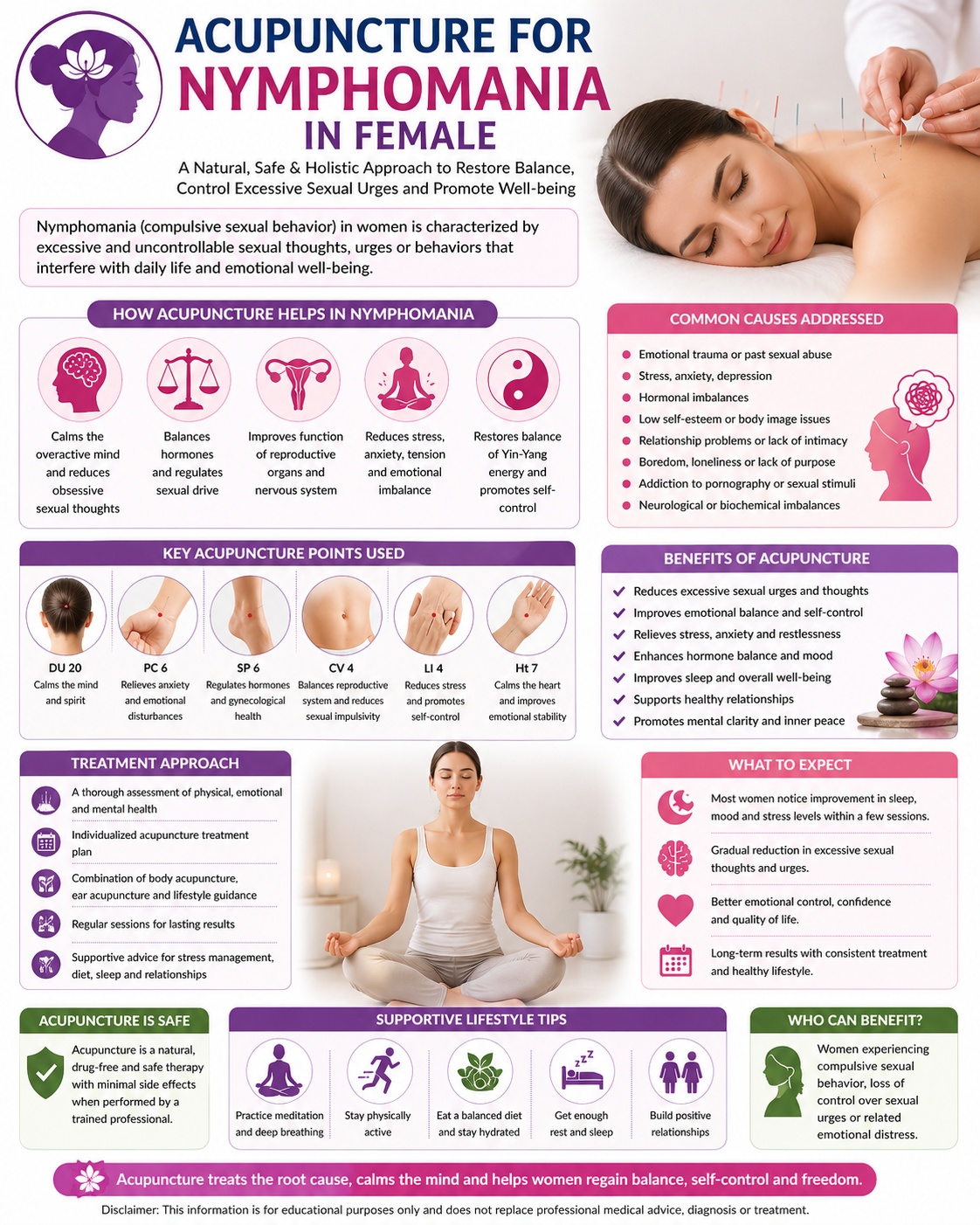
- Case Evidence: A 60-year-old patient with chronic hypersexuality saw her symptoms resolve after 10 days of intensive acupuncture and moxibustion treatment.
- Case Relapse and Cure: A slight relapse a year later was successfully treated with the same method, with no further recurrence over the following two years.
- Mechanism: Traditional Chinese Medicine (TCM) addresses hypersexuality by attempting to harmonize body energy and calm the mind, rather than just targeting the sex organs.
- Complementary Approach: Acupuncture is often used alongside moxibustion (burning of the herb mugwort) to manage sexual health conditions.
Homeopathic Principles and Specific Remedies for Sexual Compulsion
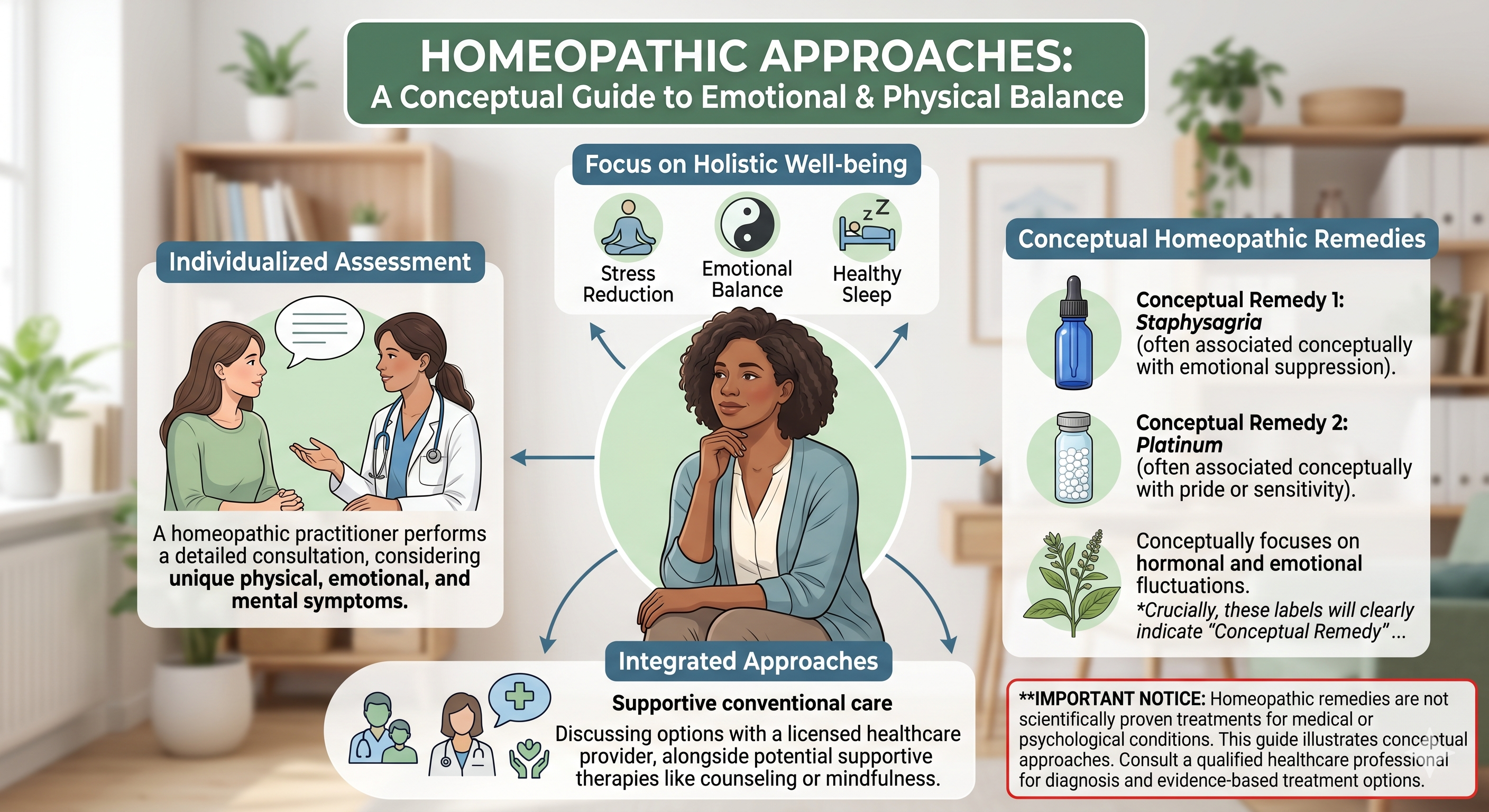
Homeopathic treatment for hypersexuality often involves a personalized approach, focusing on your unique symptom presentation rather than just the diagnosis. Practitioners select homeopathic remedies for hypersexuality based on the principle of “like cures like,” using highly diluted substances that would cause similar symptoms in a healthy person. Understanding your individual constitution and emotional state is paramount in homeopathy. A detailed intake will explore not only your physical symptoms but also your mental and emotional patterns related to sexual compulsion. This holistic assessment guides the selection of the most appropriate remedy. Specific homeopathic remedies for hypersexuality may include Hyoscyamus niger, often indicated for individuals exhibiting uninhibited sexual behavior and jealousy, or Platina, which is considered for those with intense sexual desire, pride, and a sense of superiority. Nux vomica might be prescribed for individuals with irritability and a history of overindulgence. Homeopathy offers a gentle, non-toxic approach, stimulating your body’s self-healing mechanisms.
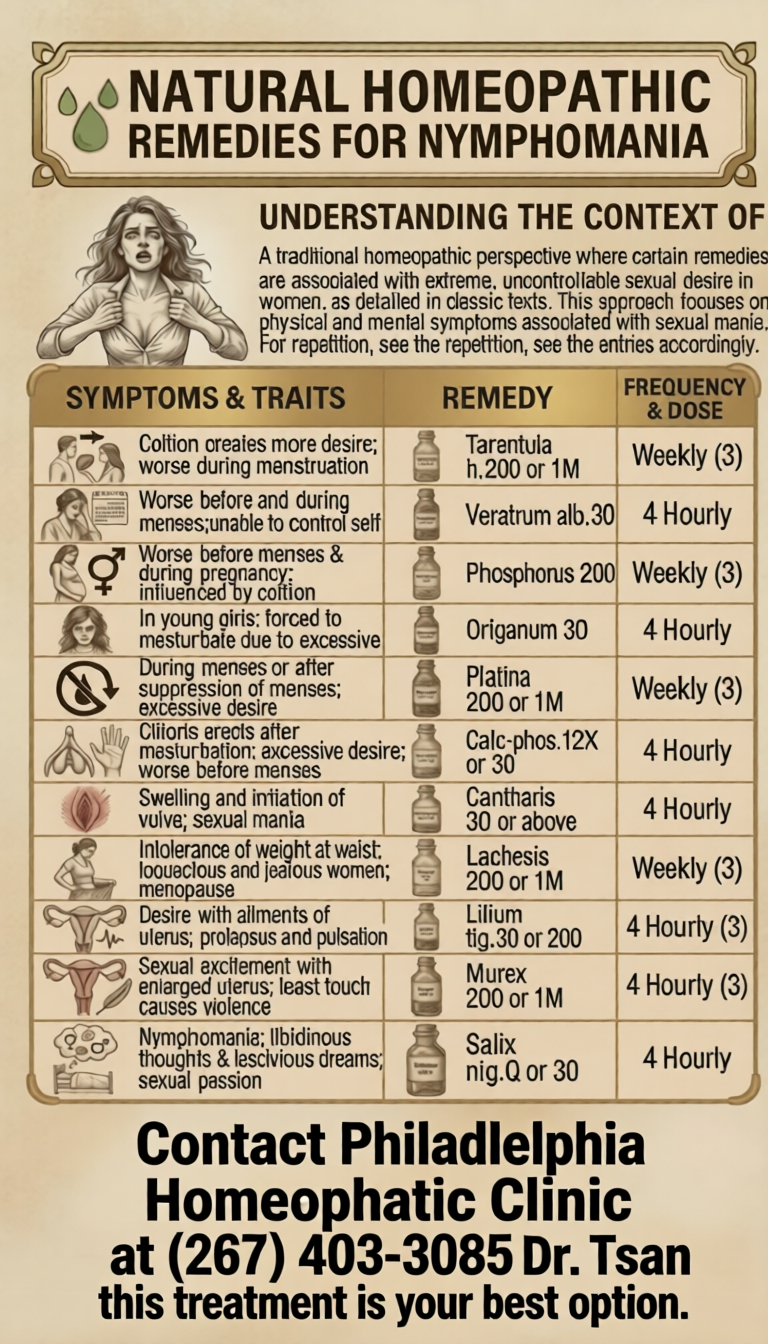
Integrative Lifestyle Modifications for Hypersexual Patients
Integrating various lifestyle modifications can significantly support your journey toward managing hypersexuality. These changes extend beyond specific treatments, encompassing daily habits that contribute to overall well-being and hormonal regulation. Focusing on these areas creates a foundation for lasting change. Practicing regular mindfulness and meditation techniques helps to reduce stress, a known trigger for compulsive behaviors, and enhances self-awareness. Engaging in consistent physical activity also plays a crucial role in balancing hormones, improving mood, and providing a healthy outlet for energy. Adjusting your diet to include nutrient-dense, whole foods while reducing processed items, sugar, and excessive caffeine can further stabilize blood sugar and hormone levels. Adequate sleep, typically 7-9 hours per night, is also important for endocrine function and emotional regulation. These integrative lifestyle modifications, when consistently applied, reinforce the effects of other treatments and contribute to a more balanced and fulfilling life.
Hypnotherapy and NLP for the Treatment of Hypersexuality/Nymphomania
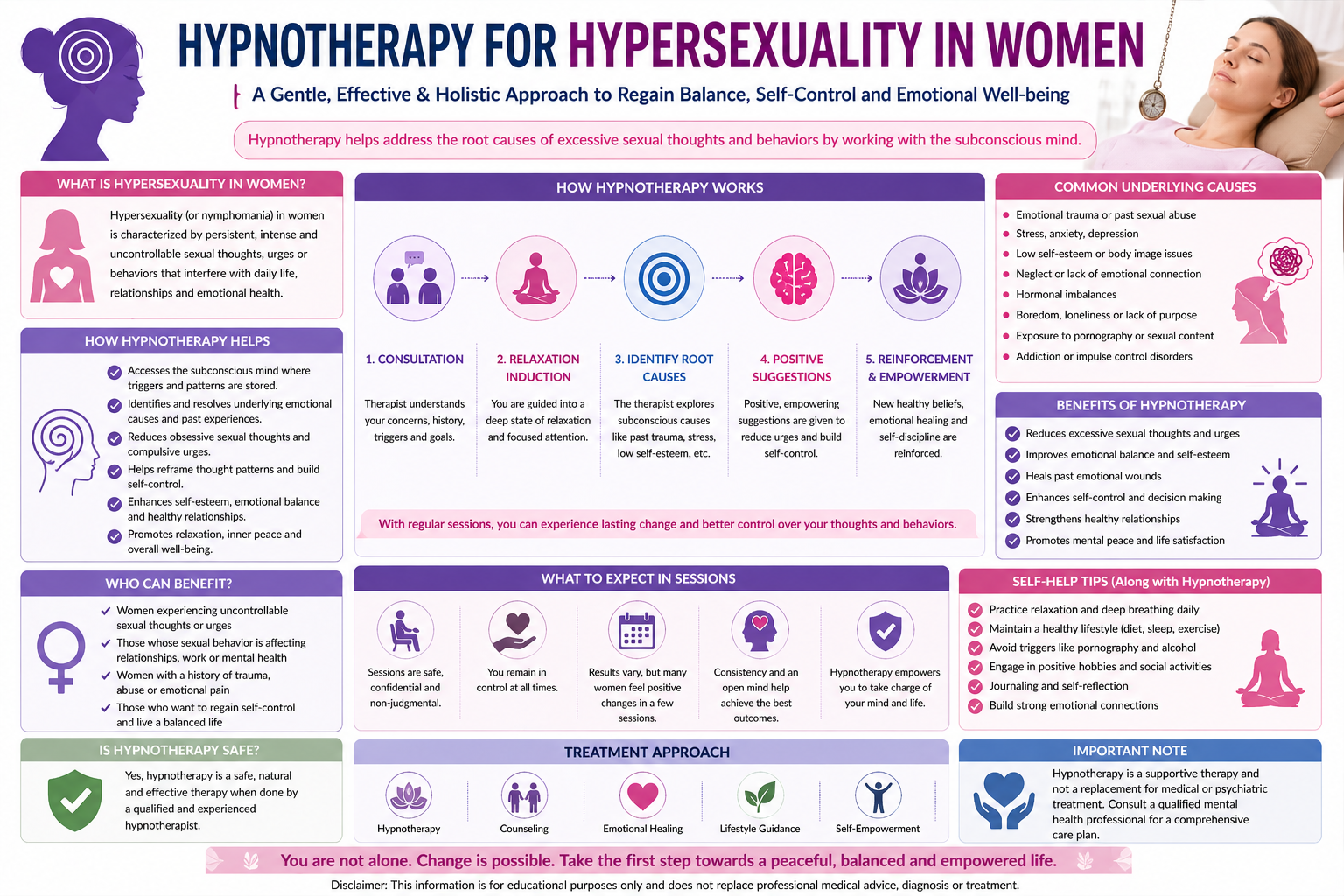
How Hypnotherapy Addresses Hypersexuality
- Identifying Triggers: Therapists help clients explore situations, emotions (e.g., stress, loneliness), or past experiences that trigger compulsive behavior.
- Rewiring Thought Patterns: Hypnosis can implant positive suggestions to replace addictive behaviors with healthier actions.
- Managing Urges: It teaches self-hypnosis techniques that allow individuals to manage cravings in real time.
- Addressing Root Causes: It may help manage underlying issues, such as anxiety, depression, or past trauma, which often fuel compulsive behaviors.
What to Expect from Sessions
- Deep Relaxation: Sessions often involve deep relaxation techniques to make the subconscious more receptive to positive suggestions.
- Visualization: Clients may be asked to visualize handling difficult situations or resisting temptation.
- No Loss of Control: Contrary to myths, clients retain control over their actions while under hypnosis and cannot be forced to do anything against their will.
Complementary Approaches
While hypnotherapy can be effective, it is often most successful when combined with other, more traditional therapies, such as the following:
Finding Help
When looking for a hypnotherapist, it is recommended to seek professionals accredited by bodies like the National Guild of Hypnotists or the International Association of Counselors and Therapists to ensure they have proper training and experience in treating sexual issues. [1]
Conclusion
Conclusively, understanding Compulsive Sexual Behavior Disorder (CSBD), often referred to as hypersexuality or nymphomania, requires you to recognize its multifaceted origins. The World Health Organization (WHO) has officially recognized CSBD in the International Classification of Diseases, 11th Edition (ICD-11). This means that the words used to describe the condition have changed. This formal recognition underscores the medical community’s growing awareness of this complex condition, moving beyond simplistic moral judgments. You must also consider the interplay of biological, psychological, and social factors that contribute to its development, as no single cause can fully explain its manifestation in individuals. Addressing CSBD effectively means you must embrace a holistic treatment approach. You’ll discover that conventional therapies, such as Cognitive Behavioral Therapy (CBT) and Dialectical Behavior Therapy (DBT), play a significant role in helping individuals manage their impulses and develop healthier coping mechanisms. These therapeutic modalities provide you with structured tools and strategies to challenge maladaptive thought patterns and regulate intense emotions. You should also explore pharmacological interventions, which can be beneficial in managing co-occurring conditions like anxiety or depression, often present alongside CSBD. Integrating natural treatments into your therapeutic plan offers you additional pathways to well-being. You might find mindfulness practices and meditation particularly helpful in cultivating self-awareness and emotional regulation. Nutritional adjustments, focusing on a balanced diet, can support overall brain health and mood stability. You should also consider the benefits of regular physical activity, which research shows reduces stress and improves mental health outcomes. By combining these diverse strategies, you can create a comprehensive and personalized treatment plan that addresses both the symptoms and the underlying causes of CSBD, guiding you toward sustained recovery and an improved quality of life. Here are detailed FAQs about hypersexuality, also known as nymphomania, focusing on causes and holistic treatments.
Q: What is hypersexuality, and how does it differ from a healthy sex drive?
A: Hypersexuality, sometimes referred to as nymphomania when discussing women, describes a pattern of sexual thoughts, urges, and behaviors that are excessive and disruptive. This condition differs significantly from a healthy sex drive. A healthy sex drive involves sexual desires that are manageable, bring satisfaction, and do not negatively impact daily life, relationships, or personal well-being. Hypersexuality, in contrast, involves a compulsive drive where individuals feel an uncontrollable urge to engage in sexual activity, often despite negative consequences. The behavior becomes a central focus, consuming time and energy, and individuals may experience distress, shame, or guilt. The diagnostic term “compulsive sexual behavior disorder (CSBD)” is increasingly used by professionals to describe this condition, highlighting its compulsive nature rather than simply a high libido.
Q: What are the common underlying causes and contributing factors for hypersexuality?
A: Hypersexuality can stem from various causes, often involving a complicated interaction between psychological, biological, and environmental factors. Neurological imbalances, especially in neurotransmitters such as dopamine, can affect reward pathways in the brain. Certain medical conditions, such as some types of dementia or brain injuries, may also contribute to hypersexual behavior. Mental health conditions frequently co-occur with hypersexuality; bipolar disorder, for example, can manifest with periods of heightened sexual activity during manic phases. Individuals with ADHD may also experience hypersexuality as a coping mechanism or due to impulsive tendencies. Trauma, especially sexual abuse in childhood, is a significant psychological factor, as sexual activity can become a way to seek control, comfort, or escape from emotional pain. Some medications can induce hypersexuality as a side effect. For example, dopamine agonists used for Parkinson’s disease, certain antidepressants like Wellbutrin (bupropion), or stimulants such as Adderall can sometimes lead to increased sexual urges. Prozac (fluoxetine) is less commonly associated but can alter sexual function in various ways. Understanding these diverse causes is imperative for effective treatment.
Q: How can one identify symptoms of hypersexuality, particularly in women?
A: Identifying hypersexuality involves recognizing a persistent pattern of excessive sexual thoughts, urges, and behaviors that cause significant distress or impairment. Key symptoms include an inability to control sexual impulses, even when attempting to stop. Individuals may spend an inordinate amount of time engaging in sexual fantasies, seeking sexual partners, or consuming pornography. They might neglect personal responsibilities, work, or relationships due to their sexual pursuits. Feelings of guilt, shame, or despair often follow sexual encounters, despite a temporary sense of relief during the act. These symptoms are similar for both men and women, but women may find it harder to admit they have nymphomania or get help because of social stigmas. A woman might exhibit frequent casual sexual encounters, an intense preoccupation with sex that interferes with her daily life, or an escalating need for sexual stimulation to feel satisfied. The critical distinction is the compulsive, uncontrollable nature of the behavior and its negative impact, not just a high level of sexual interest.
Q: What are the available psychological and behavioral treatments for hypersexuality?
A: Psychological and behavioral therapies form the cornerstone of hypersexuality treatment. Cognitive Behavioral Therapy (CBT) helps individuals identify and challenge distorted thoughts and beliefs that fuel their compulsive behaviors. It teaches coping strategies to manage urges and triggers. Dialectical Behavior Therapy (DBT) is particularly useful for individuals with co-occurring emotional dysregulation, offering skills in mindfulness, distress tolerance, emotional regulation, and interpersonal effectiveness. Psychodynamic therapy explores underlying psychological conflicts, past traumas, and relationship patterns that may contribute to hypersexual behavior. Group therapy provides a supportive environment where individuals can share experiences, reduce feelings of isolation, and learn from peers. The goal of these therapies is to help people get their impulses back under control, learn better ways to deal with stress, and deal with the underlying causes of their behavior. This will lead to better emotional health and relationships.
Q: Are there any pharmacological interventions used in treating hypersexuality?
A: Pharmacological interventions can be an important component of a comprehensive treatment plan for hypersexuality, especially when co-occurring mental health conditions are present. Antidepressants, particularly Selective Serotonin Reuptake Inhibitors (SSRIs), are often prescribed. These medications can help reduce compulsive urges and improve mood, especially if depression or anxiety co-exists. Mood stabilizers, such as those used for bipolar disorder, are beneficial when hypersexuality is linked to manic episodes. Anti-androgens, which reduce testosterone levels, may be considered in severe cases, though these are typically reserved for situations where other treatments have been ineffective due to their potential side effects. Naltrexone, an opioid antagonist, has shown some promise in reducing cravings and compulsive behaviors in various addictions, including hypersexuality. Any medication prescribed will be tailored to the individual’s specific needs, symptom profile, and co-occurring conditions and always under the careful supervision of a medical professional.
Q: What holistic and natural approaches can complement professional treatment for hypersexuality?
A: Holistic and natural approaches can significantly support professional treatment for hypersexuality by addressing overall well-being. Mindfulness practices, such as meditation and yoga, cultivate present-moment awareness and can help individuals observe urges without immediately acting on them. Regular physical exercise is a natural mood booster and stress reliever, providing a healthy outlet for energy and reducing anxiety. A balanced diet, rich in whole foods and low in processed items, can support brain health and mood stability. Herbal remedies like Ashwagandha or Rhodiola rosea are sometimes used for stress reduction and adrenal support, though scientific evidence for their direct impact on hypersexuality is limited. Some people also seek homeopathic remedies, which they select based on their unique symptom presentation, but robust scientific backing for their efficacy in treating hypersexuality is lacking. It is important to emphasize that natural approaches should complement, not replace, professional medical and psychological treatment. Consulting with healthcare providers before incorporating any new natural remedy is always recommended to ensure safety and avoid potential interactions.
Q: How do support systems and changes in lifestyle help people who are hypersexual recover in the long term?
A: Strong support systems and sustainable lifestyle changes are fundamental for long-term recovery from hypersexuality. Connecting with supportive friends, family members, or a therapist provides a sense of community and reduces feelings of isolation. Support groups, such as Sex Addicts Anonymous (SAA) or similar programs, offer a safe space for individuals to share their struggles, receive encouragement, and learn from others’ experiences. Developing healthy hobbies and interests, such as creative pursuits, sports, or volunteering, can redirect energy and provide fulfilling alternatives to compulsive sexual behaviors. Establishing clear boundaries in relationships and with technology helps manage triggers and prevent relapse. Practicing self-care, including adequate sleep, stress management techniques, and healthy boundaries, contributes to overall resilience. A commitment to ongoing self-reflection and personal growth is also imperative, helping individuals maintain their recovery and build a more balanced and fulfilling life.
Holistic treatment for hypersexuality in Philadelphia
A hypersexuality is a tricky condition to deal with, and it can prevent you from living a healthy and happy life. Symptoms can be difficult to deal with, and no cure exists currently. However, a comprehensive and effective treatment plan can significantly reduce the symptoms and prevent future episodes. The above-listed natural treatments for hypersexuality can provide remarkable results. However, there is no single treatment plan; you may need to try a few before finding the right one.
At the Philadelphia Holistic Clinic, a team of holistic professionals (acupuncturists, psychologists, leech therapists, homeopaths, and hypnotherapists) work under the strict supervision of medical doctor Victor Tsan, who has extensive academic and clinical experience in natural treatments for nymphomania.
For professional treatment, contact Philadelphia Holistic Clinic at (267) 403-3085 to schedule your comprehensive, holistic evaluation and start your journey to recovery.