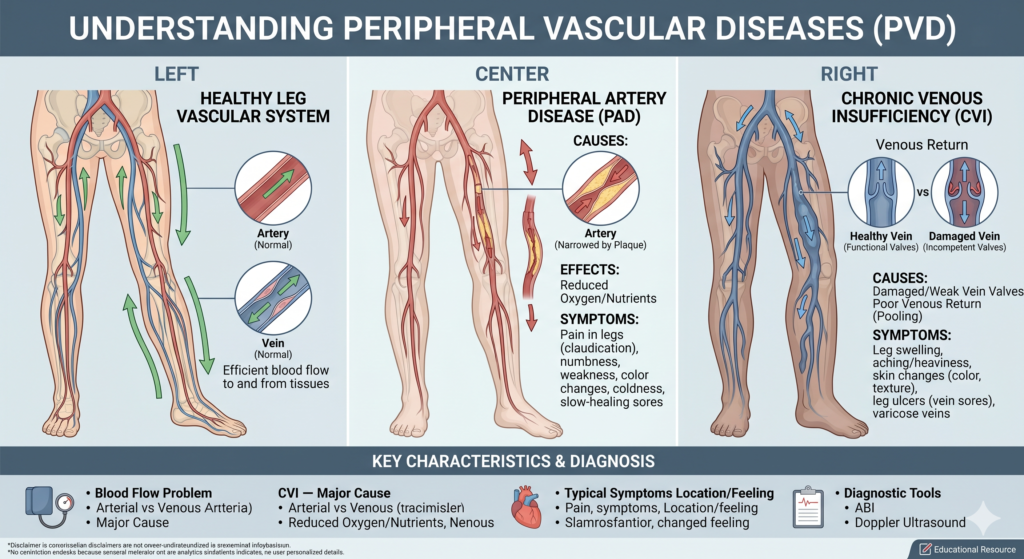
Peripheral Vascular Disease
Treatments for Peripheral Vascular Disease (PVD) become imperative when you understand the condition. PVD affects the blood vessels outside of your heart and brain. You will discover the causes, recognize the symptoms, and learn about natural treatments to manage PVD effectively.
Key Takeaways:
* Peripheral Vascular Disease (PVD) narrows blood vessels outside the heart and brain, most commonly affecting the legs. Atherosclerosis, the buildup of plaque in arteries, causes most PVD cases.
* Common PVD symptoms include leg pain during exercise (claudication), numbness, weakness, coldness in the lower leg or foot, sores that won’t heal, and changes in skin color.
* Untreated PVD can lead to severe complications like critical limb ischemia, increasing the risk of amputation, stroke, and heart attack due to widespread atherosclerosis.
* Lifestyle changes form the foundation of PVD management. Quitting smoking, regular exercise, a heart-healthy diet, and managing underlying conditions like diabetes and high blood pressure are crucial.
* Natural approaches can complement conventional PVD treatments. Omega-3 fatty acids, garlic, ginkgo biloba, and hawthorn may improve circulation and reduce inflammation, but consult a doctor before starting any supplements.
* Acupuncture shows promise in improving blood flow and reducing pain for some PVD patients. Homeopathic remedies, while less scientifically validated, are sometimes used for symptom relief, though individual results vary.
* Early diagnosis and a comprehensive treatment plan, often combining medical interventions with lifestyle modifications and complementary therapies, offer the best outcomes for managing PVD and preventing its progression.
Identifying Symptoms and Warning Signs of Periferal Vascular Disease
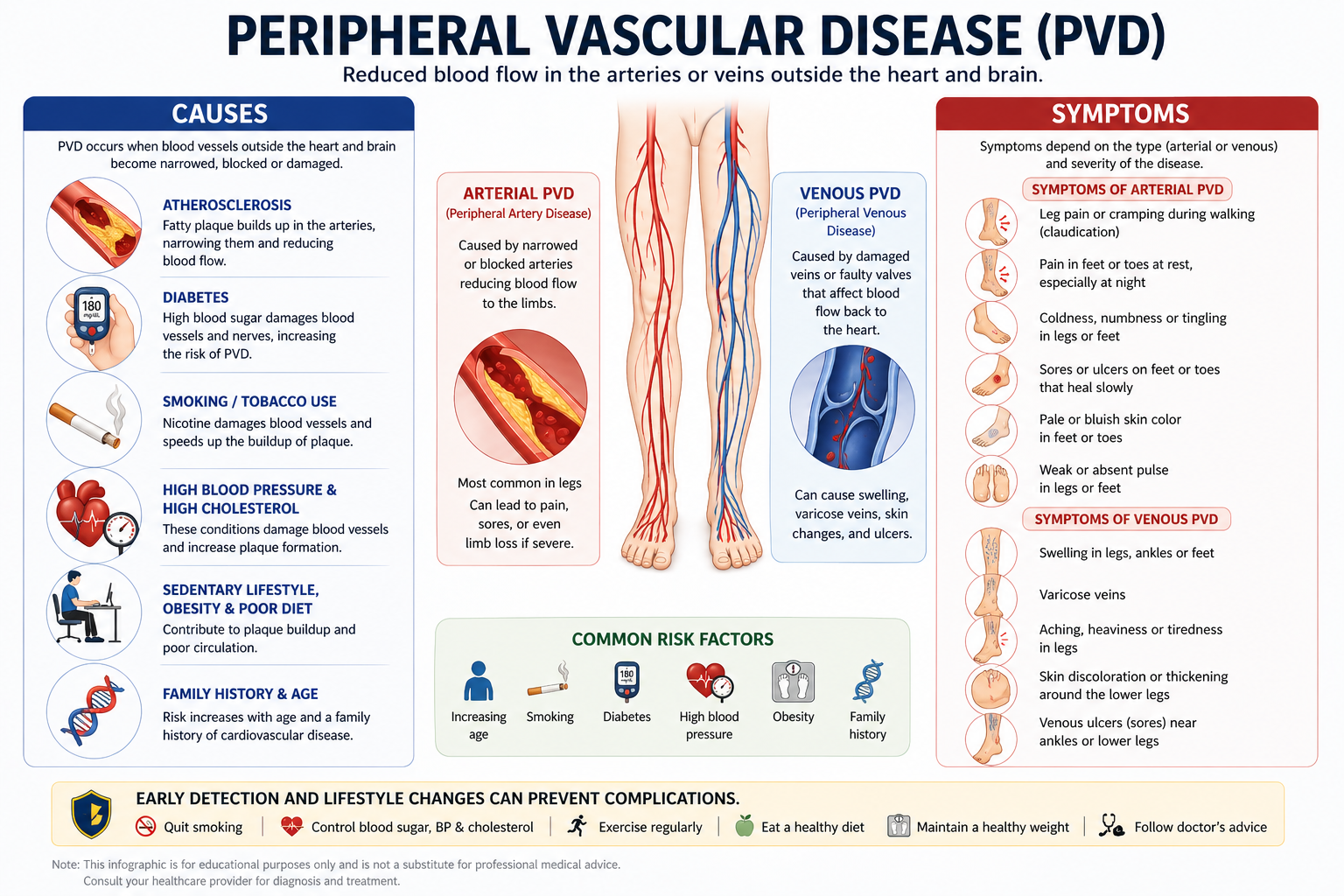
Recognizing the symptoms of peripheral vascular disease early is crucial for effective management. You might experience subtle changes that progress over time, indicating compromised blood flow in your limbs. These peripheral vascular disease symptoms often manifest in your legs and feet but can also affect your arms.
Common physical indicators
Observe your limbs for specific physical changes. You might notice skin discoloration, such as a pale or bluish tint, especially in your feet. Hair loss on your legs and feet, along with slow-healing sores or ulcers, is also a common symptom of peripheral vascular disease.
Sensory changes in the extremities
Experiencing numbness, tingling, or weakness in your legs and feet can signal PVD. These sensory changes, including a feeling of coldness in one leg or foot compared to the other, are definite peripheral vascular disease symptoms. You might also feel a burning sensation or reduced sensation to touch. Many individuals report a heavy feeling in their legs or feet, even at rest. You might also notice a diminished ability to feel temperature changes, making it harder to detect hot or cold surfaces. These sensory changes, particularly when persistent, warrant a medical evaluation to determine if they are symptoms of peripheral vascular disease.
Risk Assessment and Long-Term Complications of Periferal Vascular Disease
Chronic health risks over time
Ignoring these early warnings can lead to serious consequences. Your long-term health risks include developing critical limb ischemia, a severe form of PAD, or even experiencing a stroke or heart attack, directly impacting your quality of life.
Progressive damage to the vascular system
This continuous neglect of your circulatory health will worsen the disease. The damage to your vascular system progresses, increasing your chances of needing an amputation due to unmanaged Peripheral Vascular Disease. Addressing the ongoing damage to your vascular system is paramount. You face a heightened risk of developing critical limb ischemia, a severe form of PAD characterized by chronic rest pain, non-healing wounds, and tissue loss. This condition significantly increases your chances of needing an amputation if not properly managed. The progressive nature of this disease means that without intervention, your arteries will continue to narrow and harden, further compromising blood flow to your extremities and raising your overall cardiovascular risk.
Peripheral Vascular Disease Treatment
Treating peripheral vascular disease involves a multi-faceted approach aimed at alleviating symptoms, preventing disease progression, and improving your quality of life. You will find that management ranges from lifestyle modifications to advanced medical interventions, tailored to your specific condition and its severity. Understanding these options helps you make informed decisions about your care.
Conventional medical strategies
Medical interventions often include medications to manage risk factors like high cholesterol and blood pressure, along with antiplatelet drugs such as aspirin or clopidogrel. For more severe cases, angioplasty, stenting, or bypass surgery may be necessary to restore blood flow to affected limbs.
Foundational management protocols
Your treatment journey begins with foundational protocols focusing on lifestyle adjustments. These involve stopping smoking, adopting a heart-healthy diet, regular exercise, and managing underlying conditions like diabetes. These steps are crucial for slowing disease progression and improving your overall vascular health. Your doctor will emphasize the importance of these foundational management protocols, as they form the cornerstone of effective PVD treatment. Quitting smoking is paramount, as tobacco severely constricts blood vessels and accelerates atherosclerosis. Regular, guided exercise, such as a walking program, can significantly improve your walking distance and reduce pain. Adopting a balanced diet, rich in fruits, vegetables, and lean proteins, helps control cholesterol and blood pressure, further supporting vascular health.
Natural and Homeopathic Leg Treatments for PVD
Exploring natural and homeopathic options can provide relief for peripheral vascular disease in your legs. You will discover approaches focusing on improving circulation and reducing discomfort, offering complementary support to conventional care. Many find these methods gentle yet effective for managing symptoms.
Holistic approaches to lower extremity health
You can improve your lower extremity health through a holistic lens. Lifestyle adjustments like regular, gentle exercise and a nutrient-rich diet support overall vascular well-being. These natural treatments for peripheral vascular disease are often recommended.
Homeopathic remedies for circulatory support
Homeopathy for peripheral vascular disease offers targeted remedies to enhance circulation. You might consider specific formulations designed to address the symptoms you experience. Many individuals find these a gentle way to support their bodies.
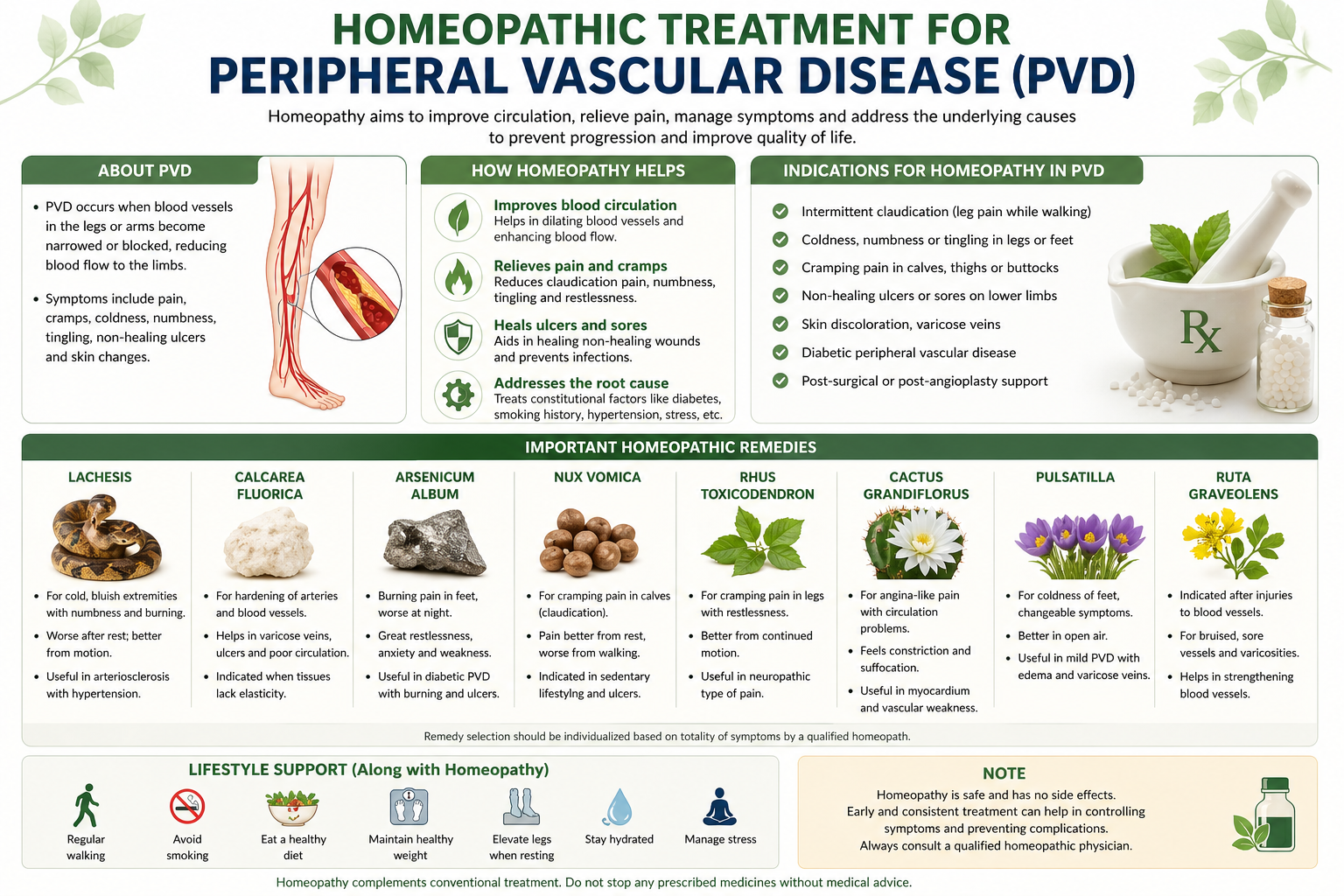
You may find that homeopathic remedies for circulatory support are a valuable part of your peripheral vascular disease in legs treatment, whether natural or homeopathic. These remedies aim to stimulate your body’s healing response, potentially improving blood flow and reducing leg discomfort. Consulting a qualified homeopath can help you identify the most appropriate remedies for your individual needs and symptoms.
Homeopathy for peripheral vascular disease (PVD/PAD) focuses on individualized remedies to improve circulation, often using agents like Crataegus (hawthorn) or Aesculus. While some reports suggest symptom relief, evidence for clinical effectiveness is low, and Ginkgo biloba shows limited, non-significant benefits compared to standard care.
- Crataegus Oxyacantha (Hawthorn): Used for improved blood flow and supporting heart muscles.
- Aurum Metallicum (Gold): Used to reduce arterial tension and improve circulation.
- Aesculus Hippocastanum (Horse Chestnut): Used for venous insufficiency.
Individualized Remedies: Homeopaths may select treatments such as Lycopodium, Natrum muriaticum, or Sulphur based on a patient’s full symptomatic picture.
Disclaimer: Consult a healthcare professional before beginning any new treatment for peripheral vascular disease, as it is a serious condition.
Specialized Therapies: Acupuncture for Periferal Vascular Disease
Traditional Chinese Medicine applications
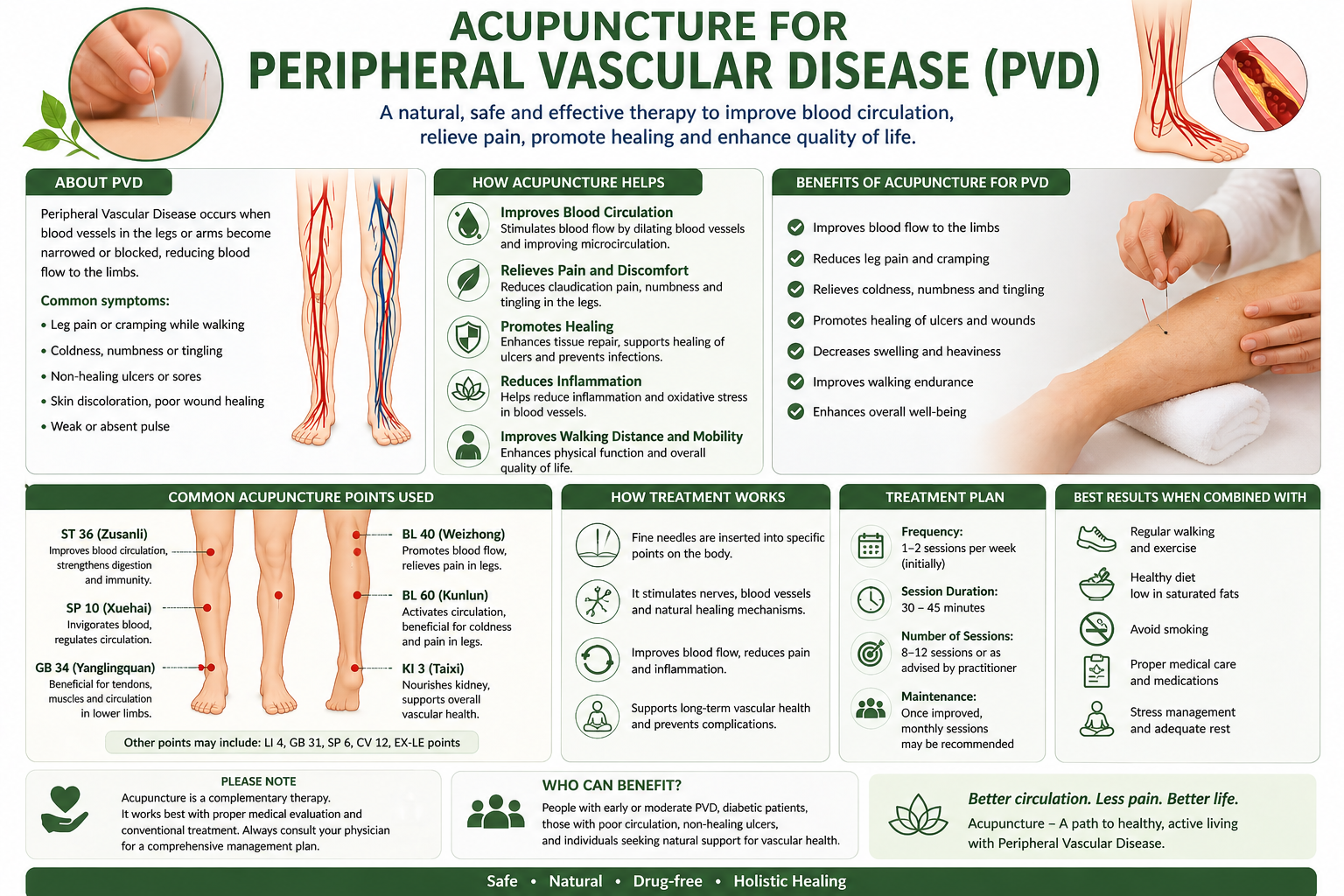
Acupuncture offers a complementary approach to managing peripheral vascular disease, addressing underlying imbalances in your body. This ancient practice, rooted in Traditional Chinese Medicine (TCM), aims to improve blood flow and alleviate symptoms you experience. Practitioners often focus on specific acupoints to enhance circulation throughout your limbs.
Needling techniques for vascular flow
Fine needles, strategically placed at specific acupoints, stimulate your body’s natural healing responses. This precise targeting can help dilate blood vessels, which improves overall circulation. You may find this technique particularly beneficial for reducing pain and numbness associated with PVD. Needling techniques for vascular flow involve more than just inserting needles; practitioners often employ specific methods to maximize therapeutic effect. For example, some techniques might involve gentle manipulation of the needles after insertion or the application of mild electrical stimulation (electroacupuncture) to further enhance blood flow and reduce inflammation in your affected limbs. This targeted stimulation directly impacts the microcirculation, potentially easing your symptoms.
Summing up
Now, you understand peripheral vascular disease involves narrowed blood vessels outside your heart and brain. You learned about common causes like atherosclerosis and recognized symptoms such as leg pain during exercise. You discovered natural treatments, including lifestyle changes, can improve your condition. Always consult your doctor for a diagnosis and a personalized plan.
FAQ

Q: What is Peripheral Vascular Disease (PVD)?
A: Peripheral Vascular Disease (PVD) is a circulatory condition. Narrowed blood vessels reduce blood flow to the limbs, most commonly the legs. This condition affects arteries outside of the heart and brain, often leading to pain and other symptoms.
Q: What are the primary causes of Peripheral Vascular Disease?
A: Atherosclerosis is the leading cause of PVD. This condition involves the buildup of plaque, made of fat, cholesterol, calcium, and other substances, inside artery walls. Factors that increase the risk of atherosclerosis and PVD include smoking, diabetes, high blood pressure, high cholesterol, obesity, and increasing age. A family history of heart disease can also play a role.
Q: What symptoms indicate someone might have Peripheral Vascular Disease?
A: Many individuals with PVD experience no symptoms. When symptoms do occur, they often include leg pain during activity, known as intermittent claudication. This pain typically resolves with rest. Other symptoms can include numbness or weakness in the leg, coldness in the lower leg or foot, sores on the toes, feet, or legs that heal slowly, a change in the color of the legs, hair loss on the legs or feet, and shiny skin on the legs. Men might experience erectile dysfunction.
Q: What are the long-term complications of Peripheral Vascular Disease?
A: PVD can lead to serious long-term complications. Critical limb ischemia (CLI) is a severe form where blood flow is severely restricted, causing constant pain, non-healing wounds, and potentially gangrene. Gangrene can necessitate amputation of the affected limb. PVD also increases the risk of heart attack and stroke, as atherosclerosis affects arteries throughout the body, not just in the limbs.
Q: What conventional treatments are available for Peripheral Vascular Disease?
A: Treatment for PVD often begins with lifestyle changes, such as quitting smoking, regular exercise, and a healthy diet. Medications can help manage underlying conditions like high blood pressure, high cholesterol, and diabetes. Blood thinners might be prescribed to prevent clots. In more severe cases, angioplasty, stenting, or bypass surgery may be necessary to restore blood flow to the affected arteries.
Q: Are there natural or homeopathic approaches that can support individuals with Peripheral Vascular Disease?
A: Natural approaches can complement conventional PVD treatment. Regular, supervised exercise, such as walking, can improve circulation and reduce claudication symptoms. A diet rich in fruits, vegetables, and whole grains, low in saturated and trans fats, supports cardiovascular health. Certain supplements, like omega-3 fatty acids, L-arginine, or ginkgo biloba, have been studied for their potential to improve circulation, but individuals should discuss these with their doctor. Homeopathic remedies are highly individualized; a qualified homeopath would assess the person’s overall health and specific symptoms. Evidence for the effectiveness of homeopathy in treating PVD shows significant improvements in peripheral flow, and it should be used in conjunction with conventional medical care.
Q: Can acupuncture be a beneficial treatment for Peripheral Vascular Disease?
A: Some individuals explore acupuncture as a complementary therapy for PVD. Acupuncture involves inserting thin needles into specific points on the body. Proponents suggest it may help improve blood flow, reduce pain, and promote healing. Research on acupuncture for PVD is ongoing, and findings have been mixed. Individuals considering acupuncture for PVD should consult their healthcare provider to ensure it is appropriate and to integrate it safely with their existing treatment plan.
Natural Treatments for PVD in Philadelphia
Living with periferal vascular diseases can be very challenging and impair various aspects of your life. However, with effective treatment, you can reduce the symptoms to such a degree that it doesn’t affect your life in any way. If you want a less aggressive and holistic treatment for periferal vascular diseases, the home remedies and alternative treatments mentioned above can provide beautiful results.
At the Philadelphia Holistic Clinic, various natural remedies for periferal vascular diseases are available without leaving the office. Our clinic is the home for holistic and natural treatment in Philadelphia, and all our providers are the best.
To schedule an initial comprehensive evaluation appointment, contact Philadelphia Holistic Clinic at (267) 403-3085 or use our online application.