Cortisol (Hydrocortisone)
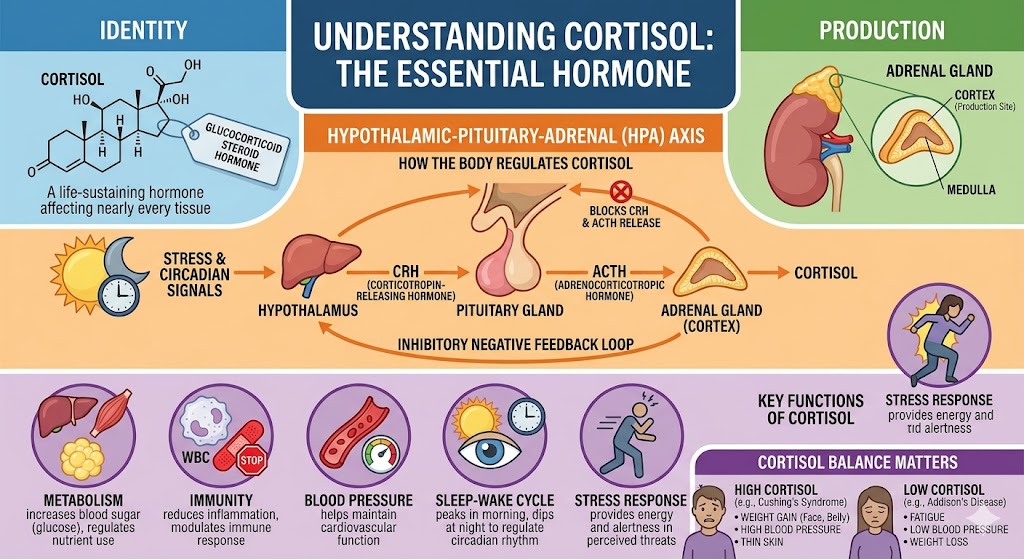
With Cortisol, also known as hydrocortisone, being a hormone, a steroid, and a glucocorticoid produced by your adrenal glands, your body relies on it to regulate metabolism, immune response, and stress. Imbalances—whether high or low—can trigger distinct symptoms and lead to serious complications if left unaddressed. You can manage levels naturally through targeted lifestyle and dietary choices.
Key Takeaways:
- Cortisol is a steroid hormone produced by the adrenal glands, playing a central role in regulating metabolism, immune response, blood pressure, and the body’s reaction to stress.
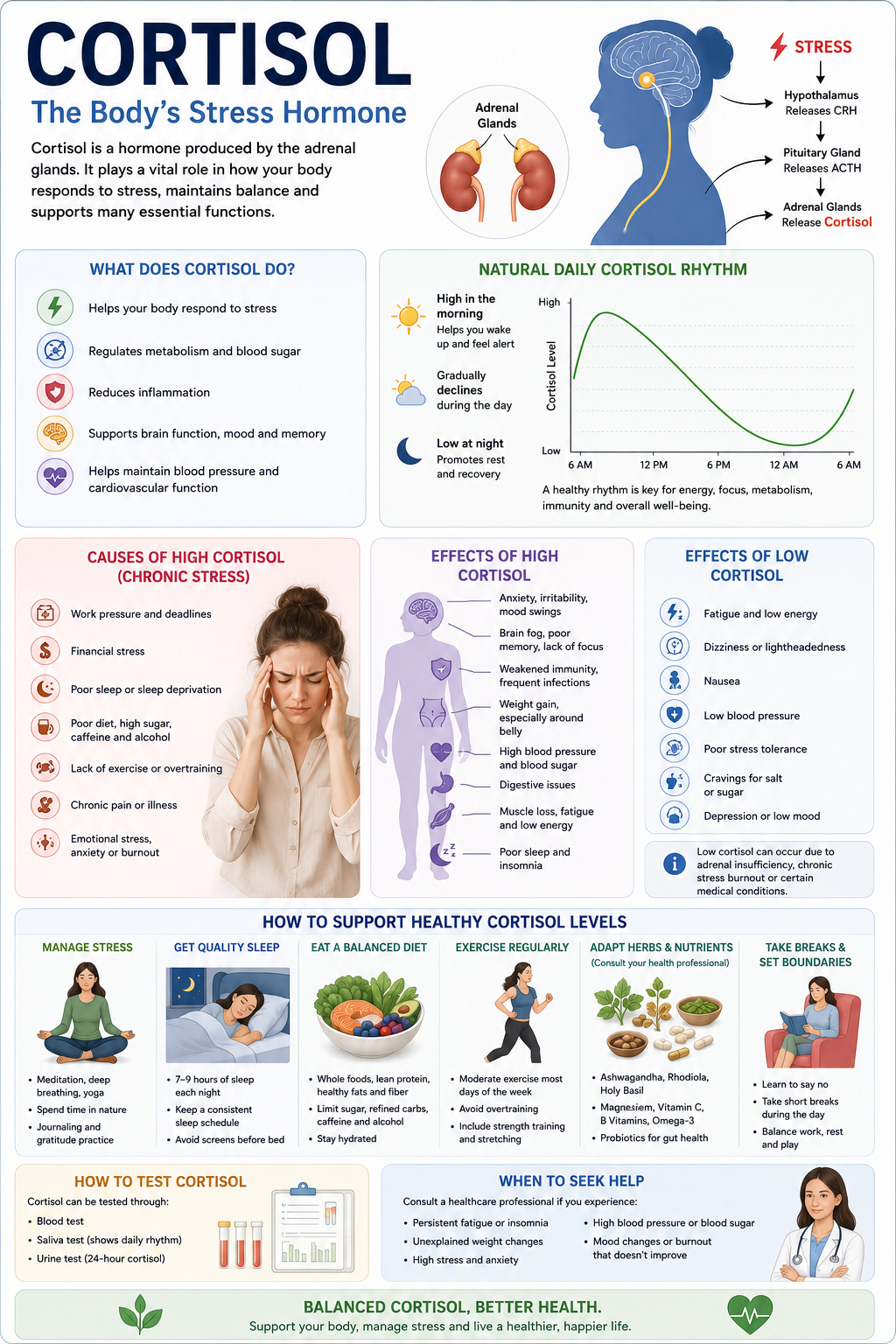
- High cortisol levels can result from chronic stress, Cushing’s syndrome, certain medications like corticosteroids, or tumors affecting hydrocortisone production, leading to symptoms such as weight gain (especially around the abdomen), high blood pressure, mood swings, insomnia, and elevated blood sugar.
- Low cortisol levels are often linked to Addison’s disease or adrenal insufficiency, where the adrenal glands fail to produce enough hormones, causing fatigue, muscle weakness, low blood pressure, dizziness, and darkening of the skin.
- Normal cortisol levels fluctuate throughout the day, peaking in the morning upon waking and gradually declining by night, following the body’s circadian rhythm.
- Diet and lifestyle choices significantly influence hydrocortisone balance—regular physical activity, sufficient sleep, stress reduction techniques like mindfulness or deep breathing, and avoiding excessive caffeine can help maintain healthy levels.
- Foods that support balanced cortisol include those rich in omega-3 fatty acids, magnesium, and vitamin C, such as fatty fish, leafy greens, avocados, and berries, while highly processed foods and excess sugar may worsen imbalances.
- Testing cortisol levels through blood, saliva, or urine samples can help diagnose abnormalities, and treatment focuses on addressing underlying causes, whether through medication, lifestyle changes, or psychological support.

Physiological Role and Baseline Hydrocortisone Levels
Hydrocortisone, a steroid hormone produced by the adrenal glands, plays a central role in regulating metabolism, immune response, and stress adaptation. Your body relies on this hormone to maintain homeostasis, particularly during physical or emotional challenges. It influences blood sugar levels, suppresses inflammation, and helps regulate blood pressure, ensuring your systems function efficiently throughout the day.
Daily cortisol secretion follows a distinct circadian rhythm, with levels peaking in the early morning—typically between 6 and 8 a.m.—and gradually declining through the evening. This natural fluctuation supports wakefulness upon rising and promotes rest as nighttime approaches. Disruptions to this pattern, such as those caused by shift work or chronic stress, can impair sleep and metabolic function.
Normal cortisol levels vary depending on the time of day and the testing method used. In a standard blood test, morning hydrocortisone levels usually range between 10 and 20 micrograms per deciliter (mcg/dL). Values outside this range may signal adrenal dysfunction, such as Addison’s disease or Cushing’s syndrome, requiring further clinical evaluation.
Primary functions and physiological effects of hydrocortisone
Your body uses cortisol to mobilize energy during stressful situations by increasing glucose availability in the bloodstream. It achieves this effect by stimulating gluconeogenesis in the liver and reducing glucose uptake in non-crucial tissues. This ensures your brain and muscles have immediate fuel during fight-or-flight responses.
Cortisol actively modulates your immune system by suppressing inflammatory pathways and limiting excessive immune activity. While beneficial in acute scenarios, prolonged elevation can reduce your ability to fight infections and delay wound healing. This dual role makes balanced cortisol crucial for long-term immune resilience.
Another key effect of hydrocortisone is its influence on blood pressure regulation through enhanced sensitivity to catecholamines like adrenaline. It also assists in maintaining fluid balance by interacting with mineralocorticoid receptors. These combined actions support cardiovascular stability, especially under physical strain or dehydration.
Defining and monitoring normal cortisol levels
Normal cortisol levels are defined by both circadian timing and testing medium—whether blood, saliva, or urine. A morning hydrocortisone level measured in serum of 10-20 mcg/dL is considered typical, while evening levels should be below 5 mcg/dL. These benchmarks help clinicians assess adrenal function accurately.
Salivary cortisol testing is often used to evaluate nighttime levels, particularly in diagnosing Cushing’s syndrome, where levels remain elevated instead of dropping. The late-night salivary cortisol test is non-invasive and highly specific, making it a preferred screening tool. Urinary free cortisol over 24 hours, normally less than 50 mcg, provides another diagnostic avenue.
Interpretation of results must consider external factors like stress, illness, pregnancy, and medications such as oral contraceptives or glucocorticoids. These variables can alter cortisol measurements without indicating true adrenal disease. Accurate assessment requires clinical correlation and sometimes repeat testing.
Monitoring hydrocortisone over time provides insight into adrenal health and stress adaptation. Repeated measurements across different times of day can reveal abnormal patterns, such as flattened diurnal curves or nocturnal hypercortisolism. These findings guide diagnosis and inform personalized management strategies for hormonal balance.
Pathophysiology of High Cortisol Levels
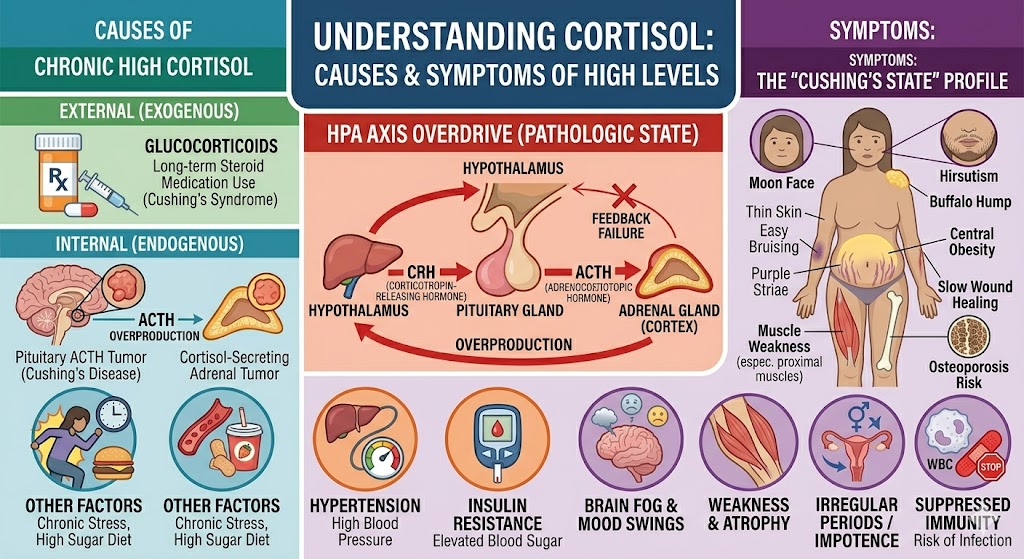
Cortisol overproduction often stems from dysregulation in the hypothalamic-pituitary-adrenal (HPA) axis, where prolonged stress or medical conditions disrupt normal feedback mechanisms. When your body is exposed to chronic stress, the hypothalamus releases corticotropin-releasing hormone (CRH), signaling the pituitary to secrete adrenocorticotropic hormone (ACTH), which then stimulates the adrenal glands to produce excess cortisol. This cascade, when unregulated, leads to sustained high cortisol levels, impairing metabolic, immune, and neurological functions over time.
Your adrenal glands may also overproduce cortisol due to benign tumors, such as those in Cushing’s syndrome, or from long-term use of glucocorticoid medications, such as prednisone. Elevated cortisol interferes with insulin activity, promotes fat deposition—especially in the abdomen—and suppresses the immune response, increasing susceptibility to infections. These physiological disruptions contribute to a cascade of systemic effects that compromise overall health if left unaddressed.
Chronic elevation of hydrocortisone alters neurotransmitter balance, affecting mood regulation and cognitive performance. You may experience anxiety, depression, or brain fog as cortisol impacts the hippocampus and prefrontal cortex. This hormonal imbalance also disrupts sleep architecture, reducing restorative deep sleep and perpetuating a cycle of fatigue and stress sensitivity.
Identifying Causes of High Cortisol
One primary cause of high cortisol is Cushing’s syndrome, which affects approximately 10 to 15 people per million annually and results from either adrenal tumors or excessive ACTH production. You might develop this condition due to a pituitary adenoma, known as Cushing’s disease, which accounts for about 70% of endogenous cases. These tumors prompt the adrenal glands to produce cortisol uncontrollably, bypassing normal regulatory signals.
Long-term use of corticosteroid medications for conditions like asthma, rheumatoid arthritis, or lupus is another common cause. Drugs like prednisone or dexamethasone mimic cortisol and can suppress the HPA axis or induce cortisol-like effects when taken for weeks or months. Your risk increases with higher doses and prolonged treatment duration, making medical supervision imperative during therapy.
Chronic stress—emotional, physical, or psychological—also plays a significant role in elevating cortisol. When you face persistent stressors, your body remains in a constant state of alert, leading to sustained cortisol secretion. This non-tumor-related form of hypercortisolism, sometimes called pseudo-Cushing’s state, can mimic true Cushing’s syndrome and requires careful differential diagnosis.
Common Symptoms of High Cortisol Levels
Weight gain, particularly around the abdomen and face, is one of the most recognizable signs of high cortisol. You may notice a rounded “moon face”; a fatty hump between the shoulders (buffalo hump); and thinning arms and legs despite an overall weight increase. These changes occur because cortisol promotes fat redistribution and muscle breakdown, altering your body composition over time.
Skin changes are also common, including easy bruising, purple stretch marks (striae), and slow wound healing. High cortisol weakens collagen and thins the skin, making it more fragile. You might also experience acne or increased facial hair, especially in women, due to hormonal imbalances triggered by excess cortisol.
Mood disturbances such as irritability, anxiety, and depression frequently accompany elevated cortisol. You may struggle with concentration, memory lapses, or insomnia, as cortisol disrupts normal sleep-wake cycles and brain function. These symptoms, combined with fatigue and muscle weakness, significantly impact daily life and well-being.
Recognizing these symptoms early improves the likelihood of timely diagnosis and intervention. Since many signs overlap with other conditions, healthcare providers often use tests like the 24-hour urinary free cortisol, late-night salivary cortisol, or dexamethasone suppression test to confirm hypercortisolism. Identifying whether the cause is exogenous (like medication) or endogenous (like a tumor) guides appropriate treatment, which may include medication adjustment, surgery, or stress management strategies tailored to your specific case.
Clinical Presentation of Low Cortisol Levels
Low cortisol levels result from underlying causes and present with specific symptoms, often developing gradually and mimicking other conditions. Your body relies on cortisol to regulate metabolism, blood pressure, and immune response, so when levels drop, multiple systems are affected. Primary adrenal insufficiency, also known as Addison’s disease, is one major cause, affecting about 1 in 100,000 people annually, often due to autoimmune destruction of the adrenal glands.
Secondary adrenal insufficiency occurs when the pituitary gland fails to produce enough ACTH, which normally signals cortisol release. This form is more common and can follow prolonged use of exogenous glucocorticoids, such as prednisone, which suppresses your body’s natural hormone production. Cases have been documented after just a few weeks of steroid therapy, especially at doses exceeding 20 mg of prednisone per day for over three weeks.
Without adequate cortisol, you may experience chronic fatigue, unexplained weight loss, and low blood pressure that worsens when standing. These symptoms reflect your body’s diminished stress response and impaired glucose regulation. Recognizing the pattern early is key, as untreated low cortisol can lead to an adrenal crisis—a life-threatening event marked by shock, severe vomiting, and loss of consciousness. 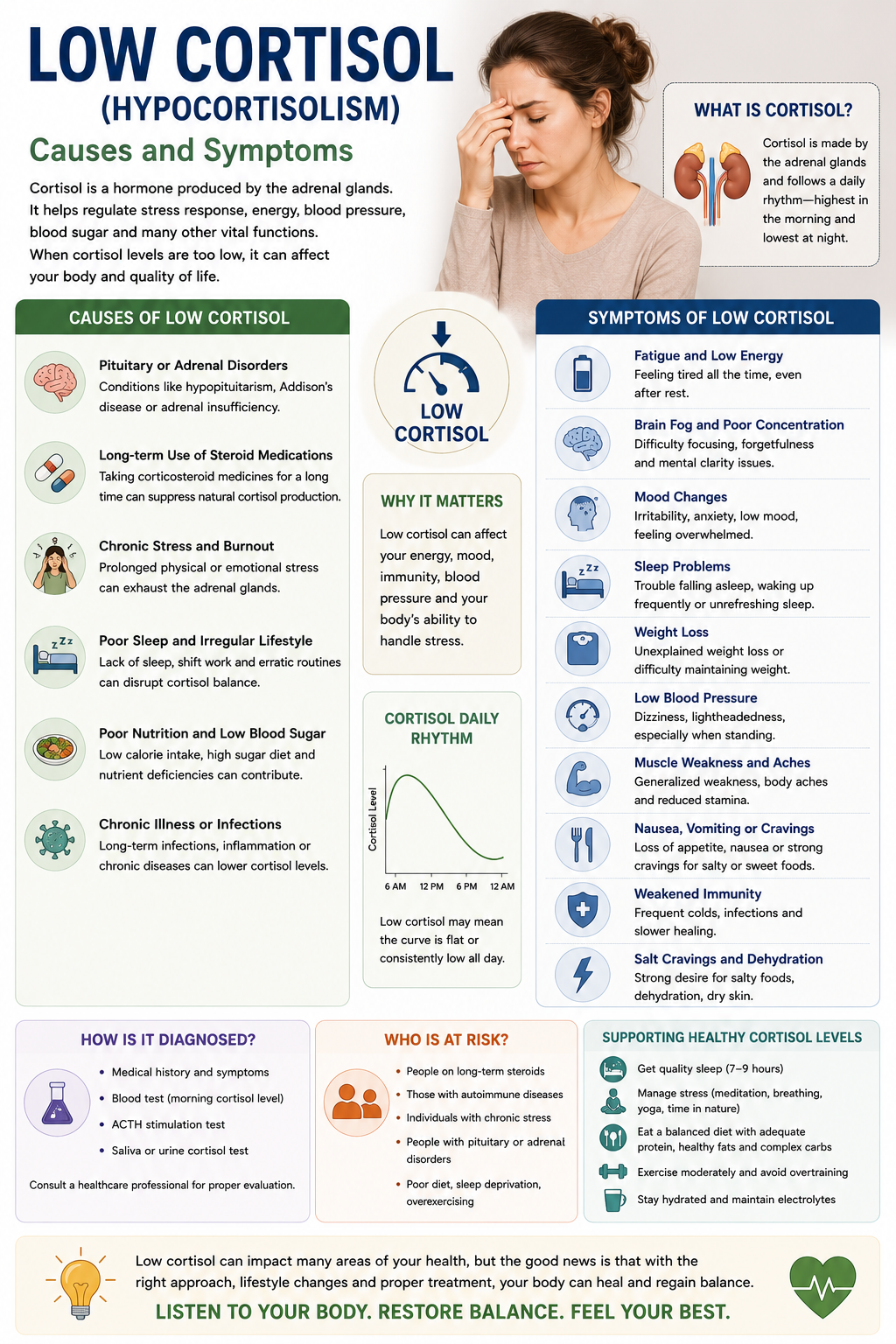
Understanding the causes of low hydrocortisone
Autoimmune adrenalitis accounts for up to 80% of Addison’s disease cases in developed countries, where your immune system mistakenly attacks adrenal tissue. Thomas Addison first described this condition in 1855, and it remains a leading cause of primary adrenal insufficiency. Infections like tuberculosis can also damage the glands, responsible for nearly 20% of cases globally, especially in regions with high TB prevalence.
Tumors, hemorrhages, or genetic disorders such as adrenoleukodystrophy may disrupt adrenal function, though these are less common. You might also develop low
hydrocortisone
after surgical removal of both adrenal glands or due to metastatic cancer, such as lung or breast cancer, that spreads to the glands. Each of these causes directly impairs cortisol synthesis or gland integrity.
On the pituitary side, trauma, tumors like non-functioning adenomas, or radiation therapy can reduce ACTH production. Sheehan’s syndrome, a rare postpartum condition involving pituitary necrosis after severe bleeding, is another recognized cause. If you’ve had brain surgery or head injury, your doctor should evaluate adrenal function, as deficiencies may emerge months or years later.
Recognizing symptoms of low cortisol levels
Chronic fatigue is often the first sign you notice, persisting despite adequate rest and interfering with daily activities. You may also experience unintentional weight loss—sometimes exceeding 10 pounds over several months—along with muscle weakness and joint pain. These reflect your body’s struggle to maintain energy and repair tissues without sufficient cortisol.
Low blood pressure, especially upon standing (orthostatic hypotension), is common, leading to dizziness or fainting. You might crave salty foods due to impaired sodium retention, a hallmark of adrenal insufficiency. Gastrointestinal symptoms like nausea, vomiting, and abdominal pain can mimic other digestive disorders, delaying diagnosis.
In primary adrenal insufficiency, hyperpigmentation of the skin, especially in sun-exposed areas, scars, or mucous membranes, happens because elevated ACTH stimulates melanocytes. If you notice darkening of your knuckles, gums, or inner cheek, this finding could be a key clinical clue. Recognizing this triad—fatigue, hypotension, and pigmentation—can prompt timely testing.
Symptoms of low cortisol often overlap with chronic stress or depression, making diagnosis challenging. However, unlike general fatigue, adrenal-related exhaustion worsens with physical strain or illness. You may observe that minor infections trigger disproportionate weakness or that recovery from routine procedures is unusually slow. Blood tests measuring morning cortisol and ACTH levels are crucial for confirmation, and morning values below 3 mcg/dL strongly suggest insufficiency. Early recognition prevents progression to adrenal crisis, a medical emergency with a mortality rate exceeding 5% if untreated.
Natural Protocols for Balancing Cortisol
Balancing cortisol begins with recognizing your body’s signals and responding with intentional lifestyle choices. When hydrocortisone runs high due to chronic stress, techniques like diaphragmatic breathing for 10 minutes daily can reduce levels significantly—studies show up to a 20% drop in cortisol after consistent practice. Mindfulness meditation, practiced for 15-20 minutes each day, has been linked to lower cortisol output, especially in individuals with elevated baseline levels. For those with low cortisol, often seen in adrenal fatigue or burnout, gentle stimulation through morning sunlight exposure within 30 minutes of waking helps reset the HPA axis. Physical activity plays a dual role: moderate walking lowers cortisol, while overtraining spikes it, so balance is key.
Natural techniques to lower or increase cortisol
Deep rhythmic breathing at a rate of six breaths per minute for 10 minutes daily has been clinically shown to reduce cortisol by modulating the autonomic nervous system. Yoga and tai chi, practiced three times weekly, support cortisol regulation by combining movement, breath, and mental focus. Research from 2021 found that participants lowered hydrocortisone by 15% after eight weeks. Laughter therapy and social connection also play measurable roles; a 2017 study noted a 10% cortisol reduction after shared laughter sessions. Conversely, if cortisol is too low, short bursts of high-intensity exercise, such as 20-second sprints, can stimulate adrenal activity. Cold exposure, such as 30-second cold showers, may also boost cortisol temporarily when levels are chronically low, helping restore circadian rhythm.
Nutritional approaches to cortisol management
What you eat directly influences cortisol production and clearance. Consuming a breakfast rich in protein and healthy fats—such as eggs, avocado, and nuts—stabilizes blood sugar and supports a healthy morning cortisol spike. Magnesium, found in spinach, pumpkin seeds, and dark chocolate (at least 70% cocoa), helps regulate cortisol, with studies showing 400 mg daily reduces levels in stressed adults. Omega-3 fatty acids from fatty fish like salmon or flaxseeds lower cortisol by up to 20% when consumed regularly. Avoiding refined sugars and processed carbs prevents hydrocortisone surges, while adaptogenic herbs like ashwagandha (500 mg daily) have demonstrated cortisol-lowering effects in clinical trials, including a 28% reduction over eight weeks.
Building on nutritional strategies, timing and consistency matter just as much as food choices. Eating meals at regular intervals prevents blood sugar dips that trigger cortisol release. Vitamin C-rich foods, such as bell peppers and citrus fruits, support adrenal function; research shows that consuming 1,000 mg of vitamin C daily can lower cortisol during stress. Fermented foods such as kimchi and kefir improve gut health, which supports HPA axis regulation. Pairing these dietary habits with mindful eating enhances their impact, creating a sustainable foundation for balanced hydrocortisone.
Acupuncture for Cortisol Balancing
Acupuncture helps balance cortisol by regulating the hypothalamic-pituitary-adrenal (HPA) axis, the body’s primary stress command center. By stimulating specific nerve pathways, it reduces the release of cortisol, helps the body move out of “fight-or-flight” mode, and promotes the parasympathetic (“rest and digest”) state.
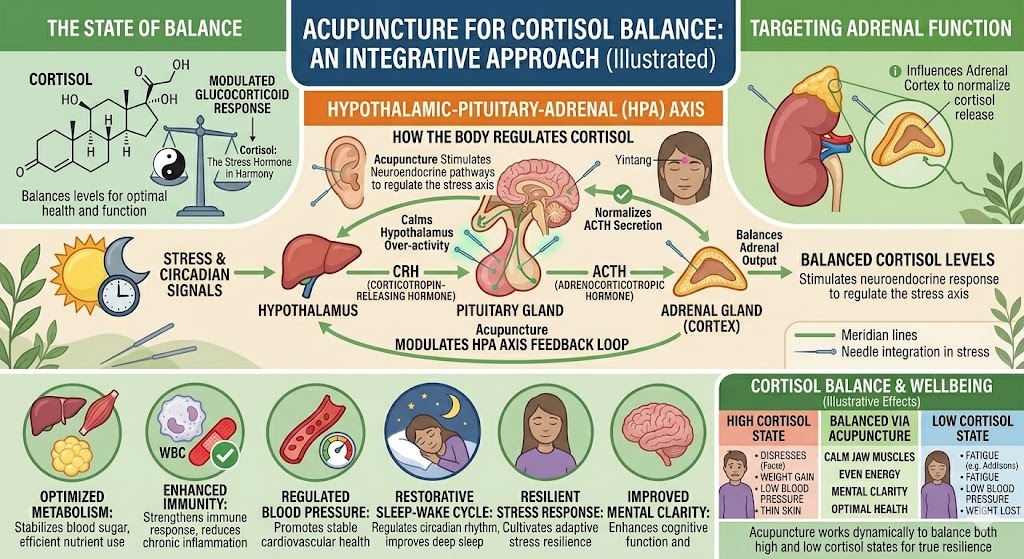
The effects of acupuncture on lowering stress and modulating the neurological system are well known. According to research, acupuncture can promote the parasympathetic “rest and digest” state, lower the body’s stress response, and stabilize cortisol levels.
1. Controls Stress Hormones
When cortisol levels are excessively high, acupuncture helps limit their release; when they are too low, it promotes healthy production. This balancing impact restores natural daily cortisol rhythms, allowing the body to unwind and perform at its best.
2. Promotes Adrenal Function
Acupuncture lessens the long-term stress on the adrenal glands by enhancing circulation, lowering inflammation, and soothing the sympathetic nervous system. They are able to heal and make hormones more effectively as a result.
3. Enhances Sleep Quality
After just a few sessions, many people report better sleep. Restoring natural circadian clocks and significantly lowering hydrocortisone dysregulation are two benefits of improved sleep.
4. Lessens Emotional Stress and Anxiety
Acupuncture stimulates the release of endorphins and fosters relaxation. After therapy, patients often report feeling lighter, happier, and more rooted.
5. Boosts Mental Clarity and Energy
Fatigue and mental fog start to go away after hydrocortisone levels regulate. People feel more focused, competent, and productive.
6. Easily Combines with Chinese Herbal Medicine
Victor Tsan and his team frequently use individualized herbal compositions that support the kidneys, replenish adrenal Qi, and control the body’s stress response. This combo can greatly accelerate healing.
Homeopathic Management for Cortisol Level
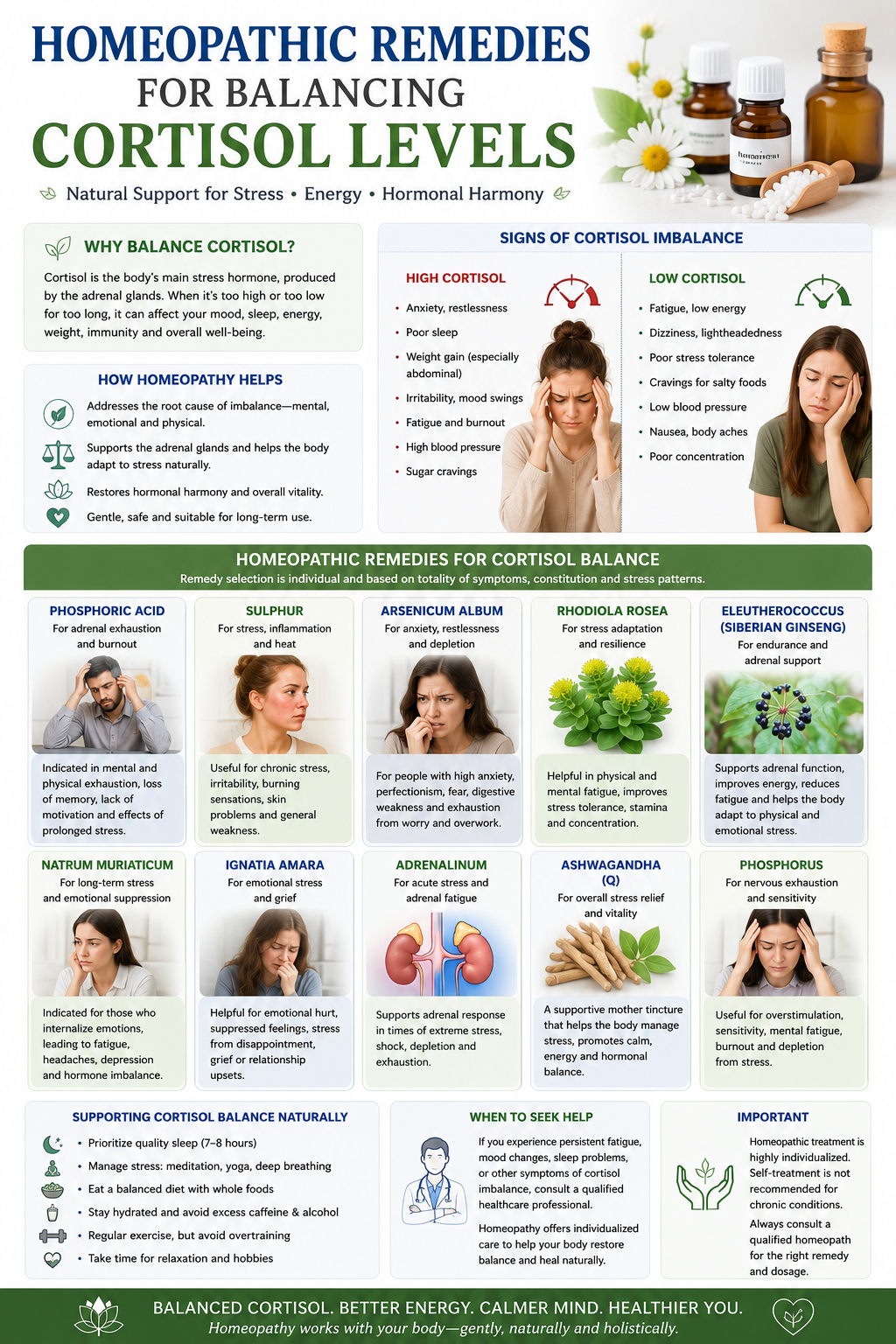
- Kali Phosphoricum (Kali Phos): This remedy is a common treatment for mental exhaustion, burnout, nervousness, and sensitivity to light or noise that comes from stress.
- Ignatia Amara: Recommended if the root cause of the stress is emotional, such as silent grief, disappointment, or sudden loss, resulting in mood swings and sighing.
- Nux Vomica: Indicated for fatigue paired with high irritability, impatience, and the use of stimulants (like coffee) to manage daily functioning through the day.
- Arsenicum Album: Used for deep restlessness, physical fatigue, anxiety, and a tendency to feel chilly.
- What specific symptoms are you experiencing (e.g., anxiety, sleep issues, racing thoughts, midday crashes)?
- Are you looking into homeopathy, or are you also open to herbal or dietary recommendations?
- Have you had your cortisol levels checked (e.g., via a 4-point saliva test) or spoken to an endocrinologist about your concerns?
To wrap up
To wrap up, you now understand that cortisol is a hormone produced by your adrenal glands in response to stress, and its balance is critical to maintaining energy, mood, immune function, and metabolism. High cortisol levels, often caused by chronic stress, poor sleep, or certain medical conditions like Cushing’s syndrome, can lead to weight gain, anxiety, high blood pressure, and insulin resistance. On the other hand, low cortisol, seen in Addison’s disease, may result in fatigue, low blood pressure, and muscle weakness. Recognizing symptoms early—such as persistent tiredness, mood swings, or unexplained weight changes—allows you to take timely action.
Your daily habits play a major role in regulating cortisol. Prioritize consistent sleep patterns, aiming for 7-9 hours each night, and engage in regular physical activity, such as walking or yoga, which studies show can reduce hydrocortisone by up to 29%. Mindfulness practices, including deep breathing and meditation, have demonstrated measurable effects in lowering cortisol within just a few weeks. Limiting caffeine after noon and avoiding excessive alcohol also supports hormonal balance.
You are responsible for monitoring how stress affects your body and making sustainable lifestyle adjustments. Routine blood or saliva tests can track your cortisol levels if you suspect imbalances. By staying informed and proactive, you protect your long-term health from the complications of unchecked cortisol fluctuations.
FAQ

Q: What is cortisol?
A: Cortisol, also known as hydrocortisone, is a hormone produced by the adrenal glands, which sit on top of the kidneys. It plays a central role in how the body responds to stress, regulates metabolism, maintains blood pressure, and controls the sleep-wake cycle. Levels of cortisol naturally rise and fall throughout the day, typically peaking in the morning upon waking and declining at night.
Q: Is hydrocortisone a steroid and a glucocorticoid?
A: Yes, cortisol/hydrocortisone is a steroid hormone and specifically classified as a glucocorticoid. It is synthesized from cholesterol and helps regulate glucose metabolism, immune responses, and inflammation. As a glucocorticoid, it influences how the body uses fats, proteins, and carbohydrates for energy.
Q: What are normal cortisol levels and how do they vary?
A: Normal cortisol levels depend on the time of day. In adults, a typical morning level ranges from 10 to 20 micrograms per deciliter (mcg/dL), dropping to less than 5 mcg/dL by evening. Testing is often done through blood, saliva, or urine. Levels fluctuate due to stress, illness, sleep patterns, and certain medications, so a single test may not always reflect long-term status.
Q: What causes high cortisol levels and what are the symptoms?
A: High hydrocortisone levels can result from chronic stress, Cushing’s syndrome, adrenal tumors, or long-term use of corticosteroid medications. Symptoms include weight gain—especially around the abdomen and face—thin skin that bruises easily, muscle weakness, high blood pressure, acne, and mood changes like anxiety or irritability. Women may experience irregular periods, while both sexes can have low libido.
Q: What causes low cortisol levels and what do they feel like?
A: Low cortisol levels are often linked to Addison’s disease, adrenal insufficiency, or damage to the adrenal or pituitary glands. Symptoms include constant fatigue, unexplained weight loss, low blood pressure, salt cravings, nausea, muscle aches, and darkening of the skin in certain areas. Episodes can worsen during physical stress, such as injury or infection, leading to an adrenal crisis.
Q: How can you lower cortisol naturally?
A: Cortisol can be lowered through consistent sleep habits, regular physical activity like walking or yoga, and mindfulness practices such as deep breathing or meditation. Reducing caffeine intake, avoiding excessive alcohol, and maintaining strong social connections also help. Spending time in nature and engaging in hobbies that reduce mental strain support long-term balance.
Q: What foods and lifestyle habits help balance cortisol levels?
A: A diet rich in whole grains, leafy greens, fatty fish, nuts, and fresh fruits supports stable cortisol. Foods high in vitamin C, magnesium, and omega-3 fatty acids are especially beneficial Eating regular meals prevents blood sugar drops that trigger hydrocortisone release. Staying hydrated, limiting processed sugars, and managing work-life boundaries also contribute to hormonal balance without relying on medication.
Cortisol Management at the Philadelphia Holistic Clinic
You must seek treatment immediately to avoid deadly consequences if you suffer from cortisol imbalance. Generally, medications, synthetic hormones, and, in some cases, chemotherapy can be used for treatment. However, these treatments can be overly aggressive, lead to side effects, and even complicate the condition. Holistic medicine offers an alternative and effective treatment for both high and low cortisol levels. It works wonderfully for various endocrine disorders and causes no or minimal side effects. Not only can they treat the existing condition, but they can prevent endocrine disorders from developing in the future as well.
All holistic medicine techniques used in holistic endocrinology are available at the Philadelphia Holistic Clinic and provided by the best specialists.
Contact our clinic at (267) 403-3085 to schedule your appointment for a holistic, comprehensive evaluation with Victor Tsan and discuss your further treatment. You can also book an appointment online.