Heart Palpitations
Heart palpitations, often felt in the chest, throat, and neck, are sensations of a racing, pounding, or fluttering heart. They may have heart palpitations, skip beats, or irregular heartbeats. While mostly harmless, they might occasionally suggest a more serious medical problem. Most people experience heart palpitations as a sudden awareness of their heartbeat, often feeling like it’s racing, pounding, or fluttering. If you notice unusual heart rhythms or sensations, it’s important to understand what might be causing them and how they manifest. This guide will help you identify common symptoms, explore potential triggers—from stress to hormonal changes—and review both Western medical approaches and holistic treatments that you can consider to manage and reduce your palpitations effectively.
Key Takeaways:
- The chest, throat, or neck can experience heart palpitations, which are sensations of a rapid, fluttering, or pounding heartbeat.
- They may be triggered by various factors, including stress, anxiety, hormonal changes (such as menopause or postpartum), certain foods like dark chocolate, and medical conditions like sleep apnea.
- Common accompanying symptoms include dizziness, shortness of breath, fatigue, burping, and palpitations occurring at different times, such as at night or all day.
- Emotional triggers like stress, anxiety, and sexual excitement can lead to palpitations, as can physical positions like lying on the left side.
- Western approaches to managing heart palpitations often focus on treating underlying causes, medications, and lifestyle modifications.
- Natural and holistic methods for reducing palpitations include stress reduction techniques, acupuncture, homeopathy, dietary changes, and maintaining excellent sleep hygiene.
- If palpitations are frequent, persistent, or accompanied by severe symptoms, medical evaluation is advised to rule out serious cardiac conditions.
Understanding Heart Palpitations

What are heart palpitations?
Your heart is responsible for pumping blood throughout your body, and its rhythm is typically steady and regular. However, sometimes you may notice an unusual sensation related to your heartbeat, known as heart palpitations. Could you please clarify what heart palpitations are? They are feelings or sensations that make you aware of your heartbeat in an unusual way. These sensations may feel like your heart is pounding, racing, fluttering, or even skipping beats. Importantly, they are often noticed when you are at rest or lying down, during moments of heightened stress, or even for no apparent reason at all.
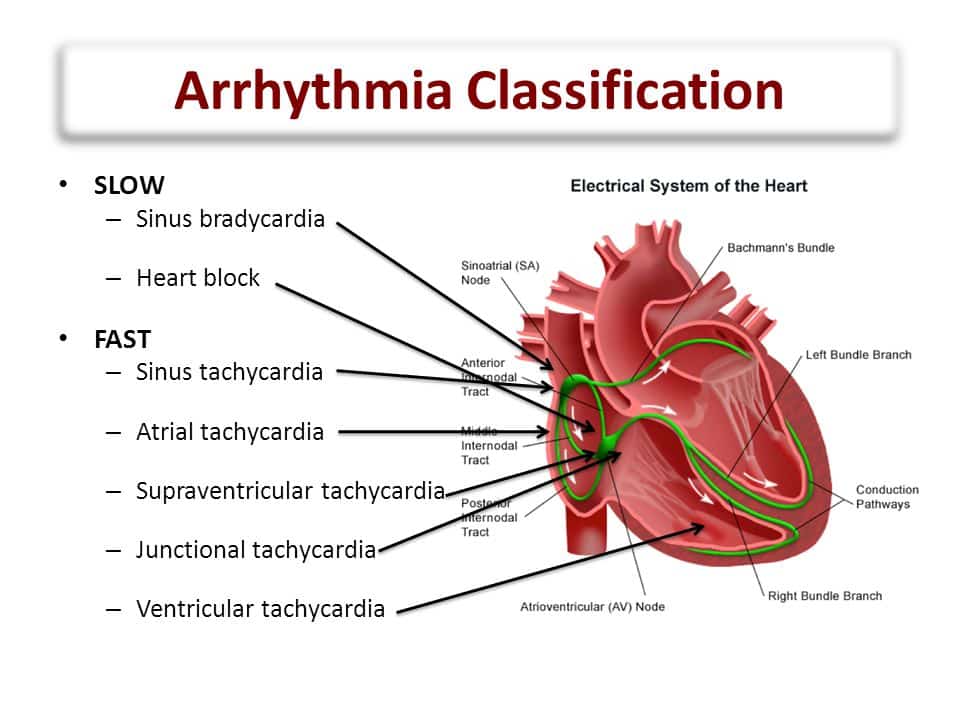
Heart palpitations occur when the electrical signals that control your heartbeat are disrupted or altered temporarily. This process can lead to your heart beating too fast, too slow, or irregularly. In some cases, palpitations are harmless and related to common triggers such as stress, caffeine intake, or hormonal changes. However, they can also be symptoms of underlying conditions affecting your heart’s rhythm or structure, which is why paying attention to these sensations is important for your overall heart health.
While palpitations might feel alarming, especially if they happen suddenly, it’s helpful to understand that many people experience them occasionally throughout their lives. Your body’s response to factors like anxiety, hormonal fluctuations during menopause or postpartum periods, and lifestyle habits such as consuming dark chocolate can all contribute to these sensations. When palpitations become frequent, persistent, or are accompanied by other symptoms, it may indicate the need for professional evaluation to rule out more serious cardiac issues.
What Do Heart Palpitations Feel Like?
Palpitations are often described as sensations that disrupt your usual awareness of your heartbeat. You might feel your heart pounding heavily in your chest, racing faster than normal, or experiencing irregular beats that can feel like fluttering or skipped beats. Occasionally, this sensation may extend to your throat or neck, making you acutely aware of each beat. The intensity can vary; you may notice occasional palpitations for just a few seconds, or you might feel them persistently through the day or night.
Many people report that heart palpitations can be frightening, especially when they occur unexpectedly or last a long time. For instance, you might notice them more prominently when lying down on your left side or during episodes of anxiety and excitement. Other times, palpitations may coincide with additional symptoms like dizziness, shortness of breath, or fatigue, which can make the experience more unsettling. These sensations can also appear at night, disrupting your sleep and leaving you feeling uneasy upon waking.
It is also important to acknowledge that different triggers may influence how palpitations feel. For example, you might experience heart palpitations when you are sexually excited or after moments of burping or intense physical exertion. Sleep disorders like sleep apnea are known to be associated with palpitations as well. Understanding the nuances of your palpitations’ sensations and when they occur can provide valuable insights when you discuss them with your healthcare provider.
This variability in how palpitations feel means you should pay close attention to the distinct sensations your body is communicating. Some palpitations might be subtle and fleeting, while others can be persistent and cause noticeable discomfort. By observing whether these sensations happen during stress, hormonal changes such as menopause or postpartum, or even when consuming certain foods like dark chocolate, you can start identifying potential personal triggers. This information is key in managing your symptoms effectively and seeking appropriate care if needed.
Types of Irregular Heartbeat
Variations from a normal, healthy heart rate are characterized by a wide range of symptoms. While some cases of arrhythmia are inherited, others might develop as a result of physical stress, illness, or simply getting older.
- Atrial Flutter: Rapid electrical impulses in the atria cause atrial flutter, an ordered, rhythmic increase in heart rate.
- Atrial fibrillation: In addition to being caused by increased electrical impulses in the atria that occur in a chaotic and arrhythmic manner, atrial fibrillation (also known as AFib or AF) is a condition that causes a rapid heart rate. A condition known as fibrillation is characterized by the rapid and erratic movement of muscles. During an episode of atrial fibrillation, the upper chambers of the heart twitch often. There is a correlation between this disease and stroke. Patients who are critically ill, typically in the intensive care unit, are more likely to experience a condition known as atrial fibrillation with rapid ventricular response (RVR), which happens when the atrial fibrillation causes the ventricles to beat more quickly.
- Ventricular fibrillation: Ventricular fibrillation is characterized by rapid impulses in the ventricles, which are the lowest chambers of the heart. This condition results in inefficient blood circulation throughout the body.
- Supraventricular tachycardia: When we discuss supraventricular tachycardia, we are referring to the types of arrhythmia that originate in the atria (which are located above the ventricles) and give rise to brief periods of increased heart rate.
- Ventricular Tachycardia: A condition known as ventricular tachycardia is characterized by a rapid but consistent heart rhythm that prevents the ventricles from filling with as much blood as they normally would.
- Sick sinus syndrome: A sick sinus syndrome is a condition that occurs when the sinus node is dysfunctional and can sometimes produce a rapid heart rate, while other times it can induce a slow heart rate. This condition is more prevalent in those who are older.
- Long QT syndrome: People who have a specific genetic mutation that causes rapid heartbeat and fainting episodes are said to have long QT syndrome.
- Wolff-Parkinson-White syndrome: Wolff-Parkinson-White syndrome is a condition in which individuals are born with an additional electrical pathway, leading to abnormal or excessive signaling.
- Conduction block: Conduction block refers to an interruption in the electrical pathways, which may lead to a decreased heart rate.
- Premature ventricular contraction (PVC): Premature ventricular contractions occur when an additional heartbeat arises from the ventricles instead of the atria. It may present as a “skipped” beat or a sensation of the heart pounding or jumping in the chest; however, it is essentially an additional heartbeat. This phenomenon may occur intermittently as a result of stimulant drugs such as caffeine or nicotine, as well as other medications including decongestants or antihistamines. Heart disease may also result in scarring within the ventricles or the structural components of the heart that facilitate the conduction of electrical impulses.
Causes of Heart Palpitations
Even if you are generally healthy, you might experience heart palpitations from time to time. These are sensations where you feel like your heart is pounding, racing, fluttering, or skipping beats. The causes of heart palpitations vary widely, ranging from physical health issues to emotional triggers and lifestyle habits. Understanding the origin of your palpitations can help you better manage, prevent, or seek appropriate medical care for them. Whether triggered by a temporary factor or an underlying condition, heart palpitations warrant attention to detail when assessing their cause.
Physical factors often play a significant role in the onset of heart palpitations. Certain medical conditions, such as arrhythmias—which are irregular heartbeats—can cause your heart to beat too fast, too slow, or erratically. Other physical causes include thyroid disorders, anemia, dehydration, and electrolyte imbalances. You may also notice palpitations during or after exercise, when your body demands more oxygen and your heart rate naturally increases. In some cases, sleep apnea—an interruption in breathing during sleep—can also trigger heart palpitations, especially during the night when breathing patterns are irregular.
Medications and certain substances can also cause palpitations. If you consume stimulants such as caffeine, nicotine, or even dark chocolate in excess, you might experience irregular heartbeats. Hormonal changes are another physical trigger; for instance, postpartum heart palpitations are common as your body adjusts after pregnancy. Similarly, many women experience palpitations during menopause due to fluctuating hormone levels. Physical posture also plays a part—lying on your left side can sometimes make you more aware of your heartbeat or even induce palpitations.
Physical Causes
Heart palpitations often arise from conditions that directly affect your heart or the body’s overall physiological state. Common culprits include arrhythmias, where the heart’s electrical system experiences disruptions, causing irregular beats that you can feel. You may also encounter palpitations when you have an overactive thyroid gland (hyperthyroidism), which raises your metabolism and heart rate. Additionally, deficiencies such as anemia reduce oxygen delivery to your tissues, prompting your heart to beat faster to compensate.
External factors like dehydration or imbalances in electrolytes—such as potassium, calcium, and magnesium—can impact your heart’s rhythm. These electrolytes are crucial for muscle function, including your heart muscle. Any disruption here can lead to palpitations. You may notice these effects after extensive exercise or during illnesses that cause vomiting or diarrhea. Furthermore, sleep apnea, characterized by interrupted breathing during sleep, often leads to nighttime palpitations due to oxygen fluctuations.
Physical sensations can also make you more aware of your heartbeat. This heightened awareness could be linked to specific body positions, such as lying on your left side, which places the heart closer to the chest wall. This position can accentuate the feeling of palpitations even in the absence of an underlying heart problem. Understand that postpartum women often experience palpitations because of the rapid cardiovascular changes after giving birth. These physical changes, although sometimes unsettling, are often temporary but still require monitoring.
Emotional and Lifestyle Factors
Before venturing into the emotional and lifestyle causes, it’s important to know that the mind and body are closely interconnected, especially when it comes to your heart’s rhythm. Stress and anxiety are among the most common triggers for heart palpitations. When you feel stressed or anxious, your body releases adrenaline, a hormone that increases your heart rate and can cause palpitations. This response is your body’s natural fight-or-flight mechanism, but if it becomes frequent or intense, it may become distressing. You might also notice palpitations when you feel nervous or even sexually excited, as these situations provoke increased heart activity.
Lifestyle choices equally influence your risk of experiencing palpitations. Consuming stimulants like caffeine, often found in coffee and dark chocolate, can make your heart beat faster or irregularly. Smoking and excessive alcohol intake have similar effects. Additionally, fatigue and poor sleep quality can exacerbate the problem, contributing to episodes of palpitations during the day or night. If you have sleep apnea, your nightly breathing interruptions compound this risk, leading to increased palpitations and potential complications.
You should also consider digestive interactions; for example, some people experience palpitations accompanied by burping or indigestion, which could be linked to vagus nerve stimulation affecting your heart rhythm. To manage these emotional and lifestyle triggers, you might try
- Practicing stress reduction techniques such as mindfulness or meditation
- Limiting or avoiding stimulants like caffeine, nicotine, and dark chocolate
- Maintaining a consistent sleep schedule and addressing sleep disorders
- Engaging in regular, moderate exercise to improve cardiovascular health
Any changes you make here can reduce the frequency and intensity of your heart palpitations, complementing medical treatment if needed.
Plus, emotional and lifestyle factors can interact strongly with physical causes, creating a cycle that worsens your symptoms. For instance, anxiety might increase muscle tension and breathing irregularities, which reinforce palpitations. Continuous stress may also interfere with your sleep, and poor rest worsens fatigue and overall heart health. Being proactive about these factors by adopting healthy habits and managing emotional triggers empowers you to take control of your heart rhythm symptoms effectively. Keep in mind that holistic strategies—including acupuncture and homeopathy—are increasingly explored for their potential to balance your nervous system and reduce palpitations naturally.
- Implement stress management approaches tailored to your needs
- Adjust your diet to minimize stimulants and irritants
- Seek guidance on sleep hygiene and treat underlying sleep apnea
- Consult healthcare professionals to combine holistic and medical treatments
Any steps you take toward balancing emotional and lifestyle influences support overall heart health and help diminish troubling palpitations.
Symptoms of Heart Palpitations
Once again, understanding the symptoms of heart palpitations is important for recognizing when your heart is signaling something that needs attention. Palpitations occur when you become aware of your heartbeat in an unusual way—whether it’s pounding, fluttering, or feeling like it’s racing or skipping beats. These sensations can be unexpected, particularly if they occur during the day or even at night. You might feel as though your heart is pounding hard against your chest, throbbing irregularly, or fluttering rapidly, often making it difficult to concentrate or relax. Knowing the various manifestations of palpitations can help you identify whether what you are experiencing is simply a benign episode or something that requires medical evaluation.
Heart palpitations do not always present in the same manner for everyone. For some, the sensation might be brief, lasting just a few seconds, while others may experience prolonged episodes that can persist throughout the day or even intensify at night. You might notice irregular heartbeats when you are lying on your left side or when you are sexually excited. Additionally, certain conditions—such as stress, anxiety, menopause, postpartum changes, or even consumption of certain triggers like dark chocolate—can provoke or worsen palpitations. Some people also report accompanying symptoms like dizziness, shortness of breath, or unusual fatigue, which can affect your daily activities and your overall sense of well-being.
It is also common for palpitations to come with sensations such as a pounding feeling after burping or during episodes of sleep apnea. These symptoms might overlap with other issues, making it important for you to carefully observe the context and the presence of additional signs like chest discomfort or lightheadedness. Recognizing the diverse ways palpitations can manifest allows you to differentiate ordinary and manageable symptoms from those that may signal a more significant health problem requiring intervention.
Common Symptoms
Below, you will find the most common symptoms associated with heart palpitations that you may experience. These include a sensation of your heart pounding forcefully in your chest or a fluttering feeling as if your heart is skipping or racing. Many individuals also describe palpitations as a rapid heartbeat that fluctuates unpredictably, sometimes lasting only a few moments or an entire day. You might notice these sensations at rest, during physical activity, or even while you are lying down, particularly on your left side, when the heart’s position increases awareness of beating.
Other symptoms such as lightheadedness or dizziness may accompany palpitations, in addition to the sensations within your chest. You could feel weak or unusually energetic, especially if palpitations occur frequently or are associated with underlying conditions like anxiety or sleep apnea. Shortness of breath can also appear alongside your palpitations, which can create a sense of discomfort or unease. It’s not uncommon for palpitations to intensify during periods of stress, excitement, or hormonal changes, like those experienced during menopause or the postpartum period.
You might also notice that certain lifestyle or dietary factors trigger episodes of palpitations. For example, consuming stimulants such as caffeine or dark chocolate can lead to increased heart palpitations in some people. Many individuals with anxiety notice that palpitations worsen during episodes of heightened emotional stress. Understanding these common symptoms helps you gauge when your palpitations are likely benign and when they may need further assessment.
When to Seek Medical Attention
Symptoms that accompany palpitations can help you determine when it’s necessary to seek medical attention. If you experience heart palpitations along with chest pain, severe shortness of breath, or fainting, it’s important for you to get evaluated promptly. Persistent palpitations that last throughout the day or worsen at night should not be ignored, especially if they are accompanied by dizziness, unexplained fatigue, or an overwhelming feeling of anxiety. These symptoms could indicate a more serious cardiac issue requiring professional diagnosis and treatment.
Consultation with your healthcare provider can provide clarity if routine activities frequently trigger your palpitations or if they appear without any identifiable cause. Palpitations linked to known health issues like sleep apnea or hormonal changes during menopause and after childbirth should be checked by a doctor to make sure there are no complications and to find the right treatment. You should be aware that even if palpitations seem mild, the presence of new or worsening symptoms deserves a healthcare professional’s attention.
Some episodes may also feel alarming due to the unexpected intensification of your heartbeat during situations like sexual excitement or when lying on your left side. While these scenarios are often harmless, if your palpitations cause discomfort or disrupt your quality of life, professional guidance is advisable. Ultimately, attentive monitoring of your symptoms and their impact on your activities will help you decide when to reach out for help.
Therefore, we advise immediate medical evaluation when your palpitations accompany severe chest discomfort, prolonged dizziness, difficulty breathing, or loss of consciousness. Early detection and management can prevent more serious cardiac events and improve your overall heart health. Engaging with your healthcare provider for a thorough examination is the best course of action if you are uncertain about the nature of your palpitations or their accompanying symptoms.
Western Treatments for Heart Palpitations
Many individuals experience heart palpitations at some point, ranging from a fleeting flutter to a sensation of a racing, pounding, or irregular heartbeat. When you seek medical help for these symptoms, Western treatment approaches focus on accurately diagnosing the underlying cause and managing your condition with evidence-based therapies. These treatments are designed to bring relief, prevent complications, and improve your overall cardiovascular health. Depending on the severity and frequency of your palpitations, the approach may involve lifestyle modifications, medications, or interventions guided by a detailed medical evaluation.
Western medicine approaches heart palpitations systematically. Your healthcare provider will typically start by looking at your personal and family history, alongside a physical examination, to determine any predisposing factors such as anxiety, sleep apnea, hormonal changes (like those during menopause or postpartum), or heart disease. Diagnostic tools such as electrocardiograms (ECG), Holter monitors, event recorders, and sometimes echocardiography give your doctor a clear picture of your heart’s rhythm and function. These tests help to distinguish harmless palpitations from those caused by more serious conditions, such as arrhythmias or structural heart problems.
If your palpitations are linked to identifiable triggers—such as stress, consumption of stimulants like dark chocolate, or health conditions including fatigue and shortness of breath—your healthcare provider will tailor a treatment plan accordingly. In cases where palpitations occur alongside symptoms like dizziness, chest pain, or persistent discomfort, more urgent and targeted interventions may be needed. Western treatments aim not only to alleviate your symptoms but also to diagnose any underlying pathology so that appropriate therapy can be initiated.
Medical Evaluations
Behind every effective treatment for heart palpitations lies a thorough medical evaluation, which is the cornerstone for planning your management. Your healthcare provider will begin with a detailed history and symptom assessment, focusing on when your palpitations occur, their duration, and any associated factors such as anxiety, sexual excitement, or positional changes like lying on your left side. Understanding these details helps isolate potential triggers or underlying disorders. Additionally, your doctor may inquire about accompanying symptoms such as burping, fatigue, shortness of breath, or palpitations experienced during sleep or all day long, as these clues shape the diagnostic pathway.
The evaluation process includes using diagnostic tools to record your heart rhythm throughout different times and activities. Holter monitoring, which typically involves wearing a portable ECG device for 24 to 48 hours, allows your doctor to capture palpitations that may be missed during an office visit. Event recorders can be worn for longer durations, enabling detection of intermittent arrhythmias that occur sporadically. Echocardiograms offer insight into your heart’s structural health, which is important if your palpitations are accompanied by symptoms like dizziness or shortness of breath.
Along with cardiac testing, comprehensive blood work may be requested to assess for metabolic or hormonal imbalances that contribute to your heart palpitations, including thyroid function tests or checks for electrolyte disturbances. Sleep studies might also be considered if you have symptoms suggestive of sleep apnea, which has known associations with palpitations and fatigue. The purpose of this detailed medical evaluation is to build a complete picture of your heart health and related systems so that your treatment plan reflects your unique needs and health status.
Pharmacological Interventions
Pharmacological interventions are often necessary to regulate your heart’s rhythm or address contributing factors when arrhythmias or other identifiable medical conditions cause heart palpitations. Your doctor may prescribe medications such as beta-blockers, which reduce your heart rate and help prevent episodes of palpitations by decreasing the excitability of cardiac cells. If your evaluation reveals more complex rhythm disturbances, your doctor may prescribe other antiarrhythmic drugs to restore and maintain a normal heart rhythm.
In addition to direct cardiac medications, your treatment might include addressing underlying contributors like anxiety or hormone fluctuations. For instance, medications that manage anxiety can significantly reduce palpitations triggered by stress, while hormone therapy in specific menopausal cases may help stabilize your heart rhythm when fluctuations have a clear role. Diuretics or electrolyte supplements could be prescribed if imbalances such as low potassium are identified as aggravating your symptoms. Pharmacological treatment is often personalized and aims to not just control palpitations but also enhance your overall quality of life.
In some cases where your palpitations are linked to conditions like sleep apnea or postpartum hormonal changes, medications will be part of a combined approach including lifestyle and supportive treatments. If your palpitations are frequent, persistent, or accompanied by concerning symptoms like dizziness or shortness of breath, pharmacological intervention plays an integral role in mitigating risks of complications such as fainting or progression to more serious arrhythmias.
Pharmacological interventions vary widely depending on your individual diagnosis and how your palpitations manifest. They may include beta-blockers, calcium channel blockers, antiarrhythmic agents, or medications addressing contributing factors such as anxiety or thyroid dysfunction. Your healthcare provider carefully weighs the benefits and potential side effects to find the most effective regimen for you. While medications are powerful tools, they may be accompanied by recommendations for lifestyle changes and other treatments to optimize your heart health and manage palpitations holistically.
Holistic Treatments for Heart Palpitations
To effectively manage heart palpitations through holistic approaches, you can explore a range of natural remedies that aim to restore balance to your body without relying solely on medications. These treatments focus on addressing the root causes of your palpitations, such as stress, fatigue, and hormonal fluctuations, which are common triggers during menopause, postpartum periods, or anxiety episodes. Integrating natural solutions into your routine may also help reduce the frequency and severity of palpitations that occur when you are lying on your left side, experiencing excitement, or even at night.
Natural Remedies
There are several natural remedies you can consider to support your heart health and reduce palpitations. Herbal supplements like hawthorn berry, valerian root, and magnesium are often used to promote cardiovascular function and help ease irregular heartbeats. For example, magnesium plays a vital role in muscle relaxation, which can calm your heart when palpitations are linked to stress or anxiety. Additionally, ensuring a balanced diet that limits stimulants such as caffeine and dark chocolate—both known to potentially trigger palpitations—can also be beneficial.
You can also benefit from maintaining proper hydration and moderating alcohol consumption, as dehydration and excess alcohol are common contributors to heart palpitations. Incorporating omega-3 fatty acids through sources like flaxseeds or fish oil might help stabilize your heart rhythm by reducing inflammation. Beyond supplements and diet, paying attention to your overall lifestyle, including getting restful sleep and managing any underlying conditions like sleep apnea, can further enhance the effectiveness of these natural approaches.
Lastly, incorporating gentle physical activity, such as walking or yoga, supports cardiovascular health without overstressing your heart. This balanced approach helps your body adapt more effectively to stress and fatigue, which are often linked to the feelings of dizziness, shortness of breath, or palpitations you may experience during busy or anxious days. By combining these natural remedies, you can create a foundation for long-term well-being that reduces the burden of heart palpitations and improves your quality of life.
Mind-Body Techniques
Remedies that focus on the connection between your mind and body can offer significant relief when dealing with heart palpitations, especially if yours are related to anxiety, stress, or intense emotional states. Techniques such as deep breathing exercises, meditation, and progressive muscle relaxation help you regulate your autonomic nervous system, which controls your heartbeat. By calming your mind, you can often directly reduce the sensations of palpitations that accompany stress, excitement, or even sexual arousal.
These techniques are particularly useful when palpitations strike at night or when you experience them throughout the day, as they promote relaxation and help you regain control over your cardiovascular responses. Mindfulness meditation encourages you to remain present and observe your bodily sensations without fear, which can disrupt the cycle of anxiety-driven palpitations. Practices like guided imagery or biofeedback enable you to consciously influence your heart rate and breathing patterns, potentially lowering the frequency and intensity of palpitations associated with fatigue or sleep disturbances.
In addition to formal practices, establishing consistent daily routines that emphasize stress management and emotional well-being supports the overall balance between your heart and mind. This is especially important if you notice palpitations linked to hormonal changes, such as during menopause or postpartum, where mood swings and stress can exacerbate symptoms. By cultivating awareness and control through mind-body techniques, you empower yourself to reduce the impact of palpitations on your daily life.
At its core, the use of mind-body techniques for heart palpitations is about enhancing your self-awareness and creating a calming internal environment. When you engage in these practices regularly, they help regulate your heartbeat by minimizing the influence of stress hormones that often trigger palpitations. Over time, this holistic approach promotes resilience in your cardiovascular and nervous systems, offering a sustainable way to manage your symptoms alongside other treatments you may be using.
Lifestyle Modifications
Unlike relying solely on medication to manage heart palpitations, making thoughtful lifestyle modifications can play a significant role in reducing the frequency and severity of your symptoms. These changes aim to address underlying triggers such as stress, dietary habits, and physical inactivity, helping your heart maintain a steady rhythm naturally. By exploring adjustments in daily routines, you empower yourself to take control of your heart health while complementing any Western medical treatments you may be undergoing. This approach supports your cardiovascular system and promotes overall well-being.
When you focus on lifestyle modifications, you allow your body to operate under more balanced conditions, reducing erratic heartbeats and unwanted sensations like palpitations. It’s also important to understand that lifestyle adjustments aren’t a one-size-fits-all solution; listening to your body and noting specific triggers—whether it’s stress, certain foods like dark chocolate, or hormonal changes during menopause or postpartum periods—will guide you in crafting a personalized routine that works best for you. By actively engaging in these changes, you lower the chances of palpitations persisting or worsening.
In addition, lifestyle modifications create a foundation that enhances the effectiveness of both Western and holistic treatments. When you reduce stress, maintain a healthy diet, and stay physically active, you’re improving your heart’s resilience and overall cardiovascular health. These efforts can lead to fewer episodes of palpitations and a greater sense of control over the symptoms. Integrating these steps into your daily life is an investment in your long-term heart health, allowing you to navigate situations where palpitations might otherwise arise, such as during anxiety episodes, menstruation, or even while lying on your left side.
Stress Management
At the core of managing heart palpitations is handling stress effectively, as heightened anxiety and emotional tension are known contributors to irregular heartbeats. When you experience stress, your body releases adrenaline and other stress hormones that can accelerate your heart rate and trigger palpitations. Learning to manage stress through techniques like mindfulness meditation, deep breathing exercises, or progressive muscle relaxation can help calm your nervous system and reduce these sensations. The most effective approach to stress management is hypnotherapy. Regularly incorporating such practices into your routine can lower the likelihood of palpitations caused by emotional distress.
Once you understand how stress affects your heart rhythm, you might begin to notice patterns where palpitations occur during particularly intense or prolonged stressful periods. Engaging in cognitive-behavioral therapy (CBT) or speaking with a mental health professional can aid you in identifying triggers and developing coping strategies tailored to your personal stressors. These proactive steps help you regain control over your body’s response and may decrease the frequency of heart palpitations related to anxiety or panic attacks.
Additionally, lifestyle factors that contribute to stress, such as poor sleep quality or excessive caffeine intake, should be addressed as part of your stress management strategy. Improving your sleeping patterns and moderating stimulants can create a more stable internal environment for your heart. By practicing holistic stress management alongside Western treatments, you’re more likely to experience not only a reduction in heart palpitations but also an overall improvement in your emotional and andical well-being.
Diet and Exercise
For managing heart palpitations, what you eat and how active you are are powerful tools that directly influence your heart rhythm. Certain foods and beverages, like those high in caffeine or stimulant substances such as dark chocolate, can provoke palpitations by overstimulating your heart. By moderating these items and focusing on a balanced diet rich in fruits, vegetables, whole grains, and lean proteins, you create a nutritional environment that supports cardiac health. Regular exercise, even in moderate amounts, strengthens your heart muscle and improves circulation, which may reduce the incidence of palpitations.
Incorporating physical activity into your routine helps maintain a healthy weight and regulates your autonomic nervous system, which controls involuntary heart functions. Gentle aerobic exercises like walking, cycling, and swimming promote cardiovascular stability, calming episodes of palpitations, especially in cases linked to anxiety and fatigue. When beginning a new exercise program, it’s important you listen to your body’s signals and gradually increase activity to avoid any strain that might induce irregular heart rhythms.
It’s also important to sustain proper hydration, as dehydration can contribute to electrolyte imbalances, another common cause of palpitations. Pair these recommendations with a diet low in excessive salt and sugar to help stabilize your blood pressure and heart function. These adjustments become particularly relevant if you’re experiencing heart palpitations during life stages such as menopause or postpartum, when hormonal fluctuations may make your cardiovascular system more sensitive.
In fact, eating well and staying active creates a foundation that supports both your physical and emotional health. You can help control your heart’s electrical system and reduce disruptions that can cause palpitations by combining a healthy diet with regular exercise. This integrated approach complements stress management techniques and medical treatments, empowering you to address heart palpitations on multiple levels effectively.
Can Acupuncture Help Irregular Heartbeat?
Traditional Western medicine and popular culture both hold the heart in the highest regard as a vital organ. It connects to our deepest emotions and supplies oxygenated blood to the entire body. A key organ that regulates the mind and spirit in addition to the blood and vessels, according to TCM, is the heart.
Traditional Chinese Medicine (TCM) practitioners can teach us a lot about heart health through their traditional diagnostic methods. We can learn a lot about the cardiac rate’s intensity, quality, and velocity just by feeling its pulse. Acupuncturists can learn a lot about a patient’s heart health by studying their facial features, eyes, and tongue, since the heart is said to “open” into the face in traditional Chinese medicine.
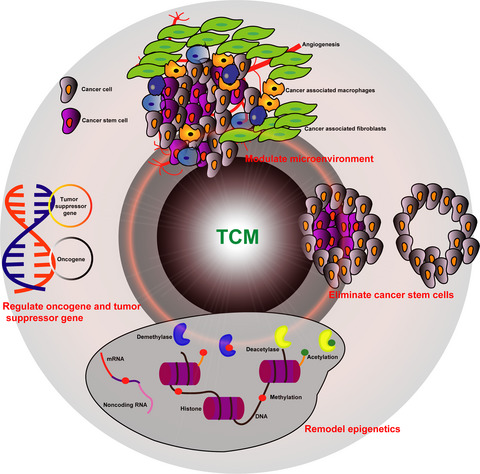
Traditional Chinese Medicine (TCM) practitioners identify the underlying reasons for irregular heartbeat by analyzing the full spectrum of symptoms:
- Heart palpitations, vertigo, memory issues, and/or insomnia are symptoms of a blood or Qi shortage, which can develop after a lengthy sickness or blood loss. A weak pulse and a light pink tongue are symptoms to look out for.
- When the kidneys are weak from a protracted illness, they are unable to regulate the body’s temperature, which leads to an imbalance between fluids and heat, which in turn disrupts the heart’s normal function. Anxieties, rage, despair, tinnitus, and gastrointestinal issues are all possible symptoms of this presentation.
The acupuncturist will select a combination of herbs and acupuncture points to alleviate heat and moisture, restore blood flow, and stabilize and fortify the heart, taking into account the specific form of arrhythmia. To alleviate stasis and safeguard the spleen and stomach, several herbal formulations stimulate and sustain blood flow.
This randomized controlled trial looked at how well treating arrhythmias and tachycardias with just medicine (Lopressor) works compared to using a mix of medicine, acupuncture, and Chinese herbal remedies. When compared to individuals treated just with medicine, those who received integrated treatment demonstrated statistically significant improvements.
For paroxysmal supraventricular tachycardia, both acupuncture and conventional medication were equally effective, but acupuncture plus medication worked better for ventricular premature beat, and acupuncture was better than no treatment for sinus tachycardia. This was according to a meta-analysis of randomized trials.
Homeopathic Treatment for Heart Palpitations
The practice of homeopathic medicine is currently rapidly expanding globally. The approach demonstrates significant effectiveness by addressing the individual as a whole, fostering inner balance across mental, emotional, spiritual, and physical dimensions. In cases of heart failure, there are numerous effective homeopathic medicines available; however, the selection is contingent upon the individual characteristics of the patient, taking into account both mental and physical symptoms.
1. In Cases Where Emotional Excitation Initiates Heart Palpitations
Many different kinds of emotions might trigger palpitations. According to an individual’s emotional element, homeopathy provides a choice of efficient natural remedies to deal with emotional palpitations. Staphysagria is the most effective natural remedy for palpitations caused by rage. Acute episodes of rage that cause palpitations respond well to this treatment. Aconite and Opium are two natural remedies that might alleviate palpitations caused by fear. For heart palpitations brought on by unexpected fear, aconite is the best medicine to take. Palpitations, agitation, nervousness, and an increased need for cold drinks are all possible symptoms. Opium is the most effective therapy when fear of a strange, long-ago event triggers palpitations.
When it comes to coping with palpitations caused by grief, Ignatia is the perfect cure. Ignatia yields amazing results in these circumstances. If you experience palpitations due to an unexpectedly joyous occasion, coffee is the best natural remedy for your condition. It also includes heart palpitations caused by unexpected joy. Two of the best natural remedies for anxiety-related palpitations are Aconite and Arsenicum album. Palpitations accompanied by severe anxiety are the symptoms that should prompt the use of these medications. Anxieties and a generalized lack of calm are noticeable. Aconite is a great way to treat palpitations, and it can also make you thirsty and want to go outside.
2. For Palpitations Induced by Stimulants In cases of palpitations resulting from beer consumption, Sumbul serves as an effective natural remedy in addressing these symptoms. Discomfort in the left side of the chest and left arm may also accompany palpitations. For palpitations resulting from coffee consumption, Nux Vomica is the primary remedy recommended. Thea sinensis is an effective natural remedy that may assist in alleviating palpitations resulting from excessive tea consumption. In addition to experiencing palpitations, the individual also reports a sensation of chest oppression.
For palpitations resulting from tobacco use, effective natural remedies include Convallaria, Kalmia, and Tabacum. Convallaria serves as an effective solution for individuals who express sensations of their heart beating throughout the entire chest. The palpitations intensify with minimal exertion. The pulse is notably rapid. Kalmia is the best choice for treating palpitations that happen with a slow pulse. The palpitations intensify when bending forward. Individuals requiring the remedy Tabacum frequently exhibit a notably weak pulse that may be difficult to detect. The pulse may exhibit intermittent characteristics.
3. For Palpitations Induced by Physical Exertion and Minimal Movement
The most effective natural remedies for palpitations resulting from physical activity and minor movement are Iberis, Digitalis, and Spigelia. Iberis may be administered in instances where minimal exercise induces palpitations. In conjunction with palpitations, an individual may also encounter vertigo. Digitalis is the most efficacious treatment when even minimal movement induces palpitations. The patient typically perceives that the heart will cease functioning upon movement, finding relief in a state of rest. If minimal activity triggers strong palpitations accompanied by cardiac region pain and arm discomfort, Spigelia is the optimal therapy.
4. Natural Approaches to Managing Palpitations Associated with Anemia
To address cases of palpitations associated with anemia, Ferrum Met and Natrum Mur are effective natural remedies. Ferrum Met is the optimal selection for addressing palpitations associated with anemia that intensify with movement. The complexion appears rather pale. The pulse typically presents as soft and weak. When palpitations due to anemia accompany a constricted sensation in the chest, Natrum Mur is the most effective remedy. The pulse rate is consistently elevated and frequently exhibits intermittent patterns. People who require Natrum Mur may exhibit a desire for salt.
5. For Palpitations Resulting from Excessive Use of Allopathic Medications
Nux Vomica and Opium are natural remedies that can be highly effective in addressing palpitations caused by the excessive use of allopathic medicines. Both of these medications are highly effective and serve as a remedy for the adverse effects associated with the excessive use or abuse of allopathic medicines. The most appropriate medication among the two options is administered following a thorough assessment of the patient’s case history.
6. Addressing Palpitations During Menopause
Herbal remedies Amyelosum Nitrosum, Glonoine, and Lachesis are beneficial in managing palpitations associated with menopause. The use of Amylenum Nitrosum is indicated for symptoms such as palpitations that intensify with minimal excitement. A constricted sensation in the heart area is a related symptom. Other symptoms include hot flushes and severe anxiety. When physical exertion exacerbates palpitations and causes breathing difficulties, glonoin serves as an effective remedy. Throughout the body, palpitations can occur. Lachesis is an effective natural remedy for managing episodes of fainting accompanied by palpitations during menopause. The women who require Lachesis tend to avoid wearing any tight clothing.
7. For Palpitations Associated with Hyperthyroidism
Iodum and Spongia are the two foremost natural remedies for palpitations in hyperthyroid patients. Iodum is most effective for palpitations in hyperthyroid patients, particularly when the palpitations intensify with minimal exercise. The chest experiences constriction and compression. Spongia is the most effective remedy for hyperthyroid patients experiencing palpitations while lying down. Ambulation provides solace to the sick.
8. For Palpitations Accompanied by Dyspeptic Symptoms
Abies Can and Lycopodium are highly efficacious natural treatments for palpitations resulting from gastric acidity symptoms. Abies Can is appropriate when excessive eating results in abdominal distension accompanied by gastric burning and palpitations. Lycopodium is the optimal therapy for excessive abdominal gas that leads to palpitations. The gas is not expelled easily and is accompanied by palpitations.
9. For Palpitations Accompanied by Arrhythmias
Arrhythmia denotes an atypical or irregular heartbeat. Arrhythmia may manifest as tachycardia (heart rate exceeding 100 beats per minute), bradycardia (heart rate diminishing to as low as 40 beats per minute), or irregular cardiac action (skipped beats).
Lilium Tig is an effective natural homeopathic remedy for palpitations accompanied by tachycardia. The pulse rate may increase to 150 beats per minute or higher after using Lilium Tig. The patient experiences intense pulsations throughout the body. Heaviness in the chest and left-sided chest discomfort may accompany the palpitations in the cardiac area.
Palpitations accompanied by bradycardia: Kalmia and Digitalis are the most effective natural homeopathic remedies for palpitations with a reduced heart rate. The heart rate associated with Kalmia usage may decline to 35–40 beats per minute, accompanied by palpitations. The patient experiences palpitations and anxiousness. Digitalis is the optimal homeopathic treatment when the cardiac rate is diminished and palpitations are predominantly triggered by minimal movement. The individual requiring Digitalis experiences an imperative to remain still; otherwise, cardiac arrest may occur upon movement. Digitalis is the most effective natural homeopathic remedy for treating palpitations that are characterized by irregular or skipped beats. The pulse is irregular, primarily intermitting during the 3rd, 5th, and 7th beats. Mitral disease may be the underlying pathology associated with the patient’s irregular cardiac rhythm requiring Digitalis. Aurum Met is the optimal homeopathic remedy for severe palpitations accompanied by abnormal cardiac rhythm. Patients requiring Aurum Met perceive that their heart has abruptly ceased for a duration of 2 to 3 seconds before resuming its rhythm. The pulse appears erratic, accompanied by elevated blood pressure.
To wrap up
The experience of heart palpitations can be unsettling, but understanding their causes and symptoms can help you better manage and respond to them. Heart palpitations often feel like your heart is fluttering, pounding, or skipping beats. These sensations can stem from various factors, including stress, anxiety, hormonal changes such as those during menopause or postpartum periods, dietary triggers like dark chocolate, and medical conditions such as sleep apnea or arrhythmias. You might notice palpitations during moments of excitement, while lying on your left side, or even when they are accompanied by symptoms like dizziness, fatigue, shortness of breath, or burping. While palpitations can happen sporadically or persist all day, they don’t always indicate a serious health issue. However, it’s crucial to pay attention to your body and seek medical advice when symptoms worsen or accompany other concerning signs.
In the context of addressing heart palpitations, you have several options available, ranging from conventional Western treatments to natural and holistic approaches. Western medicine typically involves identifying any underlying heart conditions or other medical causes and then prescribing medications or procedures as needed. If lifestyle factors are the cause of your palpitations, managing stress, improving sleep, and adjusting diet can significantly improve your condition. You may find relief through natural methods such as practicing relaxation techniques, making dietary changes, or adopting stress reduction strategies. Holistic treatments like acupuncture and homeopathy are also explored by some individuals to balance the body and reduce the frequency or intensity of palpitations, though these should be pursued with the guidance of a qualified practitioner and in conjunction with standard care when necessary.
Ultimately, you can take an active role in the management of your heart palpitations by staying informed and attentive to your body’s signals. Strategies such as mindful breathing exercises, reducing stimulants, and improving overall cardiovascular health can empower you to reduce episodes naturally. If heart palpitations interfere with your daily life or are accompanied by worrisome symptoms, consulting your healthcare provider will help ensure a comprehensive evaluation and tailored treatment plan. Combining your awareness with both Western medical insights and holistic approaches creates a well-rounded path to maintaining heart health and improving your quality of life.
FAQ
Q: What are heart palpitations and what do they feel like?
A: Heart palpitations are sensations where you become aware of your heartbeat, which may feel irregular, rapid, fluttering, or pounding. People often describe palpitations as their heart racing or skipping beats, and they can be felt in the chest, throat, or neck.
Q: What are the common causes of heart palpitations?
A: Heart palpitations can be caused by various factors, including stress, anxiety, hormonal changes such as menopause or postpartum, consumption of stimulants like caffeine or dark chocolate, certain medications, and medical conditions like sleep apnea, arrhythmias, or thyroid disorders.
Q: How does stress contribute to heart palpitations?
A: Stress activates the body’s “fight or flight” response, triggering the release of adrenaline and other stress hormones. These chemicals can increase heart rate and cause irregular heartbeats, leading to palpitations. Managing stress through relaxation or mindfulness can often help reduce these symptoms.
Q: Can hormonal changes like menopause or postpartum periods cause heart palpitations?
A: Yes, hormonal fluctuations during menopause or after childbirth can affect the heart’s rhythm. Changes in estrogen and progesterone levels may lead to palpitations, which are common during these times but should be discussed with a healthcare provider if persistent or severe.
Q: What symptoms often accompany heart palpitations?
A: Dizziness, shortness of breath, fatigue, chest discomfort, or anxiety may accompany palpitations, along with the sensation of an abnormal heartbeat. We advise medical evaluation if these symptoms occur frequently or with severe intensity.
Q: What are some natural or holistic methods to stop or reduce heart palpitations?
A: Natural approaches include reducing caffeine and stimulant intake, practicing deep breathing exercises, engaging in regular physical activity, managing stress through meditation or yoga, and ensuring adequate hydration. Some individuals have also used holistic treatments like acupuncture and homeopathy, with varying results.
Q: When should someone seek medical attention for heart palpitations?
A: Medical attention is recommended if heart palpitations are accompanied by chest pain, fainting, severe shortness of breath, or dizziness, or if they occur frequently and interfere with daily activities. A healthcare provider can perform diagnostic tests to determine if an underlying heart condition requires treatment.
Naturopathic Treatment in Philadelphia.
Philadelphia Holistic Clinic is the #1 naturopathic medical center in the City of Brotherly Love. At the clinic, the team of licensed medical professionals provides different forms of naturopathic treatment, including acupuncture, homeopathy, hypnotherapy, Reiki, Ayurveda, and Chinese medicinal herbs. All treatments are provided under the strict supervision of a medical doctor, Victor Tsan. During the initial evaluation, Victor Tsan will check your ECG to ensure that none of the recommended treatments may cause deterioration of your medical condition, arrhythmia, nausea, drowsiness, or any other unwanted side effects.
Contact Philadelphia Holistic Clinic at (267) 403-3085 to schedule your evaluation appointment. Evaluation includes full body assessment and all necessary testing.
For your convenience, you can use our online scheduling application.