PCOS
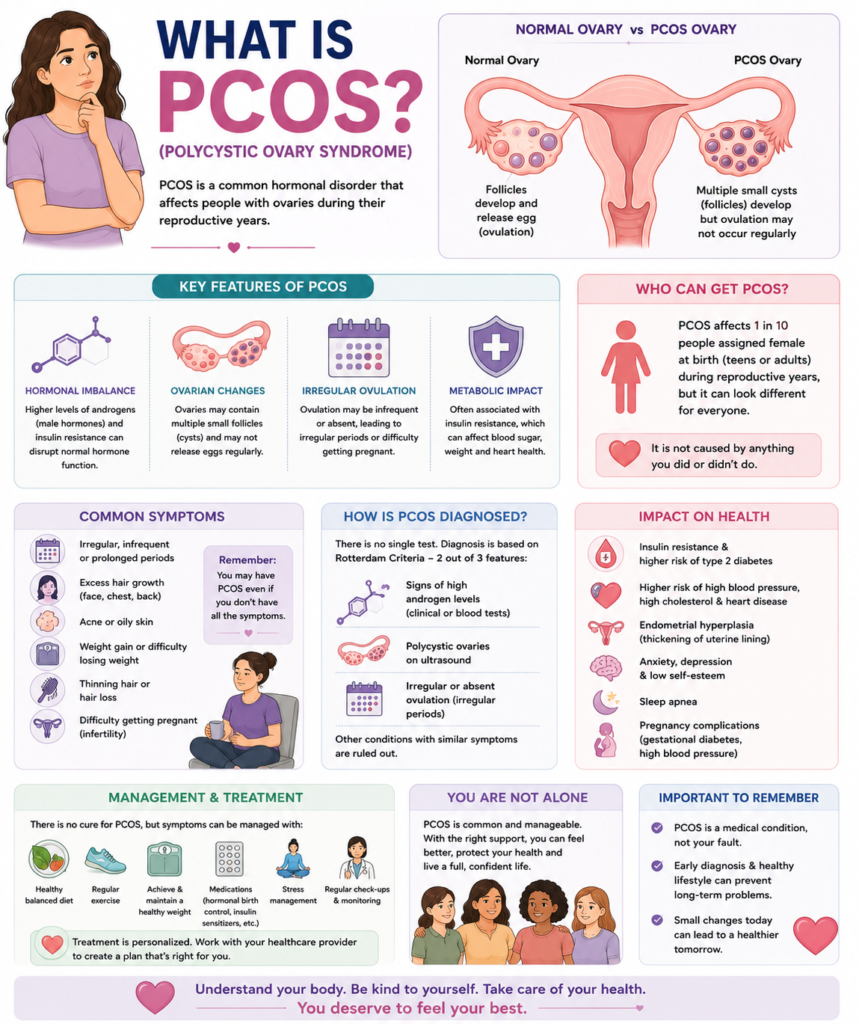
PCOS affects roughly 1 in 20 women of reproductive age and is a hormonal disorder marked by elevated androgen levels, irregular menstrual cycles, and ovarian cysts. You may experience symptoms like acne, weight gain, and infertility, often linked to insulin resistance. While the exact cause remains unclear, genetics and lifestyle play key roles in its development.
Key Takeaways:
- Polycystic Ovarian Syndrome (PCOS) is a hormonal disorder affecting people with ovaries, often marked by irregular periods, elevated androgen levels, and ovarian cysts, though not all individuals with PCOS have visible cysts.
- Insulin resistance plays a central role in PCOS, contributing to weight gain, increased testosterone production, and disrupted ovulation; managing blood sugar levels is often a core part of treatment.
- Common symptoms include acne, excess facial or body hair, hair thinning on the scalp, irregular menstrual cycles, and difficulty conceiving, with symptoms often starting around puberty or early adulthood.
- Diagnosis involves a combination of medical history, physical examination, blood tests for hormone levels, and pelvic ultrasound, following established criteria such as the Rotterdam guidelines.
- Metformin is commonly prescribed to improve insulin sensitivity, but lifestyle changes like diet and exercise are equally important and can significantly reduce symptoms.
- Natural approaches such as a low-glycemic diet, regular physical activity, stress management, and targeted supplements like inositol, vitamin D, and omega-3s may support hormonal balance and metabolic health.
- Complementary therapies including acupuncture and certain homeopathic remedies are used by some to address infertility, hair loss, or weight challenges, though scientific evidence varies and should be discussed with a healthcare provider.
Polycystic Ovarian Syndrome: Definition and Pathology
PCOS affects women’s hormone levels. If you’re suffering from this condition, you’ll have abnormal levels of male hormones. This makes you skip your menstrual periods and decreases your chances of pregnancy. Additionally, you’ll also become prone to baldness.

This condition also increases your chances of lifelong health issues like heart disease and diabetes. Diabetes drugs and birth control pills can help improve symptoms and restore hormone levels.
This condition affects the ovaries, which are responsible for producing progesterone and estrogen. They are also responsible for producing a few male hormones known as androgens. The three main features of PCOS include the following:
- Skipped or irregular periods
- Abnormal levels of male hormones
- Cysts in the ovaries
Pathophysiology and Primary Causes of Polycystic Ovarian Syndrome
Polycystic Ovarian Syndrome (PCOS) arises from a complicated combination of hormonal imbalances and metabolic dysfunction, with insulin resistance present in up to 70% of cases, even among individuals with normal body weight. Elevated insulin levels stimulate the ovaries to produce excess androgens, particularly testosterone, disrupting follicular development and ovulation. This hormonal cascade leads to the hallmark features of PCOS: anovulation, polycystic-appearing ovaries on ultrasound, and clinical or biochemical signs of hyperandrogenism.
Chronic low-grade inflammation frequently occurs in people with PCOS, and studies show elevated markers like C-reactive protein (CRP) and interleukin-6. This inflammatory state may exacerbate insulin resistance and contribute to ovarian dysfunction. Disruptions in the hypothalamic-pituitary-ovarian (HPO) axis, including increased luteinizing hormone (LH) pulsatility, further amplify androgen production and impair follicle maturation.
While no single cause defines PCOS, the convergence of hormonal, metabolic, and genetic factors creates a self-perpetuating cycle. Early-life exposures, such as prenatal androgen excess, may predispose individuals to develop the syndrome later in life. Recognizing the multifactorial nature of PCOS is important for effective, individualized care.
Hormonal and Metabolic Drivers
Insulin resistance is a central driver of PCOS, affecting approximately 50-70% of individuals regardless of BMI and leading to compensatory hyperinsulinemia. This excess insulin directly stimulates ovarian theca cells to overproduce androgens like testosterone and androstenedione, disrupting normal folliculogenesis. Concurrently, insulin reduces sex hormone-binding globulin (SHBG) production in the liver, increasing free testosterone levels and amplifying hyperandrogenic symptoms.
Elevated luteinizing hormone (LH) levels, often seen in PCOS, further stimulate androgen synthesis in the ovaries. The LH-to-FSH ratio is commonly elevated—sometimes exceeding 2:1—contributing to arrested follicle development and anovulation. Adipose tissue, especially visceral fat, acts as an active endocrine organ, secreting adipokines such as leptin and resistin that worsen insulin sensitivity and inflammation.
Dysregulation of the HPO axis alters gonadotropin-releasing hormone (GnRH) pulsatility, favoring LH over FSH secretion. This imbalance perpetuates ovarian dysfunction and prevents dominant follicle selection. Recognizing these interconnected hormonal and metabolic disruptions allows for targeted interventions that address root mechanisms, not just symptoms.
Genetic and Environmental Factors
Heritability studies indicate that PCOS clusters in families, with first-degree relatives of affected individuals having a 50% higher risk of developing the condition. Genome-wide association studies (GWAS) have identified susceptibility loci on chromosome 9q22.32 and 2p16.3, implicating genes such as DENND1A and THADA in ovarian and metabolic function. These genetic variants influence androgen biosynthesis and insulin signaling pathways, contributing to phenotypic expression.
Environmental influences, including prenatal androgen exposure, are linked to PCOS development. Daughters of women with PCOS who were exposed to high androgen levels in utero show early signs of metabolic and reproductive dysfunction. Postnatal factors like diet, sedentary lifestyle, and endocrine-disrupting chemicals (e.g., BPA) further modulate gene expression through epigenetic mechanisms such as DNA methylation.
Emerging research highlights how gene-environment interactions shape PCOS onset and progression. For instance:
- Maternal obesity or gestational diabetes increases offspring PCOS risk by 2.5-fold
- BPA exposure correlates with higher testosterone and insulin levels in adolescents
- Epigenetic changes in the FTO gene are linked to BMI and insulin resistance in PCOS
Recognizing these combined influences enables a more comprehensive, preventive approach to management.
Understanding the genetic and environmental underpinnings of PCOS reveals that it is not merely a reproductive disorder but a systemic condition shaped by early developmental programming and lifelong environmental inputs. Twin studies show 70% concordance in monozygotic pairs, underscoring strong genetic predisposition, yet discordance in some cases points to environmental modulation. Factors such as childhood obesity, stress-induced cortisol dysregulation, and disrupted circadian rhythms can trigger or worsen PCOS in genetically susceptible individuals. Urban populations show higher PCOS prevalence—up to 18% in some studies—compared to rural areas.
What Are the Symptoms of PCOS?
If you have PCOS, you’ll notice signs and symptoms around your first period. Some common symptoms of PCOS include:
- Due to hormonal changes, you might experience headaches.
- Your skin may darken in areas of body creases such as under your breasts, in your groin, and in your neck.
- Your scalp will experience hair thinning and falling.
- Excessive weight and obesity are also common symptoms.
- Acne breakouts on your upper back, chest, and face can also occur due to PCOS.
- Excessive hair growth, particularly on the chest, belly, back, and face, is a typical sign of PCOS.
- You’ll also notice heavier bleeding during your periods.
- Irregular periods are also a common symptom of PCOS.
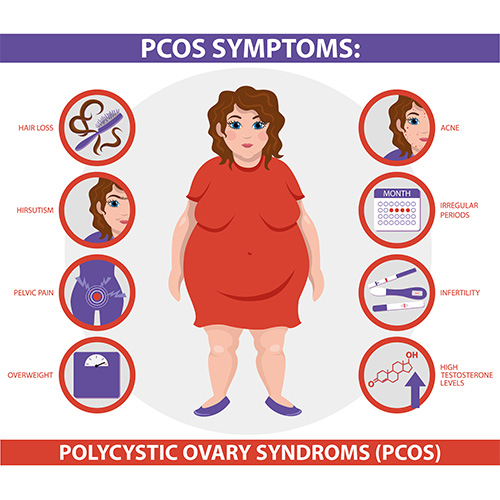
If you notice any of these symptoms, please seek treatment as soon as possible.
Irregular menstrual cycles are often among the first signs of PCOS, with many women experiencing periods that occur fewer than eight times a year or gaps of more than 35 days between cycles. You may also notice heavier or lighter bleeding than usual, which stems from hormonal imbalances involving elevated androgens and insulin resistance. These early symptoms frequently appear shortly after puberty, with up to 70% of cases going undiagnosed due to mild or overlapping signs.
Many women report PCOS acne as a persistent issue, typically appearing along the lower face, jawline, and neck areas less common for typical teenage breakouts. This type of acne is driven by high androgen levels that increase oil production and clog pores. Alongside skin changes, PCOS hair loss follows a male-pattern thinning, often starting at the crown or part line, affecting up to 50% of women with the condition due to androgenic influence on hair follicles.
A reduced PCOS sex drive is another common yet underdiscussed symptom, linked to hormonal shifts including elevated testosterone and cortisol, alongside emotional factors like anxiety or body image concerns. You might also face PCOS infertility, affecting 70-80% of those with the syndrome, primarily due to chronic anovulation—where the ovaries do not regularly release eggs. Recognizing these signs early improves your ability to manage long-term outcomes.
Physical manifestations and dermatological changes
Acne tied to PCOS differs from common hormonal breakouts by its severity and location, often flaring along the jawline, chin, and upper neck due to heightened androgen activity. You may find that standard skincare routines fail to improve it, as the root cause lies in internal hormone imbalance rather than surface bacteria. This type of acne typically persists beyond adolescence, sometimes worsening in the late 20s or 30s without targeted treatment.
PCOS hair loss, also known as androgenic alopecia, manifests as thinning hair at the crown or center part, with studies showing it affects nearly half of all women with the syndrome. You might notice increased shedding on pillows or in brushes, and over time, a widening part or visible scalp. This occurs because androgens like dihydrotestosterone (DHT) shrink hair follicles, shortening the growth cycle and producing finer, shorter strands.
Other dermatological signs include skin tags and acanthosis nigricans—dark, velvety patches often found in body folds like the neck or underarms—linked to insulin resistance in up to 75% of PCOS cases. You may also experience hirsutism, or excess hair growth on the face, chest, or back, affecting 70% of women with PCOS due to elevated androgens. These physical changes can deeply impact self-esteem, making early recognition and compassionate care vital.
Impact on reproductive health and libido
Infertility affects 70-80% of women with PCOS, primarily because of irregular or absent ovulation caused by hormonal dysregulation and ovarian follicle stagnation. You may struggle to conceive even with regular attempts over a year, as follicles often fail to mature and release eggs due to elevated luteinizing hormone (LH) and insulin levels. This anovulation is a hallmark of PCOS and one of the most common treatable causes of infertility.

Your menstrual cycle’s unpredictability often signals deeper reproductive disruptions, including the development of multiple small cysts on the ovaries—visible via ultrasound in numerous instances. You might also experience a luteal phase defect, where the second half of your cycle is too short to support implantation, further complicating conception. Hormonal imbalances involving excess androgens and insulin resistance interfere with follicle-stimulating hormone (FSH) function, disrupting normal egg development.
A reduced PCOS sex drive is frequently reported, influenced by hormonal fluctuations such as high testosterone followed by sudden drops, alongside elevated cortisol from chronic stress. You may feel disconnected from intimacy due to body image concerns, fatigue, or emotional strain from managing symptoms like hirsutism or infertility. These factors combine to lower sexual satisfaction, making it vital to address both physiological and psychological aspects in treatment.
Addressing the impact on reproductive health and libido requires a comprehensive view of your hormonal environment. Elevated androgens not only disrupt ovulation but can also alter mood and sexual desire, while insulin resistance contributes to inflammation and endothelial dysfunction, potentially impairing arousal and lubrication. You may find that restoring hormonal balance through lifestyle changes, targeted supplements, or medications like metformin or oral contraceptives improves both fertility and libido over time. Treating PCOS infertility often involves ovulation-inducing drugs.
Clinical Diagnosis and Conventional Medical Treatments
Diagnostic protocols and testing
Diagnosing PCOS typically follows the Rotterdam criteria, which requires at least two of the following: irregular menstrual cycles, clinical or biochemical signs of hyperandrogenism, and polycystic ovaries on ultrasound. You may undergo blood tests to measure hormone levels, including testosterone, LH, FSH, and AMH, helping to confirm hormonal imbalances linked to PCOS. An ultrasound might reveal 12 or more follicles per ovary or increased ovarian volume, a common but not universal marker. Since symptoms overlap with other endocrine disorders, your doctor may also test for thyroid function and rule out conditions like congenital adrenal hyperplasia. Early and accurate PCOS diagnosis is important, as it affects roughly 6-12% of reproductive-aged women and increases long-term risks, including type 2 diabetes and cardiovascular disease.
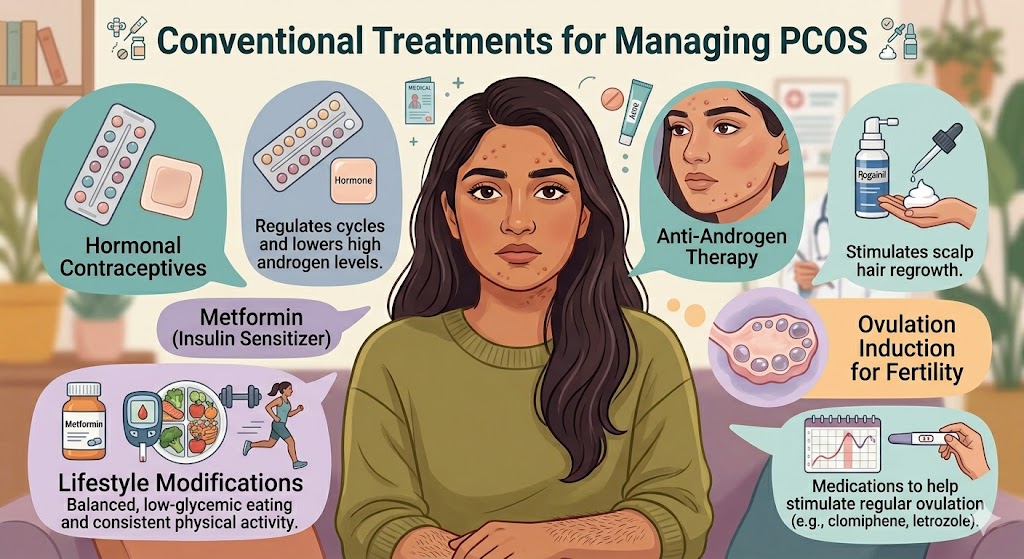
Pharmaceutical interventions and management
Managing PCOS often involves a tailored combination of PCOS medication aimed at symptom control and metabolic health. Birth control pills are commonly prescribed to regulate menstrual cycles and reduce androgen levels, improving acne and hirsutism. For those struggling with insulin resistance, Metformin for PCOS is frequently recommended, even in non-diabetic individuals, as it enhances insulin sensitivity and may restore ovulation. Your treatment plan might also include anti-androgens like spironolactone or fertility drugs such as clomiphene if conception is a goal. Long-term use of Metformin has shown benefits in reducing fasting insulin levels and improving menstrual regularity in up to 70% of users.
Metformin for PCOS is not a cure, but it plays a significant role in managing metabolic dysfunction. You may start with a low dose, such as 500 mg daily, gradually increasing to minimize gastrointestinal side effects. Studies from as early as the 1990s support its use in improving insulin sensitivity and lowering androgen production. While not FDA-approved specifically for PCOS, many endocrinologists prescribe it off-label due to strong clinical evidence. Your response to Metformin can vary, so regular follow-ups are necessary to assess effectiveness and adjust dosage. Combined with lifestyle changes, this medication can significantly influence your long-term health outcomes.
Nutritional Strategies and Weight Management
You can take meaningful control of PCOS symptoms through targeted dietary changes that support hormonal balance and metabolic function. A well-structured PCOS diet plan emphasizes low-glycemic foods, lean proteins, and healthy fats to stabilize insulin levels, a key factor in natural PCOS treatment. Research shows that up to 70% of women with PCOS experience insulin resistance, making blood sugar regulation crucial. By choosing whole grains over refined carbohydrates and incorporating fiber-rich vegetables, you reduce insulin spikes that can worsen androgen production and disrupt ovulation. Consistency in meal timing and composition plays a powerful role in how to lose weight with PCOS. Skipping meals or relying on processed snacks can trigger hormonal imbalances and increase fat storage, particularly around the abdomen. Instead, aim for balanced meals every 3-4 hours that include protein, complex carbs, and anti-inflammatory fats like those found in avocados, nuts, and olive oil. These choices support satiety and improve markers of metabolic health over time. Long-term success with a PCOS diet isn’t about extreme restriction but sustainable, informed choices. Many women find that even a 5-10% reduction in body weight can lead to more regular menstrual cycles and improved fertility. This isn’t about rapid weight loss but steady progress through mindful eating and portion control. Your body responds best to gradual changes that prioritize nutrient density and metabolic support.
Balancing hormones through dietary choices
Diet directly influences hormone regulation, and your food choices can either calm or aggravate PCOS symptoms. A PCOS diet rich in omega-3 fatty acids—found in fatty fish, flaxseeds, and walnuts—helps reduce inflammation and lower testosterone levels. Insulin, a hormone often dysregulated in PCOS, responds positively to meals with a low glycemic index, such as lentils, berries, and steel-cut oats. These foods release glucose slowly, preventing the surges that prompt the ovaries to overproduce androgens.
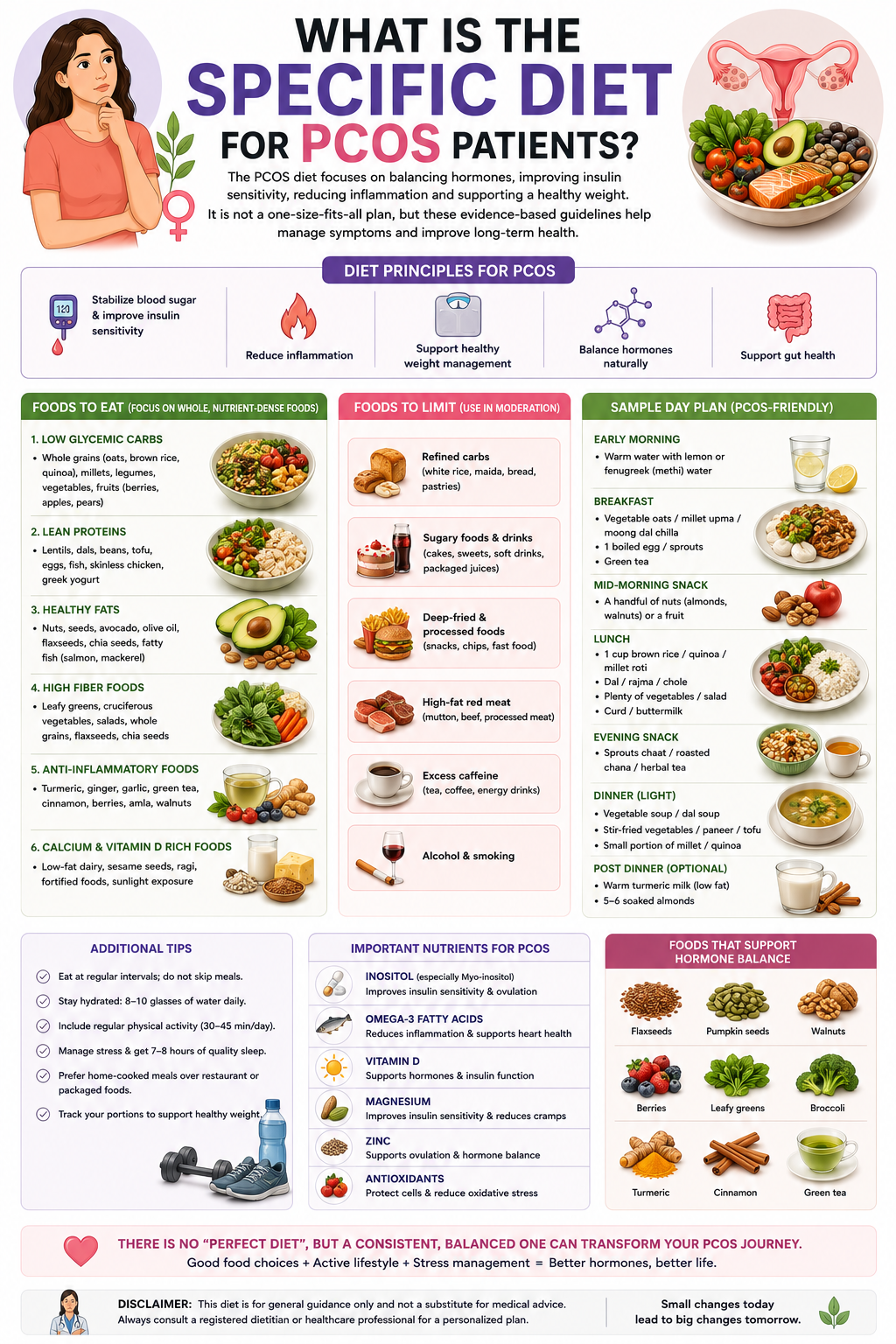 You may notice improvements in acne, hair growth, and mood when you eliminate processed sugars and trans fats from your routine. These ingredients worsen insulin resistance and increase oxidative stress, both of which fuel hormonal imbalance. Instead, prioritize colorful vegetables, leafy greens, and antioxidant-rich spices like cinnamon and turmeric, which studies show improve insulin sensitivity. Even small shifts, like swapping white rice for quinoa, can make a measurable difference over time.
Protein intake also plays a key role in stabilizing hormones. Including a source of lean protein—such as chicken, tofu, or Greek yogurt—at every meal helps maintain muscle mass and supports steady energy levels. This approach is central to natural PCOS treatment, as it reduces cravings and prevents blood sugar crashes. Over weeks, this balanced intake can lead to more predictable cycles and reduced symptom severity.
Strategic weight loss for metabolic health
Weight management in PCOS isn’t about aesthetics—it’s a metabolic necessity. Women with PCOS are at higher risk for type 2 diabetes, with studies showing that over 50% develop insulin resistance by age 40. A targeted PCOS diet plan that emphasizes portion control, whole foods, and regular meal patterns can reverse this trajectory. Even modest weight loss of 5-7% of your body weight can restore ovulation and improve fertility outcomes, as studies have shown clinically.
Your metabolism functions differently with PCOS, often slowing due to hormonal imbalances and insulin dysregulation. Crash diets or extreme calorie cuts can backfire, worsening metabolic rate and increasing cortisol. Instead, focus on sustainable habits: eating every 3-4 hours, prioritizing fiber and protein, and staying hydrated. These strategies support fat loss while preserving lean muscle, which is crucial for long-term metabolic health.
Tracking progress should go beyond the scale. Waist circumference, energy levels, and lab markers like fasting insulin and HbA1c provide clearer insights into your metabolic improvements. Pairing your PCOS diet with strength training amplifies results, as muscle tissue improves insulin sensitivity. This holistic approach to how to lose weight with PCOS ensures lasting change, not temporary fixes.
Strategic weight loss for metabolic health works best when it’s personalized and consistent. Unlike generic diets, a PCOS-specific plan addresses insulin resistance, inflammation, and hormonal fluctuations as interconnected factors. Aligning your eating patterns with your body’s unique needs lays the groundwork for improved ovulation, clearer skin, and greater energy. This isn’t about perfection—it’s about progress through daily, informed choices that add up over time.
Natural treatment for PCOS
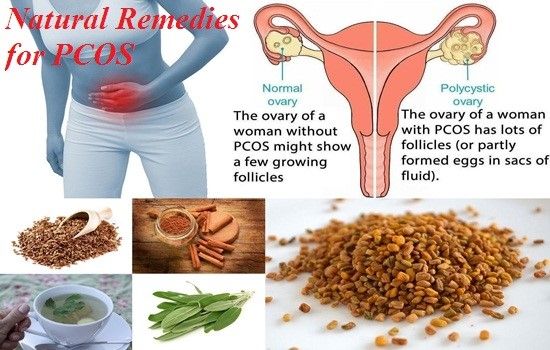 Natural treatment for PCOS is effective and safe. About 5 million women in the US are estimated to suffer from polycystic ovary syndrome (PCOS). If you have this condition, you know how hard it is to manage, and sadly, there’s no cure. Many women resort to hormone therapy and medications to manage their symptoms. However, they don’t work for everyone and can sometimes lead to side effects. If you choose a safer alternative, a natural treatment for PCOS can be beneficial. Natural treatment for PCOS is safe, effective, and doesn’t cause side effects, which is well-known with allopathic treatments.
Holistic Interventions to PCOS: Acupuncture and Supplements
Role of natural supplementation in PCOS’s symptom relief
You may experience relief through targeted PCOS supplements that address hormonal imbalances and insulin resistance. Inositol, particularly the combination of myo-inositol and D-chiro-inositol in a 40:1 ratio, has shown promise in improving ovulation and metabolic markers in women with PCOS. Clinical studies indicate that daily doses of 2,000 mg of myo-inositol and 50 mg of D-chiro-inositol over 12 weeks can enhance insulin sensitivity and reduce testosterone levels. Omega-3 fatty acids also support hormonal balance, lowering triglycerides and inflammation. Vitamin D deficiency is common in PCOS and correcting it may improve menstrual regularity. Magnesium and N-acetylcysteine (NAC) further aid glucose metabolism and reduce oxidative stress, contributing to better symptom management.
Many women report reduced hirsutism and improved hair quality using supplements like saw palmetto, which may block 5-alpha-reductase, the enzyme converting testosterone to its more potent form. Zinc supplementation, around 30 mg daily, has been linked to reduced acne and support for hair regrowth in cases of PCOS hair loss. These natural agents work synergistically to modulate androgen activity and support skin and follicle health. Consistent use over several months often yields visible improvements, especially when paired with dietary changes.
Your body’s response to supplementation can vary, so working with a healthcare provider ensures safe and effective dosing. Some supplements, like berberine, mimic metformin’s effects on glucose metabolism and may aid in PCOS weight loss when taken at 500 mg three times daily. However, interactions with medications or underlying conditions require professional oversight. Integrating evidence-based PCOS supplements into your routine offers a supportive layer in managing this complex condition.
Natural remedies for PCOS
Not only are natural and home remedies for PCOS safe, but science also supports their efficacy. For some women, natural treatment for PCOS can be very effective. There are various natural remedies for PCOS, such as homeopathy and herbs. You might consider it if you want to try natural alternatives. Here are some natural remedies for PCOS to help manage your symptoms.
Omega-3 Fatty Acids are an essential dietary supplement for natural treatment of PCOS
These acids have a myriad of health benefits. Some research has shown that omega-3 fatty acids can help lower androgen levels. In a study, women with PCOS were given three grams of omega-3s daily for eight weeks. The results demonstrated that the women witnessed reduced testosterone levels and a higher chance of resuming regular periods.
Suppose you want to try this natural treatment for PCOS. In that case, you can purchase Omega-3 supplements, and you can also incorporate omega-3 fatty acid food items into your diet, such as canola oil, soybean oil, flaxseed oil, walnuts, chia seeds, flaxseed, and salmon, among others.
Honey, a home remedy for PCOS
If you want a natural treatment for PCOS, honey is also an excellent option. PCOS and obesity are connected. If you suffer from PCOS, it can mess up your hormones and lead to obesity. Honey makes you feel full, satisfies your hunger, and prevents weight gain. If you’re noticing an increase in weight due to PCOS, try this natural remedy. Mix one tablespoon of honey with lukewarm water and lemon, and consume it early in the morning on an empty stomach.
Acupuncture: an Ancient Chinese natural treatment of PCOS
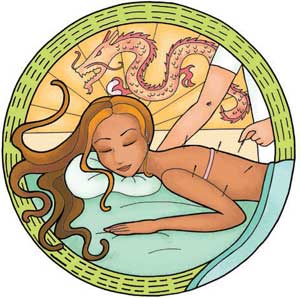 Acupuncture for PCOS is also a viable option if you’re looking for an alternative treatment. By placing very thin needles in particular points of your body, acupuncture can trigger your body’s natural healing system. Acupuncture doesn’t just concentrate on your symptoms but on your whole self.
Research also shows that by increasing insulin sensitivity and decreasing testosterone levels, acupuncture for PCOS can help manage symptoms. Acupuncture has no known side effects and can be used in all demographics. It also doesn’t cause any bleeding or bruising in the hands of a trained practitioner. Additionally, acupuncture can be combined with other natural remedies for PCOS to increase the chances of positive results.
Targeted acupuncture techniques for fertility and metabolism
Acupuncture for PCOS has gained attention for its ability to regulate menstrual cycles and improve fertility outcomes. Specific acupuncture points for PCOS infertility—such as Sanyinjiao (SP6), Zusanli (ST36), and Guanyuan (CV4)—are routinely stimulated to enhance blood flow to the ovaries and modulate the hypothalamic-pituitary-ovarian axis. Clinical trials show that regular sessions, typically twice weekly for 12 weeks, can increase ovulation frequency and improve hormone profiles.
You might notice improvements in insulin sensitivity and body weight with consistent acupuncture for PCOS weight loss. Electroacupuncture, which applies mild electrical currents to needles, has been studied at facilities like the University of Gothenburg, where women receiving treatment experienced reduced testosterone and improved menstrual regularity. This technique appears to activate the parasympathetic nervous system, helping to lower cortisol and support metabolic balance.
For those struggling with PCOS hair loss, acupuncture may reduce scalp inflammation and stimulate follicular activity by improving circulation. Protocols targeting hair regrowth often include points like Baihui (GV20) and Fengchi (GB20). While results vary, many patients report that after several weeks of treatment, they have thicker hair and reduced shedding. Combined with lifestyle changes, acupuncture offers a non-invasive pathway to address both fertility and metabolic concerns in PCOS.
Targeted acupuncture techniques for fertility and metabolism focus on restoring the body’s natural rhythms through precise neuromodulation. Practitioners stimulate acupuncture points for PCOS infertility and metabolic dysfunction to rebalance hormone signaling and improve ovarian function. Studies using functional MRI have shown that acupuncture can affect brain areas involved in gonadotropin release, providing a physiological basis for its effects. When integrated with other holistic strategies, these techniques support long-term symptom management and reproductive health in women with PCOS.
Herbal Remedies for Polycystic Ovarian Syndrome
Many people also see great results from herbs for PCOS. There are various herbs; you might have to experiment with a few before seeing results. Many times, numerous herbs for PCOS are combined to target multiple symptoms.
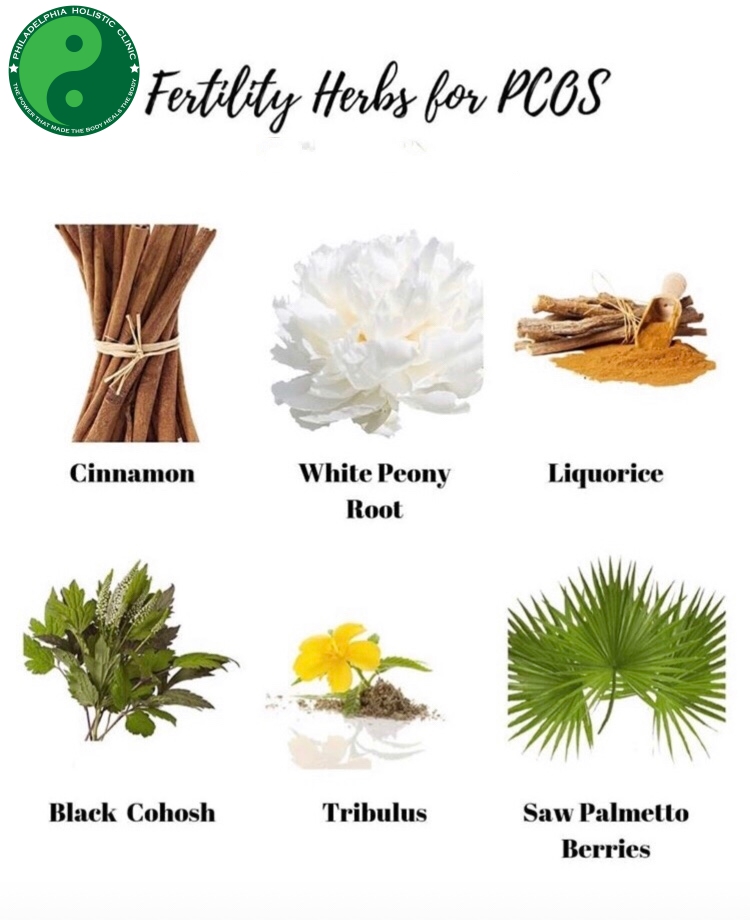
Some herbs for PCOS include holy basil, ashwagandha, and maca root. Maca root is particularly promising for treating PCOS. Research indicates that it can lower cortisol levels and balance hormones. Additionally, it can help with depression, a common symptom of PCOS.
Herbs for PCOS are generally safe, but they can counteract certain medications. You must talk with a doctor or herbalist before trying them out.
Homeopathy for PCOS: the #1 natural treatment for PCOS
Homeopathy for PCOS can significantly reduce symptoms and help you manage your conditions. Like other holistic treatments for PCOS, homeopathy doesn’t just focus on your symptoms but also addresses the root of your problem. Homeopathy doesn’t use dangerous chemicals but focuses on your body’s natural healing system. There are various homeopathic remedies for PCOS, and treatment can be personalized according to your particular condition.
Some effective homeopathic remedies for PCOS include Thuja, Arnica, Phosphorus, Lachesis, and Lycopodium. Homeopathy has no known side effects and can be combined with other natural and home remedies for PCOS. Homeopathy can be particularly effective if you don’t respond well to conventional treatments.
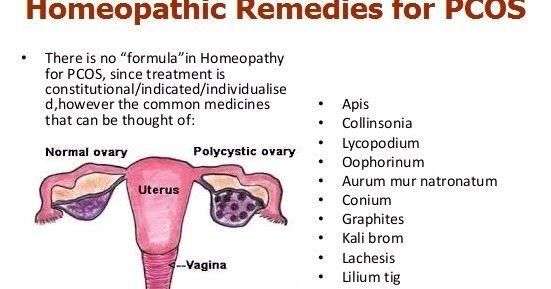
Homeopathic Remedies for PCOS
Homeopathy for PCOS offers a personalized approach that addresses hormonal imbalances, irregular periods, and metabolic concerns through natural remedies. Practitioners select treatments based on individual symptoms, emotional state, and physical constitution, aiming to restore the body’s innate balance. Many women explore homeopathic remedies for PCOS as an alternative to conventional medicine, seeking gentler solutions with minimal side effects while managing conditions like insulin resistance and elevated androgen levels.
You may find relief through specific homeopathic medicine for weight loss in PCOS, such as *Calcarea Carbonica* or *Natrum Muriaticum*, which are commonly prescribed for women struggling with unexplained weight gain and sluggish metabolisms. These remedies work by supporting thyroid function and regulating carbohydrate metabolism, helping the body process insulin more efficiently. When combined with dietary changes, these homeopathic medicines can play a supportive role in achieving sustainable weight management.
For those dealing with visible symptoms like thinning hair or hirsutism, homeopathy for PCOS hair loss includes remedies like *Sepia* and *Silicea*, known for strengthening hair follicles and reducing excessive shedding. These treatments target underlying hormonal fluctuations that contribute to hair loss, offering a non-invasive option for cosmetic concerns. While the search for a permanent cure for PCOS in homeopathy continues, many patients report long-term symptom improvement with consistent, individualized care.
Specific remedies for hair loss and weight management in PCOS patients
When managing PCOS-related hair loss, homeopaths often recommend *Phosphoricum Acidum* for women experiencing hair thinning after emotional stress or hormonal shifts. This remedy supports scalp health and may reduce shedding over time when taken consistently. Alongside *Silicea*, which strengthens brittle hair and improves texture, these options form a core part of homeopathy for PCOS hair loss protocols.
Weight gain in PCOS can be particularly resistant, but homeopathic medicine for weight loss in PCOS like *Lycopodium* targets bloating, cravings, and slow digestion—common metabolic hurdles. Women who feel full quickly or struggle with evening fatigue may benefit most from this remedy. It works not by suppressing appetite but by improving liver function and glucose metabolism, supporting gradual, healthy weight reduction.
Another frequently used option, *Calcarea Carbonica*, suits individuals with a tendency to gain weight around the abdomen and feel cold easily. This remedy addresses insulin sensitivity and hormonal imbalance, both key factors in PCOS-related obesity. When matched to your symptom profile, these homeopathic remedies for PCOS can make a measurable difference in body composition and energy levels over several months of use.
Long-term PCOS holistic care through homeopathy
Sustained improvement in PCOS often requires more than short-term symptom relief, which is where long-term holistic care through homeopathy becomes valuable. Treatment plans evolve as your body responds, with remedies adjusted to match changing hormonal patterns, stress levels, and lifestyle factors. This dynamic approach supports not just fertility or menstrual regularity but overall well-being.
You may begin with one remedy for irregular cycles and transition to another as insulin resistance or mood symptoms emerge. This adaptability is central to homeopathic philosophy—treating you as a whole, not just a diagnosis. Over time, many women report more predictable periods, improved skin, and better emotional balance through consistent follow-ups and remedy adjustments.
The search for a permanent cure for PCOS in homeopathy focuses on restoring equilibrium rather than masking symptoms. While PCOS is a chronic condition, long-term users of homeopathic remedies for PCOS often experience reduced reliance on medications and fewer flare-ups. With patience and personalized care, homeopathy can become a cornerstone of lasting hormonal health.
Long-term holistic care through homeopathy emphasizes deep healing by addressing root imbalances—such as chronic stress, poor sleep, and metabolic dysfunction—that often worsen PCOS over time. Rather than offering a one-size-fits-all solution, this approach evolves with your body’s needs, integrating lifestyle guidance with remedy selection. Women who commit to regular consultations and self-monitoring often see progressive improvements in both physical and emotional symptoms, reinforcing the value of sustained, individualized treatment.
To wrap up
With these points in mind, you now understand that PCOS is not simply a hormonal imbalance but a complex condition influenced by genetic, metabolic, and environmental factors. Insulin resistance plays a central role, affecting up to 70% of individuals with PCOS, and often drives elevated androgen levels that lead to symptoms like irregular periods, acne, and hirsutism. You may experience weight gain or difficulty losing weight, which in turn exacerbates hormonal disruption, creating a cycle that feels difficult to break.
You have options that combine medical and holistic strategies effectively. Metformin improves insulin sensitivity, while birth control pills regulate cycles and reduce androgen effects. At the same time, dietary changes—such as adopting a low-glycemic-index diet—and regular physical activity directly improve metabolic markers and hormone balance. Studies show that even a 5-10% reduction in body weight can restore ovulation and improve fertility in many cases.
You benefit most when you treat PCOS as a whole-body condition. Mind-body practices like yoga and cognitive behavioral therapy reduce cortisol and support emotional health. Supplements such as inositol, particularly Myo-inositol and D-chiro-inositol in a 40:1 ratio, have demonstrated improvements in insulin function and ovulation. By integrating evidence-based medicine with sustainable lifestyle changes, you take meaningful control over your health and symptoms.
FAQ

Q: What is Polycystic Ovarian Syndrome (PCOS)?
A: Polycystic Ovarian Syndrome (PCOS) is a hormonal disorder that affects people with ovaries during their reproductive years. It is diagnosed when at least two of the following are present: irregular or absent menstrual cycles, elevated levels of androgens (male hormones), and polycystic ovaries seen on ultrasound. The condition impacts how the ovaries function and can interfere with ovulation, leading to fertility challenges. It is one of the most common endocrine disorders in women, affecting roughly 6-12% of the population.
Q: What causes PCOS?
A: The exact cause of PCOS is not fully understood, but it involves a combination of genetic and environmental factors. Insulin resistance plays a central role—many people with PCOS have cells that do not respond well to insulin, leading the pancreas to produce more. High insulin levels increase androgen production in the ovaries, disrupting ovulation. Chronic low-grade inflammation, excess androgen synthesis, and hereditary factors also contribute. While no single gene has been identified, having a family history of PCOS increases the likelihood of developing it.
Q: What are the most common symptoms of PCOS?
A: Common symptoms include irregular periods, missed cycles, or no periods at all due to lack of ovulation. Many experience acne, especially along the jawline and chin, and unwanted hair growth on the face, chest, or back-signs of high androgens. Hair thinning or male-pattern baldness can occur. Weight gain, particularly around the abdomen, is frequent and often difficult to manage. Other signs include darkened skin patches (acanthosis nigricans), fatigue, mood changes like anxiety or depression, and difficulty getting pregnant. Symptoms often start around puberty but may develop later, especially after significant weight gain.
Q: How is PCOS diagnosed?
A: There is no single test for PCOS. Diagnosis is based on the Rotterdam criteria, which require at least two of three findings: irregular ovulation, clinical or blood test evidence of high androgens, and polycystic ovaries on ultrasound. Blood tests check hormone levels, including testosterone, LH, FSH, insulin, and thyroid function. An ultrasound examines the ovaries for multiple small follicles. Doctors also rule out other conditions like thyroid disorders or hyperprolactinemia. A detailed medical history and physical exam are important parts of the process.
Q: Can PCOS be treated naturally?
A: Yes, lifestyle and natural approaches can significantly improve PCOS symptoms. A balanced diet focused on whole foods, fiber, lean protein, and healthy fats helps regulate insulin levels. Low-glycemic-index foods are especially beneficial. Regular physical activity improves insulin sensitivity and supports weight management. Supplements like inositol (particularly Myo-inositol and D-chiro-inositol), magnesium, vitamin D, and omega-3 fatty acids have shown positive effects in studies. Stress reduction through yoga, meditation, or breathwork can also support hormonal balance. These methods work best when used consistently over time.
Q: Does acupuncture help with PCOS?
A: Acupuncture may help regulate menstrual cycles and improve ovulation in some people with PCOS. Studies suggest it can reduce high levels of luteinizing hormone (LH) and androgens, while increasing blood flow to the ovaries. It may also improve insulin sensitivity and reduce stress by influencing the nervous system. For fertility support, specific points like Sanyinjiao (SP6), Zusanli (ST36), and Guanyuan (CV4) are commonly used. While not a standalone cure, acupuncture can be a helpful part of a broader treatment plan, especially when combined with dietary and lifestyle changes.
Q: Is there a permanent cure for PCOS in homeopathy or other alternative systems?
A: There is no known permanent cure for PCOS in conventional medicine or alternative systems like homeopathy. Homeopathic remedies such as Pulsatilla, Sepia, or Calcarea Carbonica are sometimes used to address individual symptoms like irregular periods, mood swings, or hair loss. However, scientific evidence supporting their effectiveness is limited and mostly anecdotal. While some people report symptom improvement, results vary widely. Management of PCOS focuses on controlling symptoms and reducing long-term risks like type 2 diabetes and heart disease. A personalized, integrative approach that includes medical guidance, nutrition, and emotional well-being offers the best outcomes.
Conclusion
With the right approach, you can manage your PCOS symptoms to such an extent that they don’t hinder your life. If you prefer a natural treatment for PCOS, you can try the remedies mentioned above. If you still don’t see any results, please talk to your doctor as soon as possible. This article is for educational purposes only. Don’t use natural remedies for PCOS without advice from a professional naturopathic practitioner. Contact our clinic or use our secure online application for your initial evaluation with our integrative medicine practitioner, Victor Tsan.