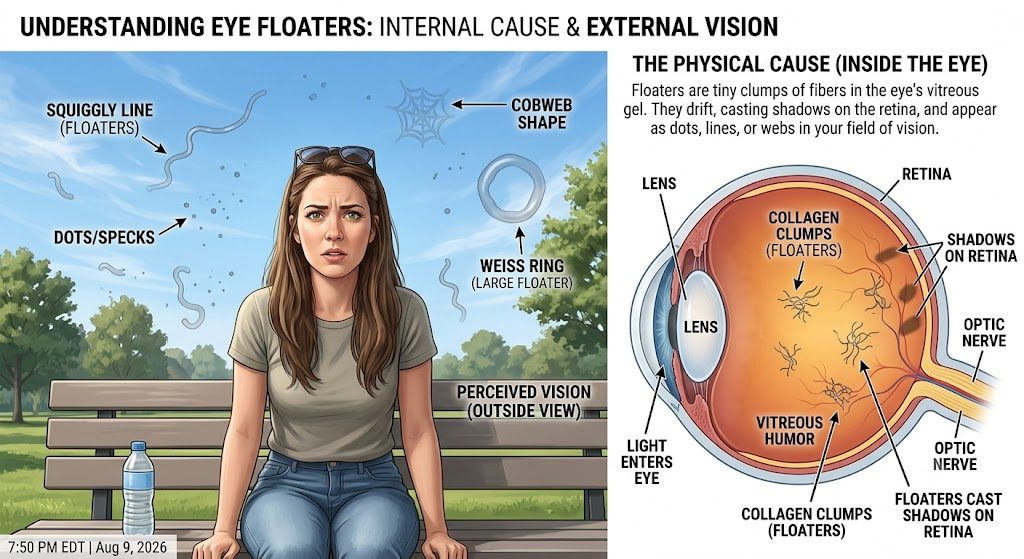
Eye Floaters
You may occasionally notice specks or cobweb-like images drifting across your vision, particularly when looking at a bright sky or a plain wall. These are eye floaters, common occurrences that can sometimes be a benign aspect of aging, though they warrant understanding. This guide explores their origins, how they manifest, and various approaches to managing them.
Key Takeaways:
- Vitreous syneresis, which is the age-related liquefaction and clumping of collagen fibers in the vitreous humor, is the most common cause of eye floaters, but other conditions, such as posterior vitreous detachment (PVD), can also contribute.
- Observing new floaters, especially when accompanied by flashes of light or a sudden shower of dots, warrants immediate examination by an ophthalmologist to rule out serious retinal issues such as tears or detachment.
- While most floaters are benign and do not require intervention, persistent, vision-impairing floaters might be considered for treatments like vitrectomy, a surgical procedure to remove the vitreous gel, or YAG laser vitreolysis, which aims to break up larger floaters.
- Traditional Chinese Medicine (TCM) views floaters as potential indicators of underlying systemic imbalances, often linking them to deficiencies in liver and kidney yin or stagnant qi and blood, which influence eye nourishment.
- Acupuncture, a core component of TCM, targets specific meridian points to address these imbalances, aiming to improve ocular circulation and support the metabolic processes that might mitigate floater presence or perception.
- Homeopathic treatments for eye floaters focus on individualized remedies selected based on the patient’s unique symptom presentation and overall constitutional health, seeking to stimulate the body’s self-healing mechanisms.
- Lifestyle adjustments, including a nutrient-rich diet with antioxidants, adequate hydration, and managing systemic conditions like hypertension or diabetes, can support overall eye health and potentially influence the progression or severity of floaters.
What Are the Causes of Eye Floaters?
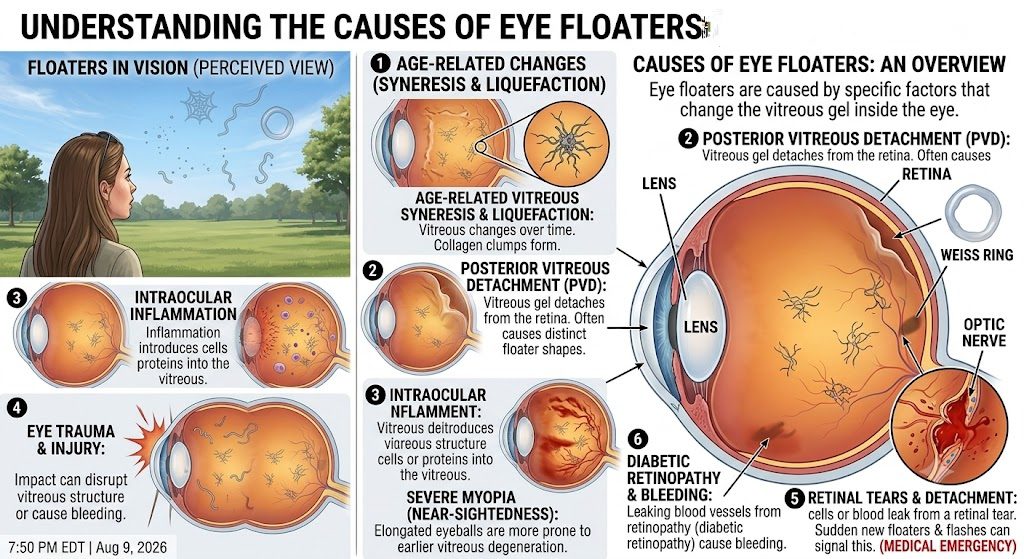
- Natural Aging: The vitreous gel shrinks and liquefies over time, causing collagen fibers to clump together.
- Posterior Vitreous Detachment (PVD): The shrinking gel pulls away from the back wall of the eye.
- Nearsightedness (Myopia): People with high myopia are more prone to developing floaters earlier in life.
- Retinal Tear or Detachment: Occurs when the pulling vitreous tears the retina, which can lead to permanent vision loss if untreated.
- Bleeding in the Eye (Vitreous Hemorrhage): Caused by injury, high blood pressure, or diabetic retinopathy.
- Eye Inflammation (Uveitis): Swelling in the middle layers of the eye that releases debris into the vitreous.
- Eye Infections or Injury: Trauma or infections inside the eyeball.
Identifying Symptoms and Potential Risks
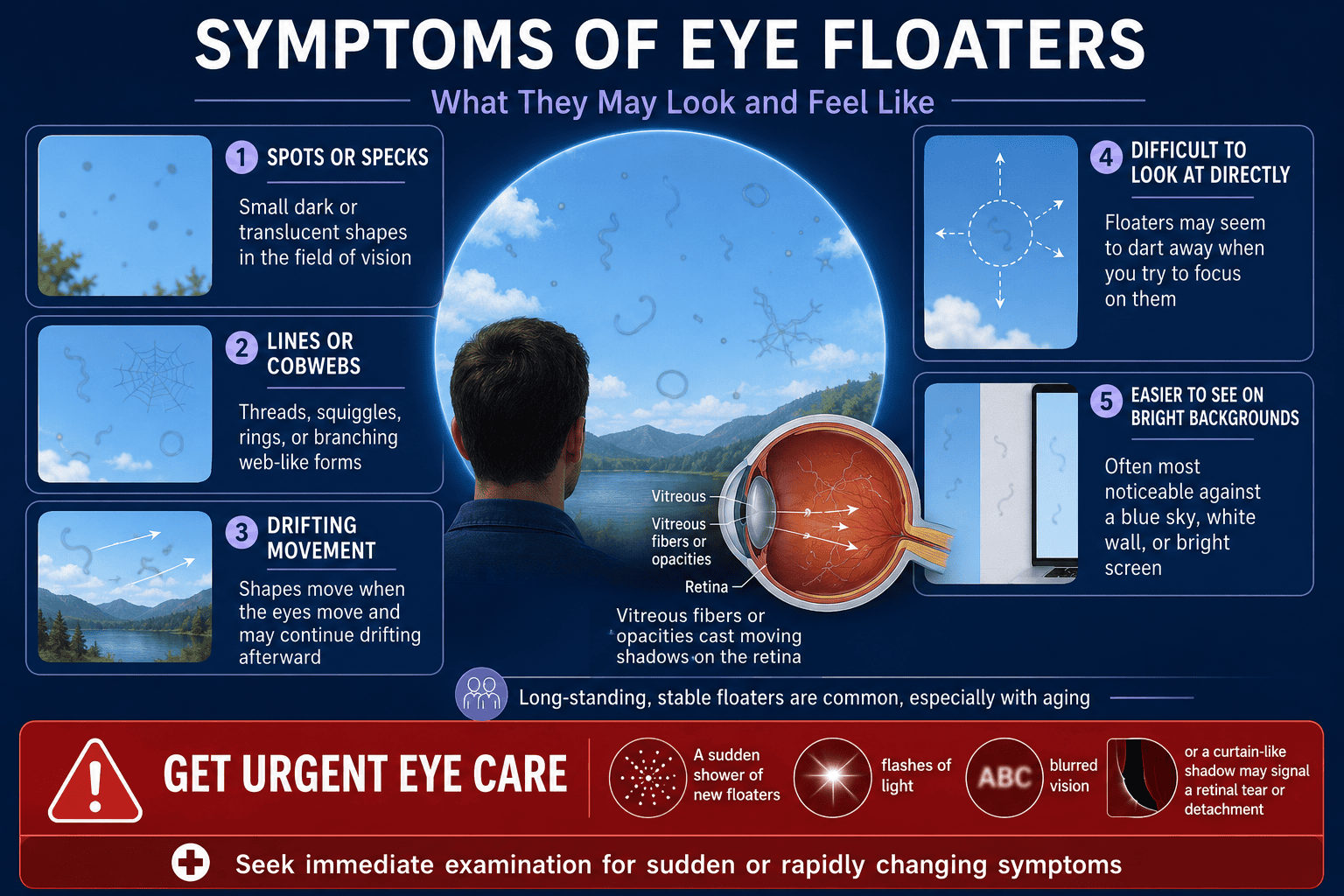
Recognizing common visual disturbances
You might notice small specks, threads, or cobweb-like images drifting across your field of vision. These visual disturbances are typically more apparent when looking at a plain, bright background, such as a clear sky or a blank wall. The shapes are actually shadows cast on your retina by tiny clumps of cells or protein within the vitreous humor, the jelly-like substance filling your eye. When you observe these floaters, you will find they do not stay still when you try to look directly at them; they seem to dart away. This elusive quality is characteristic of most benign floaters, which simply follow the fluid movements within your eye. Their appearance can vary greatly from person to person, with some experiencing only a few subtle spots while others contend with more prominent, intricate patterns. The perception of these floaters is a common experience, especially as you age. Many individuals begin to notice them in their 40s or 50s, a period when the vitreous naturally starts to liquefy and shrink, causing these cellular debris to become more noticeable. This process, known as posterior vitreous detachment (PVD), is a frequent cause of new floaters.
Assessing when eye floaters indicate serious underlying conditions
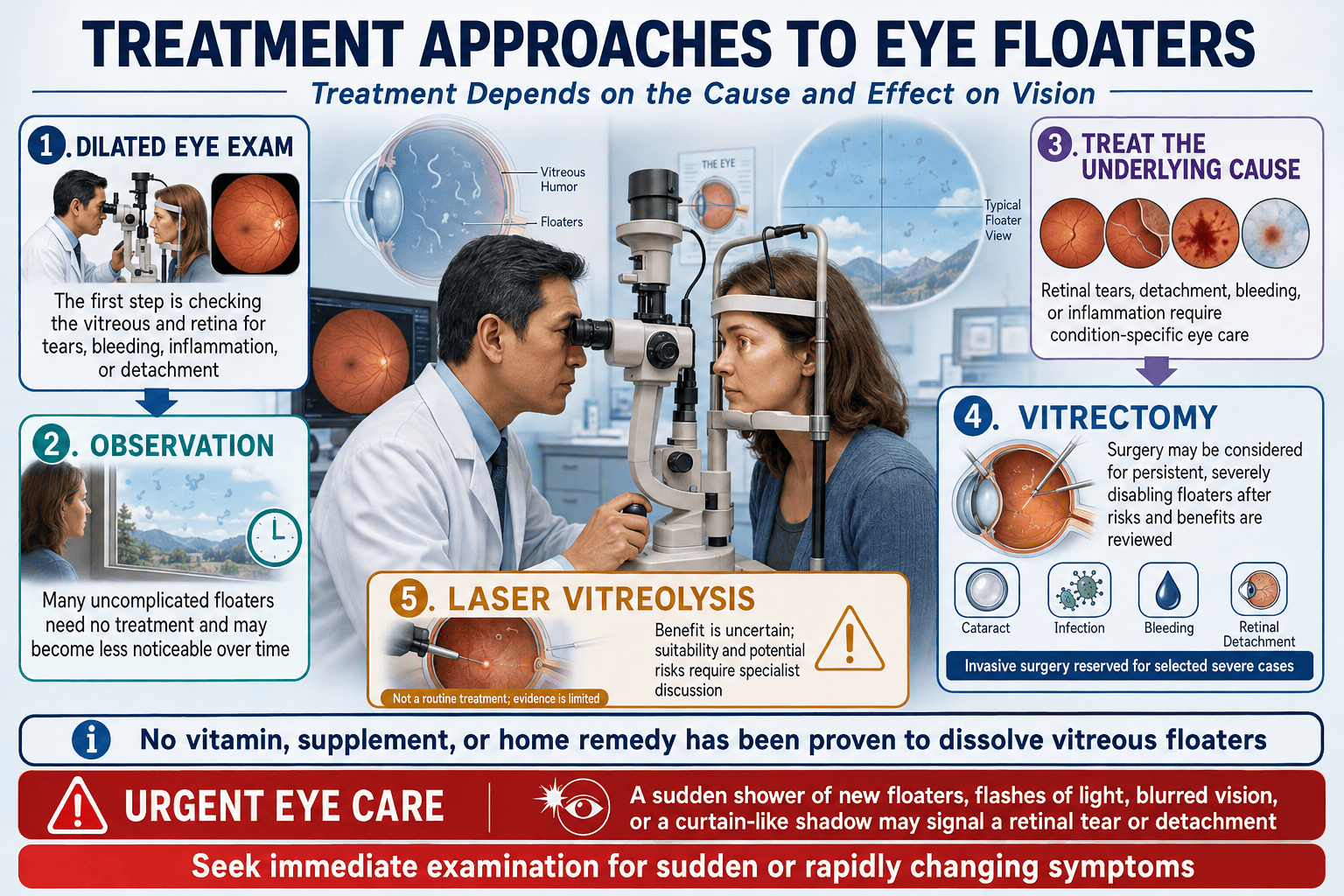
While most eye floaters are harmless, certain accompanying symptoms warrant immediate medical attention. A sudden increase in the number of floaters, especially if accompanied by flashes of light, could indicate a serious condition like a retinal detachment. This condition occurs when the retina pulls away from the underlying tissue, potentially leading to permanent vision loss if not treated promptly. You should be particularly concerned if you experience a “curtain” or “veil” obscuring part of your vision, which is another tell-tale sign of a detached retina. This visual obstruction often starts in the periphery and gradually expands inwards, significantly impacting your field of view. Any such dramatic change in your vision necessitates an urgent consultation with an ophthalmologist to prevent severe complications. Sudden onset of new floaters, especially when combined with a loss of peripheral vision or a darkening of vision, should never be ignored. These symptoms can be indicative of a retinal tear, which can quickly progress to a full retinal detachment. Prompt diagnosis and treatment, often involving laser surgery or cryopexy, are critical to reattach the retina and preserve vision.
Professional Diagnosis and Clinical Oversight for Eye Floaters
Seeking professional medical evaluation is a prudent step when experiencing new or changing eye floaters. While many floaters are benign, a comprehensive examination rules out more serious underlying conditions affecting your vision. An accurate diagnosis ensures you receive appropriate care, whether that involves simple monitoring or more direct intervention for retinal issues. You will want to consult an eye care specialist, particularly an ophthalmologist, for any persistent or concerning visual disturbances. These medical doctors specialize in eye and vision care, performing eye exams, diagnosing and treating eye disease, prescribing medications, and performing eye surgery. Their expertise is crucial for distinguishing harmless vitreous detachments from conditions requiring urgent attention, such as a retinal tear. A thorough professional assessment provides peace of mind and a clear understanding of your specific situation. This initial consultation establishes a baseline for your eye health, allowing your doctor to track any changes over time and intervene promptly if necessary. You learn valuable information about the nature of your floaters and any associated risks.
The role of the ophthalmologist and specialist care
 An ophthalmologist is the primary medical professional to consult for eye floaters and other complex eye conditions. These doctors possess extensive training in the anatomy, physiology, and diseases of the eye. They are equipped to handle everything from routine eye exams to intricate surgical procedures, making them indispensable for comprehensive eye health. Your ophthalmologist will conduct a dilated eye exam, which is a critical part of evaluating floaters. During this examination, drops are used to widen your pupils, allowing the doctor to clearly view the back of your eye, including the retina and vitreous humor. This detailed inspection helps them identify the source of your floaters and assess the overall health of your ocular structures. Some cases may require a referral to a subspecialist, such as a retina specialist. If your ophthalmologist detects or suspects a retinal tear, detachment, or other vitreoretinal pathology, a retina specialist offers even more focused expertise. These subspecialists have additional years of training specifically in diseases of the retina and vitreous, providing advanced diagnostic and treatment options.
Diagnostic procedures for retinal health
Dilated fundus examination remains the cornerstone of diagnosing the cause of eye floaters. This procedure allows your ophthalmologist to directly visualize the vitreous gel and the entire retina. They can look for signs of vitreous detachment, retinal tears, or other abnormalities that might be contributing to your symptoms. If a dense cataract or significant vitreous hemorrhage obstructs a clear view of the retina, your ophthalmologist might use ocular ultrasound. This non-invasive imaging technique uses sound waves to create detailed images of the eye’s internal structures. The ultrasound provides valuable information about the vitreous and retina, even when direct observation is challenging. Optical Coherence Tomography (OCT) offers high-resolution cross-sectional images of the retina. This advanced imaging technology provides microscopic detail of retinal layers, which can help detect subtle swelling, fluid, or early signs of retinal disease that a standard dilated exam might miss. OCT is particularly useful for assessing conditions like macular edema or epiretinal membranes, which can sometimes be associated with floaters. If your ophthalmologist suspects a retinal tear or detachment, they might also perform a scleral depression. This technique involves gently pressing on the outside of your eye with a small instrument, which helps to bring the peripheral retina into better view during the dilated examination. This maneuver is especially useful for uncovering tears located at the very edge of the retina, which can be difficult to see otherwise.
Conventional and Natural Management Strategies for Eye Floaters
Medical interventions and procedural options
For persistent or visually significant floaters, conventional medicine offers several approaches. Your ophthalmologist may discuss vitrectomy, a surgical procedure where the vitreous gel, containing the floaters, is removed and replaced with a saline solution. This method, while effective for severe cases, carries risks such as retinal detachment, infection, and cataract formation, making it a last resort for many individuals. Another option gaining traction is YAG laser vitreolysis, a non-invasive procedure that uses a precise laser to break up larger floaters into smaller, less noticeable pieces. This technique is typically performed in an outpatient setting and generally has a quicker recovery time compared to surgery. However, not all floaters are suitable for laser treatment; those too close to the retina or lens may not be treatable because of the risk of damage. You should always consult an eye care professional to determine the most appropriate course of action. They can assess the size, location, and density of your floaters, along with your overall eye health, to recommend whether a medical intervention is warranted. A thorough examination helps identify and address any underlying conditions before proceeding with treatment.
Lifestyle adjustments for natural reduction
Many people seek natural ways to reduce floaters in their eyes. Maintaining adequate hydration is a simple yet often overlooked factor in overall eye health. Drinking plenty of water throughout the day helps maintain the vitreous humor’s gel-like consistency, potentially reducing the likelihood of collagen fibers clumping together to form floaters. You can also incorporate foods rich in antioxidants into your diet. Berries, leafy greens, and citrus fruits contain vitamins and minerals that support ocular health and may help protect the delicate structures of the eye from oxidative stress. These dietary choices contribute to the overall well-being of your eyes, which can in turn help reduce eye floaters naturally. Protecting your eyes from excessive sun exposure is another important lifestyle adjustment. Wearing sunglasses that block UVA and UVB rays can prevent damage to the eyes, which could otherwise exacerbate existing floaters or contribute to the formation of new ones. This simple measure safeguards your vision and supports the natural processes that keep your eyes healthy. Reducing prolonged screen time can also alleviate eye strain, which sometimes makes floaters more noticeable. Taking regular breaks, practicing the 20-20-20 rule (looking at something 20 feet away for 20 seconds every 20 minutes), and ensuring proper lighting can all contribute to better eye comfort and may help in how to reduce floaters in eyes naturally.
Holistic Perspectives: Chinese Medicine and Acupuncture

Eastern philosophy on ocular health and energy flow
Traditional Chinese Medicine (TCM) views eye floaters not merely as isolated optical phenomena but as manifestations of deeper energetic imbalances within the body. Practitioners consider the eyes to be intricately connected to specific organ systems, particularly the liver and kidneys, which regulate the flow of Qi (vital energy) and Xue (blood). When these systems are out of balance, often due to factors like stress, poor diet, or aging, the delicate energetic pathways supplying the eyes can become disrupted, leading to symptoms like floaters. This holistic framework suggests that the clarity of your vision directly reflects the health and harmony of your internal organs. For instance, a deficiency in liver blood or kidney yin, two common patterns identified in TCM, can fail to nourish the eyes adequately, resulting in the appearance of “flying insects” or “dark shadows” in your visual field. Addressing these underlying systemic issues is paramount in TCM, rather than simply treating the symptom itself. Your body’s intricate network of meridians, which are invisible channels through which Qi flows, also plays a significant role in ocular health. Blockages or deficiencies in these meridians, especially those linked to the liver and gallbladder, can disrupt the smooth flow of energy and blood to the eyes. Restoring this unimpeded flow is a primary goal in TCM, aiming to re-establish the natural equilibrium necessary for clear vision.
Targeted acupuncture techniques for vision support
Acupuncture, a key component of TCM, involves inserting fine needles into specific acupoints along these meridians to restore balance and promote healing. For eye floaters, practitioners often select points that nourish the liver and kidneys, invigorate blood circulation, and clear heat or dampness that might be contributing to the condition. These targeted techniques aim to address the root cause of the floaters, not just their symptomatic presence. Specific acupoints commonly used for vision support include those on the Liver meridian, such as Liver 3 (Taichong) and Liver 8 (Ququan), which help regulate Liver Qi and nourish Liver Blood. Points on the kidney meridian, like Kidney 3 (Taixi) and Kidney 6 (Zhaohai), are also frequently chosen to strengthen kidney yin and support overall essence, both vital for eye health. These points are often combined with local points around the eyes to enhance circulation directly to the ocular structures. Beyond these foundational points, your practitioner might also incorporate distal points on the hands or feet that have a strong energetic connection to the eyes. For example, specific points on the small intestine or bladder meridians can be very effective in resolving visual disturbances. The precise combination of points is always tailored to your individual diagnosis within the TCM framework, considering your overall constitution and specific pattern of imbalance. Acupuncture sessions typically involve a series of treatments, with the frequency and duration depending on the severity and chronicity of your eye floaters. Many individuals report a reduction in the density or frequency of floaters after several sessions, alongside improvements in other associated symptoms like eye strain, dryness, or blurred vision. The cumulative effect of acupuncture aims to create a sustained improvement in ocular health by re-establishing the body’s innate healing capacity.
Homeopathic Approaches to Eye Floaters

Principles of homeopathy in treating vitreous debris
Homeopathy offers a distinct perspective on addressing eye floaters, often referred to as vitreous debris. This system of medicine operates on the principle of “like cures like,” which means that a substance causing symptoms in a healthy person can, when highly diluted, treat similar symptoms in someone who is ill. The practitioner seeks to identify a remedy that matches your unique presentation of floaters, considering not just the visual disturbance but also your overall health and constitutional type. Individualized treatment is a cornerstone of homeopathic practice. A thorough consultation will explore the specific characteristics of your eye floaters, such as their shape, size, and how they move, alongside any accompanying symptoms like eye strain or light sensitivity. This detailed understanding helps us choose a remedy that aims to stimulate your body’s self-healing mechanisms and address the underlying imbalance causing the vitreous changes. Homeopathic remedies are made using serial dilution and succussion (vigorous shaking), which homeopaths believe improves the energetic properties of the substance while reducing any material toxicity. The selection process considers the totality of your symptoms, ensuring the chosen preparation aligns with your unique physiological and psychological profile to support ocular health.
Specific homeopathic remedies and preparations for eye floaters
Several homeopathic remedies are frequently considered for individuals experiencing eye floaters, though the precise choice always depends on your specific symptoms. *Physostigma*, for instance, is often indicated when you experience a sensation of pressure in the eyes or have difficulty focusing, alongside the perception of floaters. Its application extends to cases involving accommodative strain. Another remedy, *Gelsemium*, might be considered if your floaters are accompanied by a feeling of heaviness in the eyelids or general weakness. *Ruta graveolens* is frequently employed for eye strain and fatigue, particularly after prolonged close work, which can sometimes exacerbate the awareness of floaters. These examples illustrate the specific symptom pictures guiding remedy selection. *Senega* is a remedy that could be suggested when you report a sensation of dryness or burning in the eyes, in addition to the presence of vitreous opacities. The practitioner will carefully match these detailed symptom descriptions to the known therapeutic actions of various homeopathic preparations. The goal is to find the closest possible match to your individual presentation. You might also find *Belladonna* recommended if your floaters are associated with sudden onset of symptoms, throbbing pain in the eyes, or extreme sensitivity to light. The exact potency and frequency of administration for any chosen remedy will be determined by a qualified homeopathic practitioner, tailored to your individual response and the progression of your symptoms.
To wrap up
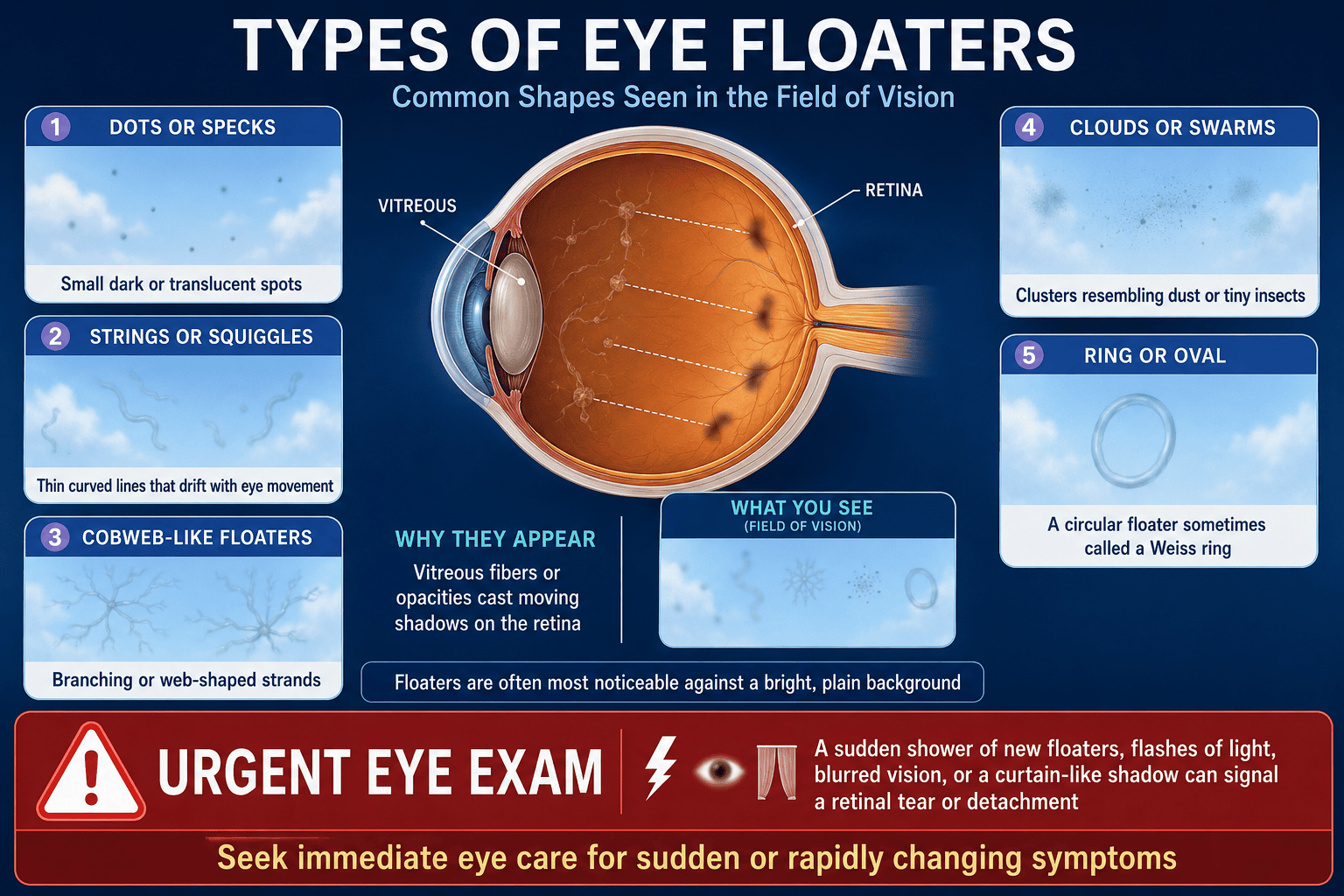
You have a comprehensive understanding of eye floaters, recognizing them as vitreous opacities that can range from benign age-related changes to indicators of more serious underlying conditions. You have explored the primary causes, including posterior vitreous detachment (PVD), and the various forms they can take, such as Weiss rings or cobweb-like strands. Recognizing the specific characteristics of your floaters, like a sudden increase in number or accompanying flashes of light, is necessary for determining when professional medical attention is warranted.
You have also considered the diverse treatment avenues available, from conventional medical interventions like vitrectomy, which carries inherent risks such as cataract formation or retinal detachment, to less invasive laser vitreolysis. Examining holistic approaches, you have seen how traditional Chinese medicine (TCM) views floaters through the lens of organ system imbalances, particularly those involving the liver and kidneys. These perspectives suggest treatments aimed at nourishing yin, clearing heat, or moving stagnant qi and blood, often involving specific herbal formulations.
Considering homeopathic strategies, you have learned that remedies are selected based on your unique symptom presentation and constitutional type, aiming to stimulate the body’s self-healing mechanisms. Whether you choose to pursue conventional treatments, explore complementary therapies like acupuncture and specific nutritional adjustments, or a combination of approaches, an informed decision, made in consultation with healthcare professionals, remains paramount for managing your eye floaters effectively.
FAQ

Q: What are eye floaters?
A: Eye floaters appear as small specks, threads, or cobweb-like shapes that drift across an individual’s field of vision. These are actually tiny clumps of cells or protein within the vitreous humor, the clear, gel-like substance that fills the space between the lens and the retina of the eye. Light entering the eye casts shadows of these opacities onto the retina, which the brain perceives as moving objects.
Q: What causes eye floaters?
A: The most common cause of eye floaters is age-related changes in the vitreous humor. As people age, the vitreous gel begins to shrink and liquefy, pulling away from the retina in a process called posterior vitreous detachment (PVD). During PVD, collagen fibers within the vitreous can clump together, forming the visible floaters. Other causes can include eye trauma, inflammation within the eye (uveitis), diabetic retinopathy, or the presence of blood in the vitreous from various conditions.
Q: What are eye floaters a sign of? Are eye floaters dangerous?
A: Most eye floaters are harmless and represent a normal part of the aging process, particularly PVD. However, a sudden increase in floaters, especially with flashes of light, can signal a more serious condition like a retinal tear or detachment. A retinal tear, if left untreated, can progress to a retinal detachment, which is a medical emergency that can lead to permanent vision loss. Any abrupt changes in floaters or vision warrant immediate examination by an eye care professional.
Q: What type of doctor deals with eye floaters?
A: An optometrist or an ophthalmologist can diagnose and manage eye floaters. Optometrists are primary eye care providers who can conduct comprehensive eye exams, identify floaters, and determine their cause. Ophthalmologists are medical doctors specializing in eye and vision care who can perform eye surgery, if necessary, for conditions like retinal tears or detachments associated with floaters. For concerns about floaters, starting with an optometrist for an initial evaluation is a standard approach.
Q: How can eye floaters be treated conventionally?
A: For most benign eye floaters, no specific treatment is necessary, as the brain often learns to ignore them over time. In cases where floaters are extremely dense or numerous, significantly impairing vision, conventional options may be considered. A vitrectomy, a surgical procedure, involves removing the vitreous humor and replacing it with a saline solution. Another less common procedure is YAG laser vitreolysis, which uses a laser to break up larger floaters into smaller, less noticeable pieces, though its effectiveness varies and it carries risks.
Q: How to reduce floaters in eyes naturally or through holistic approaches?
A: Holistic approaches for eye floaters often focus on supporting overall eye health and reducing inflammation. Nutritional strategies include consuming antioxidants like vitamins C and E, beta-carotene, and omega-3 fatty acids, found in leafy greens, berries, and fatty fish. Hydration and managing blood sugar levels can also contribute to vitreous health. In traditional Chinese medicine, floaters may be linked to liver or kidney imbalances, with acupuncture and specific herbal remedies aimed at resolving these systemic issues. Homeopathic practitioners may suggest individualized remedies based on a person’s specific symptoms and constitution.
Q: Can acupuncture or homeopathic remedies help with eye floaters?
A: Some individuals explore acupuncture and homeopathic remedies for eye floaters, particularly when seeking complementary approaches. In traditional Chinese medicine, acupuncture points are selected to address underlying imbalances believed to contribute to floaters, such as liver qi stagnation or kidney yin deficiency, aiming to improve circulation and reduce vitreous turbidity. Homeopathy involves highly diluted substances chosen to match the individual’s unique symptom picture, with remedies like *Phosphorus* or *Silicea* sometimes considered for eye conditions, including floaters. Evidence supporting the efficacy of these methods for directly eliminating floaters is largely anecdotal or based on small studies; consulting with a qualified practitioner in conjunction with conventional medical advice is advisable.
Natural Treatment for Eye Floaters in Philadelphia
If you are living in the City of Brotherly Love and suffer from eye floaters, contact Philadelphia Holistic Clinic to schedule an appointment with Victor Tsan, MD.
At the clinic, you will receive a comprehensive holistic evaluation and customized natural treatment. All holistic modalities, including acupuncture, homeopathy, reiki, psychotherapy, etc., are available at the Philadelphia Holistic Clinic.