Ankylosing Spondylitis
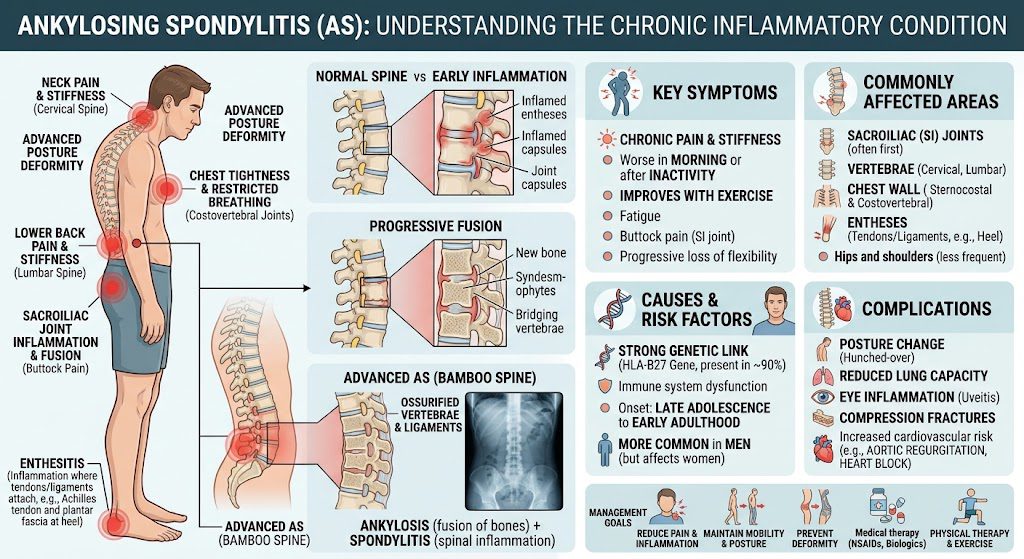
Ankylosing spondylitis is a chronic inflammatory condition that mostly affects the major joints and spine. Severe inflammation can eventually cause the spinal bones to fuse, resulting in a fixed posture and a stiff, rigid spine. Symptoms of ankylosing spondylitis often begin subtly, impacting your spine and larger joints. This chronic inflammatory condition can lead to significant discomfort and reduced mobility if left unaddressed. Understanding its causes, recognizing early symptoms, and exploring available treatment options are crucial steps toward managing this complex disease effectively.
Key Takeaways:
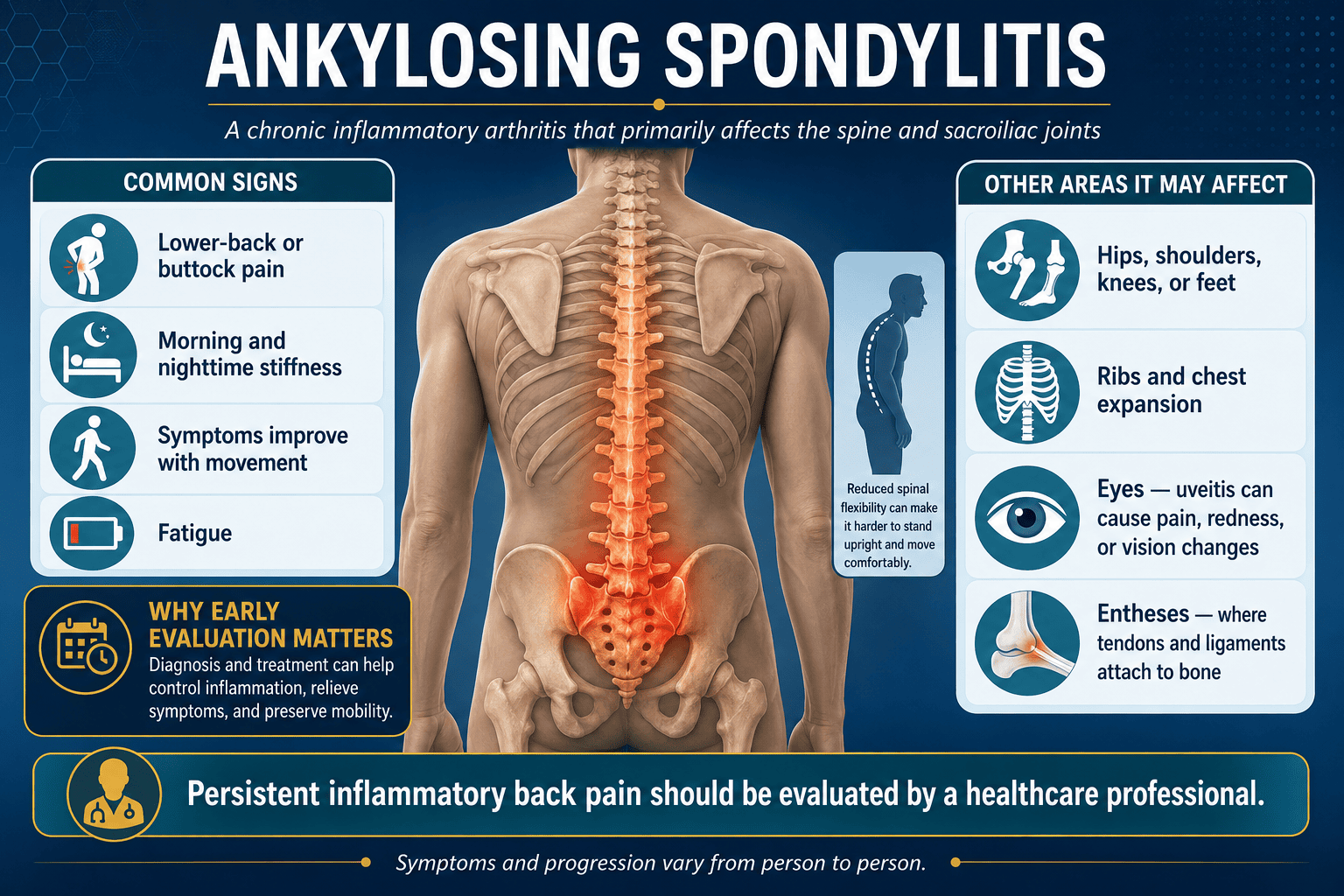
- Ankylosing Spondylitis (AS) is a chronic inflammatory disease primarily affecting the spine, leading to severe pain and stiffness, which can progress to spinal fusion in advanced cases.
- Genetic predisposition plays a significant role in AS development, with the presence of the HLA-B27 gene being a strong, though not exclusive, indicator.
- Initial symptoms often manifest as lower back pain and stiffness, particularly worse in the morning or after periods of inactivity, improving with exercise.
- AS can present differently in women compared to men; women may experience more peripheral joint involvement and less overt spinal fusion, leading to delayed diagnosis.
- Treatment strategies focus on managing pain, reducing inflammation, and preventing spinal deformity through a combination of medication, physical therapy, and lifestyle adjustments.
- Non-steroidal anti-inflammatory drugs (NSAIDs) are typically the first line of pharmacological treatment, with biologics, such as TNF inhibitors, prescribed for those who do not respond adequately to NSAIDs.
- Regular exercise, including stretching and strengthening, along with a balanced diet, forms a crucial part of managing AS symptoms and maintaining mobility.
Understanding Causes and Pathological Triggers
Genetic Factors and Heredity
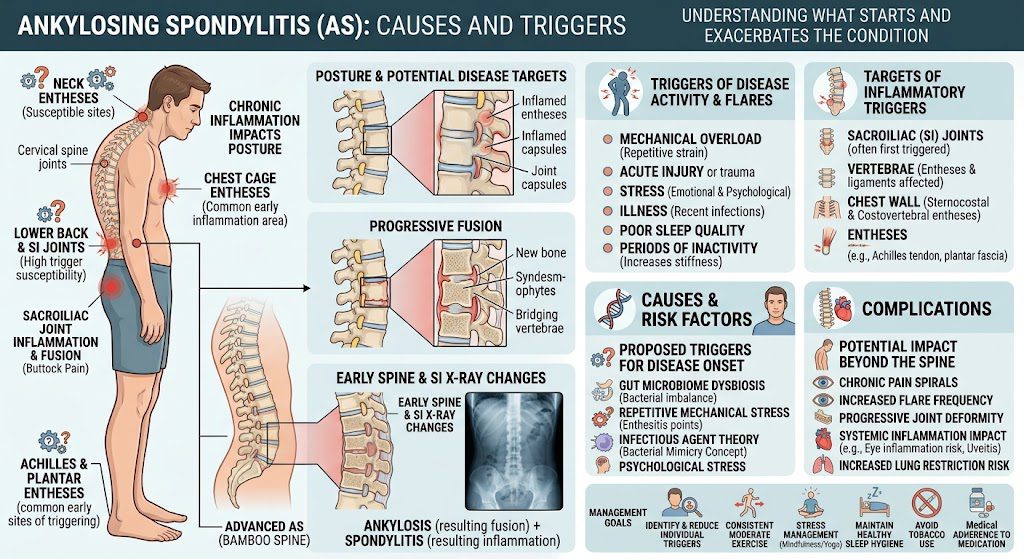
A significant genetic predisposition plays a role in the development of ankylosing spondylitis. You may carry specific genes that increase your susceptibility to this condition. The strongest genetic link identified is with the HLA-B27 gene. Individuals with the HLA-B27 gene have a substantially higher risk of developing ankylosing spondylitis compared to the general population. While not everyone with this gene will develop the disease, its presence is a key indicator of increased risk. This gene is found in a large percentage of individuals diagnosed with ankylosing spondylitis. The precise mechanism by which HLA-B27 contributes to the disease remains an area of active research, but it is thought to play a role in immune system regulation.
- The HLA-B27 gene is present in roughly 90% of individuals with ankylosing spondylitis in some populations.
- Having a first-degree relative with ankylosing spondylitis also increases your personal risk.
- Other genes, beyond HLA-B27, are also being investigated for their potential contributions to the disease’s development.
The interaction of multiple genes, rather than a single genetic factor, likely determines overall susceptibility.
Potential Environmental Triggers
Environmental factors are believed to interact with genetic predispositions to trigger the onset of ankylosing spondylitis. While no single environmental cause has been definitively identified, certain elements are suspected to play a role in initiating or exacerbating the condition in genetically susceptible individuals. These triggers do not cause the disease on their own but may act as catalysts. Infections, particularly those affecting the gastrointestinal or genitourinary tracts, are frequently cited as potential environmental triggers. Some theories suggest that certain bacterial infections might initiate an immune response that, in genetically predisposed individuals, mistakenly targets the body’s own tissues, leading to chronic inflammation. Such infections could include those caused by specific types of bacteria. Other environmental influences, such as exposure to certain toxins or even physical trauma, have been hypothesized as potential triggers, though the evidence for these remains less conclusive. The complexity of these interactions makes isolating specific environmental triggers challenging for researchers.
Gender-Specific Variations in Presentation of Ankylosing Spondylitis
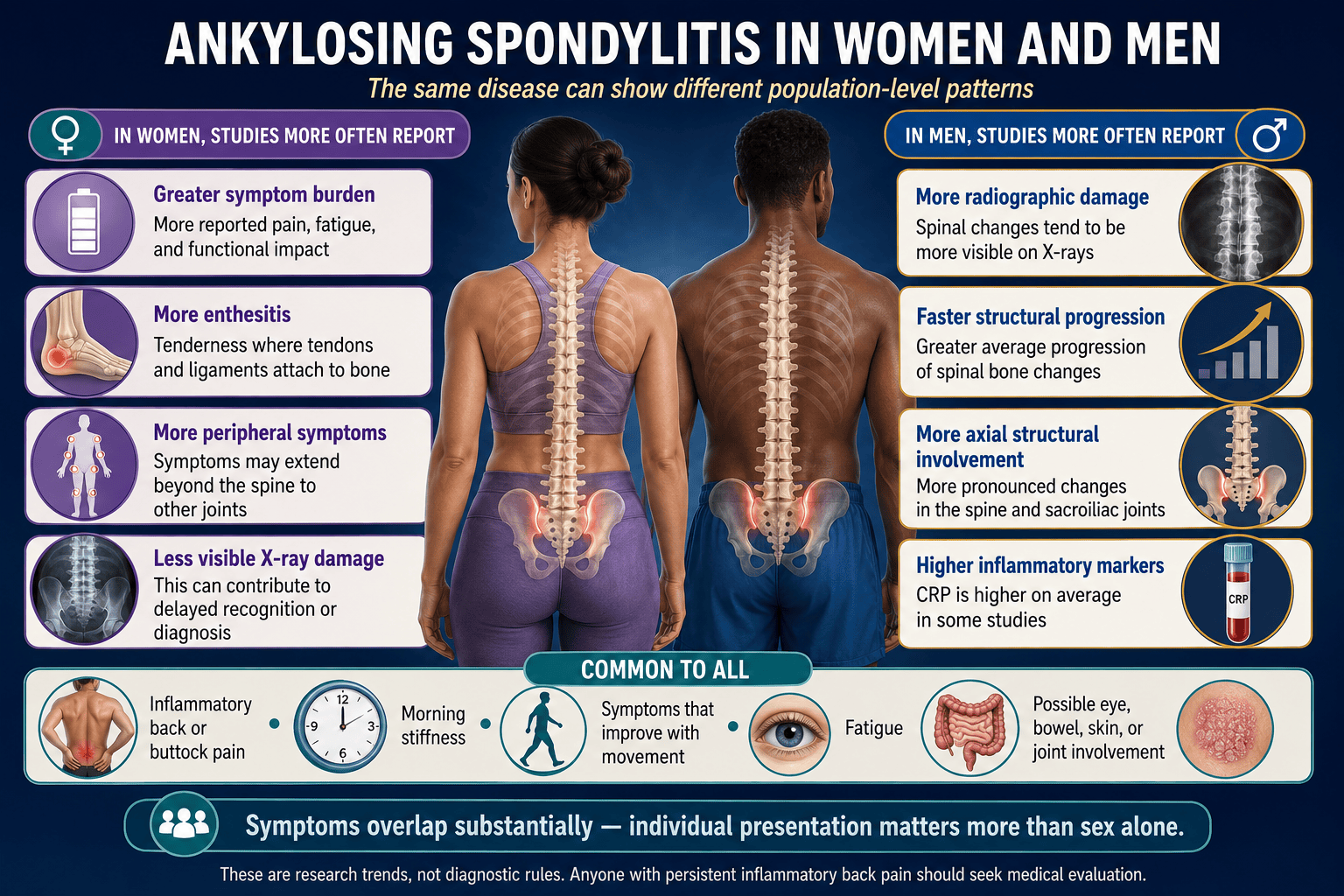
Observing the distinct ways ankylosing spondylitis (AS) manifests in different genders reveals important diagnostic and treatment considerations. While historically considered a predominantly male disease, affecting men at a rate of 2-3 times more frequently than women, recent understanding highlights a more nuanced picture. This evolving perspective acknowledges that AS in women is often underdiagnosed or misdiagnosed due to variations in symptom presentation and disease progression. Recognizing these gender-specific differences is crucial for earlier and more accurate diagnosis. Men typically present with the classic inflammatory back pain and sacroiliitis, often leading to a more straightforward diagnostic pathway. Women, however, frequently experience a broader range of symptoms, which can sometimes mimic other conditions, delaying appropriate medical intervention and management strategies. Considering the unique symptom profiles and disease trajectories for each gender allows for more tailored clinical approaches. You can better understand why a woman might experience peripheral joint involvement more prominently, for example, while a man might exhibit more severe spinal fusion. This differentiated understanding ultimately improves patient outcomes by addressing the specific challenges each gender faces with AS.
Unique Ankylosing Spondylitis Symptom Profiles in Female Patients
Women with ankylosing spondylitis frequently report a wider array of symptoms beyond the typical axial skeleton involvement seen in men. Many female patients experience more pronounced pain in peripheral joints, such as the hips, knees, and ankles, rather than primarily in the spine. Because the symptoms are more spread out, doctors may first think of other rheumatic diseases, like rheumatoid arthritis, before they think of AS. Enthesitis, inflammation where tendons and ligaments attach to bone, also appears more commonly and sometimes more severely in women. You might experience pain in areas like the Achilles tendon or plantar fascia, which can be debilitating and further complicate diagnosis. The diffuse nature of these symptoms often masks the underlying spinal inflammatory process, making it challenging for clinicians to identify AS in its early stages. Fatigue is another prominent symptom often reported by women with AS, sometimes disproportionately to their objective disease activity. This pervasive tiredness can significantly impact daily life and quality of life, adding another layer of complexity to their symptom profile. The subtle and often atypical presentation in women necessitates a heightened awareness from healthcare providers to ensure timely and accurate diagnosis.
Ankylosing Spondylitis Disease Progression and Severity in Men
Men often present with the more classic and severe forms of axial involvement in ankylosing spondylitis. The hallmark symptom of inflammatory back pain, particularly in the sacroiliac joints, tends to be more pronounced and leads to earlier radiographic changes in the spine. This distinct presentation frequently facilitates a quicker diagnosis, as the symptoms align more closely with established diagnostic criteria for AS. Spinal fusion, the progressive stiffening and immobility of the spine due to new bone formation, is generally observed to be more extensive and occur earlier in men. You might experience a more rapid progression toward a “bamboo spine” appearance on X-rays, which is a characteristic feature of advanced AS. This accelerated structural damage can lead to significant functional impairment and a greater loss of spinal mobility over time. Peripheral joint involvement, while possible, is typically less common and less severe in men compared to their spinal symptoms. While you might experience some peripheral pain, the focus of the disease usually remains centered on the axial skeleton. This consistent pattern of spinal-dominant disease progression distinguishes the male experience of AS, often leading to more predictable long-term outcomes related to spinal rigidity.
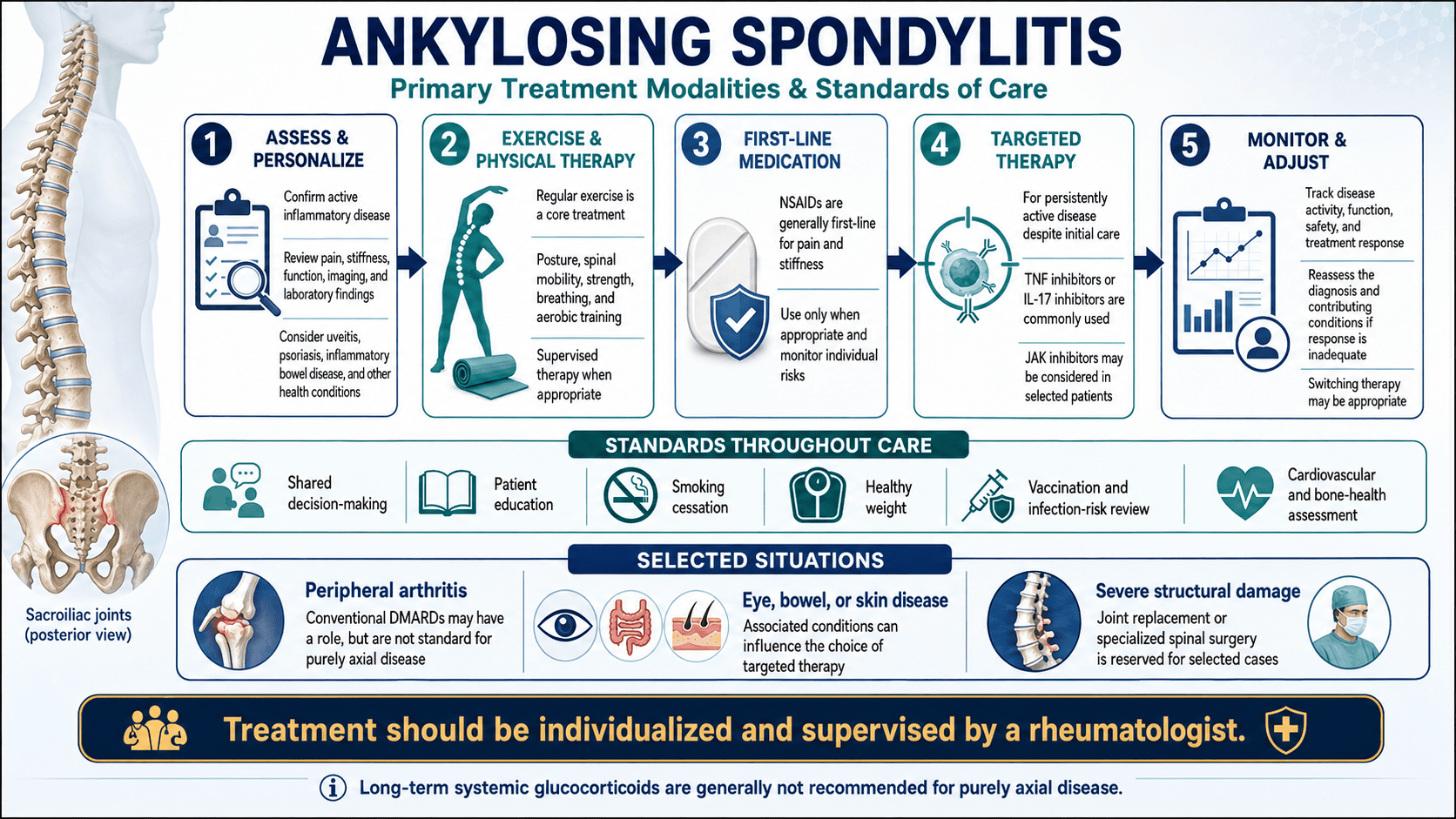
Primary Treatment Modalities for Ankylosing Spondylitis and Standards of Care
Pharmacological Management and Biologics
Managing ankylosing spondylitis (AS) often involves a multi-faceted approach, with pharmacological interventions forming a cornerstone of treatment. Nonsteroidal anti-inflammatory drugs (NSAIDs) are usually the first treatment option, as they effectively reduce inflammation and pain. Regular use of NSAIDs, under medical supervision, can significantly improve your mobility and overall quality of life, particularly in the early stages of the disease. Should NSAIDs prove insufficient, your doctor might consider other options. Disease-modifying antirheumatic drugs (DMARDs), such as sulfasalazine or methotrexate, are sometimes prescribed, especially if you experience peripheral joint involvement (affecting joints outside the spine). These medications work by suppressing the immune system, thereby slowing disease progression and alleviating symptoms. Biologic agents represent a significant advancement in AS treatment, targeting specific inflammatory pathways. Tumor necrosis factor (TNF) inhibitors, for example, have revolutionized care for many individuals, offering substantial relief from pain and stiffness. These advanced therapies are generally reserved for those who have not responded adequately to conventional treatments, providing a more targeted approach to managing the underlying inflammation.
Evaluating the Most Effective Clinical Interventions
Determining the “best” treatment for ankylosing spondylitis is highly individualized, depending on your specific symptoms, disease severity, and response to various therapies. What works effectively for one person may not be ideal for another, necessitating a personalized treatment plan developed in close consultation with your rheumatologist. Regular assessments of your condition and treatment efficacy are crucial for optimizing outcomes. Your doctor will consider several factors when evaluating the most effective interventions. These include the extent of spinal involvement, the presence of peripheral arthritis, and any extra-articular manifestations, such as uveitis (eye inflammation) or inflammatory bowel disease. Tailoring treatment to these specific aspects of your disease presentation ensures a more comprehensive and effective management strategy. Ongoing research continually refines our understanding of AS and its treatments. Clinical trials explore new medications and therapeutic approaches, aiming to improve long-term outcomes and reduce disease progression. Staying informed about these advancements, through discussions with your healthcare provider, can help you make educated decisions regarding your treatment journey. A key aspect of evaluating treatment effectiveness involves regular monitoring of disease activity through clinical assessments and imaging studies. Your physician will track inflammatory markers, assess spinal mobility, and evaluate your pain levels to determine if the chosen intervention is achieving its desired effect. This systematic approach allows for timely adjustments to your treatment regimen, ensuring you receive the most beneficial care for your ankylosing spondylitis.
Lifestyle Management for Ankylosing Spondylitis through Nutrition and Activity
Anti-inflammatory Dietary Considerations
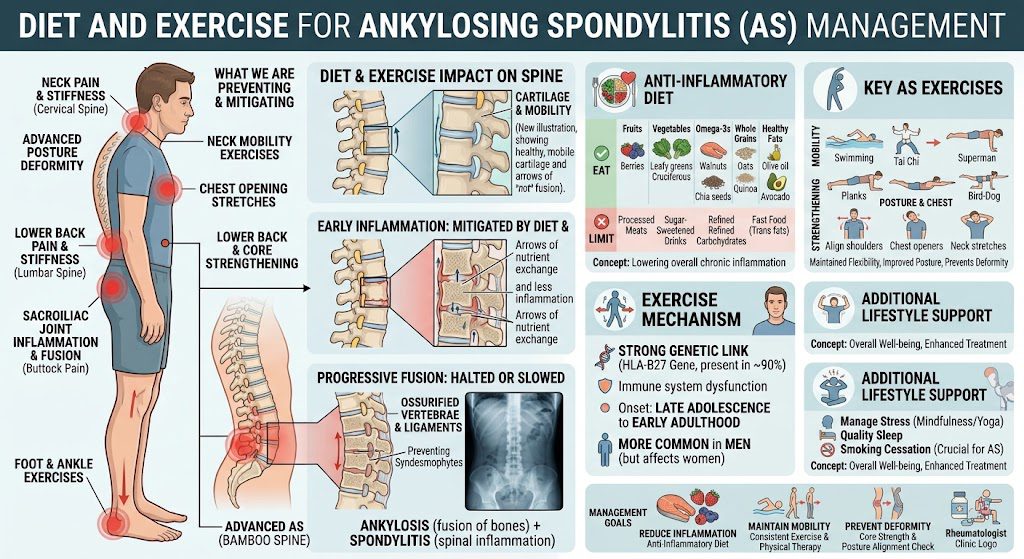
Managing ankylosing spondylitis (AS) often involves a careful approach to your diet, aiming to reduce systemic inflammation. You might consider incorporating foods rich in omega-3 fatty acids, such as salmon, mackerel, and flaxseeds, which are known for their anti-inflammatory properties. Limiting processed foods, refined sugars, and saturated fats can also contribute to a reduction in inflammatory markers within your body. Focusing on a balanced intake of fruits, vegetables, and whole grains provides crucial vitamins, minerals, and antioxidants. These components play a role in supporting overall health and can help mitigate some of the oxidative stress associated with chronic inflammatory conditions like AS. Opting for lean protein sources, such as poultry and legumes, further supports muscle health without contributing to inflammation. Some individuals with AS report benefits from avoiding specific triggers, though these can vary widely from person to person. You may find it helpful to keep a food diary to identify any particular foods that seem to exacerbate your symptoms, allowing you to personalize your dietary strategy for better symptom control. This individualized approach ensures your diet is tailored to your unique physiological responses.
Therapeutic Exercises for Spinal Mobility
Engaging in regular therapeutic exercises is fundamental for maintaining spinal mobility and reducing stiffness associated with ankylosing spondylitis. You should prioritize movements that encourage flexibility in your spine, hips, and shoulders, preventing the progressive fusion that can occur with AS. Gentle stretching, performed daily, can significantly improve your range of motion. Water-based exercises, such as swimming or aqua aerobics, offer a low-impact option that supports your joints while allowing for greater freedom of movement. The buoyancy of water reduces stress on your spine and other joints, making it easier to perform exercises that might be challenging on land. This environment can be particularly beneficial for individuals experiencing significant pain. Pilates and yoga, when modified appropriately for AS, can enhance core strength, improve posture, and increase overall flexibility. You should always consult a physical therapist or a qualified instructor who has experience with AS to ensure exercises are performed safely and effectively, avoiding movements that could strain your spine. A tailored exercise program is crucial for maximizing benefits and minimizing risks. Incorporating deep breathing exercises into your routine can also help maintain chest wall expansion, which advanced AS often compromises due to spinal stiffness. Practicing these exercises regularly can improve lung capacity and overall respiratory function, contributing to your general well-being. Regular, consistent movement remains a cornerstone of managing AS symptoms effectively.
Complementary and Alternative Medicine Approaches to Ankylosing Spondylitis Management
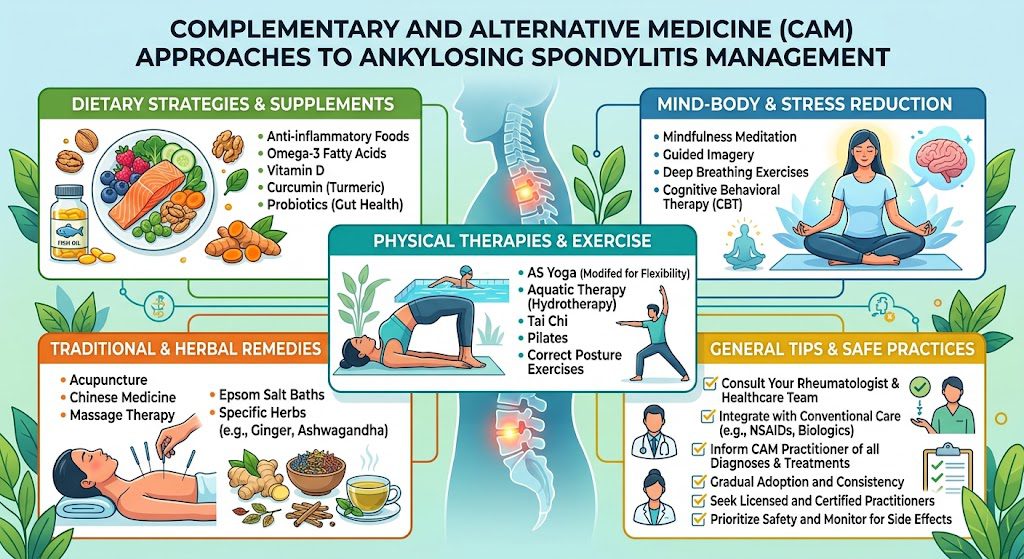 Many individuals explore natural treatments for ankylosing spondylitis, seeking options that may offer relief alongside conventional medical care. These complementary and alternative medicine (CAM) approaches often focus on alleviating symptoms and improving overall well-being. While not a replacement for prescribed medications, some natural treatments for ankylosing spondylitis can be integrated into a broader management plan, potentially enhancing comfort and daily function. Considering various natural treatment for ankylosing spondylitis options involves understanding their purported mechanisms and potential benefits. You might find certain practices, such as specific dietary changes or herbal remedies, appealing for their holistic approach. It is always advisable to discuss any natural treatment for ankylosing spondylitis with your healthcare provider to ensure safety and avoid interactions with existing medications, particularly given the chronic nature of the condition. Exploring these avenues can provide additional tools in managing the complexities of ankylosing spondylitis. For example, some individuals report reduced stiffness and improved mobility through consistent engagement with certain natural treatment for ankylosing spondylitis protocols. The goal is to find strategies that complement your primary medical care, contributing to a more comprehensive and personalized approach to living with ankylosing spondylitis.
Efficacy of Acupuncture in Pain Relief in Ankylosing Spondylitis
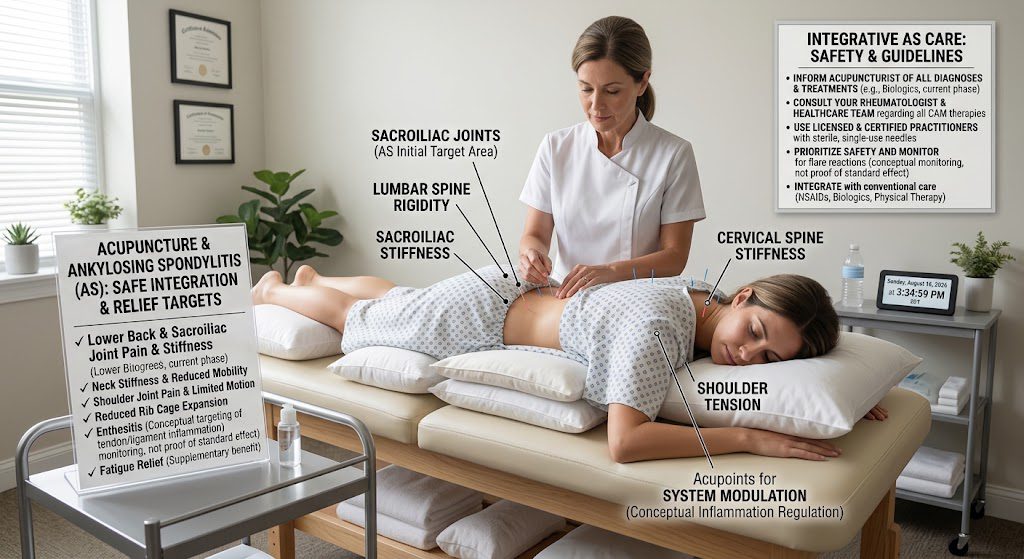
Acupuncture for ankylosing spondylitis is a frequently discussed complementary therapy, with many patients inquiring about its effectiveness. This traditional Chinese medicine technique involves inserting thin needles into specific points on the body, aiming to stimulate energy flow and promote natural healing processes. Proponents suggest it can help modulate pain pathways and reduce inflammation associated with the condition. Is acupuncture effective for ankylosing spondylitis in providing tangible pain relief? Some clinical observations and patient testimonials indicate that individuals experience reduced pain intensity and improved physical function following acupuncture sessions. The precise mechanisms are still being researched, but it is thought to influence the release of endorphins and other neurochemicals that have analgesic effects. You may find that acupuncture for ankylosing spondylitis offers a non-pharmacological option for managing chronic pain. While it may not cure the disease, it can serve as a supportive therapy, potentially decreasing reliance on pain medication for some individuals. Consistent treatment over several weeks is often recommended to assess its full benefit for your specific symptoms.
Homeopathic Remedies for Advanced Ankylosing Spondylitis Management
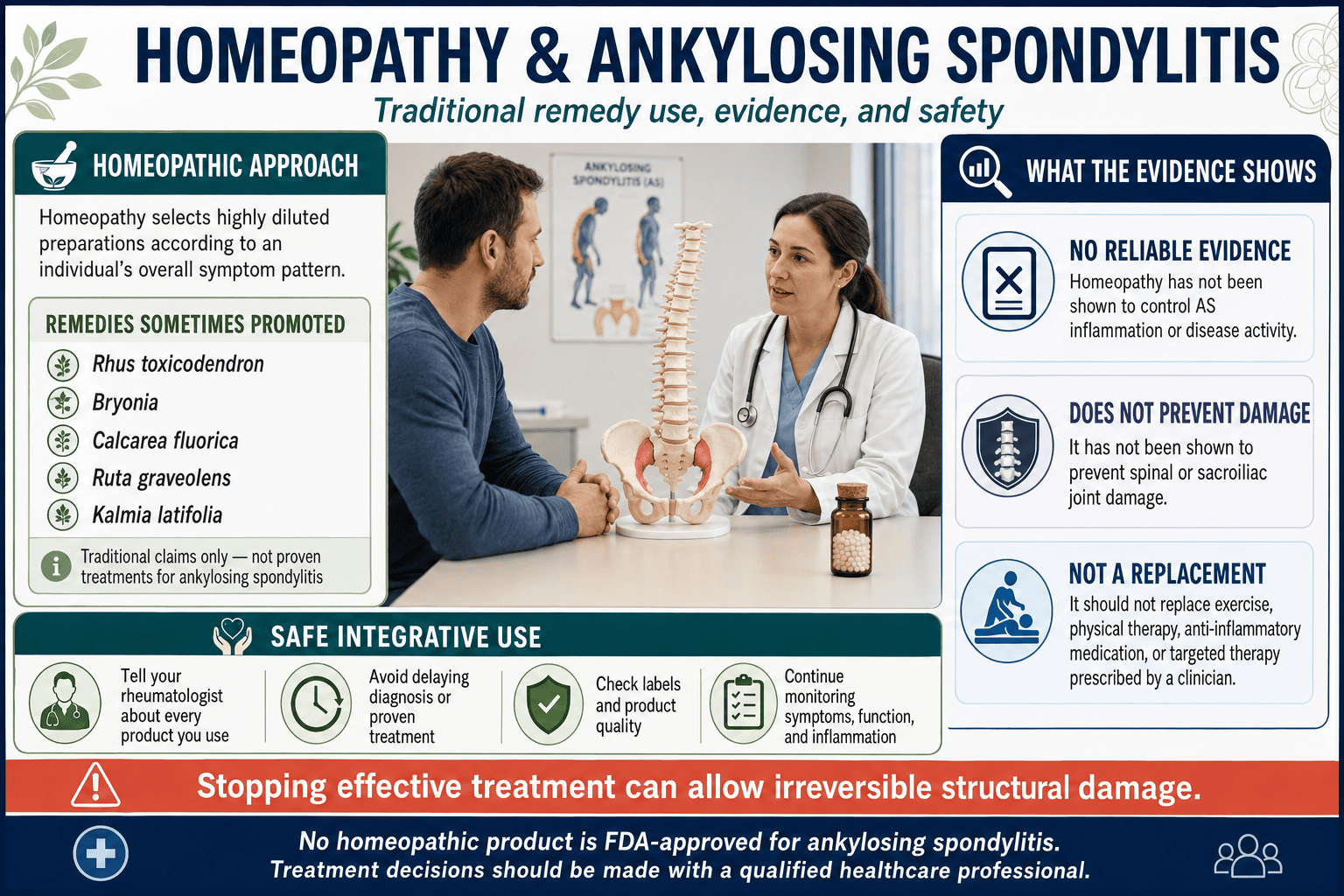
Homeopathy treatment for advanced ankylosing spondylitis presents another alternative approach, focusing on highly diluted substances intended to stimulate the body’s healing response. This system of medicine operates on the principle of “like cures like,” where a substance that causes symptoms in a healthy person is used in minute doses to treat similar symptoms in an ill person. Many individuals seek homeopathic remedies for ankylosing spondylitis as a gentle, individualized treatment option. When considering homeopathy treatment for advanced ankylosing spondylitis, you will typically undergo a detailed consultation to determine a highly personalized remedy. Practitioners aim to match the remedy to your unique set of symptoms, emotional state, and physical constitution. This tailored approach differentiates it from conventional medicine, which often uses standardized treatments for specific conditions. Homeopathic remedies for ankylosing spondylitis are chosen based on a comprehensive symptom picture, including not only physical pain and stiffness but also other constitutional aspects. For instance, a remedy might be selected for a patient experiencing morning stiffness that improves with movement, alongside specific emotional characteristics or reactions to environmental factors. The goal is to address the individual’s overall health imbalance rather than just the disease label.
- Individualized Assessment: Homeopathic treatment for advanced ankylosing spondylitis begins with a thorough case-taking, gathering detailed information about all symptoms, medical history, and lifestyle factors.
- Potentized Remedies: Remedies are prepared through a process of serial dilution and succussion (vigorous shaking), believed to enhance their therapeutic properties while minimizing material substance.
- Holistic Approach: The aim is to stimulate the body’s innate healing capacity, addressing the whole person rather than isolating specific symptoms of ankylosing spondylitis.
| Common Homeopathic Considerations for Ankylosing Spondylitis | |
|---|---|
| Symptom Profile | Specific pain patterns, stiffness, modalities (what makes symptoms better or worse), and accompanying symptoms. |
| Constitutional Type | Overall physical and emotional characteristics of the individual, which guide remedy selection. |
For those exploring homeopathy treatment for advanced ankylosing spondylitis, it is understood that these remedies are not intended to halt the structural progression of the disease but rather to alleviate symptoms and improve quality of life. The effectiveness of homeopathic remedies for ankylosing spondylitis remains a subject of ongoing debate and scientific investigation, with proponents often citing anecdotal evidence and patient satisfaction. Many patients choose this path when conventional treatments have not provided sufficient relief or when they seek complementary support for their chronic condition.
Final Words
You have gained insight into ankylosing spondylitis, a chronic inflammatory condition that primarily affects the spine. This understanding encompasses its complex causes, the diverse array of symptoms it presents, and the spectrum of available treatment options. Recognizing the early warning signs, such as persistent back pain that improves with exercise but worsens with rest, can lead to a more timely diagnosis and intervention, potentially mitigating long-term structural damage. Managing this condition effectively often involves a multi-faceted approach, integrating conventional medical therapies with lifestyle adjustments. You might find yourself working closely with rheumatologists to tailor a medication regimen that includes NSAIDs, DMARDs, or biologics, depending on the severity and progression of your symptoms. These pharmaceutical interventions aim to reduce inflammation, alleviate pain, and slow down the disease’s advancement, preserving spinal mobility and function for as long as possible. Beyond medication, you can significantly influence your quality of life through informed choices in nutrition and physical activity. Regular, gentle exercise, for instance, helps maintain flexibility and strength, counteracting the stiffness characteristic of ankylosing spondylitis. Consulting with physical therapists can provide you with a personalized exercise plan, ensuring movements are beneficial and do not exacerbate your symptoms.
FAQ

Q: What is ankylosing spondylitis?
A: Ankylosing spondylitis (AS) is a chronic inflammatory disease primarily affecting the spine. It can cause severe pain and stiffness, particularly in the lower back and hips, due to inflammation of the joints and ligaments in the spine. Over time, this inflammation can lead to new bone formation, causing sections of the spine to fuse, resulting in a rigid, inflexible posture, sometimes referred to as a “bamboo spine.”
Q: What causes ankylosing spondylitis?
A: The exact cause of ankylosing spondylitis remains unknown, but a strong genetic predisposition is recognized. The presence of the HLA-B27 gene is a significant risk factor, found in a large majority of individuals with AS. However, not everyone with the HLA-B27 gene develops AS, suggesting other genetic and environmental factors also play a role in its development. Research continues into specific triggers and pathways.
Q: What are the common symptoms of ankylosing spondylitis?
A: Early symptoms of ankylosing spondylitis often include chronic pain and stiffness in the lower back and buttocks, which typically worsen after periods of inactivity, such as sleeping. The discomfort tends to improve with exercise. Other symptoms can involve pain in other joints, fatigue, reduced spinal flexibility, and in some cases, inflammation of the eyes (uveitis) or bowels (inflammatory bowel disease). Heel pain and enthesitis, inflammation where tendons and ligaments attach to bone, are also frequent manifestations.
Q: Are there differences in how ankylosing spondylitis affects women and men?
A: Historically, ankylosing spondylitis was considered more prevalent and severe in men. Recent research indicates that men may have more severe spinal fusion, while women often have different symptoms, including more peripheral joint involvement (affecting joints outside the spine) and less obvious spinal changes on X-rays. This can lead to delays in diagnosis for women, as their symptoms may be misattributed to other conditions like fibromyalgia or mechanical back pain. A study published in Arthritis & Rheumatology highlighted these diagnostic challenges.
Q: What are the primary treatment options for ankylosing spondylitis?
A: Treatment for ankylosing spondylitis focuses on managing pain, reducing inflammation, and preventing spinal fusion and deformity. Nonsteroidal anti-inflammatory drugs (NSAIDs) are usually the first line of treatment to control pain and inflammation. Disease-modifying antirheumatic drugs (DMARDs) like sulfasalazine may be used for peripheral joint involvement. Biologic agents, especially TNF inhibitors and IL-17 inhibitors, have changed treatment for many people, slowing disease progression and improving quality of life by targeting specific inflammatory pathways. Physical therapy, including exercises to maintain flexibility and posture, is also a cornerstone of management.
Q: Can diet and exercise help manage ankylosing spondylitis?
A: A healthy lifestyle, including a balanced diet and regular exercise, is highly beneficial for managing ankylosing spondylitis. While no specific “AS diet” exists, some individuals report reduced symptoms by avoiding processed foods, refined sugars, and excessive red meat, favoring an anti-inflammatory diet rich in fruits, vegetables, and omega-3 fatty acids. Exercise, particularly activities that promote flexibility, strength, and optimal posture such as swimming, yoga, and tai chi, can significantly improve mobility and reduce pain. Specific exercises prescribed by a physical therapist can help maintain spinal flexibility and prevent stiffness.
Q: Are complementary and alternative medicine approaches effective for ankylosing spondylitis?
A: Many individuals with ankylosing spondylitis explore complementary and alternative medicine (CAM) therapies in conjunction with conventional treatments. Acupuncture, for instance, may help alleviate pain and stiffness for some people, though scientific evidence on its long-term efficacy specifically for AS is mixed. Homeopathy and other natural remedies lack robust scientific evidence to support their effectiveness in treating the underlying inflammation or preventing disease progression in AS. Patients considering CAM therapies should discuss them with their rheumatologist to ensure they do not interfere with prescribed medications or delay effective conventional care.
Ankylosing Spondilitis Treatment in Philadelphia
At the Philadelphia Holistic Clinic, various natural remedies for ankylosing spondylitis are directed by experienced, licensed medical professionals under the strict supervision of Victor Tsan.
Contact Philadelphia Holistic Clinic at (267) 403-3085 to schedule an appointment for initial evaluation and treatment. We are the #1 holistic medical center in the city and suburbs.