Hidden form of ADHD in adults
A hidden form of ADHD in adults is a common medical condition. ADHD in adults is sometimes impossible to miss and other times far too easy to overlook. The children who exhibit stereotypical symptoms (i.e. hyperactivity or impulsivity) are often diagnosed, while those with not-so-obvious signs (i.e. emotional dysregulation or sleeplessness) may be misdiagnosed into adulthood—or entirely. Here are the signs of ADHD in adults most likely to hide in plain sight.
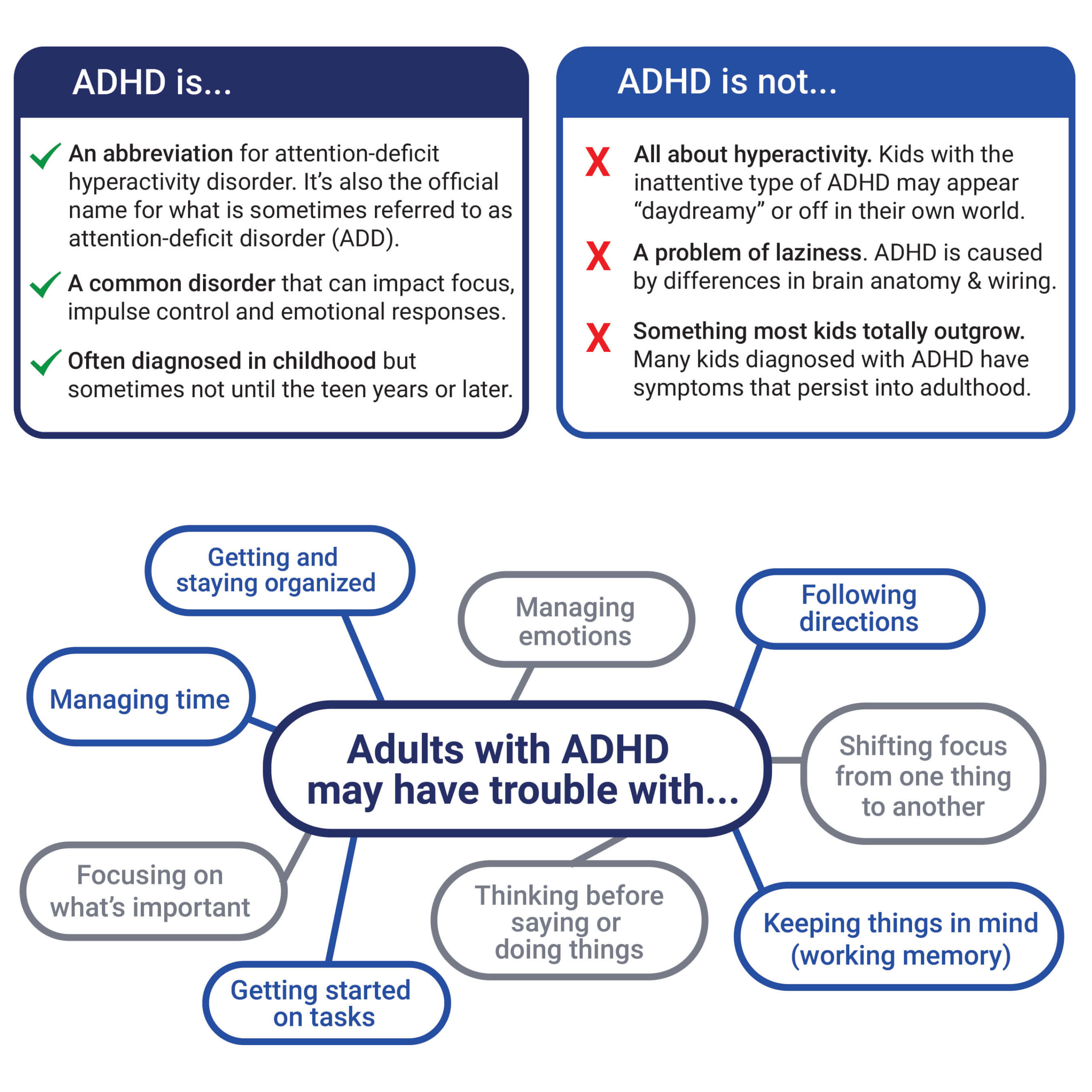
ADHD in adults is often difficult to miss, but at other times, it is far easier to neglect. The children who display stereotyped symptoms (i.e. hyperactivity or impulsivity) are typically detected, while those with not-so-obvious signs (i.e. emotional dysregulation or insomnia) may be misdiagnosed into their adult years– or completely. Here is the Hidden form of ADHD in adults, signs probably to hide in a simple view.
Though it materializes in disparate and dichotomous methods, a hidden form of ADHD in adults is usually connected with only a handful of stereotypical habits and discussions. So, when not-so-obvious ADHD symptoms appear in the broad daytime, they might go ignored or misdiagnosed.
After that, when subtle-but-lifelong symptoms of a hidden form of ADHD in adults blow up (as they are likely to do) under one-of-a-kind and also difficult conditions, they all of a sudden end up being uncontrollable. And it’s only then that lots of adults get the assistance they require.
Here are frequently overlooked indicators and symptoms of ADHD, consisting of unanticipated signs and even those that seem as opposed to the diagnosis.
You can still have ADHD even if you were not identified as a kid.
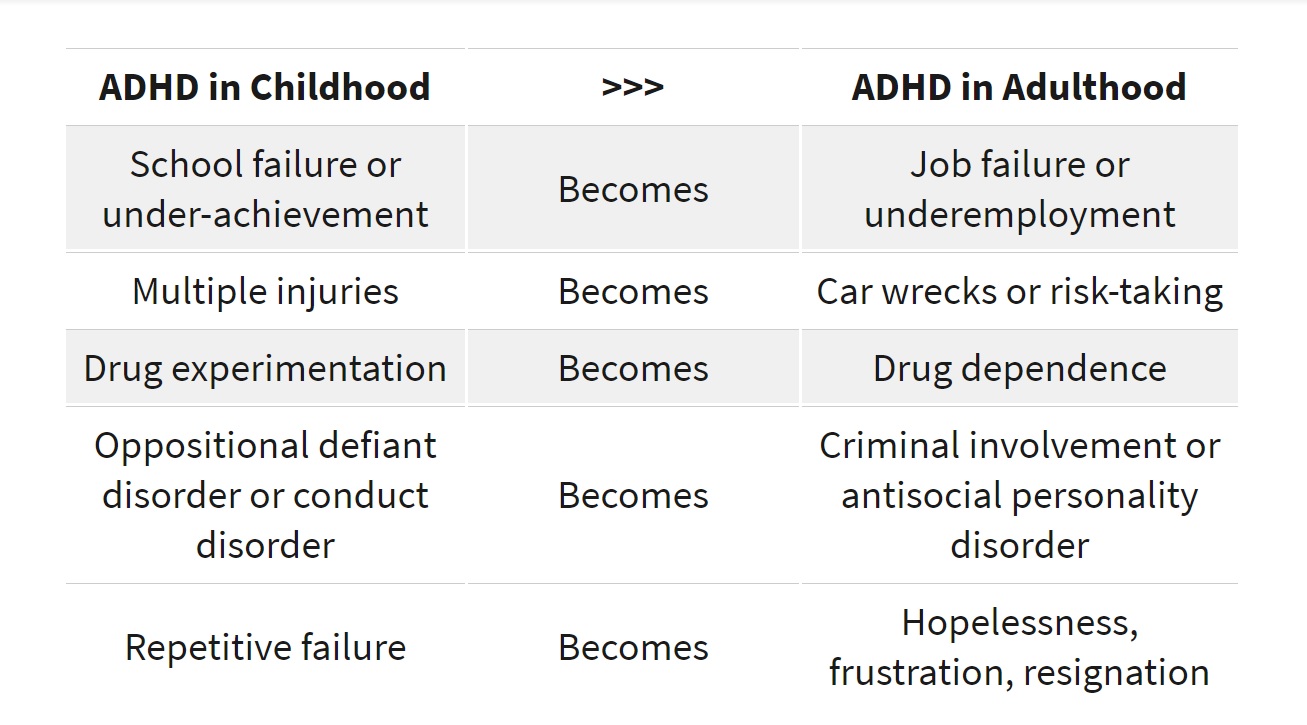
Frequently, symptoms of poor focus, hyperactivity, and also impulsivity continue to be workable thanks to well-honed coping mechanisms that fall apart with a significant life occasion—like acquiring your initial job, getting married, or starting a family. Maybe, for instance, your signs and symptoms remained under control up until you found yourself amid the international pandemic.
While struggling with a hidden form of ADHD in adults, you are not hyper or impulsive, yet you have durations of little motivation and choice paralysis.
The hidden form of ADHD in adults feeds on a spectrum and also presents with multiple signs and symptom variants. The DSM-V categorizes ADHD into three subtypes: mainly the thoughtless type, primarily the hypertype, and the mixed type. Women existing with inattention regularly do more than kids, who are much more generally hyperactive and also impulsive.
A disruptive little boy is more likely to activate the worried focus that results in an ADHD in adults diagnosis than is an unfocused yet non-disruptive little lady that neglects her research tasks. When young girls do present with attention deficit disorder, it is usually the much more benign and much less turbulent type of excessive talkativeness. These “undetectable” symptoms are hardly ever related to ADHD in girls.
In addition, overt hyper, as well as spontaneous actions occasionally, subside or morph earlier in girls, who frequently end up being much more sensitive to others’ assumptions than do most kids. Nevertheless, their hyperactivity does not go away; it changes into an inner uneasiness as well as a loud brain, which appears like difficulty making decisions and also a seeming absence of motivation.
A person who suffers from a hidden form of ADHD in adults can focus, and in some cases, excessively.
ADHD in adults is a misnomer. It is not primarily a disorder of negligence, but one of inconsistent attention. Attention fluctuates relying on an individual’s degree of interest in an activity. Hyperfocus, or intense rate of interest, is on onfluctuates, but still linked to the dopamine deficiencies that additionally add to inattention.
ADHD is frequently missed in adults who hyperfocus more than they struggle with inattention. Hyperfocusing, in some ways, can be seen as a favorite as well as a practical symptom. Yet it does have its disadvantages– transitioning out of extreme emphasis can be challenging, which can disrupt day-to-day tasks.
You do not have a history of difficulties at school—in plain comparison to your disadvantages—transitioning that brought about their earlier ADHD medical diagnosis.
The hidden form of ADHD in adults is UNRELATED to your knowledge, learning efficiency, or level of success. You can be an excellent student, very well-informed and effective, and still have a medical diagnosis of ADHD.
People with a high IQ are typically overlooked for ADHD, as they might still work above ordinary or at a sufficient level despite their shortages. Usually concealing their “typical” performance is the time and also effort it requires to make up for ADHD signs and symptoms.
It is common for individuals with a hidden form of ADHD in adults to create rather obsessive and also compulsive behaviors to manage their symptoms. You may, for instance:
– Over-prepare for an exam to handle anticipated problems with time management and concentration, as well as the preparation that may impact your quality.
You may also find yourself consumed by a need for tidiness, developing a fascination with decluttering strategies and gizmos. For you, it’s a should to make up for your overconsumption and also business troubles.
– Participate in near-compulsive checking habits to take care of persistent forgetfulness as well as the misplacing of items.
These ADHD coping approaches can mimic Obsessive-Compulsive Disorder (OCD); however, the two disorders stand out.
You struggle to manage your feelings and to switch between excessive emotions, and you also lack the ability to do so.
Whether detected as a youngster or late in life, a person with a hidden form of ADHD in adults is most likely to listen to adverse comments concerning their signs and symptoms and habits. They may hear from moms and dads, close friends, as well as others regarding their underachievement, and be accused of laziness, immaturity, as well as narcissism. These long-lasting objections can result in sensations of guilt as well as embarrassment, and also, they intensify issues with emotional law.
Rejection Sensitive Dysphoria, a phenomenon referring to intense unfavorable sensations from regarded or real objection, is additionally part of emotional dysregulation as a major part of the ADHD experience for adults.
Unless a direct examination for hidden ADHD in adults is conducted, mental health professionals may first detect—or misdiagnose—a more noticeable mood or anxiety disorder. A misdiagnosis, particularly, might result in multiple failings with medications prior to receiving an appropriate diagnosis.
The majority of psychoanalysts are not as accustomed to grown-up ADHD as they are with mood and anxiousness diagnoses. It’s only in recent times that the hidden form of ADHD in adults has actually been shown in psychiatry residency training programs.
ADHD in adults: symptoms can be confused with various other conditions during an initial psychiatric assessment. Your medical professional might improperly label your “overloaded and quick-tempered” feelings as anxiousness. You may also suspect you have a mood disorder due to the fact that you really feel “burnt out as well as unmotivated.” In fact, a research study carried out in 2016 by Sternat found that 34% of individuals referred for a treatment-resistant mood condition satisfied the requirements for ADHD.
You fight with sleepless evenings.
Historically, poor sleep had been thought about as a separate issue from a hidden form of ADHD in adults. Nevertheless, researchers have just recently hypothesized that ADHD is additionally related to a dysregulated sleep-wake cycle. It is approximated that 75% of children and also grownups with ADHD have a sleep problem. (European University of Neuropsychopharmacology).
Grownups with ADHD typically run into a number of rest problems. They find it difficult to go to sleep due to a brain that won’t turn off, as well as struggle to remain asleep because of physical restlessness. They additionally have problems waking, as they often tend not to get in the inmost rest stage up until early morning.
You battle with chemical abuse as well as eating disorders.
The absence of adequate dopamine in your mind can lead to boredom and impulsive behaviors, such as misusing restful materials and even disordered eating, especially if the underlying form of ADHD in adults goes undiagnosed.
When individuals lastly seek assistance, they can be misdiagnosed, or identified with only a mood and also or anxiety condition, resulting in an inefficient medicine routine as well as even more anguish as well as pessimism, bolstering the cycle of important abuse, self-medication, as well as disordered consuming patterns.
It is harder to be conscious as well as mentally attuned to others when distractibility is trouble. The hidden form of ADHD in adults may impact your capability to interact and also normally get in touch with a vast array of individuals. Your connections might endure, as well as you might ultimately feel separated from your companion, family, and also good friends.
You may easily lose touch with others due to ADHD signs like the lapse of memory and also disorganization. Sadly, it can cause others to classify you as self-indulgent as well as egocentric.
ADHD can likewise interrupt your emotional and also physical affection with your partner, as well as possibly prevent you from forming romantic relationships in the first place.
Conclusion
The textbook symptoms of Attention Deficit Hyperactivity Disorder—lack of attention, hyperactivity, and impulsivity—fail to replicate many of its most important characteristics: those criteria that outline your perceptions, emotions, and motivation. There is a lot of scientific information on how to recognize and manage the true hallmarks of ADHD of rejection sensitivity, emotional over-arousal, and hyperfocus.
Most people, including doctors, have only a vague understanding of what ADHD means. They assume that this corresponds to hyperactivity and poor focus, especially in children. You are wrong.
When we step back and inquire, “What do we all have in common with the hidden form of ADHD in adults that people without ADHD lack?” Another set of symptoms is taking shape.
The best treatment for ADHD in adults is the use of psychotherapy or hypnotherapy along with homeopathic medications.
Adults should count on working closely with their doctors to adjust medications and dosages and find the right combination for ADHD treatments to relieve symptoms.
Consider a hidden form of ADHD in adults as a serious psychiatric condition that requires attention, proper diagnosis, and treatment. The treatment of choice for ADHD in adults can vary from anti-depressants to acupuncture. It is up to you to decide which way to go and how to fix it. If you chose a holistic approach, contact Philadelphia Holistic Clinic at (267) 403-3085 to schedule an appointment with Dr. Tsan and discuss your problem