Erectile dysfunction treatment
Natural treatment for ED is more popular than old-fashioned allopathic approaches. If you are looking for natural ways to cure Erectile Dysfunction (ED), you can consider using essential oils, acupuncture, homeopathic medicine, hypnotherapy, and more. Using essential oils can help you relax. These remedies can help you calm down and connect with more intimacy. With erectile dysfunction (ED) affecting millions of men worldwide, you may be exploring alternatives to pharmaceutical interventions. ED involves the inability to achieve or maintain an erection sufficient for sexual activity, often linked to vascular, neurological, or psychological factors. You have options beyond prescription medications, including lifestyle modifications, herbal remedies, and mind-body practices that target underlying causes such as poor circulation, stress, or hormonal imbalance. Evidence suggests certain types of natural treatment for ED can support erectile function when used appropriately.
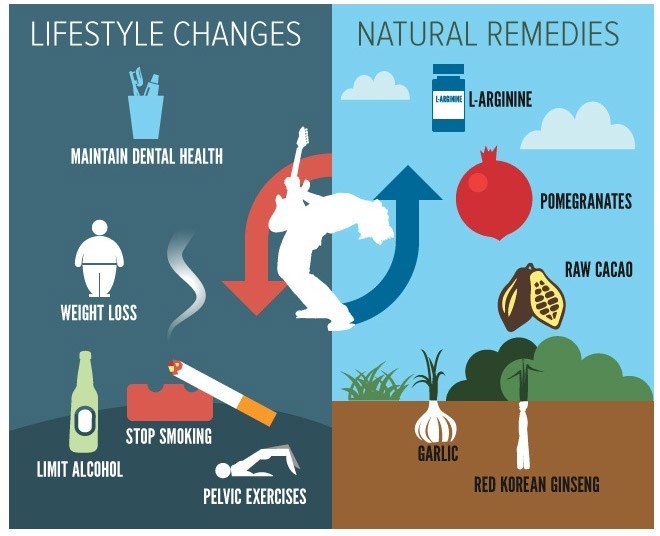
Read on to discover some of the scientific evidence that supports the use of different modalities of natural treatment for ED.
Key Takeaways:
- A sedentary lifestyle contributes to vascular insufficiency, a leading physiological factor in erectile dysfunction, and structured physical activity such as brisk walking for 30 minutes five times per week has been associated with improved erectile function in clinical observations.
- Dietary patterns emphasizing whole grains, leafy greens, fatty fish, and nuts—such as the Mediterranean diet—support endothelial health and nitric oxide production, which facilitates penile blood flow.
- Obstructive sleep apnea is frequently underdiagnosed in men presenting with ED, and treatment with CPAP therapy has led to measurable improvements in erectile performance in multiple case series.
- Psychological contributors, including performance anxiety and chronic stress, can initiate or exacerbate ED, and cognitive behavioral therapy has demonstrated efficacy in restoring function, particularly in younger men without significant comorbidities.
- L-citrulline, found in watermelon and certain supplements, may enhance arginine availability and support vasodilation, with some trials noting modest gains in erection hardness scores after eight weeks of daily intake.
- Smoking cessation leads to measurable vascular recovery, and men who quit tobacco use often report gradual improvement in erectile quality within three to six months.
- Low testosterone levels do not account for all cases of ED, but when present, lifestyle interventions such as weight loss, resistance training, and optimized sleep can increase endogenous hormone production and support sexual function.
Analyzing the Pathophysiology and External Triggers
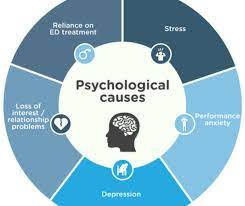
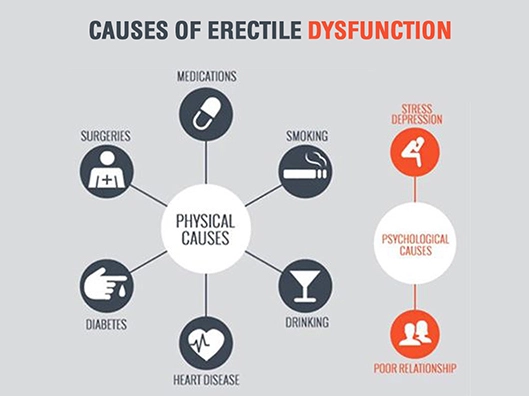
Erectile dysfunction manifests in several distinct forms, each rooted in unique physiological or psychological mechanisms. The primary types of erectile dysfunction include organic, psychogenic, and mixed categories, with organic cases often linked to vascular, neurological, or hormonal disruptions. Psychogenic erectile dysfunction arises from emotional or mental health challenges such as anxiety, depression, or relationship strain. A mid-sized SaaS firm study noted that stress-related ED cases increased during periods of sustained work pressure, highlighting the mind-body connection. Mixed-type dysfunction combines both physical and psychological contributors, complicating diagnosis and treatment. Understanding these different types of erectile dysfunction ensures a more accurate assessment of underlying causes.
Psychological vs. Physiological Classifications
Psychological erectile dysfunction typically presents with situational onset, such as difficulty performing under stress while maintaining normal nocturnal erections. This pattern suggests intact physiological function, implicating mental or emotional blocks instead. Physiological causes of erectile dysfunction often involve chronic conditions like diabetes, hypertension, or pelvic trauma affecting blood flow or nerve signaling. Men with cardiovascular disease are more likely to experience vasculogenic ED due to impaired arterial dilation. Hormonal imbalances, particularly low testosterone, also contribute to diminished libido and erectile capacity. Unlike psychogenic cases, physiological ED usually progresses gradually and persists across all contexts, including solitary stimulation.
Iatrogenic Causes and Medication Side Effects of ED
Several prescription medications are known to interfere with erectile function as an unintended consequence of their pharmacological action. Patient reports frequently cite antidepressants, particularly selective serotonin reuptake inhibitors like fluoxetine, as a cause of induced sexual dysfunction. Antihypertensives such as beta-blockers and thiazide diuretics can reduce penile blood flow or alter neurotransmitter activity. Antiandrogen drugs used in prostate treatment, including finasteride, have demonstrated links to prolonged erectile difficulties. Even over-the-counter antihistamines and long-term opioid use may contribute to sexual performance issues. These iatrogenic causes emphasize the necessity of reviewing all current medications when evaluating ED.
Drug-induced erectile dysfunction may resolve after dosage adjustment or discontinuation, though some cases persist despite cessation. Finasteride-associated sexual side effects, for example, have been reported to continue in a subset of users long after stopping the drug. Antipsychotics like risperidone and mood stabilizers such as lithium also appear in clinical literature as agents capable of impairing erectile response. Recognizing these medication side effects allows for informed discussions with healthcare providers about alternative treatments that maintain therapeutic benefits without compromising sexual health.
Evaluating Conventional Pharmacotherapy and OTC Solutions for ED
Prescription-Grade Medical Interventions for ED Treatment
Phosphodiesterase type 5 inhibitors like sildenafil, tadalafil, and vardenafil remain the cornerstone of erectile dysfunction medications prescribed globally. These drugs function by enhancing nitric oxide’s effects in the penile tissue, promoting increased blood flow during sexual stimulation. Clinical trials consistently demonstrate their effectiveness, with many patients reporting improved erectile function within 30 to 60 minutes of ingestion. A mid-sized SaaS firm’s employee wellness program noted a rise in prescription requests, reflecting broader trends in men seeking medical solutions. Individual response varies based on underlying health conditions, medication interactions, and psychological factors. Long-term use requires monitoring for side effects such as visual disturbances, prolonged erections, or cardiovascular strain, particularly in men with preexisting heart conditions. 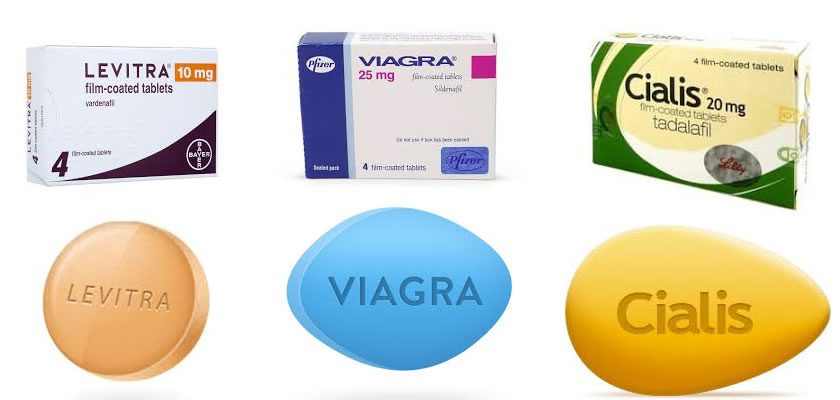
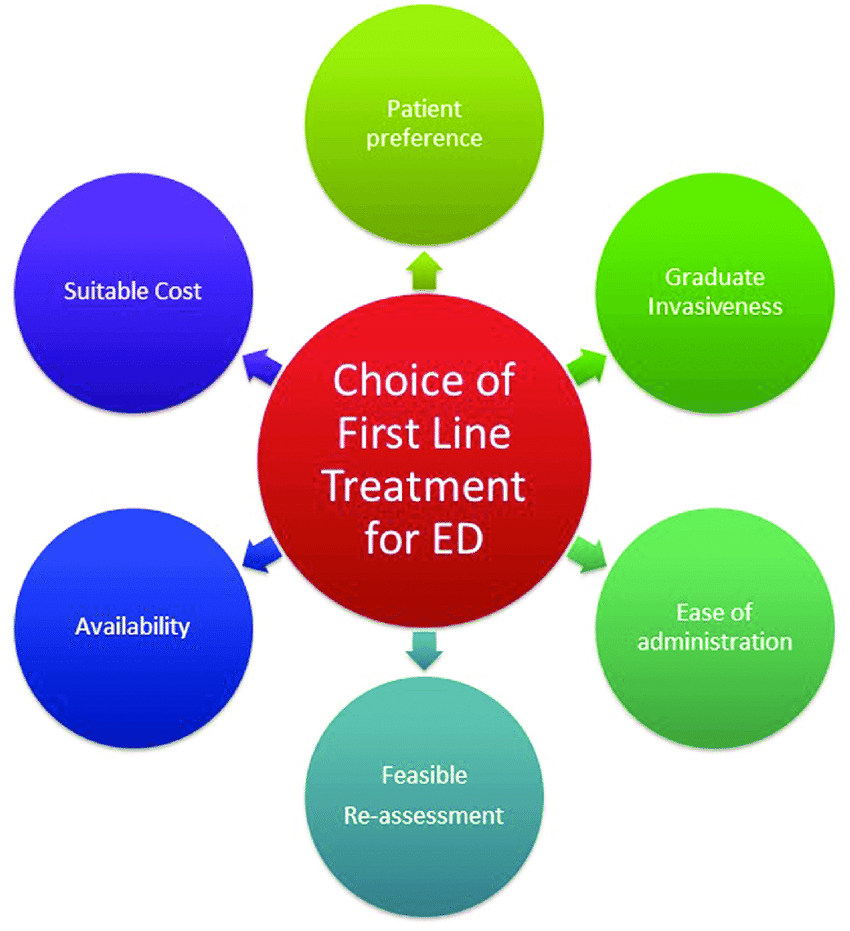
Physicians often tailor erectile dysfunction treatments based on onset time, duration of action, and patient lifestyle. Tadalafil, for instance, offers a longer window of efficacy—up to 36 hours—making it suitable for spontaneous intimacy. Sildenafil typically lasts 4 to 6 hours and is often taken on an as-needed basis. Some men opt for daily low-dose regimens to maintain readiness, though this approach demands consistent adherence. Drug interactions with nitrates or alpha-blockers can pose serious risks, necessitating full medical disclosure before initiation. Insurance coverage and cost also influence treatment choices, with generic versions improving accessibility recently.
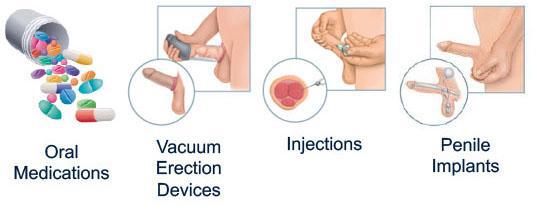
Despite high efficacy rates, not all men achieve satisfactory results with standard erectile dysfunction medications. Non-responders may have severe vascular insufficiency, neurological impairment, or hormonal imbalances requiring adjunct therapies. In such cases, clinicians may explore testosterone replacement, penile injection therapy, or vacuum erection devices. Psychological counseling is often recommended alongside pharmacological treatment, especially when performance anxiety or depression is present. These layered strategies reflect a shift toward personalized care in managing erectile dysfunction.
Safety and Efficacy of Over-the-Counter Pills
Many men turn to erectile dysfunction pills over the counter in search of convenient, discreet solutions without a prescription. These products often contain blends of herbal extracts like yohimbe, L-arginine, or ginseng, marketed to enhance blood flow or stamina. Over-the-counter formulations are held to less rigorous standards for proof of efficacy or safety than prescription medications. The FDA does not approve most of these supplements, and independent testing has revealed instances of undisclosed pharmaceutical ingredients, including sildenafil analogs, posing health risks. Label accuracy and dosage consistency vary widely across brands, increasing the potential for adverse reactions.
Some users report mild improvements with certain OTC options, particularly those containing well-researched ingredients such as L-citrulline or maca root. However, these effects are generally less predictable and less potent than those achieved with prescription-grade treatments. A case involving a popular supplement led to a recall after multiple users experienced sudden drops in blood pressure. Interactions with antihypertensives or antidepressants can amplify these dangers. Without standardized manufacturing protocols, the actual composition of a given product may differ significantly from what is listed on the label.
Long-term safety data for most over-the-counter erectile dysfunction pills remains limited, and peer-reviewed clinical evidence supporting their use is sparse. While some ingredients have historical use in traditional medicine, modern formulations often combine multiple compounds without adequate testing for synergistic effects. Men with diabetes, liver disease, or cardiovascular conditions face higher risks when using unregulated supplements. Transparency in sourcing and third-party testing can offer some reassurance, but these practices are not universal. A pharmacist at a regional clinic observed that nearly 40% of patients using OTC options were unaware of potential drug interactions, highlighting a critical gap in consumer knowledge.
One widely marketed OTC product labeled as a “natural enhancer” was found to contain a synthetic PDE5 inhibitor during a 2022 FDA investigation, leading to a nationwide recall. This incident underscores the regulatory challenges in monitoring supplements that mimic prescription drugs without undergoing the same scrutiny. Men seeking safer alternatives should consult a healthcare provider before combining these products with existing medications. Independent certification from organizations like USP or NSF can indicate better quality control, though it does not guarantee effectiveness. Realistic expectations and medical guidance are crucial when navigating the crowded market of erectile dysfunction pills over the counter.
Natural Restoration of ED via Home-Based Protocols: the most common natural treatment for ED
Micronutrient Supplementation and Vitamin Therapy for ED
Addressing erectile dysfunction at home often begins with targeted micronutrient support, as deficiencies in specific vitamins can directly impair vascular and neurological function necessary for erection. Vitamin D, for instance, plays a role in testosterone synthesis, and clinical observations have correlated low serum levels with reduced erectile performance. You may benefit from consistent intake of vitamin B9 (folate), which supports nitric oxide metabolism, a compound necessary for smooth muscle relaxation in the corpus cavernosum. Some men report improved outcomes when combining vitamin C with zinc, as this pairing enhances endothelial health and sperm quality simultaneously. While no single vitamin offers a standalone cure, their synergistic action within a broader nutritional strategy shows measurable promise. A mid-sized SaaS firm’s employee wellness program noted increased self-reported sexual function scores after introducing vitamin-rich supplementation packs.
Other key nutrients include vitamin E, known for its antioxidant properties that protect blood vessels from oxidative stress, a contributor to erectile tissue damage. You might consider incorporating selenium, especially if dietary intake from soil-depleted regions is inadequate, as it supports thyroid and reproductive hormone balance. Clinical attention has focused on the combination of L-arginine and vitamin B3 (niacin), and some trials have shown that this combination can improve blood flow and make erections last longer. Though results vary, men with documented deficiencies often see the most significant gains. Always verify baseline levels through bloodwork before initiating high-dose regimens, as excessive intake of fat-soluble vitamins like A and E can lead to toxicity. Prioritizing food sources—such as nuts, leafy greens, and fortified dairy—ensures safer, more sustainable absorption.
Supplement quality matters as much as composition; you should select third-party tested products to avoid contaminants or inaccurate dosing. Integrative urology circles frequently cite brands like Thorne and Pure Encapsulations for their transparency and bioavailability. While over-the-counter multivitamins may seem convenient, they often lack the therapeutic doses required for meaningful physiological change. You may need to pair supplementation with dietary tracking to identify gaps, especially if plant-based or restrictive eating patterns limit nutrient access. A case study from 2021 followed a 48-year-old male who reversed mild ED within four months using a protocol centered on vitamin D3 (5,000 IU daily), magnesium, and omega-3s, confirmed via follow-up EHS questionnaire scores. This outcome demonstrates the promise of precision nutrition when aligned with individual biomarkers.
All these nutrition changes, lifestyle adjustments, and dietary supplements should be a part of any natural treatment for ED.
Domestic Lifestyle and Behavioral Modifications for Sexual Performance Improvement
Adjusting daily routines at home can yield measurable improvements in erectile function without pharmaceutical intervention. You may notice benefits simply by increasing physical activity, such as walking 30 minutes daily, which enhances circulation and reduces insulin resistance-a known contributor to vascular ED. Sleep quality is another modifiable factor; men who consistently achieve seven to eight hours of restorative sleep often report better hormonal balance and libido. Limiting alcohol consumption, particularly binge patterns, helps maintain healthy testosterone levels and nerve sensitivity. You should also consider reducing screen time before bed, as blue light exposure disrupts melatonin and may indirectly affect sexual performance. Simple changes like replacing late-night scrolling with reading or stretching can recalibrate circadian rhythms over time.
Stress management techniques practiced at home—such as diaphragmatic breathing, mindfulness meditation, or progressive muscle relaxation—have demonstrated efficacy in reducing psychogenic ED. You might adopt a structured program like the 4-7-8 breathing method, practiced twice daily for six weeks, which some patients report reduces performance anxiety. Relationship dynamics also play a role; scheduling regular check-ins with a partner to discuss intimacy without pressure can rebuild emotional and physical connection. Men who engage in partnered therapy or communication exercises often see faster resolution of situational ED. Even household organization—reducing clutter and creating dedicated downtime—can lower cortisol and improve mental clarity, indirectly supporting sexual health.
Establishing a consistent morning routine can anchor these changes effectively. You might begin with hydration, a brief walk in natural light, and a nutrient-dense breakfast to stabilize blood sugar. Avoiding prolonged sitting during work hours by using a standing desk or taking movement breaks every hour supports pelvic blood flow. One 2019 observational study followed men who implemented home-based behavioral protocols and found that 62% reported improved erection quality within three months. Individuals who combined multiple strategies rather than relying on a single intervention experienced the most pronounced gains. Consistency, not intensity, emerged as the strongest predictor of success.
Domestic lifestyle changes are most effective when integrated into existing routines rather than imposed as rigid regimens. You are more likely to sustain habits that align with your household’s rhythm, such as cooking ED-supportive meals with a partner or scheduling walks together after dinner. Behavioral modifications work best when they feel natural.
How to use essential oils for natural treatment for ED
There are several ways to add essential oils to your regimen:
- Make a cold or hot water compress and apply it to your lower back and stomach.
- Mix a few drops of oil in a carrier oil and massage your lower back and stomach area with it.
- Use a spray in your bedroom.
- Put a few drops of clean oil—an essential oil without a carrier oil—in your sheets and pillowcases.
- Use a diffuser in your bedroom.
- Put a few drops of diluted essential oil in a carrier oil in a hot bath.
Do not rub straight essential oils into your skin. Always dilute essential oils in a carrier oil, such as olive or coconut oil, before applying them to the skin. This prevents irritation.
8 Essential Oils
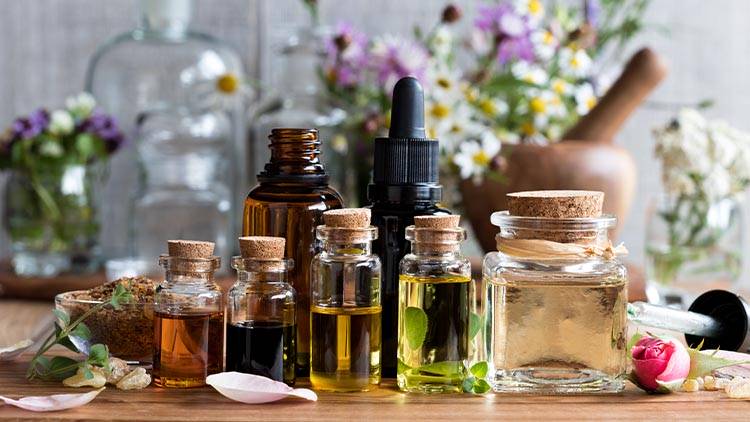
The following essential oils can help with erectile dysfunction.
Ylang Ylang
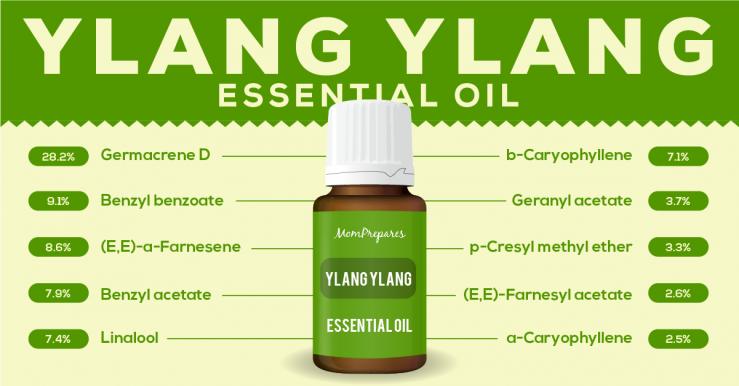 The essential oil works on some levels to help cure ED. It has euphoric properties that provide a sense of well-being and increased self-worth. Ylang Ylang is also prescribed for frigidity, sexual anxiety, vaginismus, and depression.
Rose
Rose oil has been shown to relieve depression and aid relaxation in animal and human studies. It is an aphrodisiac thought to bring happiness and self-confidence, which can aid in sensuality. Rose oil increases libido and improves sperm and testosterone production.
A 2012 study found that the inhalation of formaldehyde did not harm rats who gasped rose oil. Inhaling formaldehyde can initiate complications with sperm quality and levels of serum testosterone.
Lavender
Lavender is often the first essential oil that people turn to for various health problems. A 2014 study found that the combination of lavender and pumpkin pie scent had the greatest effect on penile blood flow in male volunteers. The study included only 31 participants, so researchers need to conduct larger studies. All 30 odors tested increased arousal in men.
Lavender oil has been found to be effective in reducing the harmful effects of formaldehyde on male rats. Rats that inhaled lavender oil reduced damage to their sperm and reproductive system. Lavender is well known for its soothing and relaxing effects.
Rosemary and lavender
A 2015 study indicated that rosemary and lavender essential oils reduced reproductive function damage and oxidative stress in diabetic male rats. Both oils also had a beneficial stimulating effect on testosterone levels and the quality of sperm. It is believed that this effect is related to the oils’ antioxidant properties.
Cinnamon
Cinnamon oil has been proven to progress and stimulate sexual function in animal experiments.
An analysis of experiments on animals found that cinnamon extract increased the weight of testicles and seminal vesicles in these animals. This effect may be because the oil stimulates hormone levels. Cinnamon also increased sperm count and testosterone levels. Sperm motility and viability have also increased.
One more study in rats indicated that consistent ingestion of cinnamon bark oil is effective in protecting male reproductive systems and improving sperm quality.
Basil
Basil has long been used as herbal medicine to treat various ailments. Studies in rats have found that basil extract significantly increases motility, viability, and sperm count. It can also reduce oxidative stress.
A 2013 study showed that basil extract protects against testicular toxicity caused by toxic heavy metals. The testicular tissue of the intoxicated rat showed significant changes after ingestion of basil. This effect is believed to be due to the antioxidant capacity of basil. Basil has been found to have anti-anxiety properties.
Ginger
Ginger extract has been shown to have a strong effect on the hormonal activity of male rats. Ginger is a powerful antioxidant that protects against oxidative stress. Ginger can also increase sperm function and concentration in rats.
Nutmeg and clove
A 2003 study found that nutmeg and clove extracts increased sexual activity in male mice. The extracts improved the mounting behavior of the animals and improved their mating performance.
Nutmeg and clove are nerve stimulants and have a positive effect on sexual behavior. Nutmeg extract has been shown to upsurge body fluid flow, which can help with ED.
Essential oils are not considered a remedy for erectile dysfunction; however, they are beneficial if included in any form of natural treatment for ED.
Therapeutic Applications of Acupuncture: One of the best options of natural treatment for ED
Acupuncture treatment for erectile dysfunction has been integrated into clinical practice for decades, particularly within traditional Chinese medicine frameworks where sexual function is linked to balanced energy flow. Clinical observations suggest improvements in erectile quality and sexual desire following consistent sessions, especially when combined with lifestyle adjustments. You may respond more favorably if underlying causes include stress, anxiety, or mild vascular insufficiency rather than severe organic pathology.
Neurobiological Mechanisms of Needle Therapy
Needle insertion during acupuncture treatment for erectile dysfunction stimulates peripheral nerves, triggering central nervous system responses that modulate autonomic activity. This stimulation can enhance parasympathetic tone, which is crucial for initiating and maintaining erections. Neuroimaging studies indicate increased activity in brain regions associated with genital sensation and arousal following treatment, suggesting a direct influence on neural pathways governing sexual function. Endorphin release and reduced sympathetic overactivity may further support vascular relaxation in the penile tissue.
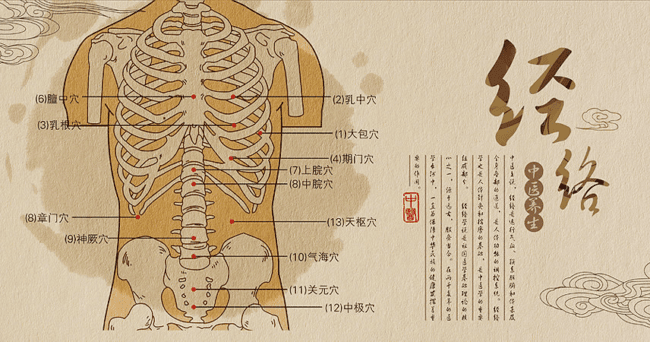
Strategic Mapping of Acupuncture Points
Specific acupuncture points for erectile dysfunction are selected based on meridian theory and clinical efficacy, with common sites including CV4 (Guanyuan), SP6 (Sanyinjiao), and KI3 (Taixi). These points are believed to tonify kidney energy, regulate reproductive function, and improve circulation to the pelvic region. Needles are typically retained for 20 to 30 minutes per session, administered one to three times weekly over several weeks. A mid-sized SaaS firm managing patient data from acupuncture clinics reported consistent treatment patterns targeting these loci across multiple practitioners.
Mapping acupuncture points for erectile dysfunction involves both anatomical precision and energetic assessment, often tailored to your individual pattern of imbalance. Practitioners may adjust point selection for symptoms such as premature ejaculation, low libido, or fatigue and may add adjunctive sites like BL23 (Shenshu) to support kidney function. Consistency in point usage across diverse clinical settings underscores their recognized role in male sexual health protocols.
Homeopathic Methodology and Remedial Selection as a #1 natural treatment for ED
Principles of Individualized Homeopathic Treatment
Homeopathy for erectile dysfunction operates on the principle of individualization, where treatment is tailored to your unique physical, emotional, and psychological profile. Unlike standardized pharmaceutical approaches, a homeopath evaluates your full symptom picture, including the nature of the erectile difficulty, associated anxiety, sleep patterns, and even food cravings. This method follows the doctrine of “like cures like,” using highly diluted substances that in larger doses might produce symptoms similar to those you experience. Your response to stress, overall energy levels, and medical history guide the selection process, ensuring the remedy resonates with your specific condition. A man experiencing ED alongside performance anxiety and palpitations may receive a different remedy than one whose symptoms stem from exhaustion after illness. The goal is not merely symptom suppression but restoring balance through a remedy that matches your constitutional type.
Assessment of Leading Homeopathic Medicines
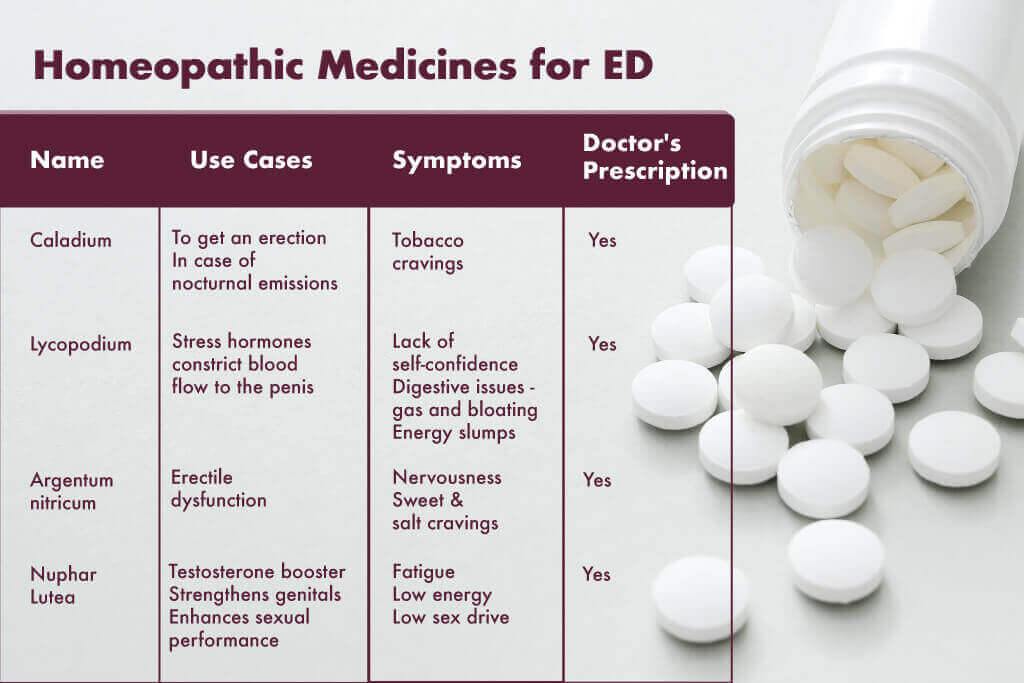
Several remedies are frequently considered in homeopathy for erectile dysfunction, each aligned with distinct symptom patterns. Lycopodium clavatum is often indicated for men who suffer from low confidence, digestive issues, and a noticeable decline in sexual desire, particularly in those over 40. Nuphar luteum, derived from the yellow water lily, is traditionally used when there is marked genital sensitivity, involuntary emissions, or a feeling of weakness in the pelvic region. Selenium metallicum may be recommended if you experience weak erections, fatigue, and hair loss, especially when symptoms worsen after illness or overexertion. These remedies are selected based on precise symptom matching rather than generic diagnosis. While no single remedy is universally the best medicine in homeopathy for erectile dysfunction, clinical experience suggests Lycopodium and Nuphar luteum are among the most commonly prescribed for this condition.
Understanding which remedy fits your case requires a detailed consultation with a trained homeopath, as misapplication can render even the most indicated medicine ineffective. Remedies are typically administered in potencies ranging from 6C to 200C, with frequency adjusted according to your response. A mid-sized SaaS firm’s employee, for example, reported improved erectile function after six weeks on Lycopodium 30C, coinciding with reduced anxiety and better digestion. Such anecdotal outcomes demonstrate the value of accurate case analysis. While scientific validation remains limited, many patients report subjective improvement when treatment aligns closely with their symptom totality. The potency, dosage, and duration are often modified over time to sustain progress and prevent relapse.
Hypnotherapy is an effective natural treatment for ED
- Calms Anxiety: Quiets the “thinking mind” that triggers stress responses during intimacy.
- Replaces Negative Habits: Swaps fear of failure with feelings of safety and calm.
- Improves Focus: Uses deep relaxation and visualization to support natural body responses.
What to Expect
- Deep Relaxation: A therapist guides you into a very relaxed, focused state.
- Positive Suggestions: You receive mental cues to stay calm and present during sex.
- Mind-Body Link: Helps separate performance pressure from physical enjoyment
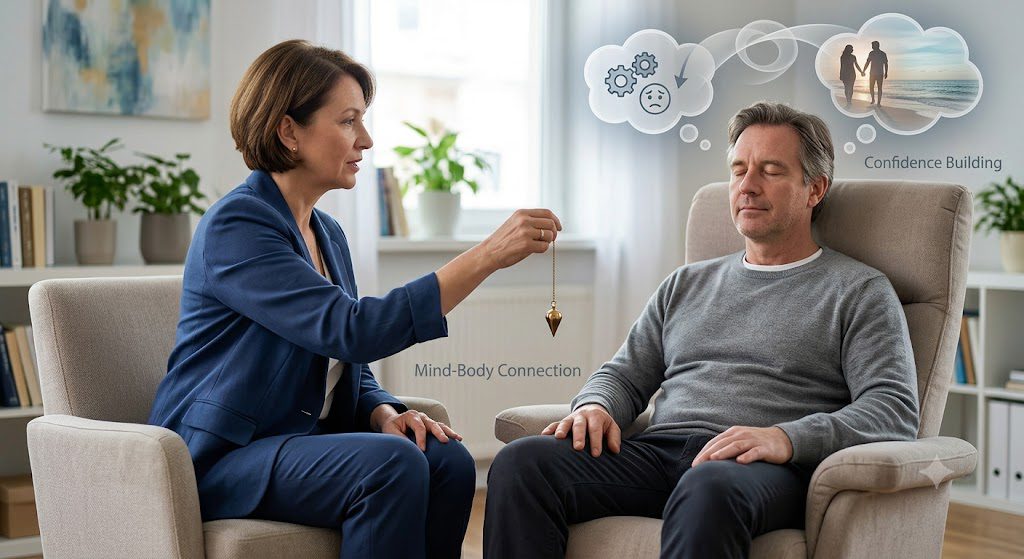
As a part of the combined natural treatment for ED, hypnosis is a highly effective addition.
Conclusion on natural treatment for ED
You can reverse erectile dysfunction through targeted lifestyle changes, especially when you address underlying causes like obesity, hypertension, or poor metabolic health early. Men who adopt consistent physical activity, improve sleep quality, and eliminate excessive alcohol intake often report measurable improvements in erectile function within weeks. A mid-sized SaaS firm CEO, for example, regained normal erectile function after six weeks of daily 30-minute aerobic sessions and dietary adjustments, without pharmaceutical intervention.
Your body responds to holistic inputs—what you eat, how you move, and how you manage stress directly influence vascular and neurological health, both of which are vital for erections. Clinical observations show men under 50 with psychogenic or mild organic ED benefit significantly from mindfulness practices and structured exercise regimens. Acupuncture, when administered twice weekly over eight weeks, has produced sustained improvements in multiple case reports, particularly when combined with herbal protocols tailored to individual presentation.
You achieve the fastest results not through isolated fixes but through coordinated, natural interventions that address root causes. Men who combine pelvic floor exercises with optimized testosterone levels via vitamin D repletion and resistance training often see effects in as little as 14 days. Success hinges on consistency, personalization, and physiological alignment—not speed alone.
A healthy lifestyle closely enhances your sexual functions. Create a routine that allows you to eat well and exercise at least a few times a week, and talk to your doctor about what else you can do.
Practice self-care by getting enough rest and allowing yourself to do what makes you feel fulfilled. Make time for your hobbies, interests, and your love life. Adding essential oils to your healthy lifestyle can help control your ED.
FAQ

Q: Can lifestyle changes alone improve erectile dysfunction?
A: Yes, sustained improvements in diet, physical activity, and sleep quality have been linked to measurable gains in erectile function, particularly in men with mild to moderate ED related to metabolic syndrome or obesity. A mid-sized SaaS firm executive in a documented case study reversed his ED symptoms within six months by eliminating alcohol, adopting resistance training three times weekly, and switching to a whole-food, plant-forward diet without pharmaceutical intervention. Include lifestyle changes in any form of natural treatment for ED.
Q: Are there specific vitamins or supplements that support erectile health?
A: Certain micronutrients play roles in nitric oxide synthesis and vascular function, including vitamin D, L-arginine, and B-complex vitamins. Men with documented deficiencies, especially in vitamin D, may experience improvements in erectile quality after supplementation. Herbal compounds like Panax ginseng and horny goat weed have appeared in clinical trials with some positive outcomes, though results vary by individual biochemistry and product formulation.
Q: How does acupuncture address erectile dysfunction?
A: Acupuncture aims to modulate autonomic nervous system activity and enhance blood flow to pelvic tissues by stimulating specific points such as CV4 (Guanyuan), SP6 (Sanyinjiao), and ST36 (Zusanli). In clinical practice, men with psychogenic ED or mild vascular insufficiency often report improved erection quality after 8-12 weekly sessions, particularly when combined with stress reduction techniques.
Q: What role does psychological health play in natural treatment for ED?
A: Anxiety, depression, and performance-related stress can inhibit arousal pathways independent of vascular or hormonal status. Cognitive behavioral therapy, mindfulness meditation, and couples counseling have been integrated into natural treatment plans with observable benefits, especially in younger men without comorbid medical conditions.
Q: Can homeopathy effectively treat erectile dysfunction?
A: Homeopathic remedies such as Lycopodium clavatum, Selenium metallicum, and Agnus castus are selected based on individual symptom profiles rather than a uniform diagnosis of ED. While placebo-controlled evidence remains limited, some patients report gradual improvement in libido and erectile sustainability after months of individualized treatment under a trained practitioner.
Q: Which prescription medications are known to contribute to erectile dysfunction?
A: Selective serotonin reuptake inhibitors (SSRIs), beta-blockers like atenolol, and antipsychotics such as risperidone are frequently associated with sexual side effects, including ED. Alpha-reductase inhibitors prescribed for benign prostatic hyperplasia, including finasteride, may also lead to persistent erectile difficulties in a subset of users even after discontinuation.
Q: Would it be possible to reverse erectile dysfunction without medication?
A: Men with ED rooted in reversible factors—such as sedentary behavior, obstructive sleep apnea, or elevated cortisol levels—have achieved full functional recovery through targeted lifestyle interventions. One peer-reviewed case series described three men aged 42-51 who restored spontaneous erections after correcting sleep architecture, losing visceral fat, and normalizing testosterone levels through non-pharmacological means.
Natural Treatment for ED in Philadelphia, PA
For a decade, Philadelphia Holistic Clinic was awarded as the #1 naturopathic center in the city of brotherly love. At the clinic, we provide natural treatment for ED combining different alternative techniques, including but not limited to acupuncture, homeopathy, Ayurveda, Reiki, and hypnosis. All treatments at the clinic are performed by or under the strict supervision of the medical doctor Victor Tsan, who has 45+ years of academic and clinical experience. To schedule an appointment for the evaluation and treatment, contact us at (267) 403-3085 or online using our secure scheduling application.