Women often experience hair loss.
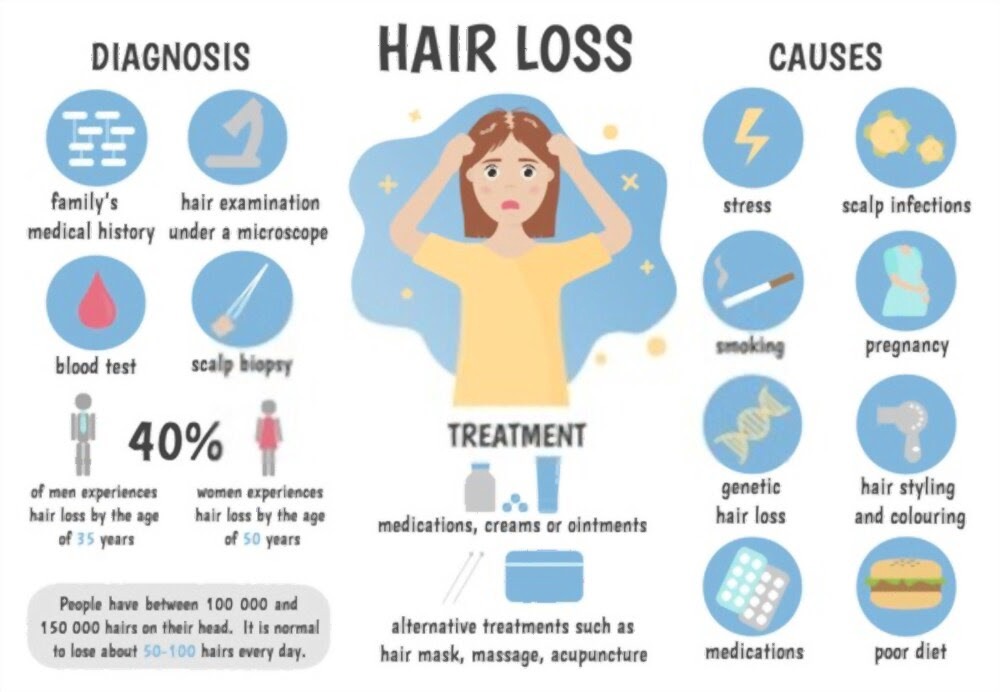
Hair loss in women (alopecia) can only affect the scalp or the entire body, and it can be temporary or permanent. Hair loss in women can be the result of heredity, hormonal changes, medical conditions, or a normal part of aging. Anyone can lose hair on their head, and it is generally more common in men; however, thinning due to stress is more prevalent in women.
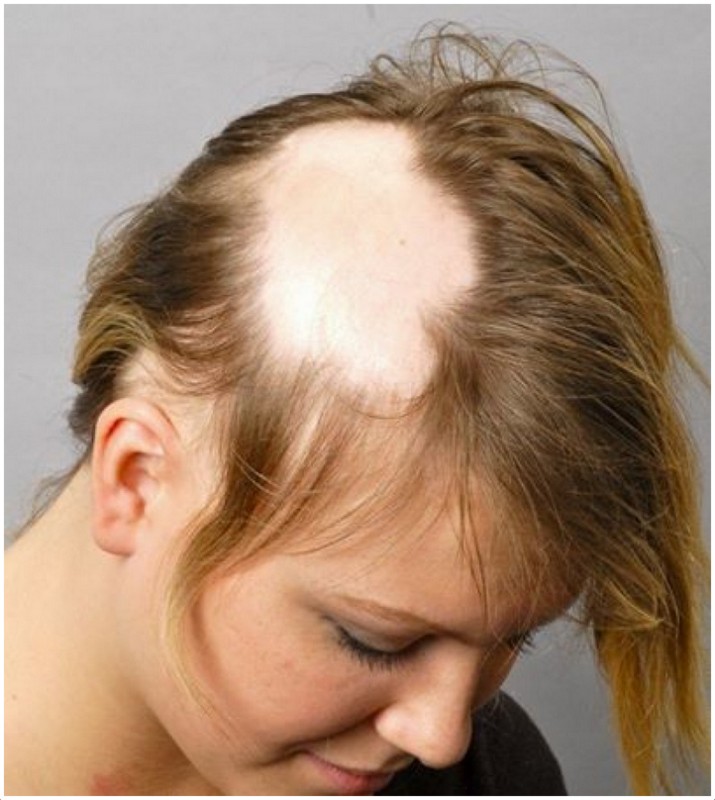
Bald-headedness commonly refers to disproportional hair loss from the skin of your head. Inherited hair loss with age is the most common root of baldness. Some individuals choose to allow their hair loss to progress naturally without seeking treatment or concealing it. Others can cover it up with hairstyles, makeup, hats, or scarves. And still, others choose one of the treatments available to prevent hair loss or restore growth.
The research study was recently published in the journal “Nature.”
It’s well known that chronic stress and anxiety can cause hair loss in women, but just how precisely stress and anxiety cause hair loss in women has actually been an enigma—until now.
Brand-new research performed by researchers at Harvard College might offer an idea.
In research just released in the journal Nature, researchers figured out that a tension hormone maintains hair root stem cells in an “extended resting phase,” suggesting the growth of new hair is put on hold for a longer amount of time than normal.
Pathology of boldness in women.
To better understand the mechanisms of hair loss in women, it is essential to first comprehend the three stages of hair growth. Hair growth occurs in a cyclical process in the hair follicles. The cycle consists of four phases: anagen (growth), catagen (regression/transition), telogen (rest) and exogen (shedding).
Anagen
Anagen is the active or “growing” phase of the cycle when the cells at the root of the hair divide rapidly. The hair grows about 1 cm per month and can remain in this active phase of growth for two to seven years. People who feel their hair does not grow beyond a certain length have shorter anagen phases than those whose hair grows longer.
Catagen
The catagen stage is the transitional part of the cycle and only lasts about two to three weeks. At any given time, approximately 3% of all hair is in the telogen stage. At this stage, hair growth stops and the outer root sheath shrinks and it adheres to the hair root. This procedure creates a so-called “club hair,” which is principally normal hair that has stopped budding and is no longer in the dynamic condition.
Telogen
Telogen is the resting phase of the hair growth cycle when the hair follicle is completely inactive. Normally 6% to 8% of all hair is at this stage, which tends to last around 100 days on the scalp.
In the initial state, hair follicle cells are activated, and hair is continuously generated; in the second state, the hair remains in a resting phase but can still be lost; and in the final stage—degeneration—hair falls out.
“Throughout the relaxing stage, the stem cells are quiescent as well, and hairs shed much more quickly. Hair loss in women can occur if the hairs drop and the stem cells stay quiescent without regrowing brand-new tissue,” clarifies a going-along-with press release on the research’s findings.
Why does normal hair loss in women occur?
On average, we lose 25 to 100 hairs per day. Since other hairs are also growing at the same time (about 100 hairs in anagen grow every day), this amount of shedding usually goes unnoticed. However, when the growth/loss cycle is disrupted, hair loss becomes more apparent. It can also happen if the hair follicle is damaged and scar tissue grows in its place.
Research and studies have shed light on the abnormal hair loss that occurs in women.
The researchers particularly looked at the adrenal glands, which produce a tension hormone called corticosterone, and the connection to hair loss in women in mice. (Corticosterone in computer mice is believed to be the equivalent of the stress and anxiety hormonal agent cortisol that is created in humans.).
Is it all about the adrenal glands?
The researchers operatively eliminated adrenal glands from the computer mice in the study. Later on, they located that the hair follicles in the mice with the gotten-rid-of adrenal glands had a much shorter relaxing phase but went into the growth phase more often. The mice’s hair growth slowed down to a regular pace when they received corticosterone.
Over nine weeks, the researchers additionally administered corticosterone to mice whose adrenal glands were still undamaged. They observed that these mice had elevated corticosterone levels along with decreased hair growth, discovering that their hair roots remained in a resting stage for a longer quantity of time than normal.
[embeddoc url=”https://philaholisticclinic.com/wp-content/uploads/2021/05/FS_APD_Adrenal_Insufficiency_EN612.pdf”]
Adrenal glands are not the cause of hair loss in women—stress is.
“The genuine shock came when we depleted stress and anxiety hormones. Under typical problems, hair root regeneration slows down over time—the resting phase becomes longer as the animals age. But when we removed the anxiety hormones under unstressed regular conditions, the stem cells’ relaxing phase came to be exceptionally brief, and the mice frequently entered the growth stage to restore new hair follicles as well as hairs throughout their lives, even when they were old,” said Ya-Chieh Hsu, the Alvin and Esta Star Associate Professor of Stem Cell and Regenerative Biology at Harvard and senior writer of the research study for Modern Technology Networks.
The scientists cut the mice whose adrenal glands were eliminated. Nineteen days later, they had actually a completely regrown layer, while the mice who did not have their adrenal glands gotten rid of and also were additionally shaved were still mainly hairless.
“So also the baseline level of tension hormone that’s usually flowing in the body is a crucial regulator of the resting phase. Stress and anxiety essentially simply raise this preexisting ‘adrenal gland– hair follicle axis,’ making it a lot more challenging for hair follicle stem cells to enter the growth phase to regrow brand-new hair follicles,” Hsu described in the coming news release on the research study’s findings.
As soon as the link between the tension hormonal agent and also hair root stem cell activity was noted, the scientists then explored the biological device behind the connection.
“We initially asked whether the anxiety hormone was managing the stem cells directly as well as being inspected by securing the receptor for corticosterone, yet this interpretation ended up being incorrect. Instead, we discovered that the anxiety hormone actually acts upon a collection of dermal cells below the hair follicle, referred to as the facial papilla,” Sekyu Choi, another study leader, stated in a statement.
Gas6—another important trigger of hair loss in women.
“Facial papilla is known to be important for activating hair follicle stem cells, but none of the previously determined factors secreted from dermal papilla altered when anxiety hormone degrees were changed. Instead, the tension hormone protected against dermal papilla cells from secreting Gas6, a molecule that the researchers revealed can turn on the hair root stem cells,” checks out the launch.
What is Gas6?
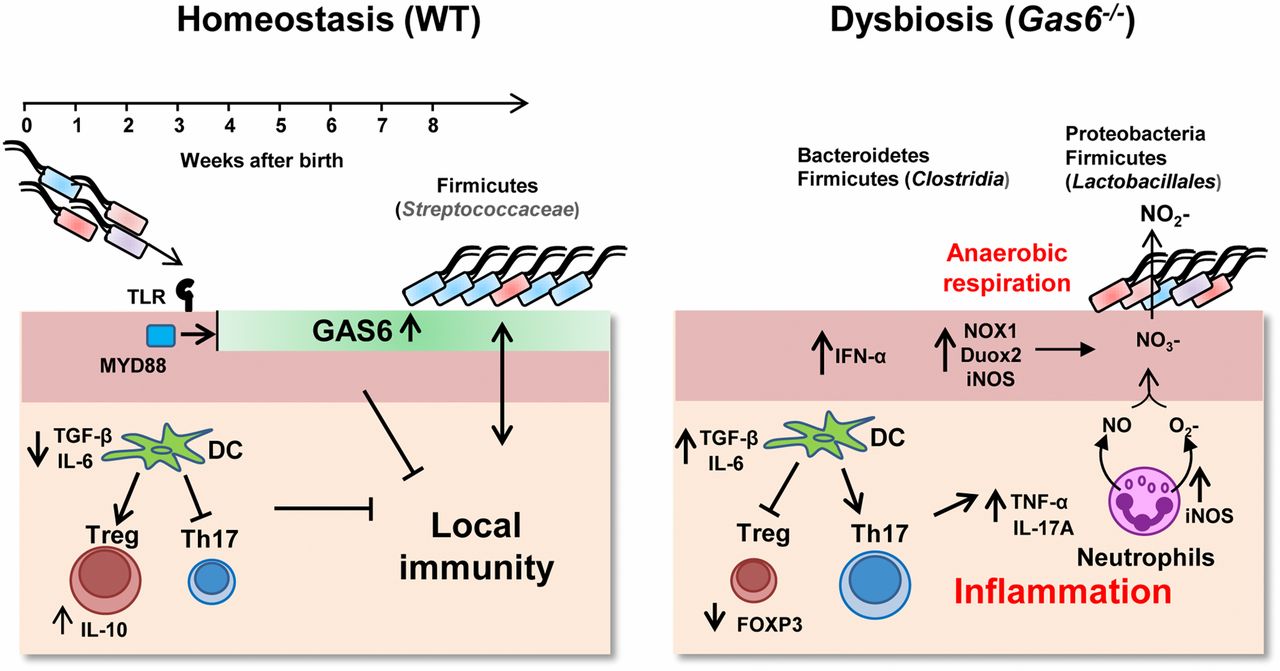
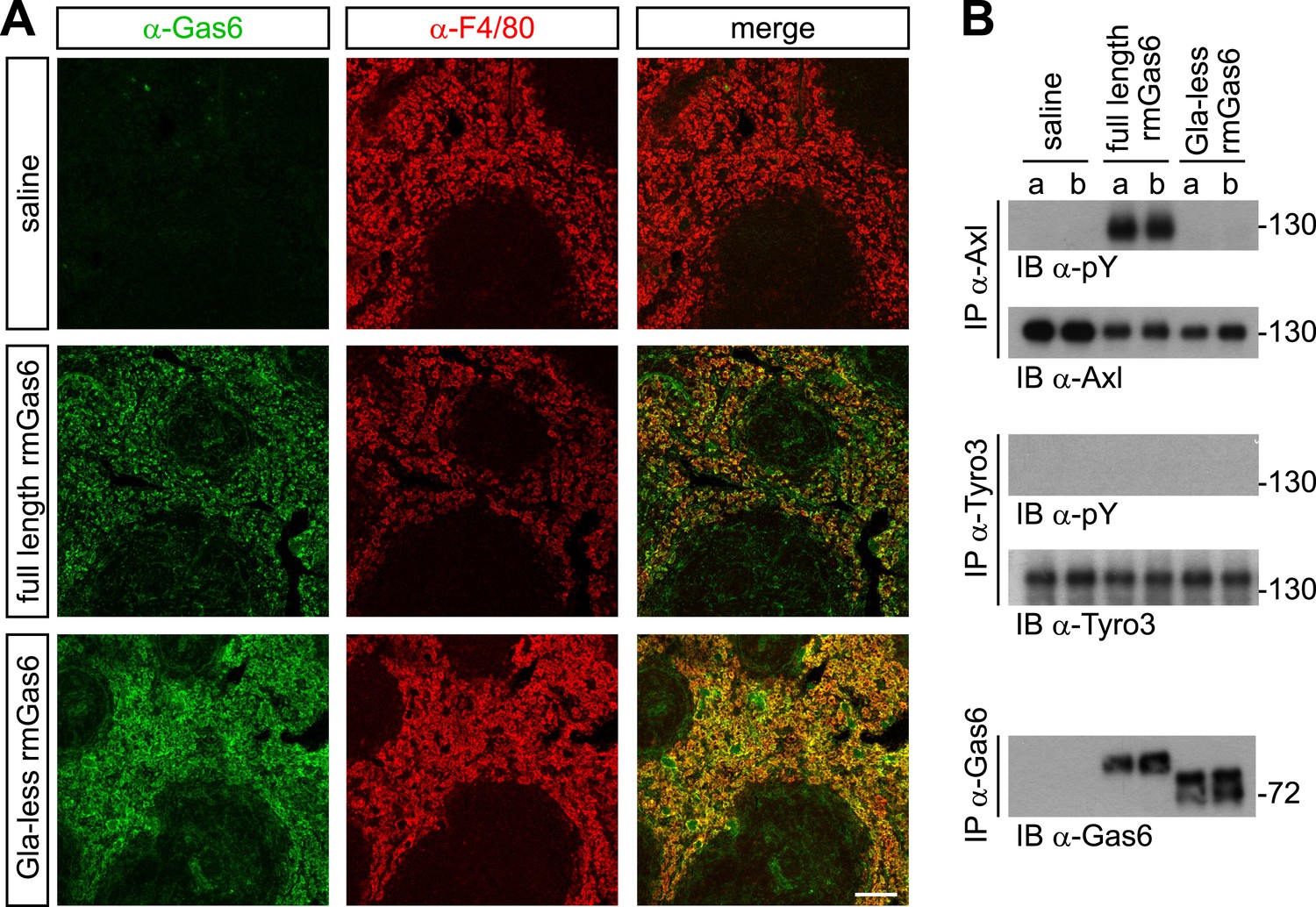
GAS6 (growth arrest-specific 6) structurally belongs to the family of plasma vitamin K-dependent proteins. GAS6 has high structural homology with the natural anticoagulant protein S, which has the same modular composition and a sequence identity of 40%. Nevertheless, the low concentration of GAS6 in plasma and the pattern of tissue expression of GAS6 suggest a clear function among vitamin K-dependent proteins. Through its interaction with receptor tyrosine kinases of the TAM family, GAS6 has growth factor-like properties: Tyro3, Axl, and MerTK. GAS6 uses a unique mechanism of action that interacts with phosphatidylserine-containing membranes via its vitamin K-dependent GLA module (gamma-carboxyglutamic acid) and with the TAM membrane receptors via its carboxy-terminal LamG domains.
Our understanding of the biology of TAM receptors has greatly expanded in recent years, leading to a clear picture of their importance in inflammation, hemostasis, and cancer, making this system an interesting biomedical target. Research has demonstrated a relationship between the innate immune response and the coagulation cascade. Inflammation mediators are essential in the initiation and propagation of the coagulation cascade, while natural anticoagulants have important anti-inflammatory functions. GAS6 represents a new player in this context, while protein S appears to have new functions beyond its anticoagulant role through its interaction with TAM receptors.
The projection on the use of Gas6 for the treatment of hair loss in women.
Though more research is required, the research study authors are hopeful that certain genetic treatments could perhaps be made use of in the future to battle hair loss in women.
“Under both normal and also stress and anxiety problems, adding Gas6 sufficed to trigger hair follicle stem cells that were in the relaxing stage and to promote hair growth,” Choi said. “In the future, the Gas6 pathway could be exploited for its capacity in turning on stem cells to promote hair growth. It will likewise be extremely fascinating to check out if other stress-related cell adjustments relate to the anxiety hormonal agent’s impact on managing Gas6.”
“When trying to find variables that regulate stem cell habits, normally we would look locally in the skin. While there are essential neighborhood variables, our findings recommend that the major switch for the hair root stem cell task is actually far in the adrenal gland, and also it works by changing the threshold needed for stem cell activation,” Hsu included.
“You can have systemic control of stem cell behavior located in a different organ that plays a really essential role, and also we are discovering more and also extra examples of these ‘cross-organ interactions.’
Tissue biology is interconnected with body physiology. We still have a lot to find out in this field, but we are constantly reminded by our searching that in order to recognize stem cells in the skin, we commonly need to believe beyond the skin.”
Conclusion.
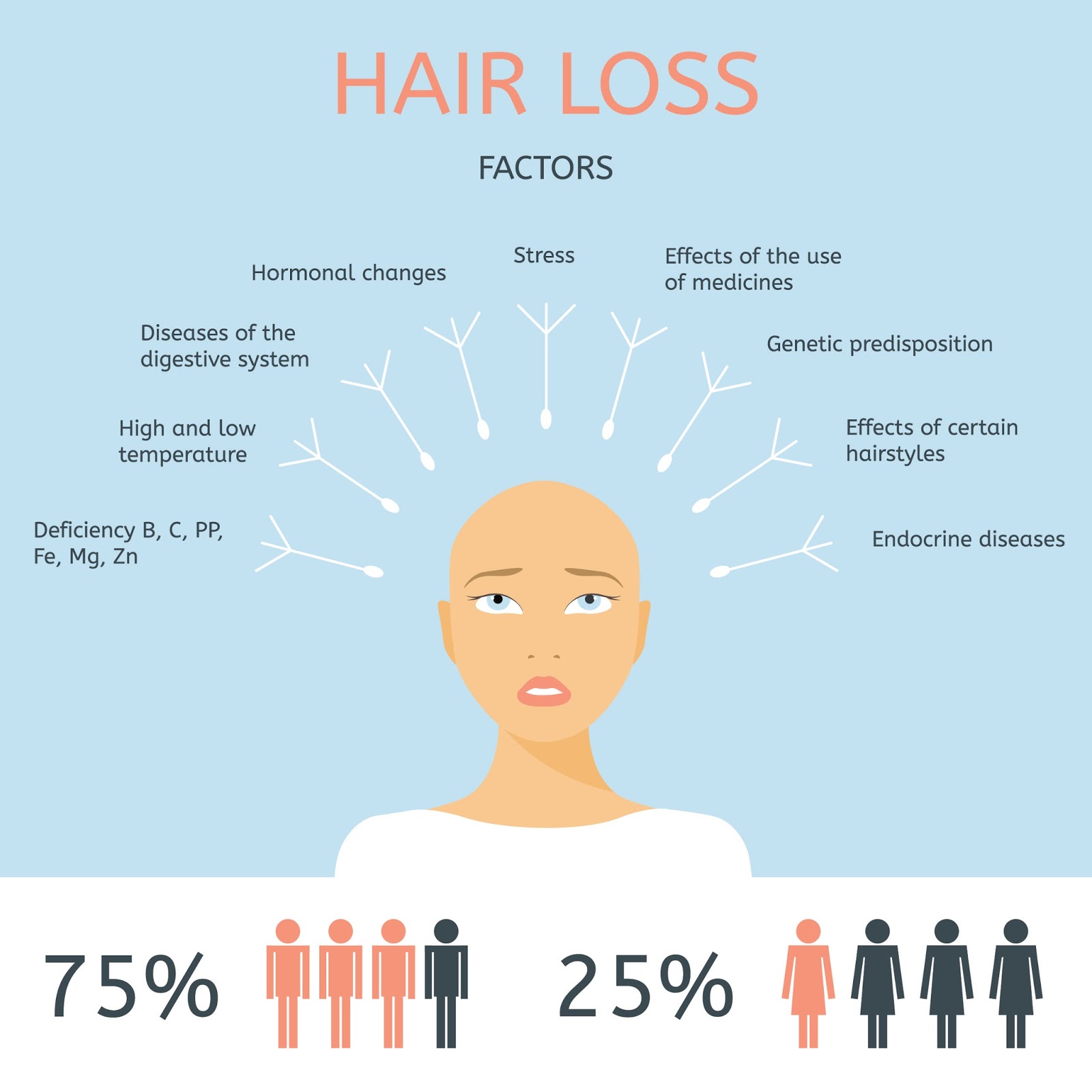
Hair loss is usually associated with one or more of the following factors:
Family history (heredity) – the major cause of hair loss for both genders.
One of the most usual reasons for hair loss is a hereditary condition that happens with aging. This problem is called androgenic alopecia, or male-pattern baldness, as well as female-pattern baldness. It normally happens gradually and in predictable patterns—a receding hairline and bald places in men as well as thinning hair along with the crown of the scalp in females.
Hormonal adjustments as well as medical conditions.
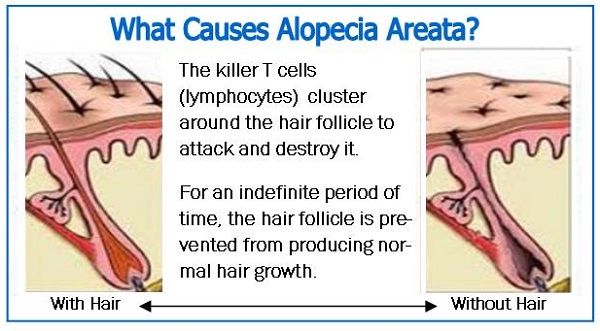
A variety of problems can create irreversible or momentary hair loss in women, including hormonal adjustments due to maternity, giving birth, menopause, and also thyroid issues. Clinical conditions include alopecia areata, which is immune system relevant and also creates irregular hair loss; scalp infections such as ringworm; and a hair-pulling problem called trichotillomania.
Drugs as well as supplements.
Hair loss in women can be a negative result of the consumption of specific medications, such as those utilized for cancer cells, joint inflammation, clinical depression, heart problems, gout arthritis, and high blood pressure.
Radiation treatment to the head.
This condition is very common amongst cancer patients that receive nuclear treatments. The hair might not grow back like it was previously.
Chronic stress environment causes hair loss in women.
Lots of people experience a basic thinning of hair several months after a physical or emotional shock. This type of loss of hair is short-lived.
Hairstyles and use of particular hair products.
Excessive hairstyling or hairdos that draw your hair tight, such as pigtails or cornrows, can cause a sort of hair loss called grip alopecia. Hot-oil hair treatments, as well as permanents, can likewise cause hair to fall. If scarring happens, loss of hair could be permanent.
How to treat hair loss in women.
The easiest advice probably is to stay calm and not get anxious. I don’t think this is the right recommendation, because if people are able to stay calm, they do so. Today’s environment at home, on a street, and at work is stressful and most people are getting involved in situations when they can’t keep their emotions under control, becoming nervous, agitated, and anxious. That’s when they need professional help.
The use of antidepressants for hair loss in women, however, may help with the symptoms of depression, but it will not regrow hair. On the opposite, some of these products are well-known as a cause of their loss in women.
Holistic and naturopathic medicine in this case is the winner. At the Philadelphia Holistic Clinic we have many patients that were successfully treated for hair loss and in a reasonably short time had their hair stop falling and eventually regrow.
The main technique that we use for the treatment of hair loss in women is a combination of hypnosis, acupuncture, and homeopathy.
During the treatment, hypnosis helps people to properly react to stressful situations as hypnotists change the settings of the subconscious functions, while homeopathic remedies improve hormonal balance as well as secretion of GAS6.
Homeopathic Medicine for Hair Loss
By addressing the underlying cause of hair loss—such as stress, dietary inadequacies, or hormonal imbalances—homeopathy provides a customized, natural solution. In order to encourage hair regrowth and stop additional hair loss without the usual side effects, remedies are selected depending on the patient’s constitution and particular symptoms.
Common Homeopathic Treatments for Hair Regrowth and Loss
For a customized prescription, it is essential to speak with a licensed homeopath because self-medication is not advised. Common treatments for different kinds of hair loss include the following:
Lycopodium is frequently suggested for crown hair thinning, early balding, and hair loss brought on by digestive disorders or poor metabolism. It is also used to treat women’s postpartum hair loss.
By offering vital nourishment, silica (Silica) is known to fortify hair follicles, enhance hair structure, and lessen dryness and brittleness. It works well for hair loss brought on by weak hair roots and heavy perspiration on the scalp.
Phosphorus is a multipurpose treatment for hair loss brought on by hormonal fluctuations, stress, or nutritional inadequacies. It works well for hair loss with dandruff or an itchy scalp and helps promote regrowth in bald spots.
Natrum muriaticum is beneficial for hair loss caused by hormonal imbalances, such as those that occur during menopause or after giving birth, or mental stress or sadness. Women with greasy scalps are frequently advised to use it.
Thuja Occidentalis is used to treat dandruff, thinning hair, and hair loss brought on by greasy scalps. According to studies, this plant’s extracts may aid in causing hair follicles to enter an active growth phase.
Sepia is mostly used for women who experience hair loss due to hormones, particularly during menopause, pregnancy, or disorders like PCOS.
Arnica Montana contains anti-inflammatory qualities and increases blood flow to the scalp, stimulating dormant follicles and reducing inflammation and dandruff.
Crucial Points to Remember
Treatment Length: Because homeopathy treats the underlying problem, it may take some time to see effects. It usually takes three to six months to see noticeable improvement, and six to twelve months of regular treatment may be necessary to achieve the full advantages.
Mechanism: To support long-term hair health and stop recurrence, homeopathic remedies seek to awaken dormant hair follicles and address internal imbalances.
Complementary Approach: In addition to treatments, a comprehensive strategy is advised, which includes stress reduction, a healthy hair care regimen, and a balanced diet full of vital nutrients (iron, zinc, biotin, and protein).
Professional Consultation: Speak with a qualified homeopathic doctor for safe and efficient therapy. To choose the best, customized treatment and dose, they conduct a thorough case study.
Acupuncture for Hair Loss
The use of acupuncture local points, in turn, will stimulate the hair follicles, while distal points will balance the Yin Yang energy of your body.
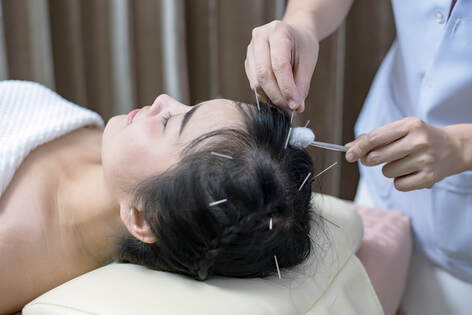
Acupuncture has sufficient scientific support for genetic baldness (male/female pattern), but it shows promise for other types of hair loss, particularly stress-induced (such as alopecia areata) or hormonal, by perhaps increasing scalp circulation, lowering inflammation, and harmonizing the body. Results vary, and it’s usually best taken as part of a holistic strategy with diet and stress management. It takes several months to see thicker, stronger hair, but some studies indicate it can outperform medications for alopecia areata and offer benefits when paired with herbs.
How it is believed to function
Enhances Circulation Tiny needles supply nourishment to hair follicles by increasing blood flow to the scalp.
Reduces Stress: The calming effects of acupuncture aid in the treatment of telogen effluvium, or stress-related hair loss.
Equilibrium Internal Systems: According to Traditional Chinese Medicine (TCM), acupuncture attempts to address hair loss as an internal imbalance (Qi/Blood).
Ideal for those with alopecia are: Studies on immune-related patchy hair loss, which have shown promising outcomes.
Hormonal/Postpartum Shedding: Handles underlying imbalances.
Stress-Induced Thinning: Lessens the stress that causes hair loss.
Usually ineffective for Genetic Hair Loss: because it ignores the main hormonal and genetic causes of male and female pattern baldness.
What to anticipate
Duration: Less shedding begins to improve in 4-6 weeks, followed by visible regrowth in 2-3 months and stronger hair in 6+ months.
Combined Method: For optimal effects, it is frequently used with light therapy, herbal medication, and scalp massage (Gua Sha).
Conclusion: Although there is little proof of hereditary baldness, acupuncture can be a safe, natural treatment, particularly for stress- or immune-related loss. For long-term results, it is best used in conjunction with other healthful practices.
Holistic Treatment for Hair Loss in Philadelphia
Need more information? Need treatment? Contact Philadelphia Holistic Clinic and schedule your appointment with Dr. Tsan. Ask which treatment approach is the best for you. During the evaluation, you will undergo iridology, magnetic resonance analyzer, and Diacom testing. Based on the results of the tests, the proper treatment will be proposed. You can schedule your appointment online using our secure scheduling application.

This post is extremely radiant. I really like this post. It is outstanding amongst other posts that I’ve read in quite a while. Much obliged for this better than average post. I truly value it!