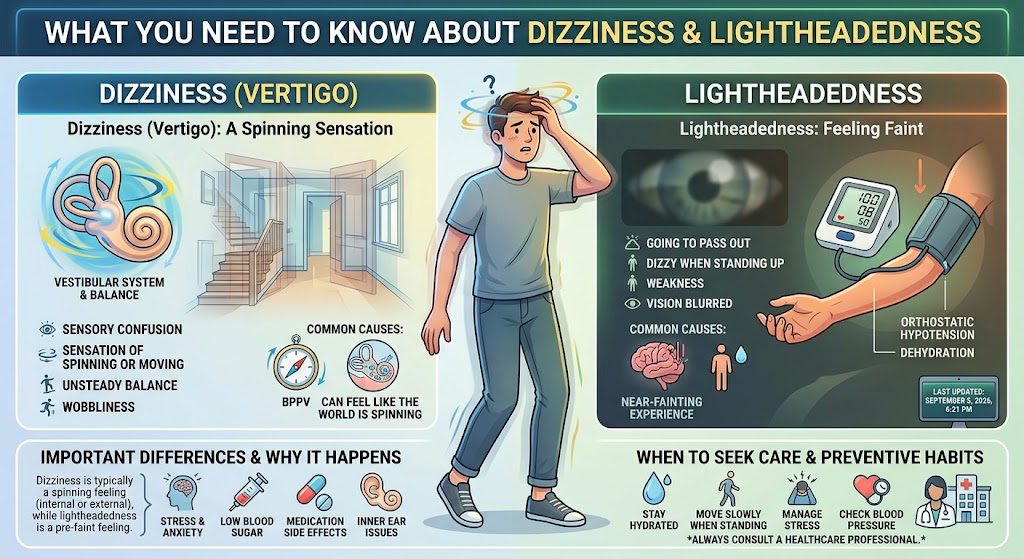
Dizziness
People use the term “dizziness” to refer to various feelings, including feeling weak, dizzy, faint, or shaky. More accurately, vertigo is the feeling that you or your surroundings are spinning or moving.
Feeling faint, dizzy, unsteady, spinning, or lightheaded, as if you’re going to topple over, is called dizziness. When you experience these symptoms over time, it’s called chronic dizziness. It frequently starts off as a single episode but persists. It may grow more severe, frequent, and problematic.
A brief decrease in blood flow or oxygen to the brain is typically the source of lightheadedness, which is a feeling of drowsiness, faintness, or being on the verge of passing out.
One of the more frequent reasons adults visit a doctor is dizziness and lightheadedness. Frequent dizzy episodes or persistent dizziness can significantly impact your life. However, dizziness is rarely a sign of a serious illness.
Key Takeaways:
- Lightheadedness often stems from various causes, ranging from benign issues like dehydration or low blood sugar to more serious underlying conditions such as cardiovascular problems or neurological disorders.
- Recognizing specific symptoms, including their duration and accompanying sensations, provides critical clues for identifying the root cause; for instance, a spinning sensation (vertigo) points to different origins than a general feeling of faintness.
- Medical attention becomes necessary when dizziness is sudden, severe, persistent, or accompanied by alarming symptoms like chest pain, shortness of breath, numbness, or difficulty speaking, indicating a potential emergency.
- Targeted medical treatments address specific diagnoses, such as medications for Ménière’s disease, physical therapy for benign paroxysmal positional vertigo (BPPV), or dietary adjustments for orthostatic hypotension.
- Holistic strategies emphasize a comprehensive approach to managing lightheadedness, incorporating lifestyle modifications like adequate hydration, regular sleep, stress reduction techniques, and a balanced diet.
- Certain nutritional deficiencies, particularly in vitamins B12 and iron, can directly contribute to feelings of lightheadedness, highlighting the importance of a nutrient-rich diet or appropriate supplementation under medical guidance.
- Complementary therapies, including acupuncture, specific homeopathic remedies, or guided hypnosis, offer additional avenues for relief, particularly when integrated thoughtfully into a broader treatment plan.
Identifying the Root Causes of Dizziness and Lightheadedness
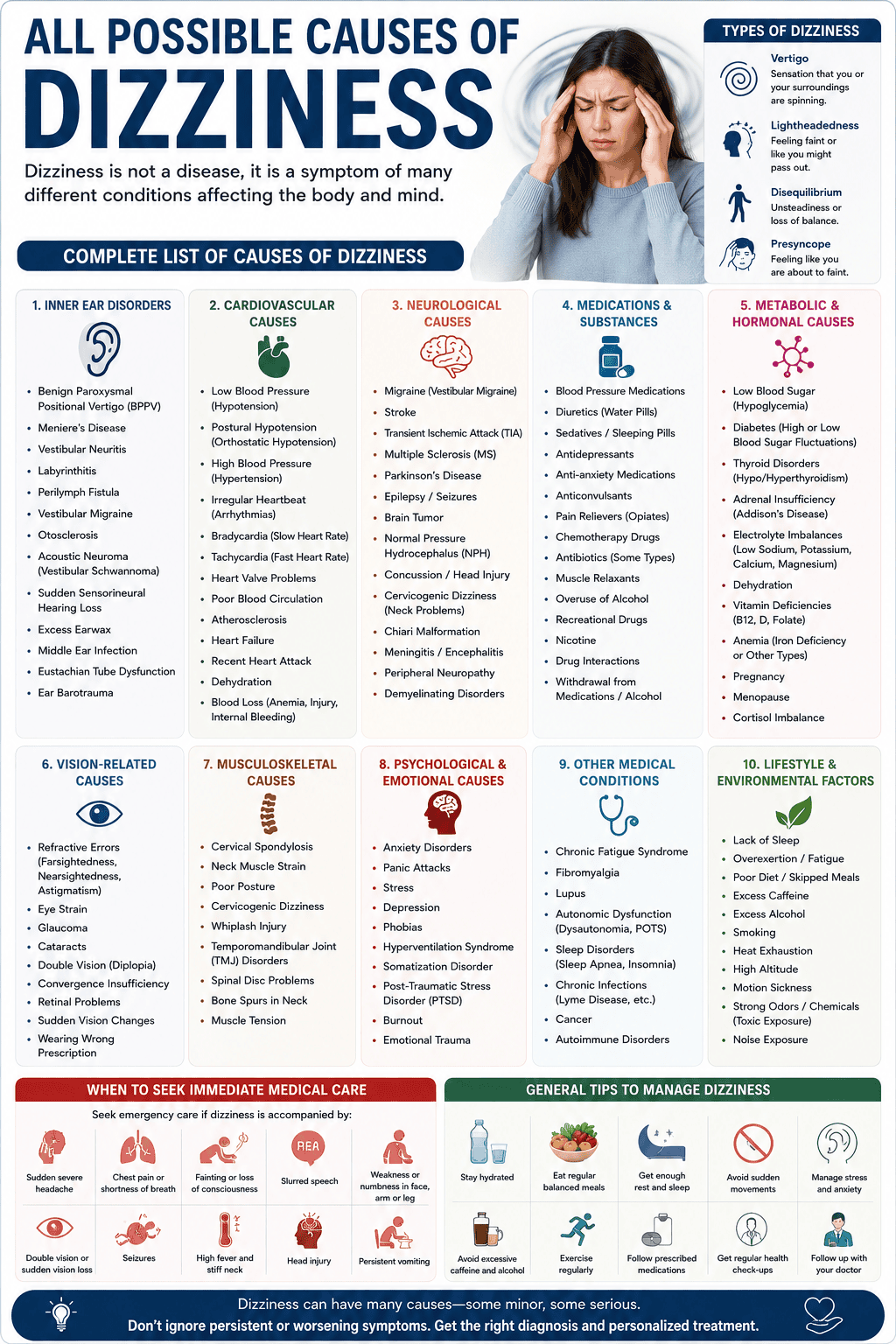
Common physiological triggers
Understanding what causes lightheadedness requires examining various physiological systems. Sometimes, a sudden drop in blood pressure, known as orthostatic hypotension, can leave you feeling dizzy, particularly when standing up quickly. This brief reduction in blood flow to the brain often resolves within a few seconds, but it can be disorienting. Dehydration represents another frequent culprit, as insufficient fluid intake reduces blood volume, making it harder for your circulatory system to maintain adequate pressure. Even mild dehydration can manifest as lightheadedness, alongside symptoms like dry mouth and fatigue. Maintaining consistent hydration throughout the day helps prevent this common trigger. Cardiac issues, such as an irregular heartbeat (arrhythmia) or other heart conditions, may also contribute to sensations of dizziness. When your heart isn’t pumping blood efficiently, the brain may not receive enough oxygen, leading to lightheadedness or even fainting. Consulting a healthcare professional for persistent dizziness is advisable to rule out underlying cardiac concerns.
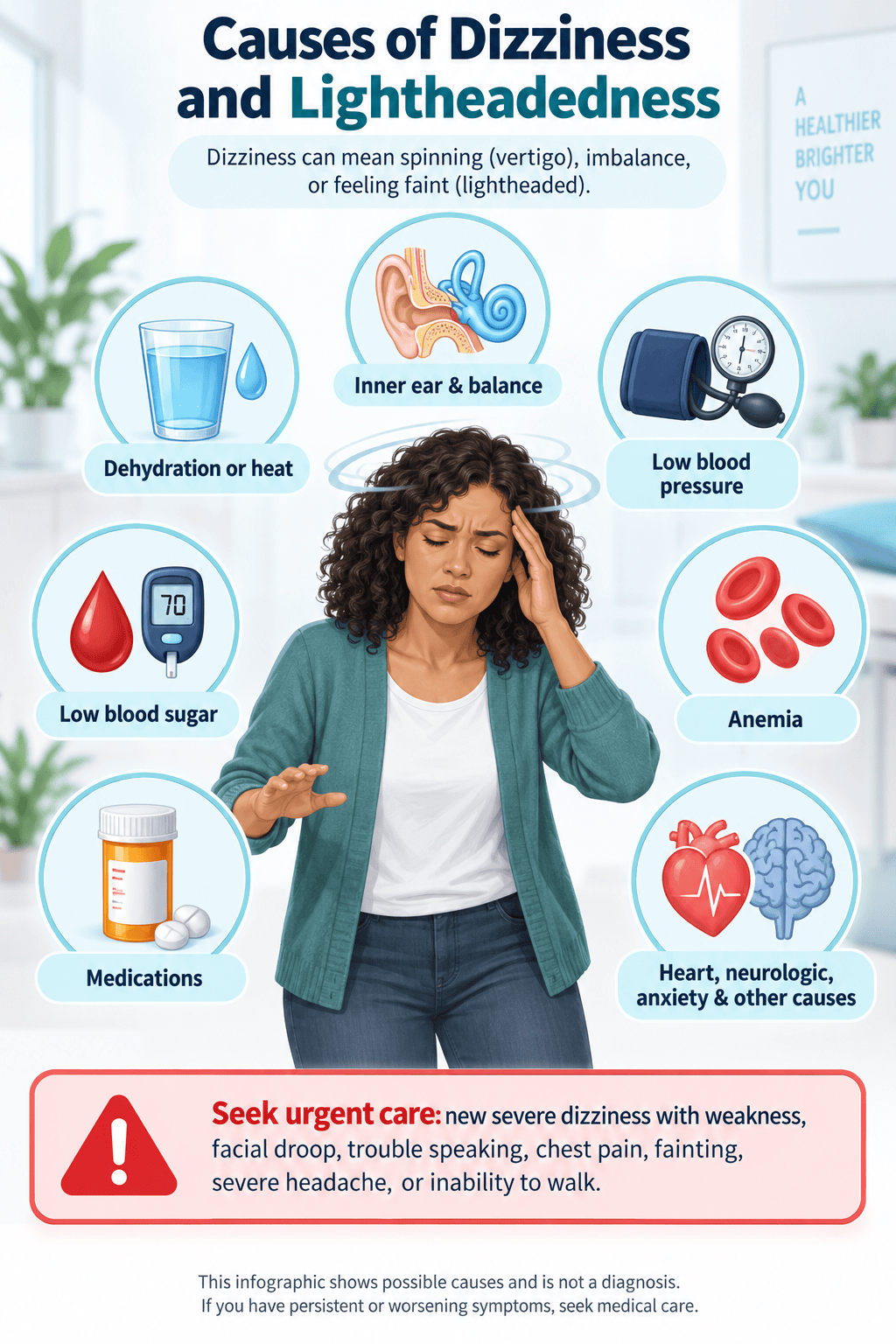
Nutritional and metabolic influences
Nutritional deficiencies play a significant role in why you might feel dizzy. For example, a lack of vitamin B12 can directly impact neurological function and red blood cell production, both vital for preventing lightheadedness. This particular deficiency often occurs in individuals who follow vegetarian or vegan diets or have malabsorption issues. Low blood sugar, medically termed hypoglycemia, is another metabolic cause of dizziness. When your glucose levels dip too low, your brain, which relies heavily on sugar for energy, can become starved, leading to confusion, shakiness, and lightheadedness. This is especially common for individuals with diabetes who may be on medication. Anemia, characterized by a reduced number of healthy red blood cells, diminishes the oxygen-carrying capacity of your blood, frequently resulting in lightheadedness and fatigue. Iron deficiency is the most common cause of anemia, and addressing the issue through diet or supplements can often alleviate dizzy spells. Your body needs sufficient iron to produce hemoglobin, the protein in red blood cells responsible for oxygen transport. Certain electrolyte imbalances, such as low sodium or potassium levels, can also disrupt normal bodily functions and contribute to feelings of dizziness. These electrolytes are crucial for nerve and muscle function, as well as maintaining proper fluid balance within your body. Correcting these imbalances through dietary adjustments or medical intervention can often resolve associated lightheadedness.
Recognizing Symptoms and Duration Patterns
Experiencing dizziness and lightheadedness can manifest in various ways, making it crucial to pay close attention to the specific sensations. You might feel a sense of spinning, unsteadiness, or as if you are about to faint—all distinct presentations requiring different considerations. Observing how these sensations begin and evolve provides valuable clues for understanding their underlying causes. Sudden dizziness, for example, often points to an acute trigger, such as a rapid change in body position or a temporary drop in blood pressure. This type of onset can be quite disorienting but typically resolves quickly, leaving you feeling normal within moments or a few minutes. Pinpointing the exact circumstances surrounding these sudden episodes can help identify recurring patterns. Conversely, constant lightheadedness, a persistent feeling of wooziness or being off-balance, suggests a more sustained issue. This sensation might linger throughout the day, sometimes worsening with activity or specific environmental factors. Tracking the duration and any accompanying symptoms, like nausea or headache, helps paint a clearer picture of what you are experiencing.
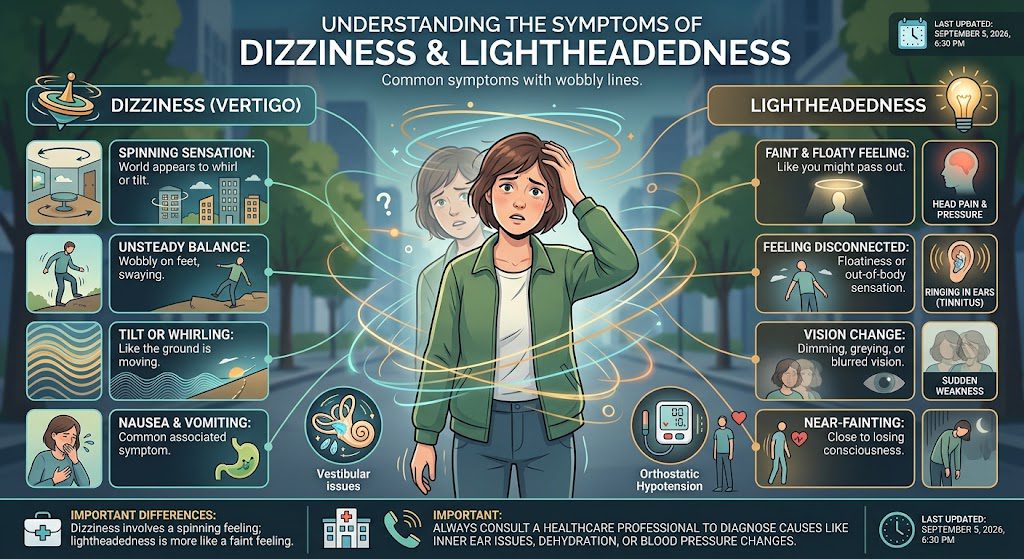
Distinguishing between acute and chronic sensations
Acute dizziness typically emerges abruptly and subsides within a short period, ranging from seconds to a few hours. This transient nature often correlates with immediate physiological responses, such as orthostatic hypotension after standing up too quickly. You might notice these episodes are singular events or occur infrequently. Chronic lightheadedness, on the other hand, persists for extended periods, often weeks or even months. This ongoing sensation can significantly impact daily life, making simple tasks challenging and contributing to general fatigue. Understanding if your symptoms fall into this category helps differentiate between temporary disruptions and more ingrained health concerns. Observing the frequency of your symptoms is another key differentiator; acute episodes are sporadic, while chronic sensations are a daily or near-daily occurrence. Keeping a symptom journal, noting when and how often you feel dizzy or lightheaded, can provide a comprehensive record for discussion with a healthcare professional.
Physical manifestations of balance disruption
Beyond the internal feeling of dizziness, you might notice outward signs indicating a disruption in your balance system. An unsteady gait, for instance, is a common physical manifestation, where you may sway or stumble when walking. This can make navigating uneven surfaces or crowded areas particularly challenging. You might also discover yourself frequently reaching out to steady yourself against walls or furniture, a subconscious effort to maintain equilibrium. This compensatory behavior highlights the brain’s attempt to correct for perceived instability. These physical reactions provide objective evidence of the subjective sensation of dizziness. Difficulty maintaining a straight line while walking, or a tendency to drift to one side, further indicates a compromise in your vestibular or proprioceptive systems. These systems are crucial for spatial awareness and body positioning, and their disruption directly impacts your ability to move confidently through your environment. Even subtle changes in posture or coordination can be indicative of underlying issues affecting your balance.
Clinical Severity: When to Seek Medical Attention
Identifying emergency red flags
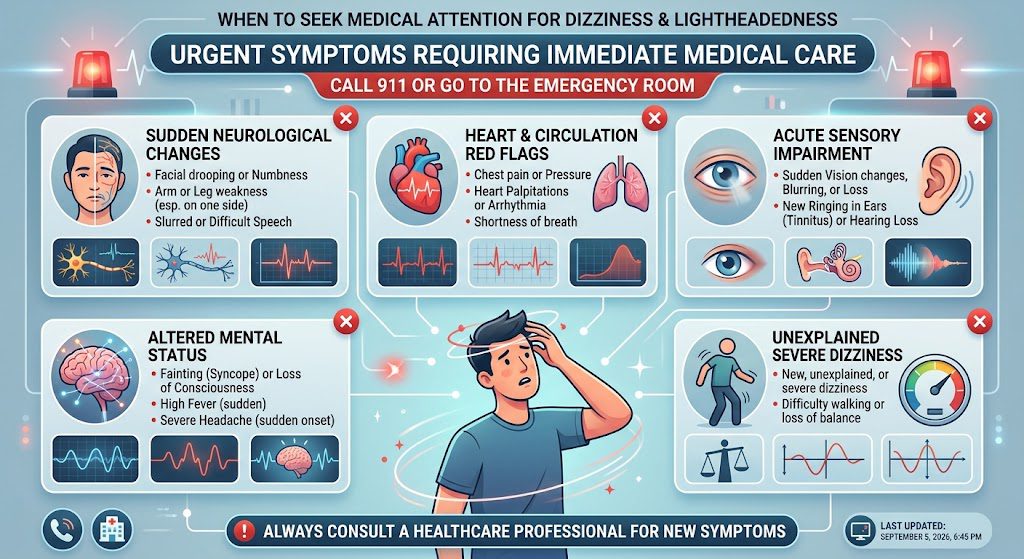
You should seek immediate medical attention if your dizziness is accompanied by specific alarming symptoms. Experiencing a sudden, severe headache, for example, especially one unlike any you’ve had before, warrants urgent evaluation. Furthermore, if you notice numbness or tingling in any part of your body, or if you suddenly develop difficulty speaking, these are critical indicators for emergency care. Other concerning signs include a sudden change in vision, such as double vision or vision loss, which could point to a serious neurological event. If you experience weakness or paralysis on one side of your body, or if your dizziness leads to a loss of consciousness, these symptoms require immediate medical intervention. Do not delay in seeking help if you develop a stiff neck alongside your dizziness. An irregular heartbeat or chest pain concurrently with dizziness also signals a potential cardiac emergency. Any instance of persistent vomiting, particularly if it’s severe and doesn’t subside, should prompt a visit to the emergency room. These acute symptoms suggest underlying conditions that demand prompt diagnosis and treatment.
Evaluating the seriousness of symptoms
Understanding when dizziness is serious involves assessing its accompanying symptoms and the context of its onset. If your dizziness is persistent and doesn’t improve after a short period, or if it recurs frequently without a clear cause, it warrants a medical consultation. Pay attention to how the dizziness affects your daily activities and balance, as recurrent falls can indicate a more significant issue. Consider your medical history when evaluating the seriousness of your dizziness. Individuals with pre-existing conditions such as heart disease, diabetes, or a history of strokes should be particularly vigilant about new or worsening dizzy spells. These conditions can predispose you to more severe complications. The intensity and character of the dizziness itself can also be telling. If you describe the sensation as true vertigo, where you feel as though you or your surroundings are spinning, it often points to an inner ear problem. However, if this spinning sensation is accompanied by neurological symptoms, it could suggest a central nervous system issue. If you notice that your dizziness consistently occurs during specific activities, such as standing up quickly, it might suggest orthostatic hypotension, a relatively common and often manageable condition. Conversely, dizziness that arises randomly or is brought on by head movements could be benign paroxysmal positional vertigo (BPPV), which is also treatable. A sudden onset of dizziness with hearing changes, however, might indicate Ménière’s disease.
Targeted Treatments for Specific Conditions That Cause Dizziness
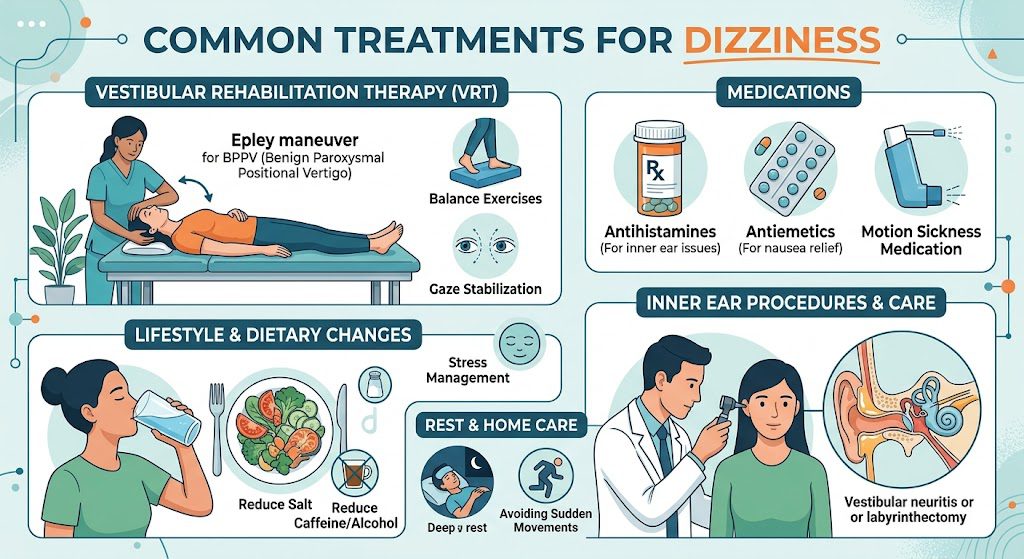
Addressing dizziness often requires a precise understanding of its origin, as general remedies may not suffice for specific conditions. For instance, if you experience dizziness caused by misaligned eyes, a specialized approach is necessary. This particular type of vertigo, known as vision-related vertigo, can significantly disrupt your balance and spatial awareness. Treatment for dizziness caused by misaligned eyes frequently involves corrective eyewear. You might find relief through prism glasses, which subtly alter how light enters your eyes, helping to realign the visual input your brain receives. These specialized lenses can reduce the strain on your ocular muscles, thereby alleviating the disorienting signals that contribute to your dizziness. Beyond corrective lenses, vision therapy can also play a pivotal role. This involves a series of exercises designed to improve eye coordination and tracking, effectively retraining your visual system to work more harmoniously. Consistent engagement with these therapies can strengthen your eye muscles and enhance binocular vision, ultimately reducing or eliminating the dizziness stemming from ocular misalignment.
Managing dizziness in stroke recovery and chronic illness
Managing dizziness after a stroke, which often accompanies weakness, demands a comprehensive rehabilitation plan. Physical therapy is a cornerstone of this recovery, focusing on balance training and strengthening exercises to help you regain stability. Occupational therapy can also assist by adapting your environment and teaching compensatory strategies to minimize the impact of dizziness on daily activities. For individuals experiencing dizziness in fibromyalgia, treatment often involves a multi-faceted approach addressing both the pain and neurological symptoms of the condition. You may find relief through a combination of medication, such as antidepressants or anticonvulsants, which can help regulate nerve signals, alongside lifestyle modifications. Regular, gentle exercise, stress reduction techniques, and an anti-inflammatory diet are frequently recommended to manage the systemic inflammation and nerve hypersensitivity associated with fibromyalgia. Beyond these interventions, a holistic perspective on your overall well-being is beneficial in chronic conditions. This might include incorporating mindfulness practices or cognitive behavioral therapy (CBT) to address the psychological impact of persistent dizziness and weakness. Focusing on improving sleep quality, which is often disturbed in fibromyalgia and stroke recovery, can also significantly reduce the frequency and intensity of dizzy spells.
Holistic and Natural Management Strategies

Lifestyle Adjustments and At-Home Interventions
Many instances of dizziness respond well to simple adjustments within your daily routine. Staying adequately hydrated, for example, is a foundational home treatment for dizziness, as dehydration can significantly contribute to lightheadedness. Aim for consistent fluid intake throughout the day, perhaps carrying a water bottle to encourage regular sips, especially during warmer weather or after physical activity. Avoiding sudden changes in position can also prevent episodes. If you are lying down, sit on the edge of your bed for a moment before standing, allowing your blood pressure to stabilize. Similarly, when moving from a sitting to a standing position, do so slowly and deliberately. These small, conscious movements are effective all-natural treatments for dizziness, minimizing the abrupt shifts that can trigger symptoms. You might also find relief by modifying your diet, particularly by reducing caffeine and alcohol intake. Both substances can affect hydration and blood sugar levels, potentially exacerbating dizziness. Opting for smaller, more frequent meals can help maintain stable blood sugar, another practical home treatment for dizziness that supports overall equilibrium.
Integrative Approaches to Restoring Equilibrium
Beyond immediate lifestyle changes, a more comprehensive holistic treatment for dizziness often involves incorporating specific practices that support the body’s natural balance. Gentle exercises, such as tai chi or yoga, improve proprioception and strengthen core muscles, which are necessary for stability. Regularly practicing these forms can significantly reduce the frequency and intensity of dizzy spells by enhancing your sense of spatial awareness. Acupuncture, a traditional Chinese medicine technique, is another avenue you might explore. This method involves inserting thin needles into specific points on the body, aiming to rebalance your body’s energy flow, or “qi.” Many individuals report a reduction in dizziness symptoms after a course of acupuncture, finding it to be a beneficial all-natural treatment for dizziness that addresses underlying energetic imbalances. Herbal remedies also play a role in holistic management. Ginger, for instance, has long been recognized for its anti-nausea properties and can be consumed as a tea or supplement to alleviate motion sickness-related dizziness. Ginkgo biloba is another herb often cited for its potential to improve blood flow to the brain, which may help in cases where reduced cerebral circulation contributes to lightheadedness. Always consult a healthcare professional before starting any new herbal regimen, ensuring it aligns with your specific health needs and any existing medications.
Alternative and Complementary Therapies

Mind-body techniques and acupuncture
Several alternative approaches can help manage dizziness, particularly when conventional treatments have not provided complete relief. Hypnosis for dizziness, for example, focuses on redirecting your attention and altering your perception of the sensation, potentially reducing its intensity and frequency. This method often involves guided imagery and relaxation techniques, aiming to calm the nervous system. Acupuncture treatment for dizziness offers another avenue for relief, stemming from traditional Chinese medicine principles. Practitioners insert fine needles into specific points on the body, which are believed to rebalance energy flow and alleviate symptoms. Many individuals find this approach helpful in reducing the spinning sensation associated with vertigo, as well as general lightheadedness. When qualified professionals perform these complementary therapies, they are generally considered safe and can be integrated into a broader treatment plan. You may find that combining these techniques with conventional medical advice provides a more comprehensive approach to managing your dizziness, addressing both its physical and psychological components.
Acupuncture for Dizziness and Lightheadedness
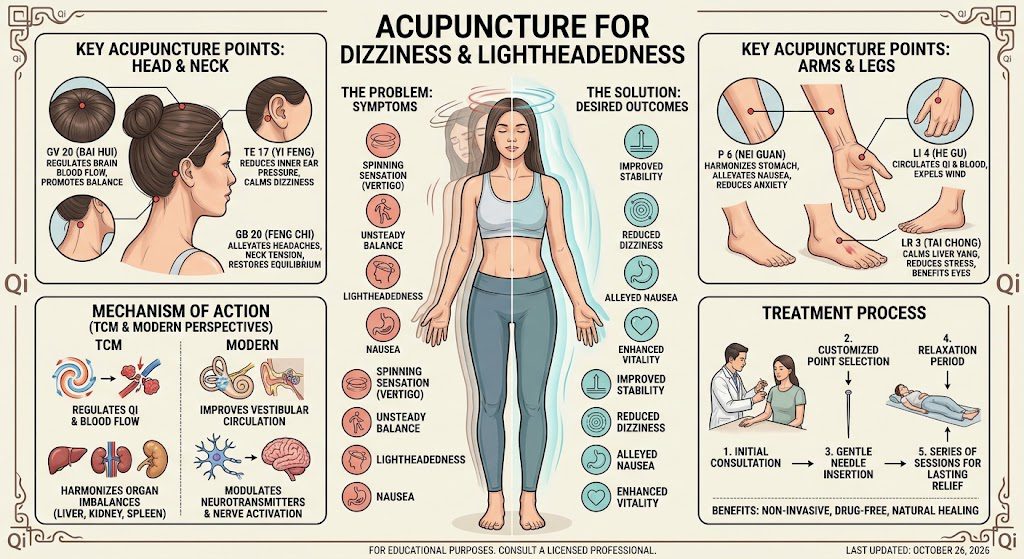
By reestablishing equilibrium and controlling the body’s qi, acupuncture may help lessen lightheadedness and dizziness.
How Acupuncture Treats Lightheadedness
• Traditional Perspective: According to Traditional Chinese Medicine, dizziness is an imbalance in life force, or qi, and certain places are needed to remove obstructions and soothe the soul.
• Current Research: Studies indicate that therapies might balance the vestibular system and increase blood flow to the brain.
Typical Acupuncture Points
• PC6 (Neiguan): Located on the inner arm close to the wrist, it aids in heart relaxation and nausea suppression.
• ST36 (Zusanli): Found in the lower thigh, it stabilizes balance and increases total energy.
• GB20 (Fengchi): Found at the base of the skull; often used to reduce stress and head spinning. 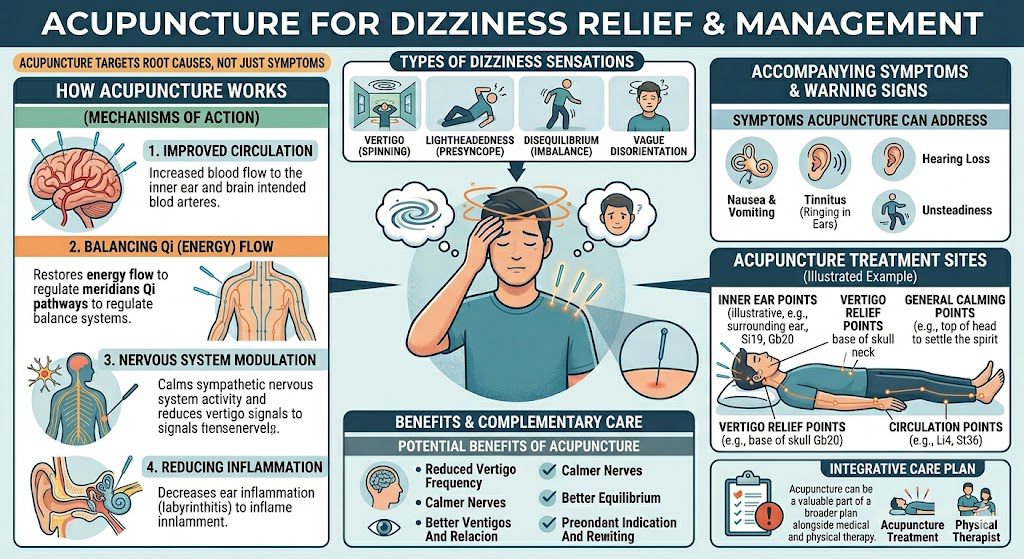
What to Anticipate
• Treatment Course: While chronic problems may need 10 to 12 treatments, many people see relief after a series of 4 to 6 sessions.
• Safety: The majority of side effects are modest, like slight bruising or pain at the injection site.
“If you are experiencing vertigo and considering acupuncture treatment, it is important to find a licensed practitioner to help you avoid complications or infections,” according to Healthline.
Homeopathic applications and remedies for dizziness
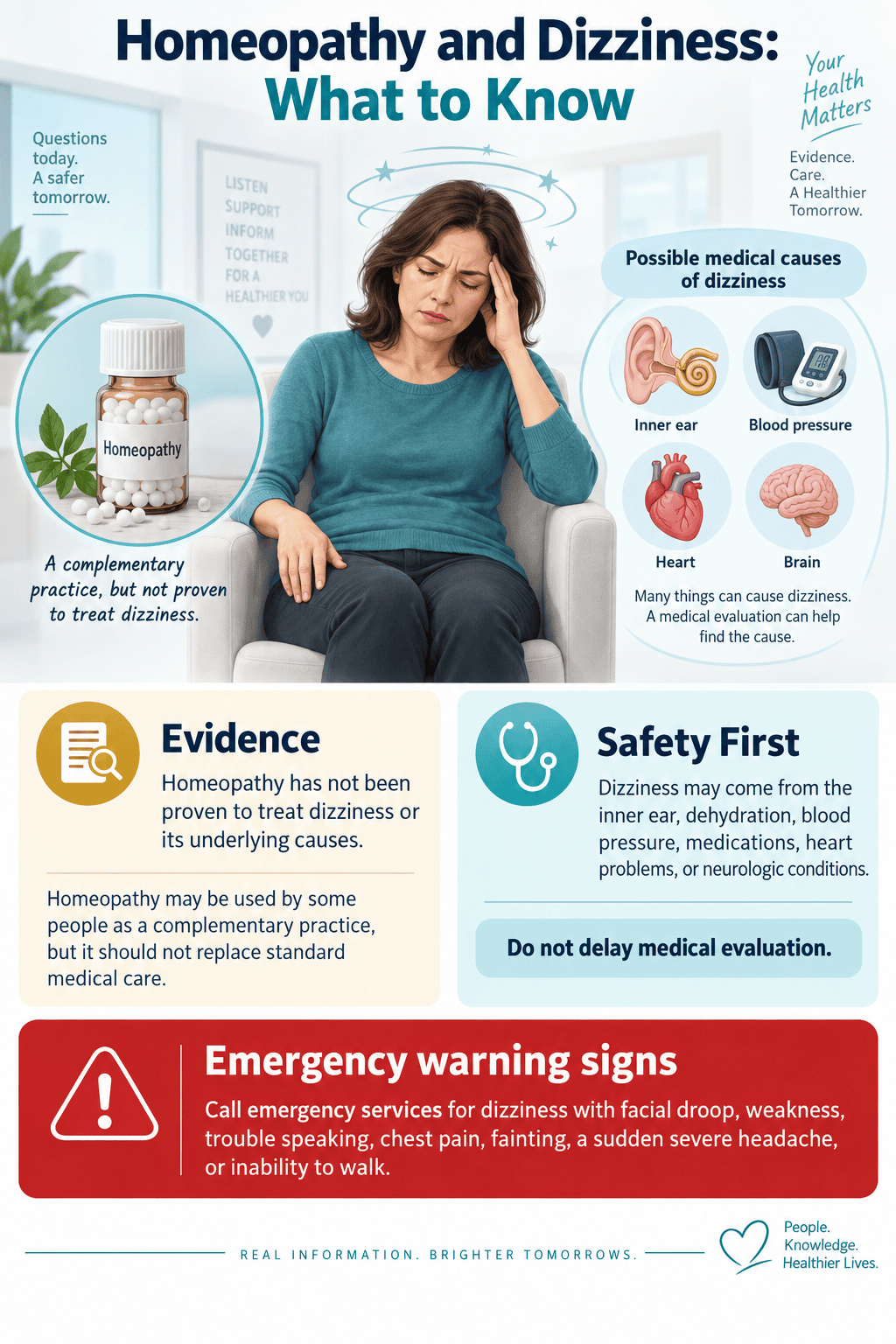
Homeopathic treatment for dizziness employs highly diluted substances to stimulate the body’s self-healing mechanisms. Homeopathic doctors select remedies based on your individual symptoms, aiming to match the specific presentation of your dizziness with a corresponding homeopathic preparation. This personalized approach differentiates it from more generalized treatments. Homeopathic remedies for dizziness include various substances, each chosen for its ability to address particular types of lightheadedness or vertigo. For instance, you might receive a remedy if your dizziness is worse with motion or if it’s accompanied by nausea. The selection process is highly individualized, considering the totality of your symptoms. Consulting a qualified homeopathic practitioner is important to ensure they choose the appropriate remedy for your specific condition. They will conduct a thorough assessment, taking into account not only your dizziness symptoms but also your overall health and constitutional type, to recommend the most suitable course of homeopathic treatment.
To wrap up
You have several avenues for addressing dizziness, ranging from conventional medical interventions to complementary therapies. Your approach should always begin with an accurate diagnosis from a qualified healthcare professional, as the underlying cause dictates the most effective treatment. For instance, if your dizziness stems from benign paroxysmal positional vertigo (BPPV), a common inner ear problem, specific physical maneuvers like the Epley maneuver can often resolve symptoms quickly by repositioning dislodged otoconia within the semicircular canals. Conversely, orthostatic hypotension, where blood pressure drops upon standing, might require adjustments to medication, increased fluid intake, or the use of compression stockings to improve venous return.
Exploring holistic and natural management strategies can significantly support your recovery and overall well-being. You might find relief through dietary adjustments, such as reducing caffeine and alcohol intake, which can sometimes exacerbate vestibular symptoms, or ensuring adequate hydration throughout the day. Stress management techniques, including mindfulness meditation or deep breathing exercises, are also beneficial, as psychological factors frequently influence the perception and severity of dizziness. Regular, gentle exercise, like walking or tai chi, helps improve balance and coordination, gradually desensitizing your vestibular system and rebuilding confidence in your movement.
Complementary therapies offer additional pathways for symptom management and improved quality of life. Acupuncture, for example, has been explored for its potential to alleviate vertigo and associated nausea, particularly in cases where conventional treatments have offered limited success. You could also consider vestibular rehabilitation therapy (VRT), a specialized form of physical therapy designed to retrain the brain to compensate for inner ear deficits. A VRT program often involves a series of customized exercises that promote gaze stability, improve balance, and reduce sensitivity to motion, tailored specifically to your unique symptoms and triggers by a trained therapist.
FAQ

Q: What are the primary causes of lightheadedness?
A: Lightheadedness often stems from a temporary reduction in blood flow to the brain. Dehydration is a very common culprit, especially during warmer months or after strenuous activity. Low blood sugar, known as hypoglycemia, can also trigger these sensations, particularly for individuals with diabetes or those who have gone long periods without eating. Certain medications, such as those for high blood pressure or diuretics, may also contribute by affecting blood volume or cardiovascular regulation.
Q: How does dehydration specifically lead to dizziness?
A: When the body lacks sufficient fluids, blood volume decreases. This reduction in volume means the heart has to work harder to pump blood, and the pressure within the circulatory system can drop. A lower blood pressure, especially when changing positions quickly (like standing up), reduces the immediate blood supply to the brain, manifesting as lightheadedness or a fleeting sense of faintness. Maintaining adequate fluid intake is crucial to prevent this physiological response.
Q: Can anxiety or stress cause lightheadedness?
A: Psychological factors, including anxiety and stress, can indeed induce or exacerbate feelings of lightheadedness. Hyperventilation, a common response to panic or intense stress, alters the balance of oxygen and carbon dioxide in the blood. This imbalance can constrict blood vessels supplying the brain, leading to a sensation of unsteadiness or wooziness. Chronic stress can also affect the autonomic nervous system, further impacting blood pressure regulation.
Q: When should lightheadedness prompt a visit to a doctor?
A: Seek medical attention if lightheadedness is sudden, severe, or accompanied by other concerning symptoms. These warning signs include chest pain, shortness of breath, a sudden severe headache, numbness or tingling, difficulty speaking, changes in vision, or a loss of consciousness. Persistent lightheadedness that interferes with daily activities or recurs frequently also warrants a professional evaluation to rule out underlying medical conditions.
Q: Are there any specific vitamin deficiencies linked to dizziness?
A: A deficiency in vitamin B12 is sometimes associated with dizziness and lightheadedness. This vitamin plays a critical role in nerve function and red blood cell production. Anemia, often caused by iron deficiency, can also lead to reduced oxygen transport throughout the body, including to the brain, resulting in feelings of fatigue and dizziness. Your doctor can perform blood tests to identify any specific nutritional deficiencies.
Q: What holistic approaches can help manage recurring lightheadedness?
A: Holistic strategies focus on overall well-being. Ensuring consistent hydration throughout the day is a primary step. Adopting a balanced diet with regular, smaller meals can help stabilize blood sugar levels. Stress reduction techniques, such as mindfulness meditation, deep breathing exercises, or gentle yoga, can mitigate anxiety-induced lightheadedness. Regular, moderate exercise also supports cardiovascular health and improves circulation.
Q: How can I alleviate a sudden bout of lightheadedness at home?
A: If you experience sudden lightheadedness, sit or lie down immediately to prevent a fall. Elevating your feet slightly can help increase blood flow to the brain. Sip on some water or a sports drink to rehydrate, and if you haven’t eaten recently, have a small snack, like fruit or crackers, to address potential low blood sugar. Avoid sudden movements, especially standing up quickly, until the sensation passes.
Holistic treatment for dizziness in Philadelphia
If you suffer from chronic dizziness, vertigo, or other vestibular diseases, consider the Philadelphia Holistic Clinic as your next treatment step. At the clinic we practice all holistic techniques, including acupuncture, homeopathy, and hypnotherapy. Under the supervision of internationally recognized homeopathic doctor Victor Tsan, this clinic has extended academic and clinical experience in vertigo treatment.

Contact Philadelphia Homeopathic Clinic at (267) 403-3085 to schedule an appointment for a holistic evaluation and discuss your treatment plan with Victor Tsan.